Discover the Best Ashtanga Yoga Teacher Training in Rishikesh

Discover the Best Ashtanga Yoga Teacher Training in Rishikesh

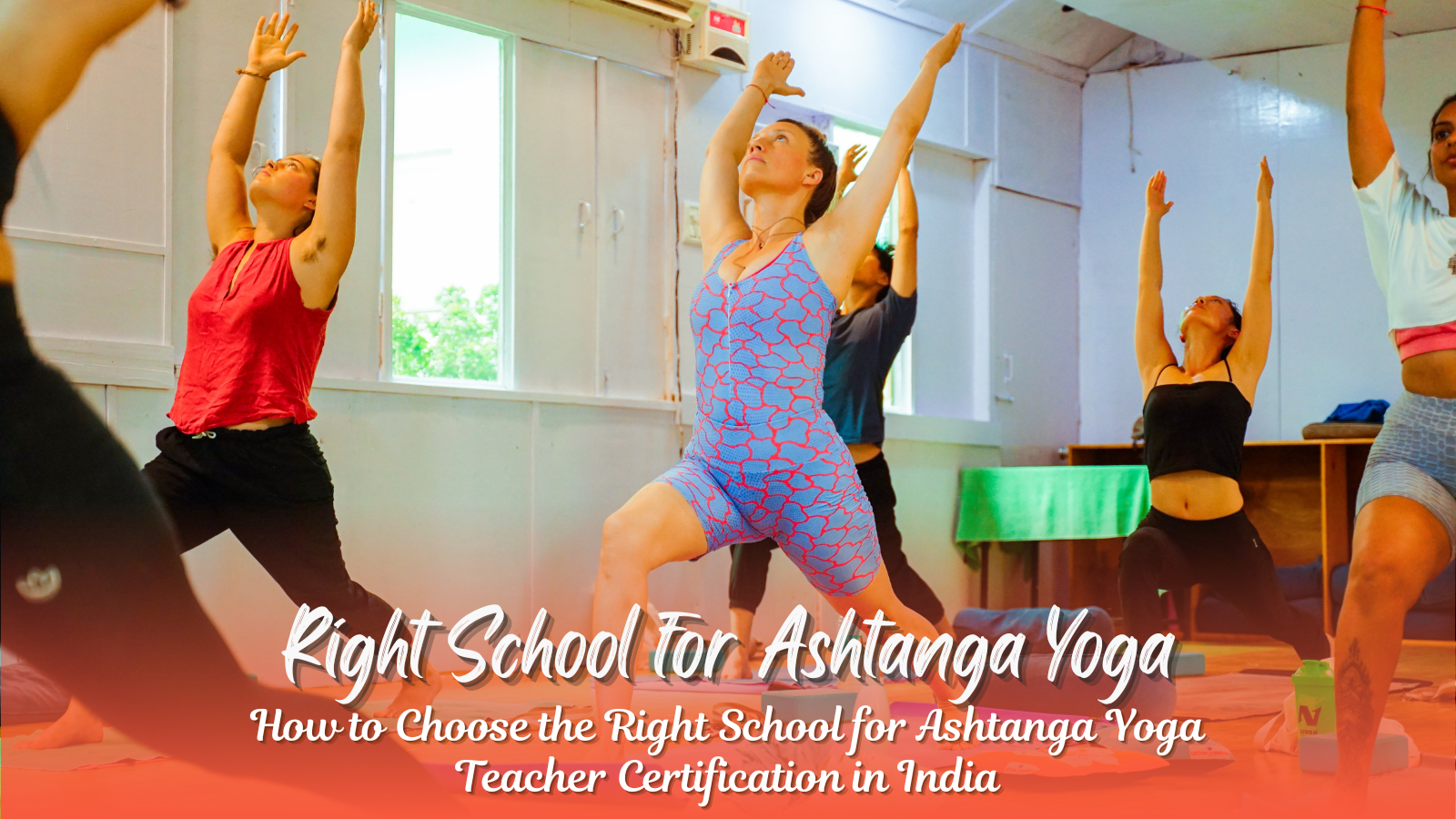
Pursuing Ashtanga Yoga Teacher Certification in India is an incredible way to immerse yourself in ancient yogic traditions and start a fulfilling career as a yoga teacher. Choosing the best Ashtanga Yoga school in Rishikesh ensures that you learn authentic practices while embracing a yogic lifestyle. Here’s an in-depth guide to help you understand the importance of yoga schools, the benefits of Ashtanga Yoga Teacher Training, and how to choose the right school for your journey.


Importance of Choosing the Right Ashtanga Yoga School

Selecting the right yoga teacher training school in Rishikesh is crucial to your growth as a practitioner and teacher. Here’s why:

  • Access to Expert Teachers
    • Learn from experienced gurus with decades of practice in Ashtanga Yoga.
    • Receive personalized guidance to refine postures and techniques.
  • Authentic Learning Environment
    • Immerse yourself in a tranquil and traditional setup at an established yoga training center in Rishikesh.
    • Experience holistic growth with a mix of theory and practical sessions.
  • Structured Curriculum
    • Gain insights into the primary and secondary series of Ashtanga Yoga.
    • Follow a well-defined routine that promotes discipline and deeper learning.
  • Recognition and Certification
    • Graduate with certifications from prestigious organizations like the Yoga Alliance, USA, giving you global recognition as a certified yoga instructor.

Benefits of Ashtanga Yoga Teacher Training In Rishikesh

The journey through Ashtanga Yoga Teacher Training in Rishikesh transforms both your personal practice and professional capabilities. Here’s how:

  • Deep Understanding of Ashtanga Yoga
    • Learn foundational and advanced techniques of Ashtanga yoga.
    • Develop a thorough understanding of philosophy, anatomy, and sequencing.
  • Enhanced Teaching Skills
    • Participate in workshops designed to refine your teaching methodology.
    • Gain confidence in instructing diverse groups of students.
  • Holistic Development
    • Cultivate mental, physical and spiritual harmony under expert guidance.
    • Embrace yogic living, which includes a disciplined lifestyle and meditation practices.

Types of Ashtanga Yoga Teacher Training Course

Here are the different courses under the Ashtanga Yoga Teacher Training, you can choose the course based on your experience, skill, understanding and time availability. Read below to learn more about the course: 

100-Hour Ashtanga Yoga Teacher Training Course The 100-Hour Ashtanga YTT is ideal for students or practitioners who are just starting. The course is aimed to help with the basics of each subject while helping with the knowledge and ideology of yoga. With this course, students will experience the lifestyle of a yogi and understand how our body is affected by healthy practices.

200-Hour Ashtanga Yoga Teacher Training Course The 200-Hour Ashtanga YTT is an advanced course compared to the 100-Hour as it prepares the student for the transition towards secondary learning. However, it is important to note that to pursue a 200-hour course the student should have completed the 100-hour course. Also, as the name suggests it requires a longer duration to complete, so be prepared before choosing the course. 

300-Hour Ashtanga Yoga Teacher Training Course For the students or practitioners who wish to pursue the most advanced learning of Ashtanga yoga, then 300-Hour YTT is the ideal course for them. The course offers a recap of the primary series and a complete learning of the secondary series. The years of practice of the teachers help in obtaining the right posture throughout the practice without harming the body and moving towards perfection. This course can only be pursued if a 200-hour course is completed. 

500-Hour Ashtanga Yoga Teacher Training Course Students who wish to learn and start their career with one course can opt for the 500-Hour Ashtanga Yoga Teacher Training course. This course is a blend of 200 and 300-hour as it offers both primary and secondary learning for the student. After spending these 500 hours under the guidance of expert teachers, the student can mark the beginning of their new career in the field of yoga as a certified yoga instructor who too specializes in Ashtanga style.

However, for pursuing this course, it is necessary to complete the 100-Hour YTT course. These were the courses that you as a practitioner or student can opt for to learn and start your journey as a teacher. However, there are a few factors that you should consider before choosing a yoga school. Scroll down to the next section to check those factors. 

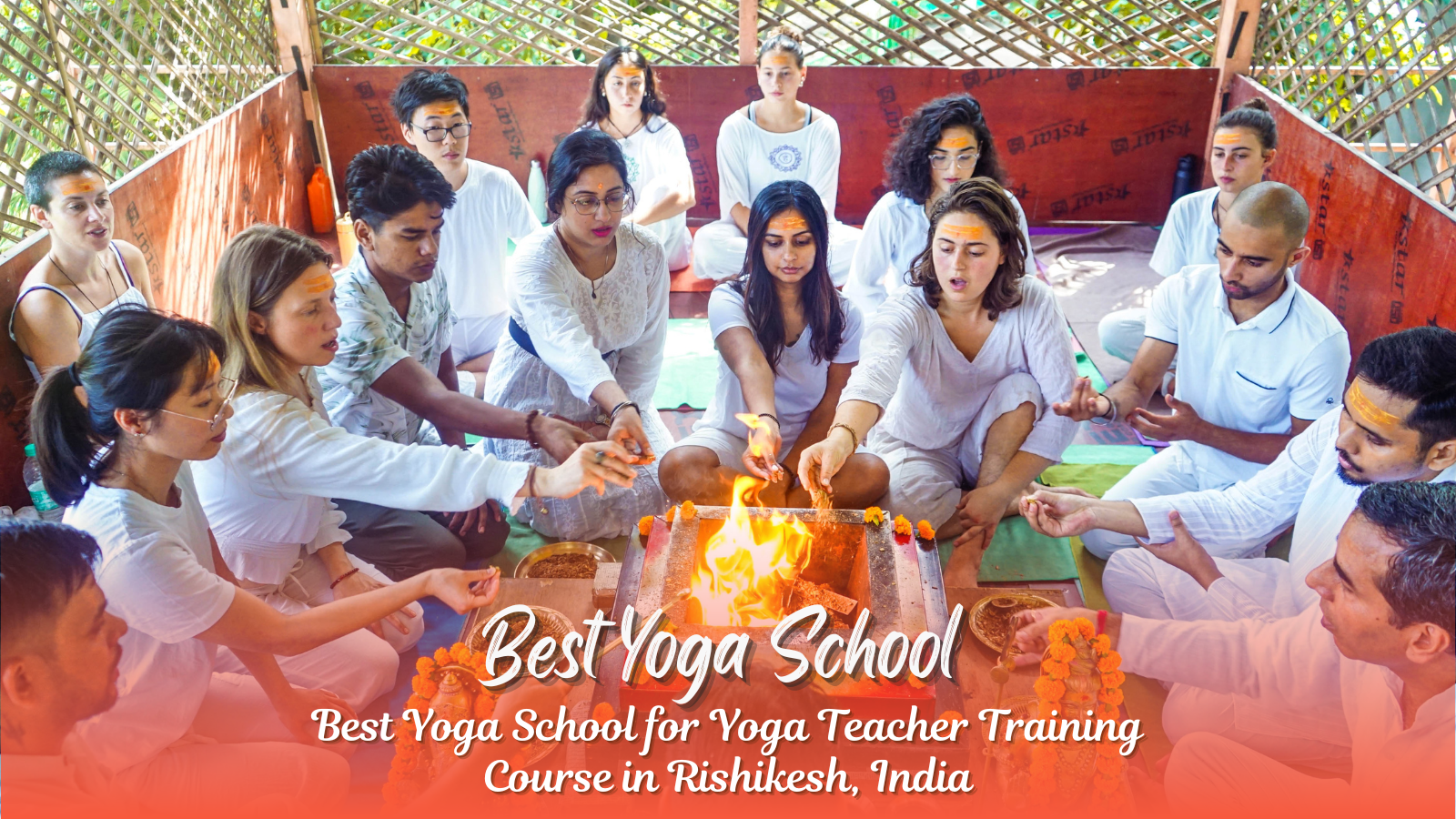
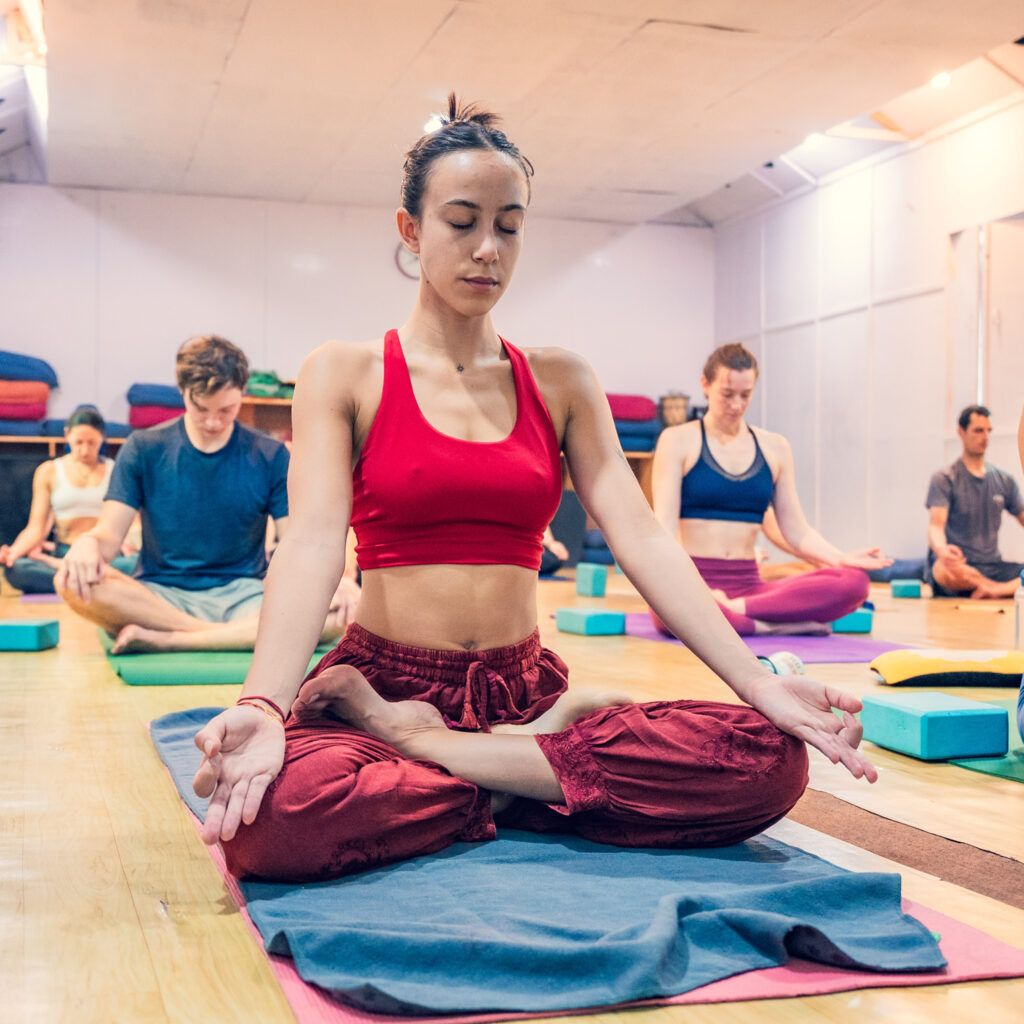
 500-Hour Ashtanga Yoga Teacher Training course - Performing Yoga & Meditation at Gurukul Yogashala Rishikesh

Factors to Consider When Choosing a Yoga School

To make the most of your 200-Hour Ashtanga Yoga Teacher Training in Rishikesh, keep the following factors in mind:

  • Reputation and Legacy
    • Check the school’s history, including its experience and alumni reviews.
    • Opt for a school with a strong reputation in delivering authentic yogic knowledge.
  • Qualified Teachers
    • Look for schools with instructors certified in Ashtanga Yoga Teacher Certification in India.
    • Ensure the teachers have a deep understanding of traditional and modern teaching methods.
  • Comprehensive Curriculum
    • Ensure the course covers theory, practical sessions, and teaching methodology.
    • Verify that the curriculum aligns with your career goals.
  • Environment and Location
    • Select a school located in serene surroundings that encourage mindfulness and focus.
    • The Ashtanga Yoga school in Rishikesh offers an ideal setting with access to the Ganges and lush mountains.
  • Certification Standards
    • Verify that the school provides certification recognized by the Yoga Alliance, USA, to enhance your global teaching prospects.
  • Additional Facilities
    • Check if the school offers accommodation, meals, and extracurricular activities to support your learning journey.

Why Choose Rishikesh for Ashtanga Yoga Teacher Training?

Rishikesh, the “Yoga Capital of the World,” is the perfect destination for aspiring yoga teachers. Here’s why:

Conclusion

Embarking on the path of Ashtanga Yoga Teacher Certification in India is a life-changing decision. By choosing the best yoga teacher training school in Rishikesh, you ensure a transformative experience that combines learning, growth, and self-discovery. Consider all the factors mentioned above, from experienced teachers to structured curriculums, to find the perfect school that aligns with your goals.

Start your journey today at a renowned Ashtanga Yoga school in Rishikesh and step into the world of yoga with confidence and authenticity.

best yoga school in rishikesh

Best Yoga School in Rishikesh: A Comprehensive Guide

Rishikesh, the yoga capital of the world, is home to some of the most reputed yoga schools. Choosing the best yoga school in Rishikesh is crucial for a transformative learning journey. Whether you’re aiming for a 200-hour yoga teacher training course in Rishikesh or an advanced 500-hour yoga teacher training in Rishikesh, selecting the right institution ensures an authentic and enriching experience.

Below, we outline the significance of yoga schools and share tips to find the perfect one for your goals.


Why Choose a Yoga School for Your Training?

Yoga is an ancient practice that demands guidance from experienced teachers. Here’s how attending a yoga school in Rishikesh can enhance your learning:

  • Structured Learning: Yoga schools provide step-by-step guidance tailored to your goals, such as pursuing a certification or deepening your practice.
  • Expert Teachers: Faculty with years of experience ensure accurate techniques and philosophical understanding.
  • Immersive Environment: A serene setting like an Ashtanga yoga center in Rishikesh fosters a focused and holistic learning experience.
  • Customized Courses: Schools offer various courses, including 300-hour yoga teacher training in Rishikesh, catering to beginners and advanced practitioners alike.
  • Comprehensive Curriculum: From asanas to philosophy, every aspect of yoga is covered systematically.

Factors to Consider When Choosing the Best Yoga School in Rishikesh

To make the right choice, consider these essential factors:

1. History and Reputation

  • Look for schools with a proven track record, such as the 200-hour yoga teacher training center in Rishikesh.
  • Research how long the school has been operating and the number of students trained.
  • Check online reviews and testimonials for insights into their credibility.

2. Course Offerings

3. Qualified Teachers

  • Experienced teachers enhance the learning experience.
  • Review teacher profiles on the school’s website to assess their expertise and teaching style.
  • Seek recommendations from alumni who have completed training at the same school.

4. Curriculum and Schedule

  • Examine the curriculum to ensure it covers asanas, pranayama, meditation, philosophy and anatomy.
  • Verify that the school offers flexibility in schedules for international students or working professionals.

5. Location and Environment

  • Choose a school in a serene location, such as an Ashtanga yoga center in Rishikesh, for uninterrupted practice.
  • Evaluate facilities like accommodation, meal plans and recreational options.

6. Affordability and Value

  • Compare course fees across schools and check for inclusions like study materials, accommodation and meals.
  • Some yoga training centers in Rishikesh offer excursions, workshops and other activities at no additional cost.

7. Accreditation and Certification

  • Ensure the school is recognized by Yoga Alliance or other international bodies.
  • Confirm that the certificate you earn will enable you to teach yoga worldwide.

Why Rishikesh is the Ideal Place for Yoga Training

  • Cultural Significance: Rishikesh, nestled in the foothills of the Himalayas, is a spiritual hub for yoga and meditation.
  • Authentic Learning: Yoga schools here follow traditional practices passed down through generations.
  • Global Recognition: Many internationally accredited yoga teacher training programs are based in Rishikesh.

Top Courses Offered in Rishikesh

Here are some of the most sought-after programs:

  1. 200-Hour Yoga Teacher Training Course in Rishikesh
    • Best for beginners looking to build a strong foundation.
    • Covers asanas, pranayama, and meditation basics.
  2. 300-Hour Yoga Teacher Training in Rishikesh
    • Suitable for intermediate practitioners aiming to deepen their knowledge.
    • Focuses on advanced techniques and teaching methodologies.
  3. 500-Hour Yoga Teacher Training in Rishikesh
    • Designed for advanced learners seeking mastery in yoga.
    • Combines comprehensive theoretical and practical training.
  4. Specialized Programs
    • Schools often offer workshops in styles like Ashtanga, Hatha, and Vinyasa yoga.
    • Personalized courses are available at reputed centers like the yoga training center in Rishikesh.

Additional Benefits of Yoga Schools in Rishikesh

  • Community Support: Connect with like-minded individuals from around the world.
  • Cultural Immersion: Experience the local culture, traditions, and cuisine.
  • Holistic Development: Gain insights into Ayurveda, meditation, and spiritual practices alongside yoga.

Conclusion

Choosing the best yoga school in Rishikesh is the key to a transformative learning journey. From beginner-level 200-hour yoga teacher training courses in Rishikesh to advanced 500-hour yoga teacher training programs, Rishikesh offers unparalleled opportunities for authentic yoga education.

Evaluate factors like school history, course offerings, and faculty expertise to make an informed decision. Embrace the spiritual and traditional essence of yoga in the serene settings of Rishikesh, and take your practice to new heights.

If you have any questions or need further guidance, feel free to reach out in the comments section.

Ayurvedic Diet Plan

Ayurvedic Diet Plan: A Complete Guide to Health and Wellness

Modern lifestyles often lead to unhealthy habits, which can result in increased weight, fatty liver, gastritis, high blood pressure and other health concerns. Incorporating an Ayurvedic diet plan can offer a natural and effective solution. Rooted in ancient Indian practices, Ayurveda emphasizes the importance of balancing the body’s doshas and adopting personalized dietary habits.

This article explores the principles of an Ayurvedic diet plan, its benefits and practical tips to integrate it into your lifestyle.


What is an Ayurvedic Diet Plan?

An Ayurvedic diet plan is a holistic approach to eating based on the principles of Ayurveda. It emphasizes natural, wholesome foods that balance the body’s three doshas (Vata, Pitta and Kapha) and promote optimal health. The plan includes warm, easy-to-digest meals prepared with fresh and seasonal ingredients.


Benefits of an Ayurvedic Diet Plan

  1. Improved Overall Health
    • Provides essential nutrients for the body and mind.
    • Enhances energy levels and promotes a sense of well-being.
  2. Enhanced Digestion
    • Prioritizes foods that are easy to digest, aiding in better absorption of nutrients.
    • Reduces bloating and discomfort.
  3. Natural Detoxification
    • Supports the body’s natural detox processes by eliminating toxins.
    • Encourages consumption of cleansing ingredients like turmeric, ginger and fresh vegetables.
  4. Personalized for Your Needs
    • Customized based on your body type and health requirements.
    • Suitable for specific conditions like fatty liver, gastritis, high blood pressure and weight loss.
  5. Alignment with Nature
    • Uses seasonal and natural ingredients for maximum benefit.
    • Encourages mindful eating practices.

Creating an Ayurvedic Diet Plan

An Ayurvedic diet plan can be tailored to address specific health concerns:

  • Ayurvedic Diet Plan for Weight Loss
    • Incorporate foods that are light and easy to digest, like soups, steamed vegetables and whole grains.
    • Avoid processed and fried foods.
  • Ayurvedic Diet Plan for Fatty Liver
    • Focus on bitter and astringent tastes, such as leafy greens, turmeric and fenugreek.
    • Minimize heavy, oily or overly sweet foods.
  • Ayurvedic Diet Plan for Gastritis
    • Include cooling foods like cucumber, coriander and coconut water.
    • Avoid spicy, acidic, or fermented items.
  • Ayurvedic Diet Plan for High Blood Pressure
    • Emphasize potassium-rich foods like bananas, beets and leafy greens.
    • Reduce sodium intake and opt for naturally sweet herbs and spices.

Tips for Following an Ayurvedic Diet Plan

  1. Eat Freshly Prepared Meals
    • Avoid leftovers or processed foods.
    • Opt for warm, freshly cooked meals.
  2. Follow a Fixed Eating Schedule
    • Have meals at consistent times each day to support digestion.
  3. Mindful Eating
    • Eat slowly and without distractions to enhance digestion.
  4. Hydrate with Warm Water
    • Sip warm water or herbal teas throughout the day to aid digestion and detoxification.
  5. Include All Six Tastes in Every Meal
    • Balance your meals with sweet, sour, salty, bitter, pungent and astringent tastes.

Incorporating Ayurveda into Your Routine

To fully benefit from an Ayurvedic lifestyle, follow a structured daily routine:

  • Prioritize Rest: Sleep between 10 p.m. and 6 a.m. to allow your body to recharge.
  • Exercise Daily: Start with 15-20 minutes of yoga or brisk walking, gradually increasing to 45-60 minutes.
  • Stick to Timelines: Schedule meals, workouts, and sleep to maintain consistency.
Ayurvedic Diet Plan

Yoga and Ayurveda: A Perfect Combination

To deepen your understanding of Ayurveda and yoga, consider joining the best yoga school in Rishikesh, Gurukul Yogashala. Our programs blend traditional Ayurvedic principles with yoga practices for holistic health.

We offer:

Through these courses, you’ll learn how to integrate an Ayurvedic diet plan and yoga into your life for maximum wellness.


Why Choose Gurukul Yogashala?

  • Expert Guidance: Learn from experienced instructors in a serene setting.
  • Holistic Approach: Understand the synergy between yoga and Ayurveda.
  • Comprehensive Curriculum: Courses designed for beginners and advanced practitioners.

Conclusion

An Ayurvedic diet plan offers a sustainable and natural approach to health, addressing specific conditions like weight loss, fatty liver, gastritis and high blood pressure. Combined with yoga practices, it forms a powerful system to balance the body and mind.

Begin your journey to holistic wellness with Gurukul Yogashala, the leading yoga teacher training school in Rishikesh. Enroll in our courses and experience the profound benefits of Ayurveda and Yoga.

How to Reduce Stress with Breath Awareness Meditation – Gurukul Yogashala

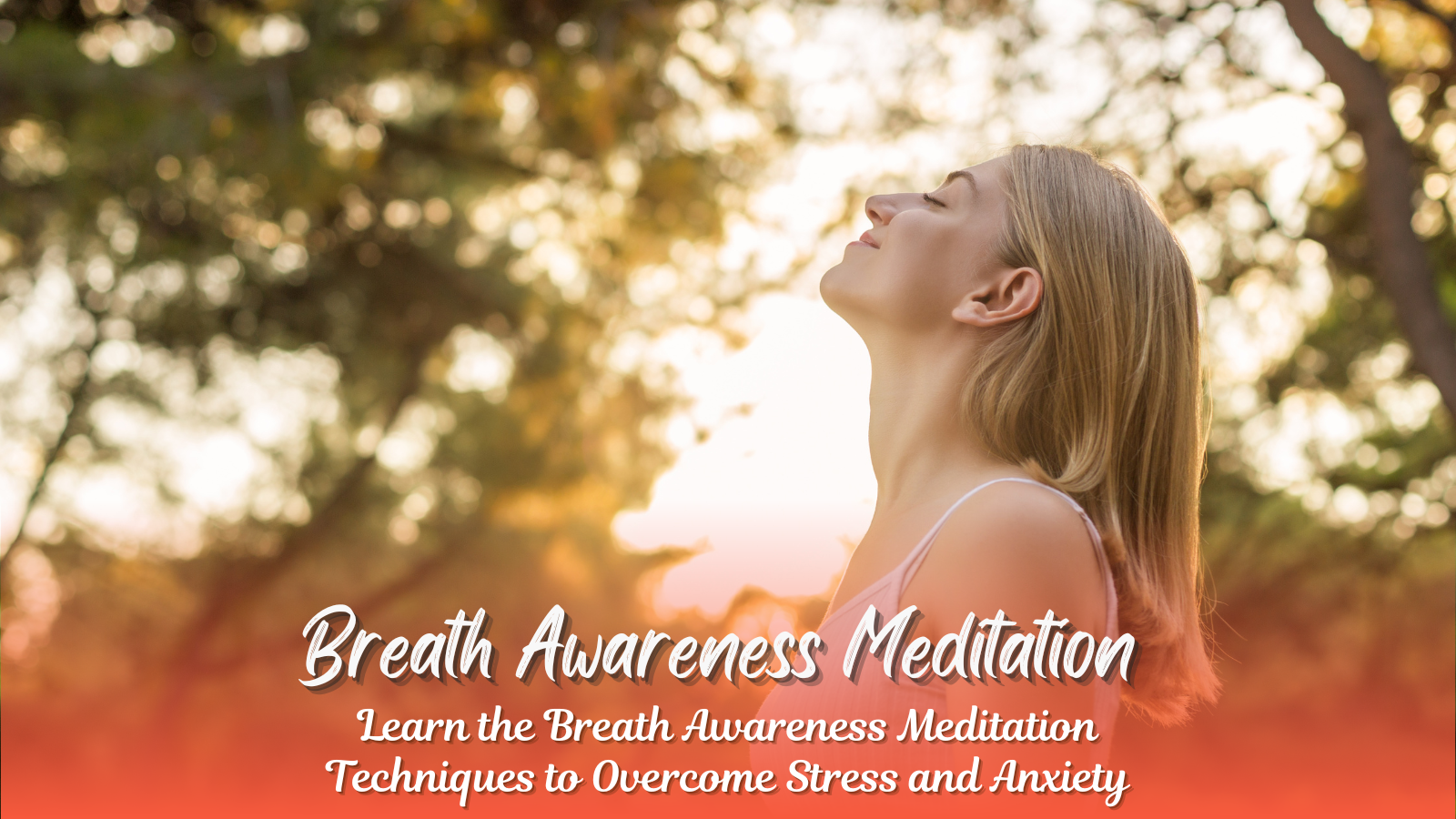
Learn the Breath Awareness Meditation Techniques to Overcome Stress and Anxiety

Stress is a common challenge in today’s fast-paced world and is often linked to major health issues. Understanding what stress is and how to manage it can significantly improve your mental and physical well-being. At Gurukul Yogashala, we emphasize natural ways to combat stress, including the powerful technique of Breath Awareness Meditation. Let’s explore how this method can help you reduce stress and align your body and mind.


What is Stress and Its Impact?

  • Stress Definition: Stress is the body’s response to external pressures or demands that exceed one’s coping abilities. It can manifest physically, emotionally and mentally.
  • Impact of Stress: Chronic stress can lead to health problems such as anxiety, depression, heart disease and a weakened immune system.

Managing stress effectively is crucial for leading a healthy and balanced life.


Breath Awareness Meditation: A Powerful Tool for Stress Management

Breath Awareness Meditation is a simple yet transformative yoga technique. By focusing on your breathing patterns, you can calm your mind, reduce stress and bring a sense of mindfulness to your life.

Steps to Practice Breath Awareness Meditation

  1. Get Comfortable:
    • Sit on a cushion, chair, or yoga mat.
    • Keep your spine straight, shoulders relaxed and hands resting on your knees or lap.
    • Use props if needed for added comfort.
  2. Close Your Eyes:
    • Gently close your eyes to eliminate distractions and bring awareness inward.
  3. Focus on Your Breathing:
    • Pay attention to your natural breath. Notice the rhythm of each inhale and exhale.
    • Avoid controlling your breathing; simply observe.
  4. Observe Without Judgment:
    • If your mind wanders, acknowledge the thoughts and gently redirect your focus to your breathing.
  5. Consistency is Key:
    • Start with 5-10 minutes daily and gradually increase the duration as you become more comfortable.

Tips for Incorporating Meditation into Daily Life

  • Start Small: Begin with a few minutes and gradually increase the duration.
  • Set a Routine: Meditate at the same time daily to build a habit.
  • Be Patient: Mastery comes with consistent effort and time.
  • Experiment: If focusing solely on breath feels challenging, observe related sensations like the movement of your diaphragm or nostrils.

How Breath Awareness Meditation Reduces Stress

  • Reduces Stress and Anxiety: By calming the nervous system and focusing the mind, it alleviates stress and anxiety.
  • Improves Concentration: Helps eliminate distractions and enhances focus.
  • Boosts Self-Awareness: Encourages mindfulness and a deeper connection to the present moment.
  • Enhances Mind-Body Connection: Creates harmony between your physical and mental states.

Right Technique to follow for practicing Breath Awareness Meditation

All the practitioners who wish to learn the correct technique to relieve stress and anxiety through Breath Awareness Meditation can follow the steps mentioned below. 

  • Get comfortable: The most important thing is to get into a comfortable position, where you can easily relax and concentrate. Use a cushion or a chair if needed for comfort. Now keep your spine straight and tall with relaxed shoulders and hands resting on your knees or lap. This position might initially feel discomfort but it is the ideal position which one should practice to adapt. With this position, there will be minimum strain on the body and help keep an upright position. 
  • Close your eyes: Now that you are in the ideal position to start, the next step is to gently close your eyes and take a few moments to settle in and collect your thoughts together. 
  • Shift focus towards breathing: Now that you have closed your eyes, your brain starts to think randomly about everything. You need to shift your focus on the breathing pattern. Observe how things change when you inhale or exhale. This practice of concentrating on one thing will help you remove other thoughts from your mind. 
  • Observe the process: As you further proceed with focusing on the breathing, after some time you might feel random thoughts clouding up and hindering your concentration. However, it is necessary to concentrate and focus on breathing and just observe the process without thinking about anything. 

This is the simple procedure to follow for breath awareness meditation. This technique will take some time to master, however with regular practice and consistency you can easily master it. While incorporating this practice into your lifestyle, here are a few tips to start with. 

Tips to incorporate Breath Awareness Meditation in Daily life

Consistency and regular practice is the key to mastering a skill. The same is true with breath awareness meditation. With regular practice, you can follow the path of a healthy lifestyle with less stress and anxiety. Here is how you can do that: 

  • Step by Step changes: Drastic change in the routine is not good for the body and mind. After a few days of continuous practice, the routine will feel boring and the mind will start to look for alternatives. So it is better to start slowly and gradually increase the duration as the body and mind adapt to the new changes in the routine. 
  • Be consistent: Spending time regularly will help you build a habit. With regular efforts and consistent practice, you will not only build habits but will also observe mindful changes that bloom positivity in your routine. 
  • Experiment and understand your body: There may be instances when you will find discomfort or distress in concentrating on breathing, that is when you will have to experiment and understand the body. Instead of just focusing on the breathing, you can even try and focus on how the diaphragm moves when you inhale or exhale, or how the nostrils move during this process. These other changes during breathing can help concentrate and shift your focus to a new process. 

Now that you have adopted new habits of mindfulness and relieving stress, here is what will change during the process of regular practice of breath awareness meditation. 

 How to Reduce Stress with Breath Awareness Meditation – Gurukul Yogashala

How does Breath Awareness Meditation help the body? 

With regular practice and time devoted towards breath awareness meditation, many health benefits can be observed in the body. Here are a few of the health benefits offered by this yoga technique. 

  • Reduced Stress
  • Relief in Anxiety
  • Better Concentration
  • Improved self-awareness
  • Better mind and body connection

These are some of the benefits of performing breath awareness meditation. Yoga is a journey where you learn about the body following various techniques and posters. If you are passionate about following a yogic lifestyle and want to learn, we at Gurukul Yogashala offer the best yoga teacher training courses in Rishikesh. Our courses are based on Vedic learning and traditional concepts that blend perfectly with modern-day routines. To know more about our course and yoga school.

Yoga Teacher Training in Rishikesh: The Next Step

If you’re passionate about learning yoga deeply, Gurukul Yogashala offers the best yoga teacher training courses in Rishikesh. We provide:

Our yoga teacher training school in Rishikesh integrates traditional Vedic teachings with modern techniques to create a comprehensive learning experience.


Why Choose Gurukul Yogashala?

  • Learn from experienced instructors in a serene environment.
  • Practice yoga in the birthplace of this ancient tradition.
  • Discover stress management techniques and mindfulness practices to transform your life.

Conclusion

Stress management is a vital aspect of maintaining overall health. By incorporating Breath Awareness Meditation into your routine, you can effectively reduce stress and improve mental clarity. To deepen your understanding of yoga and stress-relief practices, explore the teacher training courses at Gurukul Yogashala, the best yoga school in Rishikesh.

Start your journey towards a stress-free, balanced life today!

Best Yoga Center in Rishikesh

Finding the Best Yoga Center in Rishikesh: A Complete Guide

Rishikesh, known as the Yoga Capital of the World, is the birthplace of yoga and a spiritual hub for practitioners from all over the globe. Nestled in the foothills of the Himalayas, along the banks of the sacred Ganga River, this holy city offers the perfect environment for deepening your yoga practice.

If you’re looking for the best yoga center in Rishikesh to start or advance your yoga journey, this guide will help you make the right choice. Whether you’re a beginner or an experienced yogi, Rishikesh has some of the finest yoga teacher training schools and yoga retreat centers that offer traditional and modern yoga practices.

In this article, we’ll walk you through:

  • The key factors to consider before choosing a yoga training center in Rishikesh
  • The different types of courses available, including 200, 300, and 500-hour yoga teacher training programs
  • Why Gurukul Yogashala is one of the best yoga schools in Rishikesh

Let’s dive in and explore the world of yoga teacher training in Rishikesh!

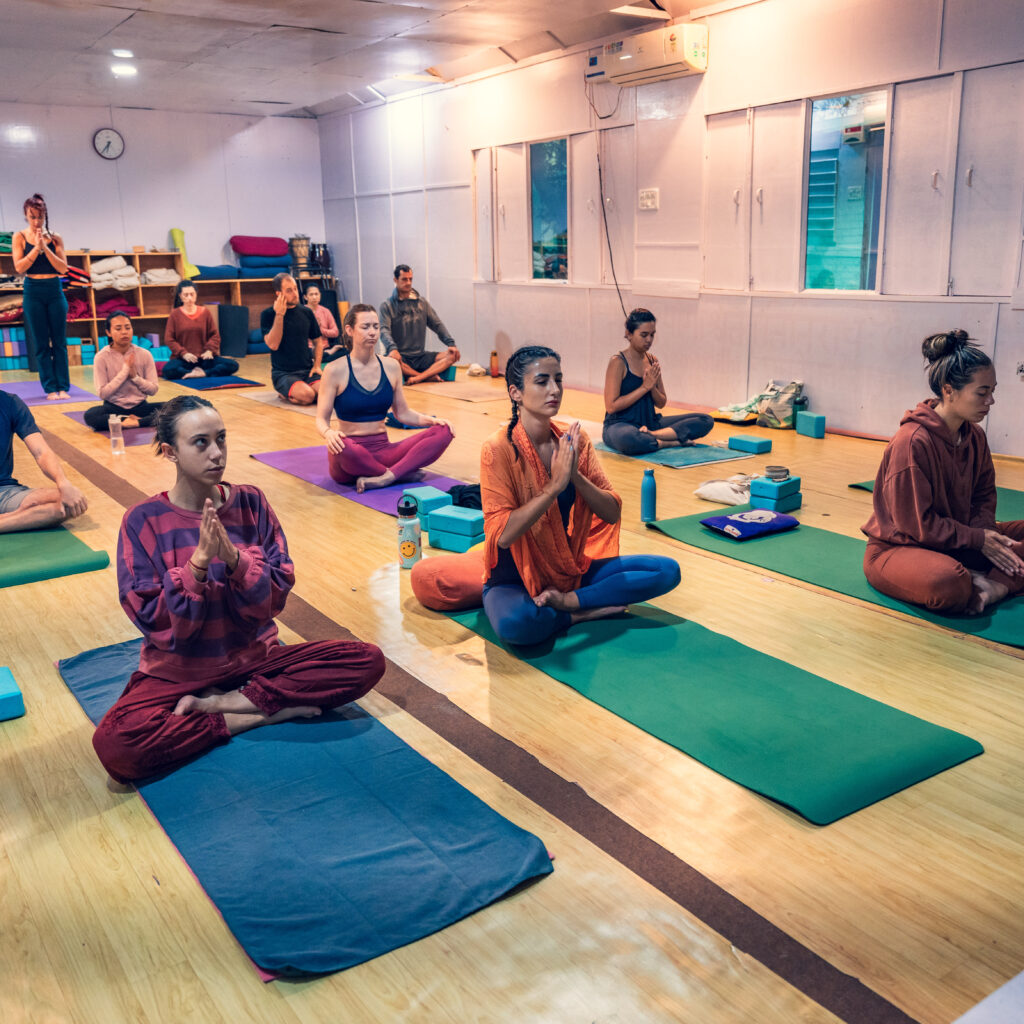
Best Yoga Center in Rishikesh - Gurukul Yogashala

How to Choose the Best Yoga Center in Rishikesh

With so many yoga schools and retreats in Rishikesh, selecting the right one can be overwhelming. Here are some important factors to consider before enrolling in a yoga training center in Rishikesh.

1. Authenticity and Accreditation

  • Choose a yoga teacher training school in Rishikesh that is registered with Yoga Alliance, USA.
  • Accreditation ensures that the school follows international teaching standards and provides globally recognized certification.
  • Established schools with years of experience are more reliable than newer ones.

2. Course Curriculum and Teaching Methodology

  • A well-structured yoga teacher training course should include:
    • Ashtanga Yoga and Hatha Yoga
    • Pranayama (breath control) and Meditation
    • Anatomy and Physiology
    • Yoga Philosophy and Ethics
    • Teaching Methodology and Alignment Techniques
  • Check if the curriculum aligns with your yoga goals and learning preferences.

3. Highly Experienced and Certified Teachers

  • The best yoga training centers in Rishikesh have experienced teachers with deep knowledge of traditional yoga practices.
  • Research the background of the instructors, including their certifications, experience and teaching style.

4. Type of Yoga Offered

  • If you’re interested in a specific type of yoga, choose a school that specializes in it. Some popular options include:
    • Ashtanga Yoga Center in Rishikesh – For dynamic, strength-based yoga
    • Hatha Yoga – For a traditional and slow-paced practice
    • Vinyasa Yoga – For a flow-based and creative practice
    • Kundalini Yoga – For spiritual awakening and energy balance

5. Course Options and Duration

6. Certification and Career Opportunities

  • Ensure that the yoga center in Rishikesh provides a Yoga Alliance certification.
  • Certified teachers can teach yoga internationally and build a successful career in wellness.

7. Accommodation and Food

  • The best yoga retreat centers in Rishikesh offer comfortable accommodation in serene surroundings.
  • A sattvic (yogic) diet is usually provided, which includes nutritious, plant-based meals that enhance your practice.

8. Location and Environment

  • A peaceful location away from city noise enhances the learning experience.
  • Many yoga schools in Rishikesh are situated near the Ganga River and surrounded by the Himalayan mountains, providing a spiritual and tranquil atmosphere.

9. Retreat Programs and Additional Activities

  • Some yoga retreat centers in Rishikesh offer meditation retreats, detox programs, and Ayurveda treatments.
  • Schools like Gurukul Yogashala organize visits to holy temples, caves, and spiritual sites to deepen the experience.

Why Gurukul Yogashala is the Best Yoga Center in Rishikesh

After evaluating all the key factors, Gurukul Yogashala stands out as one of the best yoga schools in Rishikesh. Here’s why:

1. Traditional and Authentic Teachings

  • Gurukul Yogashala follows a traditional and holistic approach to yoga.
  • Focuses on preserving the ancient yogic wisdom while integrating modern teaching techniques.

2. Highly Experienced Teachers

  • Learn from certified yoga instructors with over two decades of experience.
  • Teachers provide personalized guidance to each student.

3. Comprehensive Course Offerings

4. Yoga Alliance Certified Courses

  • All courses are Yoga Alliance USA certified, allowing students to become international yoga instructors.

5. Peaceful Location & Ashram Stay

  • Located near the Ganga River, surrounded by nature.
  • Provides ashram-style accommodation with a peaceful and spiritual ambiance.

6. Daily Yogic Routine & Lifestyle

  • Students follow a disciplined schedule including:
    • Morning meditation & pranayama
    • Asana practice & teaching methodology
    • Ayurvedic meals & holistic healing
    • Self-study & evening satsang (spiritual talks)

7. Community and Cultural Experience

  • Experience the true yogic lifestyle by connecting with like-minded students from all over the world.
  • Participate in fire ceremonies, mantra chanting and temple visits.

Conclusion: Start Your Yoga Journey in Rishikesh Today!

Choosing the best yoga center in Rishikesh is a crucial step in your yoga journey. Whether you’re looking for a yoga retreat, a teacher training program, or simply a place to deepen your practice, Rishikesh offers the perfect environment for transformation.

Gurukul Yogashala is one of the best yoga schools in Rishikesh, offering traditional yoga teacher training courses, immersive retreats and certified programs for aspiring yoga instructors.

Are you ready to begin your yoga journey in the spiritual heart of India?

Enroll today at Gurukul Yogashala and take your yoga practice to the next level!

ayurveda-yoga-teacher-training-course

Ayurveda Yoga Teacher Training Course: Begin your Journey of Learning at Gurukul Yogashala

Ayurveda and yoga are two ancient sciences that have been practiced for over 5,000 years, promoting holistic wellness and self-healing. The Ayurveda Yoga Teacher Training Course in Rishikesh is a unique program that integrates Ayurvedic principles with traditional yoga practices, offering a transformative learning experience.

At Ayushkama Ayur Yoga School, we provide a structured curriculum that enhances your knowledge, deepens your practice, and prepares you to become a certified yoga instructor. Whether you are a beginner or an advanced practitioner, this course will help you align your mind, body, and spirit for overall well-being.

This comprehensive guide will walk you through the details of the course, its benefits and why Rishikesh is the perfect place for your yoga teacher training.


What is the Ayurveda Yoga Teacher Training Course?

The Ayurveda Yoga Teacher Training Course combines the principles of Ayurveda with the practice of yoga to help individuals achieve physical, mental, and spiritual balance. It teaches students how to use natural healing methods to enhance their health and well-being.

  • Understanding Ayurveda & Yoga: Learn the foundations of Ayurveda and its integration with yoga for holistic health.
  • Personalized Wellness: Discover your dosha (body constitution) and learn how to create a balanced lifestyle based on Ayurvedic principles.
  • Therapeutic Yoga: Explore yoga as a therapy to address health conditions and promote healing.
  • Traditional Practices: Experience authentic yogic routines, including Shatkarma (cleansing techniques), Pranayama (breath control) and Meditation.
  • Certification: Upon completion, receive a Yoga Alliance-certified certificate, making you eligible to teach yoga worldwide.

This course is designed to empower individuals with self-healing techniques while also preparing them to guide others on their wellness journey.


Who Can Enroll in This Course?

This course is open to everyone, regardless of their experience level. Whether you are new to yoga or a seasoned practitioner, the training is tailored to support your growth.

  • Beginners: Learn foundational yoga and Ayurveda principles.
  • Yoga Practitioners: Deepen your knowledge and refine your teaching skills.
  • Healthcare Professionals: Integrate Ayurveda and yoga into holistic healing practices.
  • Wellness Enthusiasts: Adopt a healthier lifestyle with ancient wisdom.
  • Aspiring Yoga Teachers: Get certified with 200-hour, 300-hour or 500-hour Yoga Teacher Training Courses in Rishikesh.

If you are passionate about yoga and Ayurveda, this course will provide you with the knowledge, skills, and confidence to begin your journey as a certified yoga instructor.


What Makes This Course Special?

The Ayurveda Yoga Teacher Training Course in Rishikesh offers a unique blend of traditional wisdom and modern teaching methodologies. Here’s what sets this course apart:

1. Learn from Experienced Teachers

  • Our yoga instructors have years of experience and have trained under the guidance of renowned yoga masters.
  • Individual attention and personalized guidance are provided to every student.

2. Authentic & Traditional Curriculum

  • The curriculum is based on the teachings of classical texts such as the Yoga Sutras of Patanjali and Hatha Yoga Pradipika.
  • Training includes Ashtanga Yoga, Hatha Yoga, Meditation, Pranayama, and Ayurveda therapies.

3. Certification from Yoga Alliance USA

4. Holistic Yogic Routine

  • Shatkarma (cleansing techniques) for detoxification and purification.
  • Pranayama and Meditation for mental clarity and focus.
  • Sattvic diet (yogic food) to nourish the body and promote vitality.

5. Serene Learning Environment in Rishikesh

  • Located on the banks of the Ganga River with the Himalayas in the backdrop, Rishikesh is the Yoga Capital of the World.
  • The peaceful environment helps students immerse themselves in learning and self-transformation.

6. Practical Teaching Methodology

  • Teaching methodology sessions help students develop confidence, communication skills and class structuring techniques.
  • Hands-on training ensures students are well-prepared to teach Ayurveda and yoga worldwide.

Benefits of Ayurveda Yoga Teacher Training Course

Enrolling in an Ayurveda Yoga Teacher Training Course can transform your personal practice and open doors to new career opportunities. Here are some key benefits:

1. Deepen Your Yoga Practice

  • Improve flexibility, strength, and endurance.
  • Learn advanced asana (posture) alignment techniques.

2. Gain Profound Knowledge of Ayurveda

  • Understand how diet, lifestyle, and herbal remedies can enhance health.
  • Learn Ayurvedic therapies and treatments.

3. Become a Certified Yoga Teacher

  • Teach yoga confidently with an internationally recognized Yoga Alliance certification.
  • Start your career as a yoga instructor in studios, retreats, and wellness centers worldwide.

4. Improve Mental and Emotional Well-Being

  • Reduce stress, anxiety, and mental fatigue through mindfulness practices.
  • Enhance focus and concentration with meditation techniques.

5. Build a Healthy Lifestyle

  • Adopt daily Ayurvedic rituals (Dinacharya) to maintain optimal health.
  • Follow a Sattvic diet for a balanced and nourishing meal plan.

6. Experience Spiritual Growth

  • Connect with ancient yogic traditions and philosophies.
  • Practice self-discipline, self-awareness, and spiritual awakening.
Ayurveda Yoga Teacher Training Course in Rishikesh - Gurukul Yogashala

Course Curriculum Overview

1. Yoga Practices

  • Hatha Yoga and Ashtanga Yoga
  • Pranayama and Breathwork
  • Meditation and Mindfulness Techniques
  • Shatkarma (Cleansing Practices)

2. Ayurveda and Holistic Health

  • Introduction to Ayurveda
  • Ayurvedic Nutrition and Lifestyle
  • Understanding Doshas and Body Constitution
  • Herbal Remedies and Natural Healing

3. Teaching Methodology

  • How to conduct yoga classes effectively
  • Sequencing and class structuring
  • Adjustments and alignments
  • Ethics and philosophy of teaching yoga

4. Anatomy and Physiology

  • Understanding the human body from a yogic perspective
  • Effects of yoga on muscles, joints and organs
  • The connection between Ayurveda and bodily functions

Why Choose Ayushkama Ayur Yoga School in Rishikesh?

  1. Authentic Learning Experience: Traditional yoga and Ayurveda teachings in a spiritual environment.
  2. Highly Qualified Teachers: Learn from experts with decades of experience.
  3. Globally Recognized Certification: Certified by Yoga Alliance USA.
  4. Peaceful Ashram Stay: Comfortable accommodation with organic, Sattvic meals.
  5. Spiritual Environment: Participate in fire ceremonies, meditation, and temple visits.
  6. Comprehensive Curriculum: A perfect balance of theory, practice, and teaching methodologies.

Conclusion: Start Your Journey Today

The Ayurveda Yoga Teacher Training Course in Rishikesh is more than just a certification; it is a transformative journey towards a healthier, more balanced life. Whether you aim to deepen your personal practice, teach yoga or integrate Ayurveda into your lifestyle, this course will equip you with the knowledge and skills needed.

If you’re looking for the Best Yoga Teacher Training in Rishikesh, join Ayushkama Ayur Yoga School and embark on a path of self-discovery, healing and professional growth.

Are you ready to transform your life with yoga and Ayurveda? Enroll today!

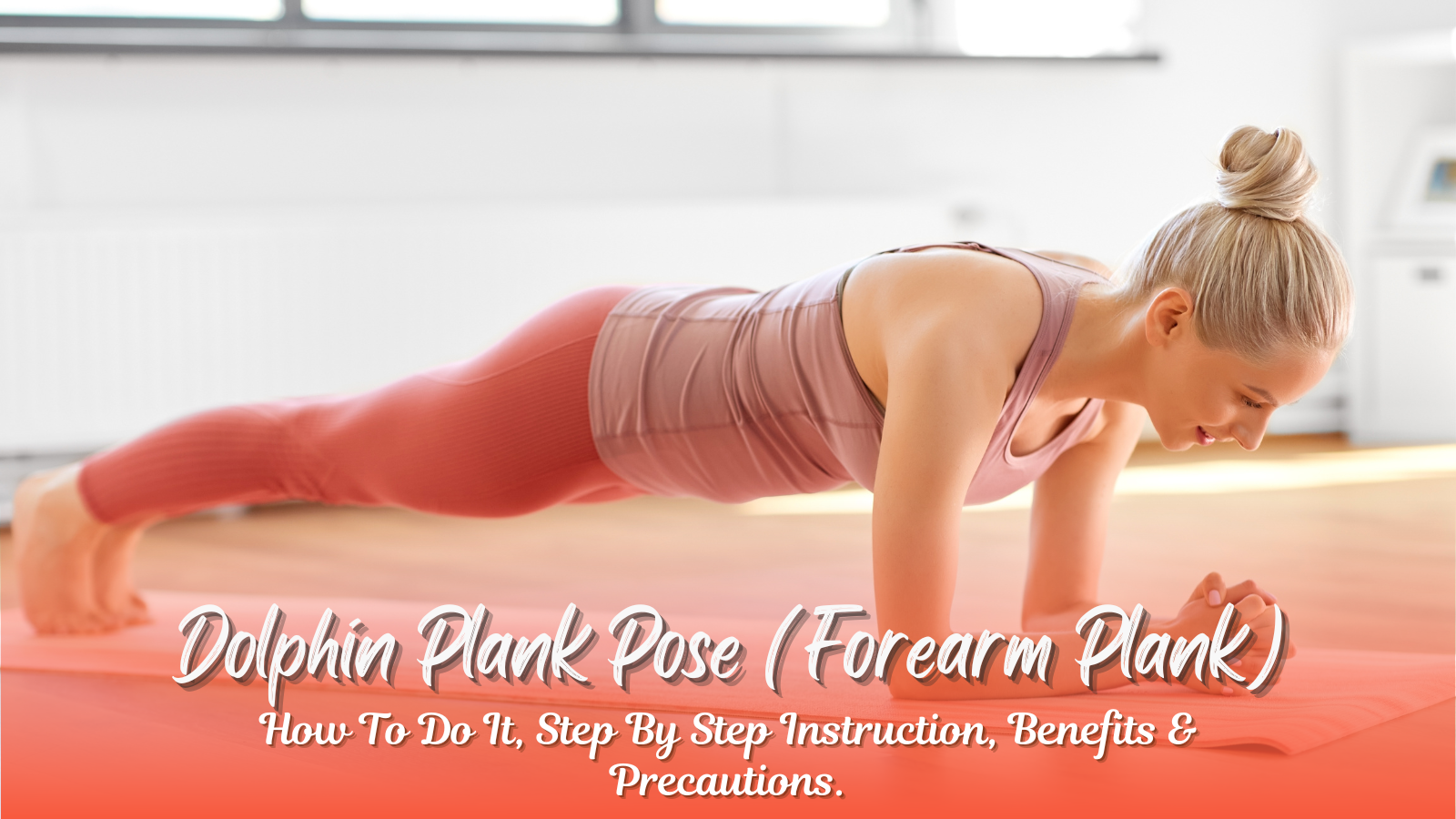
Dolphin Plank Pose

Dolphin Plank Pose (Forearm Plank) : How To Do IT, Benefits & Precautions

The Dolphin Plank Pose, also known as Forearm Plank, is a powerful yoga posture that strengthens the core, tones muscles and enhances overall stability. It is a variation of the traditional plank pose, offering additional challenges while reducing strain on the wrists. This pose is widely practiced in Hatha Yoga, Vinyasa Yoga and Power Yoga, making it a fundamental part of many fitness and yoga routines.

In this comprehensive guide, we will explore:

  • What is Dolphin Plank Pose?
  • Step-by-step instructions on how to do Dolphin Plank Pose
  • Benefits of Dolphin Plank Pose for the body and mind
  • Forearm Plank to Dolphin Pose transition
  • Common mistakes and how to fix them
  • Precautions and who should avoid this pose
  • Best Yoga Teacher Training in Rishikesh to master this pose

What is Dolphin Plank Pose?

The Dolphin Plank Pose is a strengthening asana that targets multiple muscle groups, including the core, shoulders, arms, and legs. It is a combination of Forearm Plank and Dolphin Pose, making it an excellent way to develop balance, endurance, and flexibility.

This pose is also known as Makara Adho Mukha Svanasana, derived from Sanskrit:

  • “Makara” – Dolphin
  • “Adho Mukha” – Downward Facing
  • “Svanasana” – Dog Pose

The Dolphin Plank Pose is ideal for building core strength and serves as a preparatory pose for advanced yoga postures, including headstands and arm balances.


How to Do Dolphin Plank Pose (Step-by-Step Instructions)

1. Start in Forearm Plank Position

  • Place your forearms parallel on the mat, shoulder-width apart.
  • Keep your elbows directly under your shoulders.
  • Extend your legs straight back, resting on the balls of your feet.

2. Engage Your Core and Align Your Body

  • Tighten your abdominal muscles to prevent sagging.
  • Keep your spine neutral and your hips aligned with your shoulders.
  • Maintain a straight line from head to heels.

3. Hold the Position

  • Keep your gaze slightly forward while maintaining steady breathing.
  • Engage your quadriceps and glutes to stabilize your lower body.
  • Hold for 30-60 seconds, increasing duration with practice.

4. Transition to Dolphin Pose (Optional)

  • If practicing Forearm Plank to Dolphin Pose, lift your hips upward into an inverted “V” shape.
  • Keep your forearms grounded while pressing your chest towards your thighs.

5. Release the Pose

  • Slowly lower your knees to the mat and rest in Child’s Pose.
  • Take deep breaths before repeating the pose.

Benefits of Dolphin Plank Pose

Physical Benefits

  • Strengthens the Core: Activates the abdominal muscles, lower back and obliques, improving overall core stability.
  • Tones Arms and Shoulders: Works on the deltoids, biceps, triceps, and upper back muscles, helping to build upper body strength.
  • Improves Balance and Endurance: Holding the pose engages stabilizing muscles, enhancing posture and coordination.
  • Enhances Flexibility: Opens up the shoulders, chest, and hamstrings, improving mobility.
  • Increases Spinal Strength: Encourages proper spinal alignment and back support, reducing lower back pain.

Mental and Emotional Benefits

  • Reduces Stress and Anxiety: Holding the pose while focusing on breathwork helps to calm the mind and relieve tension.
  • Improves Concentration: Requires mental focus and awareness, enhancing mindfulness.
  • Boosts Energy Levels: Increases circulation and oxygen flow, leaving practitioners feeling rejuvenated and alert.

Forearm Plank to Dolphin Pose Transition

One of the best variations of Dolphin Plank Pose is the transition between Forearm Plank and Dolphin Pose. This movement strengthens the shoulders, arms, and core while also improving flexibility.

How to Do It:

  1. Begin in Dolphin Plank Pose, keeping your forearms and toes grounded.
  2. Inhale and lift your hips towards the ceiling, forming an inverted “V”.
  3. Exhale and lower back into Dolphin Plank Pose, maintaining core engagement.
  4. Repeat for 5-10 reps, controlling the movement throughout.

This transition is particularly helpful for preparing the body for headstands and advanced inversions.

Dolphin Plank Pose

Common Mistakes and How to Fix Them

Dropping the Hips Too Low → Keep them aligned with shoulders and heels to prevent lower back strain.
Overarching the Lower Back → Engage the core to avoid pressure on the spine.
Elbows Too Wide Apart → Keep them directly under the shoulders for better support.
Holding the Breath → Breathe deeply to maintain stability and endurance.


Precautions and Who Should Avoid This Pose

Avoid if you have:

  • Wrist, shoulder, or lower back injuries
  • High or low blood pressure
  • Recent abdominal surgery

Modify if needed:

  • Place knees on the floor for extra support.
  • Use a yoga block under the forearms to reduce strain.

Best Yoga Teacher Training in Rishikesh for Mastering Dolphin Plank Pose

For those looking to deepen their yoga practice, enrolling in a Yoga Teacher Training School in Rishikesh is an excellent option. Rishikesh, known as the Yoga Capital of the World, offers authentic and traditional yoga education.

Recommended Yoga Teacher Training Courses:

A Yoga Teacher Training School in Rishikesh provides structured learning, experienced instructors, and an immersive environment to refine asana practice.


Conclusion: Why You Should Practice Dolphin Plank Pose Regularly

The Dolphin Plank Pose is an essential yoga posture that enhances core strength, stability and flexibility. Whether you want to build endurance, improve balance, or prepare for advanced inversions, this pose offers significant benefits.

Key Takeaways:

✔ Strengthens and tones core, shoulders, and arms
✔ Improves flexibility and spinal alignment
✔ Reduces stress and enhances concentration
✔ Perfect for beginners and advanced practitioners

By incorporating Dolphin Plank Pose into your yoga routine, you can experience greater strength, improved posture, and mental clarity. For those serious about advancing their practice, joining a Yoga Teacher Training School in Rishikesh can provide expert guidance and structured learning.

Start practicing Dolphin Plank Pose today and unlock the benefits of this powerful yoga posture.

padangusthasana

Padangusthasana (Hand-To-Big-Toe Pose): 5 Benefits, Steps & Variations of Hand-to-Big-Toe Pose

Are you looking to improve flexibility, balance and focus? Padangusthasana or Hand-to-Big-Toe Pose, is an incredible yoga asana that enhances strength, stability and mindfulness. Whether you’re a beginner or an advanced yogi, mastering this pose can deepen your practice and elevate your body awareness.

In this guide, we’ll explore:
✔️ What is Padangusthasana?
✔️ How to do Padangusthasana step by step
✔️ Different variations like Utthita Hasta Padangusthasana & Supta Padangusthasana
✔️ Benefits of Padangusthasana for body and mind
✔️ Common mistakes & modifications

So, let’s dive in and unlock the power of Padangusthasana!


What is Padangusthasana?

Padangusthasana (पादाङ्गुष्ठासन) comes from Sanskrit:

  • “Pada” – Foot
  • “Angustha” – Big Toe
  • “Asana” – Pose

This standing forward bend involves holding the big toes with your fingers, helping to stretch the hamstrings, strengthen the legs and improve balance. It is also a foundational pose for more advanced yoga postures like Utthita Hasta Padangusthasana and Supta Padangusthasana.


How to Do Padangusthasana (Step by Step Guide)

Follow these simple steps to practice Padangusthasana safely:

1. Starting Position (Tadasana – Mountain Pose)

  • Stand tall with feet hip-width apart.
  • Keep your spine straight, shoulders relaxed and arms by your sides.

2. Forward Bend & Grip the Toes

  • Inhale, engage your core and slowly hinge forward from the hips.
  • Keep your legs straight and bend as much as your flexibility allows.
  • Hold your big toes with your index and middle fingers, wrapping your thumb around.

3. Deepen the Pose

  • As you exhale, gently pull on your toes, bringing your chest closer to your thighs.
  • Keep a micro-bend in the knees if you have tight hamstrings.

4. Hold the Pose & Breathe

  • Hold for 30-60 seconds, breathing deeply.
  • Keep your neck relaxed and focus on lengthening your spine.

5. Release & Return to Standing

  • Inhale, engage your core and slowly come back up to standing.
  • Exhale and relax in Tadasana (Mountain Pose).

Variations of Padangusthasana

If you want to modify or advance your practice, try these variations:

1. Supta Padangusthasana (Reclining Hand-to-Big-Toe Pose)

  • Lie on your back, extend one leg upward, and hold your big toe with your hand.
  • This is excellent for hamstring flexibility and spinal alignment.

2. Utthita Hasta Padangusthasana (Extended Hand-to-Big-Toe Pose)

  • Balance on one leg while extending the other straight forward.
  • Enhances focus, core strength, and leg stability.

3. Ubhaya Padangusthasana (Both-Big-Toe Pose)

  • Sit with legs extended, grab both big toes and lift your legs off the floor.
  • Strengthens the core and improves balance.

4. Hasta Padangusthasana (Hand-to-Big-Toe Forward Bend)

  • A deeper version of Padangusthasana that requires advanced flexibility.

5. Parivrtta Hasta Padangusthasana (Revolved Hand-to-Big-Toe Pose)

  • A twisting variation that enhances spinal mobility and balance.

Benefits of Padangusthasana (Why You Should Practice It)

Physical Benefits

Improves flexibility – Stretches hamstrings, calves, and lower back.
Strengthens legs & feet – Engages quadriceps and improves stability.
Enhances balance & posture – Helps in standing tall with a strong core.
Stimulates digestion – The forward bend massages abdominal organs.
Relieves back pain – Decompresses the lower spine.

Mental & Emotional Benefits

Reduces stress & anxiety – Encourages deep breathing and relaxation.
Increases focus & concentration – Helps calm the mind.
Boosts energy levels – Activates circulation and refreshes the body.


Common Mistakes & How to Fix Them

Rounding the Back → Keep your spine long and straight.
Locking the Knees → Always maintain a micro-bend in the knees.
Forcing the Stretch → Avoid pulling too hard; let flexibility develop naturally.
Not Engaging the Core → Activate your abdominal muscles for better balance.


Precautions & Who Should Avoid This Pose

Avoid if you have:

  • Severe back pain or slipped disc
  • Knee or hamstring injuries
  • Dizziness or vertigo
  • High or low blood pressure

If you have tight hamstrings, use a yoga strap around your toes for support.


Best Yoga Teacher Training in Rishikesh for Learning Padangusthasana

Want to deepen your yoga practice? Join the Best Yoga Teacher Training in Rishikesh, where you can learn Padangusthasana and other asanas in a structured course.

Top programs include:
A. 200 Hour Yoga Teacher Training Course in Rishikesh – Beginner-friendly training covering Hatha, Ashtanga & Vinyasa Yoga.
B. 300 Hour Yoga Teacher Training in Rishikesh – Advanced course for deepening asana, pranayama and meditation.
C. 500 Hour Yoga Teacher Training in Rishikesh – Comprehensive certification for becoming a professional yoga teacher.

A Yoga Teacher Training School in Rishikesh is the best place to immerse yourself in authentic yogic wisdom and practice.

Benefits of Practicing Padangusthasana

Padangusthasana, also known as the Hand-To-Big-Toe Pose, is a popular yoga posture that offers numerous benefits for the mind, body and soul. This pose may seem simple at first glance but has many deep-seated advantages that can enhance one’s overall well-being. In this section, we will explore the various benefits of practicing Padangusthasana.

1. Improves balance and stability: Maintaining balance and stability is crucial in our daily lives to prevent falls and injuries. Practicing Padangusthasana helps to improve proprioception (the awareness of one’s body in space) by strengthening the muscles in the feet, ankles, legs and core.

2. Increases flexibility: The primary focus of Padangusthasana is on stretching the hamstrings and calves. Regular practice of this pose helps to lengthen these muscles and improve overall flexibility in the lower body.

3. Tones abdominal muscles: As you reach forward to grab your big toe in this pose, you engage your core muscles which help strengthen and tone them over time. Strong abdominal muscles not only give you a toned appearance but also support proper posture.

4. Stimulates digestion: The compression on the abdomen created by this pose massages the digestive organs, promoting better digestion and relieving constipation.

5. Relieves stress and anxiety: Holding onto your big toe while balancing on one leg requires concentration and focus which helps calm an overactive mind. The combination of physical movement with mindful breathing can reduce stress levels and promote relaxation.

6. Energizes the body: This standing pose requires effort from multiple muscle groups simultaneously, making it an excellent exercise for boosting energy levels throughout the day.

7. Stretches hips and thighs: In addition to targeting hamstrings and calves, Padangusthasana also stretches hip flexors (iliopsoas) which tend to become tight due to long periods of sitting.

8. Improves posture: Regular practice of this pose can improve posture by strengthening the muscles that support the spine and promoting proper alignment of the body.

9. Enhances focus and concentration: Balancing on one leg while maintaining a steady gaze can help to improve focus and concentration, which is beneficial in daily life as well as other physical activities.

10. Builds self-confidence: As with any challenging yoga pose, mastering Padangusthasana can boost self-confidence and leave you feeling accomplished and empowered.

Practicing Padangusthasana offers numerous benefits for both the body and mind. It is a versatile pose that can be modified for different levels of flexibility and strength. Include this pose in your yoga practice to experience its many advantages and improve your overall well-being.

Conclusion: Why You Should Practice Padangusthasana Regularly

Padangusthasana is a must-have pose in your yoga routine. It enhances flexibility, balance, and focus while relieving stress and tension. Whether you’re a beginner or an advanced practitioner, this pose will help you achieve greater mind-body awareness.

Tip: If you’re serious about mastering this pose, consider joining a yoga teacher training school in Rishikesh to refine your technique and deepen your understanding of yoga.

Start practicing Padangusthasana today and take your yoga journey to the next level!

cat-pose

Cat Pose (Marjaryasana): A Complete Guide to Benefits, Steps & Precautions

Cat Pose, also known as Marjaryasana, is a fundamental yoga posture that offers numerous benefits for the spine, flexibility and mental relaxation. Often paired with Cow Pose (Bitilasana) in the Pose sequence, this yoga movement helps improve posture, strengthen the core and enhance coordination.

If you’re looking to explore yoga, whether as a beginner or as part of a structured practice like the Best Yoga Teacher Training in Rishikesh, understanding the proper execution of Pose and its variations is essential.

Let’s dive into what is Cat Pose and its benefits, how to do this pose step by step and important modifications and precautions to keep in mind.


Benefits of Cat Pose (Marjaryasana)

The Cat Pose offers multiple physical, mental and emotional benefits. Whether you practice this pose in Yoga regularly or integrate it into a longer session like the 200 Hour Yoga Teacher Training Course in Rishikesh, here are some of the top benefits:

Physical Benefits of Cat Pose

Enhances Spinal Flexibility:

  • Improves the range of motion in the spine, neck and shoulders
  • Reduces stiffness caused by prolonged sitting

Strengthens Core & Back Muscles:

  • Activates the abdominal muscles
  • Supports lower back health

Improves Posture & Alignment:

  • Helps in correcting spinal misalignment
  • Prevents slouching or rounded shoulders

Stimulates Digestion & Detoxification:

  • Massages internal abdominal organs
  • Aids in relieving constipation and bloating

Relieves Tension in Neck & Shoulders:

  • Releases tightness in the upper back and traps
  • Reduces strain from prolonged screen time

Mental & Emotional Benefits of Cat Pose

Reduces Stress & Anxiety:

  • Encourages mindful breathing
  • Helps in calming the nervous system

Promotes Relaxation & Mental Clarity:

  • Improves focus and concentration
  • Reduces mental fatigue

Encourages Mind-Body Awareness:

  • Deepens the connection between movement and breath
  • Helps in cultivating body mindfulness

Step-by-Step Guide on How to Do Cat Pose

Step 1: Start in Tabletop Position

  • Come onto all fours with hands directly under shoulders and knees under hips.
  • Keep the spine in a neutral position.

Step 2: Move into Cow Pose (Bitilasana) – Inhale

  • Drop the belly towards the floor.
  • Lift the chest and tailbone, creating an arch in the back.
  • Look slightly upward, keeping the neck relaxed.

Step 3: Transition into Marjaryasana – Exhale

  • Round the spine, tucking the chin into the chest.
  • Engage the core and draw the belly button inward.
  • Press through the palms and knees to create a deeper stretch.

Step 4: Flow Between Marjaryasana & Cow Pose

  • Continue to move between Marjaryasana and Cow Pose for 5-10 breaths.
  • Sync the breath with movement, inhaling in Cow Pose and exhaling in Marjaryasana.

Cat Pose Variations & Modifications

If you’re looking for a challenge or modification, here are different ways to practice Marjaryasana or Downward Dog in 1-Across for a deeper experience:

1. Supta Baddha Konasana with Marjaryasana Flow

  • Lie on your back in Supta Baddha Konasana (Reclining Butterfly Pose).
  • Incorporate gentle Marjaryasana movements by engaging the core and lifting the chest.

2. Marjaryasana with 3D Pose Cat Visualizations

  • Utilize 3D Pose Cat references to perfect alignment.
  • Focus on full-body awareness and spinal articulation.

3. Seated Cat Pose for Office Workers

  • Perform a modified Marjaryasana while sitting on a chair.
  • Great for desk workers experiencing stiffness.

4. Cat Pose with Blocks for Wrist Support

  • Place yoga blocks under your hands to reduce wrist pressure.

5. Marjaryasana or Downward Dog Transition

  • Flow into Downward Dog (Adho Mukha Svanasana) for a deeper stretch.
  • Enhances full-body flexibility and core engagement.

Precautions & Safety Tips for Cat Pose

Avoid If You Have Recent Back Injuries

  • If you have chronic back pain or herniated discs, modify the pose with gentle movements.

Modify for Wrist Sensitivity

  • Use padded yoga mats or rest on fists instead of palms.

Practice on a Soft Surface for Knee Support

  • If knees feel sensitive, place a folded blanket under them.

Do Not Rush Movements

  • Move slowly and mindfully to avoid unnecessary strain.

Pregnancy Considerations

  • Pregnant individuals should avoid deep spinal flexion and use seated modifications.

Incorporating Cat Pose into Your Yoga Practice

Whether you are practicing at home or enrolling in a structured yoga program like the 500 Hour Yoga Teacher Training in Rishikesh, integrating Cat Pose can significantly improve your flexibility, posture, and relaxation.

Yoga Sequences Featuring Cat Pose

1. Beginner Sequence:

  • Tadasana (Mountain Pose)
  • Cat Cow Pose Flow
  • Balasana (Child’s Pose)

2. Advanced Sequence:

  • Cat Pose to Urdhva Dhanurasana (Wheel Pose)
  • Cat Pose to Chakrasana (Full Wheel Pose)
  • Cat Pose with Dynamic Shoulder Rolls
How to do Cat Pose Marjaryasana - Best Yoga teacher training School in Rishikesh

Why Learn Cat Pose in Rishikesh?

Rishikesh is known as the Yoga Capital of the World, offering the Best Yoga Teacher Training in Rishikesh for beginners and advanced practitioners alike. If you’re serious about deepening your practice, consider joining:

200 Hour Yoga Teacher Training Course in Rishikesh (Perfect for Beginners)
300 Hour Yoga Teacher Training in Rishikesh (Intermediate Level)
500 Hour Yoga Teacher Training in Rishikesh (Master Level)


Conclusion: Why Cat Pose Should Be in Your Daily Routine

Cat Pose is a simple yet effective yoga pose that helps with spinal health, stress relief and posture correction. Whether you practice it alone or as part of a Cat Cow Pose yoga flow, it’s an essential asana for all levels.

By incorporating Cat Pose or Downward Dog transitions, exploring 3D Pose Cat references or learning through a yoga teacher training school in Rishikesh, you can enhance your flexibility and mindfulness.

Ready to deepen your practice? Start today and experience the benefits of Cat Pose!

Bridge Pose

Bridge Pose (Setu Bandha Sarvangasana): How To Do It, Benefits & Precautions

Bridge Pose, also known as Setu Bandha Sarvangasana, is a versatile and rejuvenating yoga posture that offers profound benefits for the body and mind. Whether you’re a beginner exploring supported poses or an advanced practitioner delving into challenging variations, Bridge Pose yoga has something to offer for everyone. In this blog, we’ll dive deep into the benefits of Bridge Pose, step-by-step instructions, variations, and precautions to ensure you practice it effectively.


What is Bridge Pose?

  • Bridge Pose Defined
    • Sanskrit Name: Setu Bandha Sarvangasana.
    • The pose resembles the structure of a bridge, hence its name.
    • It is a backbend posture that promotes strength, flexibility, and relaxation.
  • Why It’s Popular
    • Known for its calming and energizing effects, the yoga Bridge Pose is a favorite in restorative and dynamic sequences alike.

How to Do Bridge Pose: Step-by-Step Guide

Mastering the Bridge Pose requires proper alignment and breath control. Here’s how to do it:

  1. Start with the Basics
    • Lie down on your back on a yoga mat.
    • Bend your knees and place your feet hip-width apart, with your heels close to your glutes.
    • Keep your arms by your sides, palms facing down.
  2. Engage the Feet and Core
    • Press firmly into your feet, ensuring equal distribution of weight across the big toe mound, little toe mound, inner heel and outer heel.
    • Engage your core muscles to support the lift.
  3. Lift the Hips
    • Inhale deeply and slowly raise your hips toward the ceiling.
    • Maintain alignment by keeping your knees above your ankles.
  4. Interlace the Fingers
    • Roll your shoulders underneath your body and interlace your fingers beneath your hips for extra lift.
  5. Open the Chest and Hold the Pose
    • Expand your chest and create space in the throat.
    • Hold the pose for 5–10 breaths, focusing on even, steady breathing.
  6. Release Safely
    • Exhale as you slowly lower your hips back to the mat.
    • Rest for a few breaths before transitioning to the next pose.

Benefits of Bridge Pose Yoga

Practicing the yoga Bridge Pose regularly brings a plethora of benefits for the mind and body:

  • Physical Benefits
    • Strengthens the Back and Glutes: Engages and tones the lower back, hamstrings and glutes.
    • Improves Spinal Flexibility: Helps maintain a healthy, flexible spine.
    • Opens the Chest and Shoulders: Counteracts the effects of poor posture caused by sitting for long hours.
    • Enhances Hip Flexor Mobility: Provides a deep stretch to tight hip flexors, promoting greater mobility.
    • Supports Thyroid Health: Stimulates the thyroid gland through gentle throat compression.
  • Mental Benefits
    • Relieves Stress: Acts as a gentle inversion, calming the nervous system and reducing stress.
    • Boosts Energy: Improves blood circulation, leaving you feeling revitalized.
    • Promotes Focus: Encourages mindfulness by synchronizing movement with breath.

Bridge Pose Variations for All Levels

To make your practice more engaging and cater to different skill levels, try these variations:

  • Supported Bridge Pose:
    • Place a yoga block under your sacrum for support.
    • Ideal for beginners or those with lower back discomfort.
  • Advanced Bridge Pose:
    • Deepen the backbend by lifting your chest higher and clasping your hands more firmly.
    • Suitable for experienced yogis looking for a challenge.
  • One-Legged Bridge Pose:
    • Lift one leg straight toward the ceiling while holding the traditional Bridge Pose.
    • Enhances balance, strength, and core stability.
  • Dynamic Bridge Pose:
    • Flow between lifting and lowering your hips in sync with your breath.
    • Adds a cardio element to your practice.
  • Revolved Bridge Pose:
    • Incorporate a gentle twist by moving your hips slightly to one side.
    • Stimulates the digestive system and increases spinal mobility.

Benefits of Bridge Pose in Yoga Teacher Training

For those pursuing yoga teacher training programs, mastering Bridge Pose is essential:


Precautions and Modifications for Bridge Pose

Precautions:

  • Avoid the pose if you have neck, shoulder or spinal injuries.
  • Pregnant women should opt for supported variations or avoid the pose entirely after the first trimester.
  • Practice caution if you have high blood pressure or migraines.

Modifications:

  • Use a yoga block for added support under the sacrum.
  • Keep your feet wider apart for better stability.
  • Place a folded blanket under your shoulders to ease the strain on your neck.
How to do Bridge Pose Setu Bandha Sarvangasana Benefits - Best yoga teacher training in Rishikesh

Incorporating Poses on a Bridge Into Your Yoga Routine

Bridge Pose fits seamlessly into various yoga routines:

  • Morning Yoga:
    • Kickstart your day with a gentle flow, including Bridge Pose for an energy boost.
  • Evening Practice:
    • Use the Supported Bridge Pose to relax and wind down after a long day.
  • Strengthening Sequences:
    • Combine it with poses like Plank and Warrior II for a full-body workout.
  • Restorative Yoga:
    • Include the one legged bridge pose with props for a calming, meditative experience.

FAQs About Bridge Pose

  • What are the yoga Bridge Pose benefits?
    • It strengthens the back, glutes, and legs, improves spinal flexibility, and calms the mind.
  • Can beginners practice Bridge Pose?
    • Yes! Start with Supported Bridge Pose and gradually progress to more advanced versions.
  • What are the benefits of Bridge Pose in yoga for advanced practitioners?
    • Enhances core strength, balance, and flexibility when practiced with variations like the One-Legged Bridge Pose.
  • What are the precautions for practicing Bridge Pose?
    • Avoid the pose if you have neck or back injuries, and always practice with proper alignment.

Conclusion: Why Bridge Pose Should Be in Your Yoga Routine

Bridge Pose (Setu Bandha Sarvangasana) is a timeless yoga posture that bridges the gap between strength and relaxation. From supported Bridge Pose for beginners to advanced Bridge Pose variations, this pose is adaptable for every yogi. Its physical and mental benefits make it a cornerstone in routines across all levels. Whether you’re pursuing a 200 Hour Yoga Teacher Training Course in Rishikesh or simply enhancing your home practice, incorporating Bridge Pose can elevate your yoga journey.

So, roll out your mat, breathe deeply, and let Bridge Pose open new pathways to strength, flexibility, and mindfulness!