The Importance Of Proper Meditation Posture

The Importance Of Proper Meditation Posture – Everything You Need To Know

Many people practice meditation, yet often wonder if their posture is correct. A quick scroll through social media reveals many incorrect practices. Just like in asana, posture in meditation is crucial. Incorrect posture can hinder your progress or even lead to discomfort. If you’re seeking to refine your meditation practice, consider a yoga teacher training school in Rishikesh. Gurukul Yogashala, a leading traditional yoga school in India, offers in-depth knowledge on this essential aspect of meditation. This article will also provide valuable insights into achieving the proper meditation posture.

The Importance Of Proper Meditation Posture

While various meditation techniques exist, the number of effective meditation postures is relatively limited. Maintaining an erect spine is paramount for alertness during meditation. Regular practitioners can explore different postures to find what resonates best. Props such as cushions, bolsters, and yoga bricks can aid in achieving optimal positioning. These nuances are explored in detail in a 200 hour yoga teacher training course in Rishikesh, where experienced teachers, who have dedicated years to perfecting their own practice, provide expert guidance.

Proper posture is essential for minimizing distractions and accessing deeper states of consciousness. Meditation heavily relies on breath control, and correct posture facilitates deeper, more focused breathing. While sitting is the most common meditation posture, kneeling, lying down, and standing positions are also practiced. Let’s explore four key meditation postures:

1. Sitting Posture for Meditation

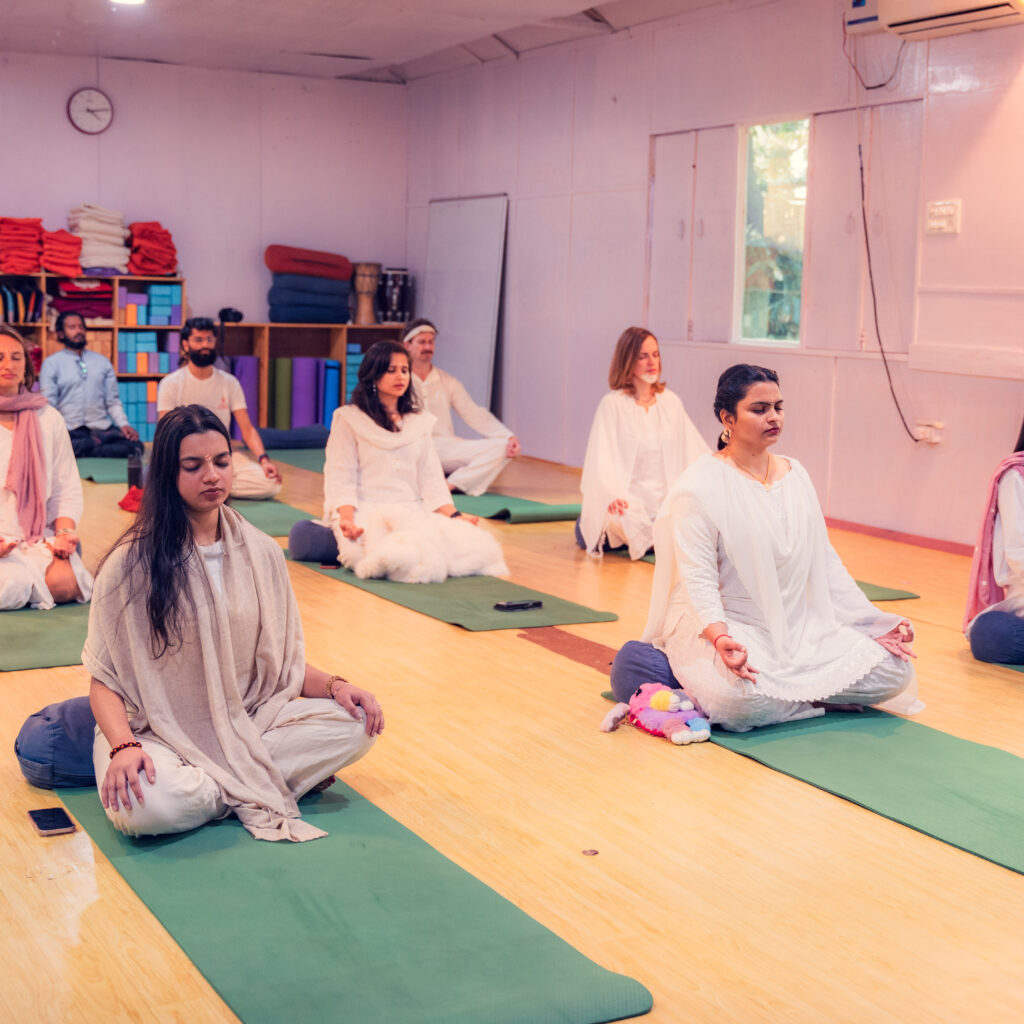
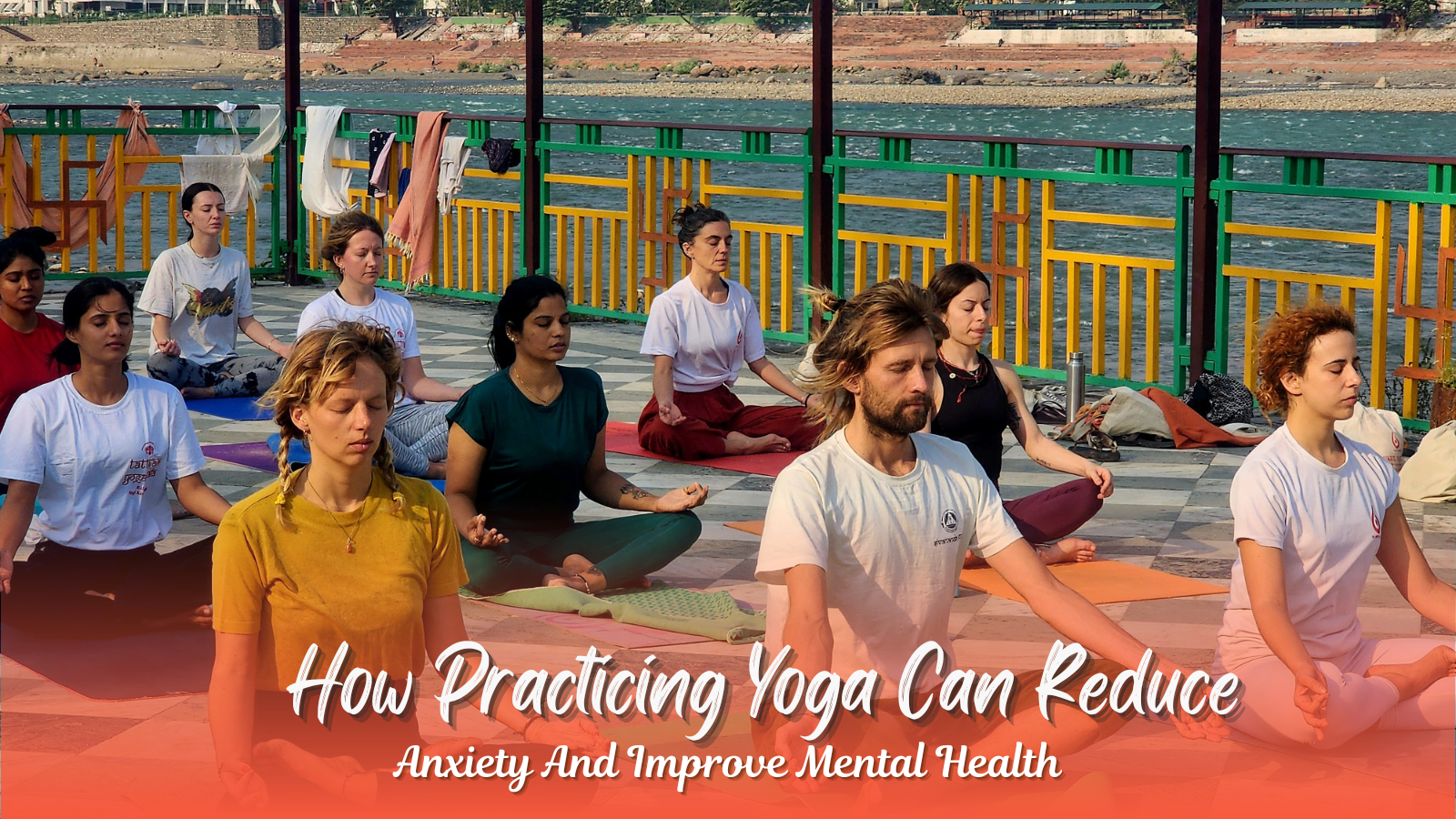
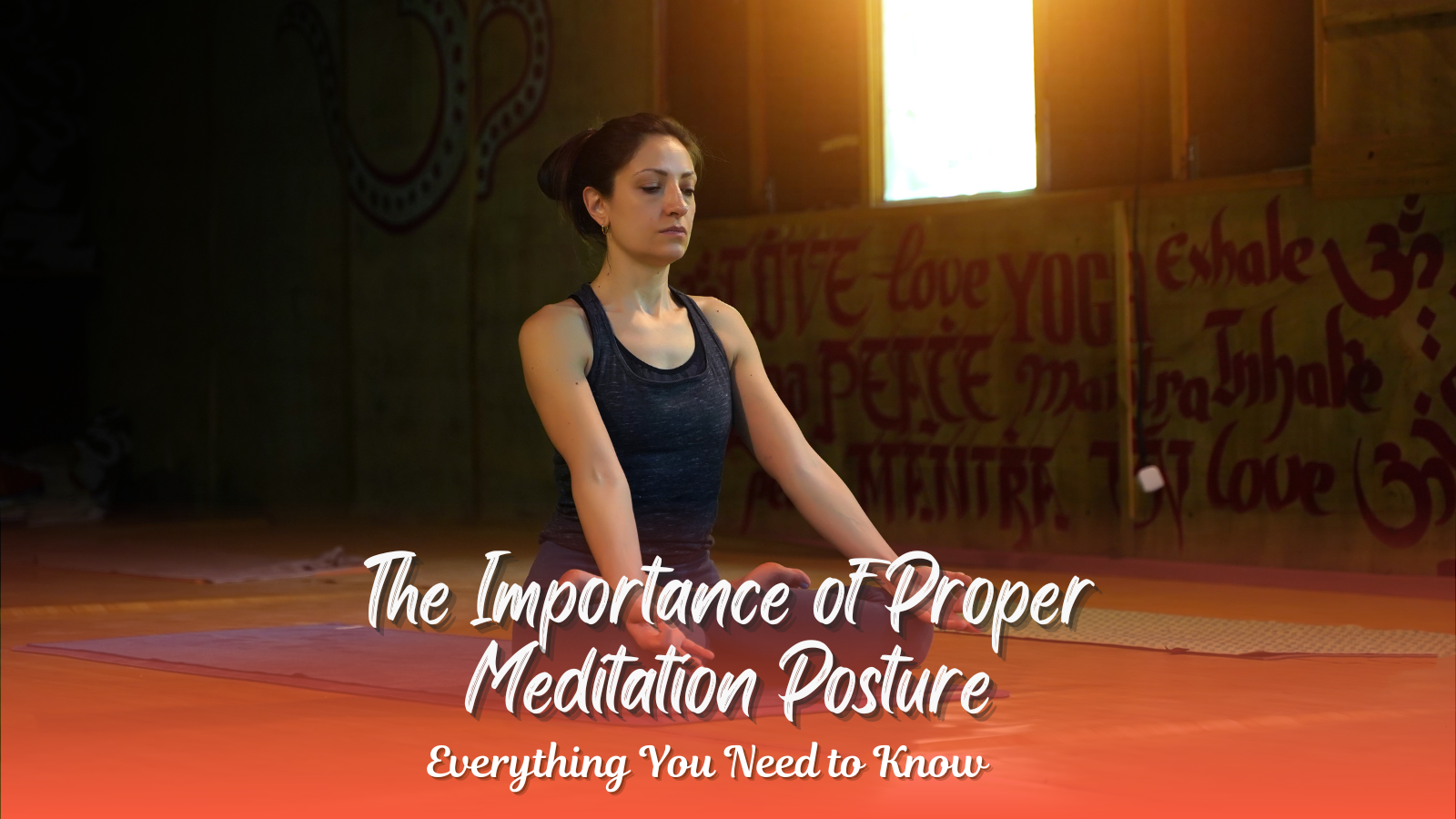
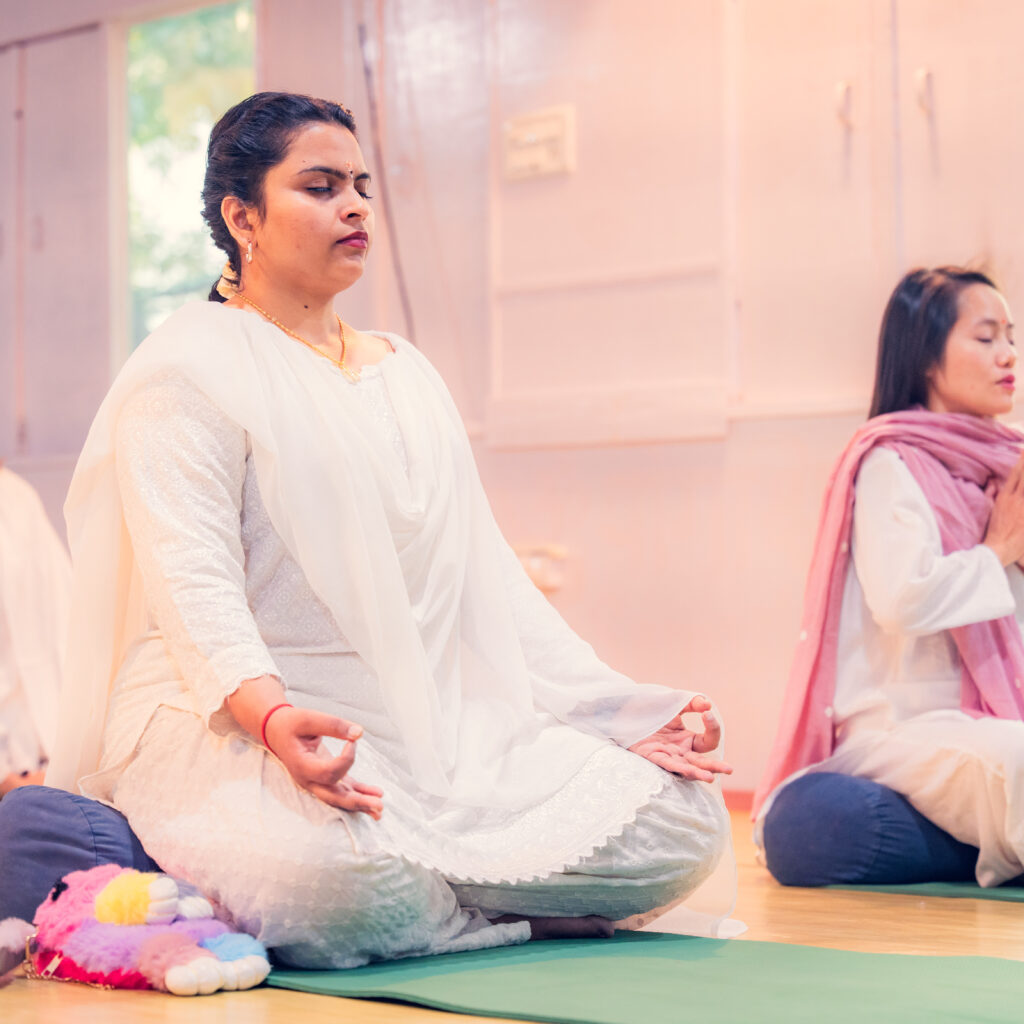
The sitting posture is the most prevalent. When sitting cross-legged, use a blanket or cushion to elevate the hips slightly above the knees, promoting an erect spine. Sitting on a chair with feet flat on the floor is also a viable option. When seated, adhere to this seven-point meditation posture checklist:

  • Comfortable Seating: Find a comfortable seated position, whether on a mat with crossed legs (Burmese meditation posture or similar) or on a chair.
  • Erect Spine: Maintain a naturally straight spine, avoiding slouching or excessive arching. This is key for proper meditation posture.
  • Hand Placement: Rest your hands gently on your lap, knees, or by your sides, optionally incorporating a mudra. Keep them still throughout the practice.
  • Relaxed Shoulders: Ensure your shoulders are relaxed, not hunched or overly extended.
  • Tucked Chin: Gently tuck your chin towards your chest at approximately a 20-degree angle, keeping your head straight to maintain a relaxed neck.
  • Relaxed Jaw: Relax your jaw muscles by gently moving your jaw side to side and up and down.
  • Soft Gaze: Either close your eyelids or maintain a soft, unfocused gaze on a point in front of you. This is the correct buddhist meditation posture whether the eyes are open or closed.
The Importance Of Proper Meditation Posture

2. Kneeling Posture

Kneeling is another beneficial meditation posture, particularly for floor meditation. Use pillows or a folded blanket under your knees for support and to prevent discomfort. This support helps maintain spinal alignment. Relax your hands or rest them on your knees. This posture can be helpful for those who struggle to maintain an erect spine in a cross-legged position. Keep the neck and head relaxed with the chin slightly tucked. This is a common meditation posture for beginners.

3. Lying Down Position

Some prefer meditating while lying down, especially at night. Comfort is essential. Prop your head slightly with a pillow or place a cushion under your knees. Gently elongate your spine and stretch your legs. Rest your hands on your chest, stomach, or sides, whichever feels most natural. Focus on your breath for optimal results.

4. Standing Position

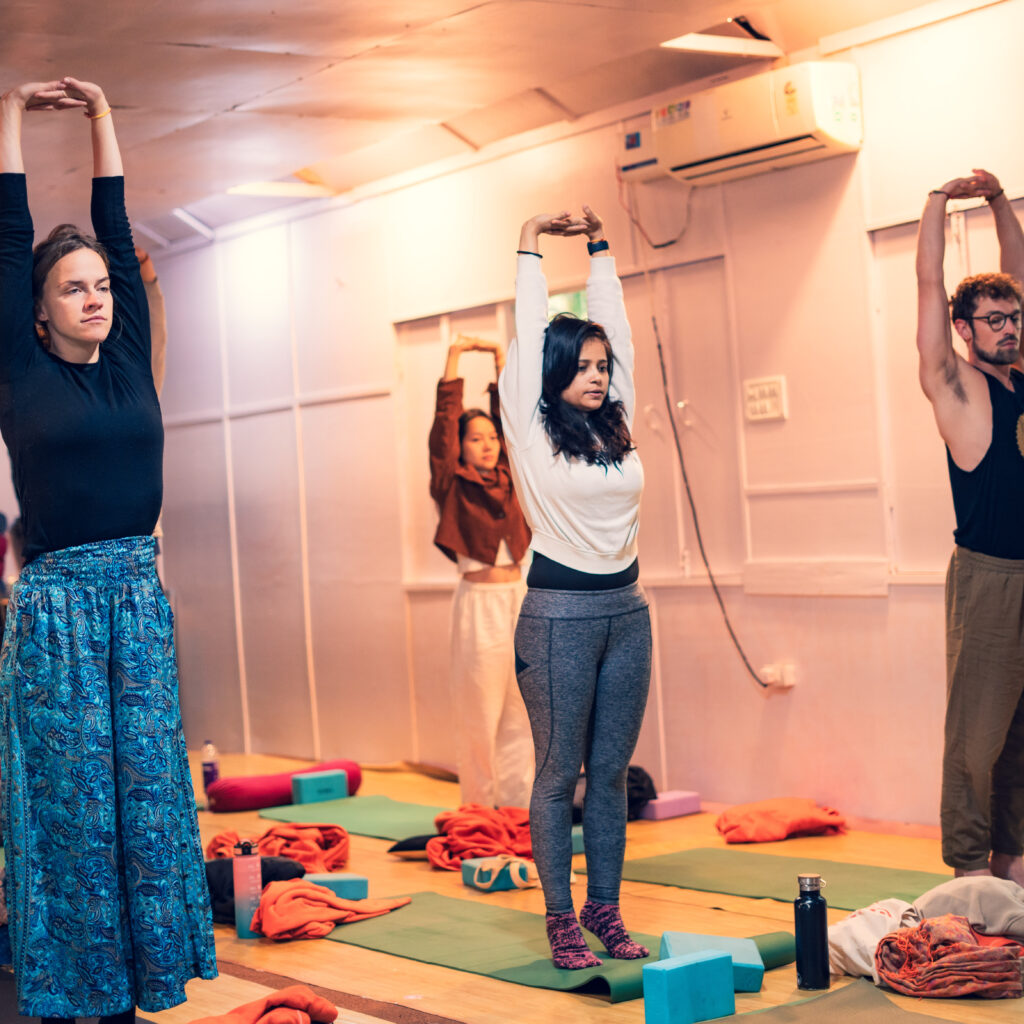
Standing meditation can strengthen the body and is suitable for those who find sitting uncomfortable. Plant your feet firmly on the ground, visualizing a connection to the earth. Relax your limbs by gently shaking them. Ensure there’s no tension in your body. You can close or keep your eyes open. If you notice any tension, consciously relax.

Using Props in Meditation

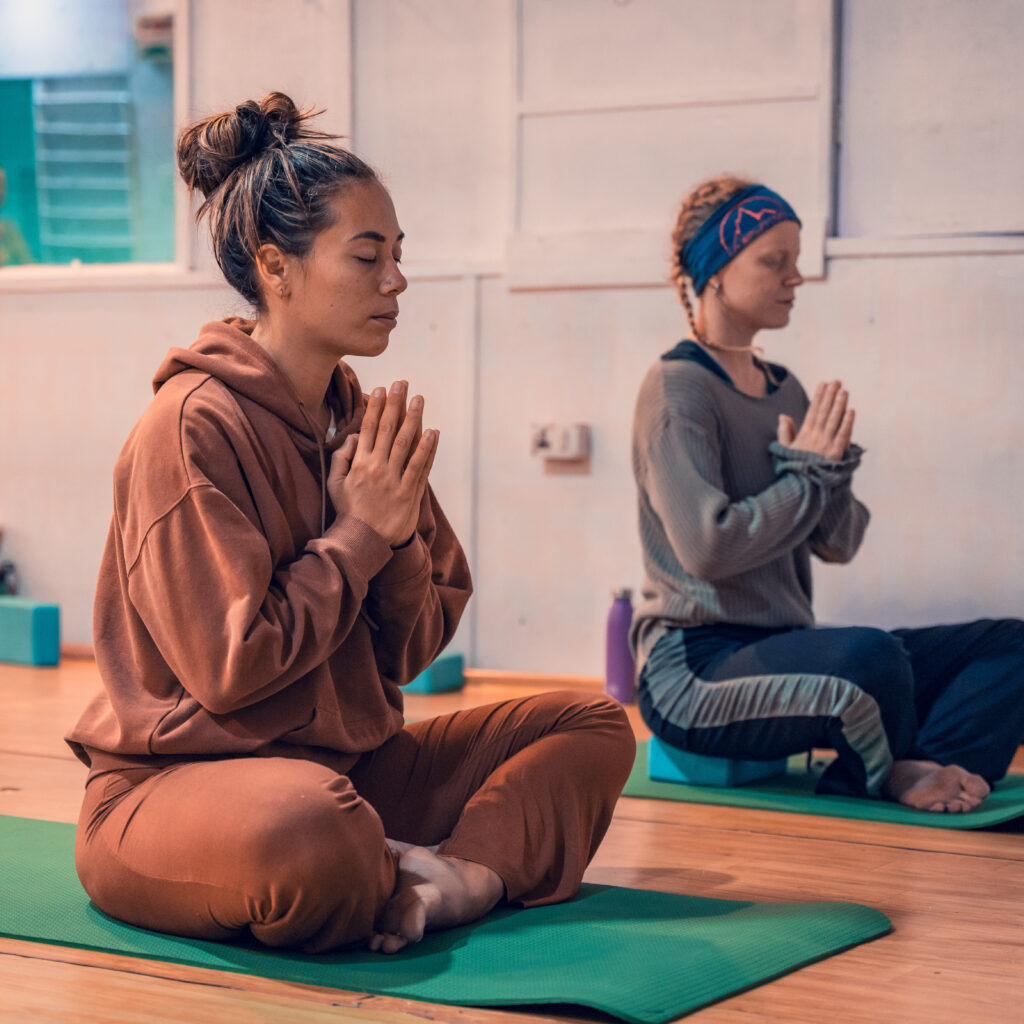
Experienced teachers at a yoga teacher training school in Rishikesh like Gurukul Yogashala can guide you on the appropriate use of props. Props enhance comfort, promote focus, and support proper meditation posture. Cushions, blankets, and mats reduce discomfort during extended sitting. Eye bands block out excess light. Japa malas and singing bowls can enhance the meditative environment. Candles and incense can further enhance the spiritual atmosphere, as taught in comprehensive yoga teacher training courses in Rishikesh.

These accessories engage your senses and anchor you to the present moment. Mats and blankets provide a soft surface, preventing back or knee pain during prolonged sitting. Gurukul Yogashala’s experts offer personalized guidance on prop selection. A professional yoga teacher training course in Rishikesh is invaluable for those seeking a deeper understanding of this holistic practice.

Challenges Faced by Meditators

Even with comfortable clothing and a conducive environment, challenges can arise during meditation. Teachers in programs like a 300 Hour Yoga Teacher Training in Rishikesh or a 500 Hour Yoga Teacher Training in Rishikesh, can offer solutions and guidance on prop use and other techniques. Finding the right meditation posture is crucial for maximizing benefits.

Common challenges and solutions include:

  • Difficulty Focusing: Teachers may guide you in breath counting to improve focus.
  • Head Nodding (Drowsiness): Consciously engage your core and maintain an erect spine.
  • Difficulty Visualizing: Teachers can guide you through visualization exercises.
  • Difficulty Relaxing: Soft music can aid in relaxation.
  • Slumping: Use folded blankets or cushions under your hips or knees for support.

These challenges are often addressed in structured programs like a 200 Hour Ashtanga Yoga Teacher Training in Rishikesh or other Ashtanga Yoga Teacher Training in Rishikesh programs.

Benefits of Correct Meditation Posture

  • Protects your back from injury during extended sitting.
  • Reduces stress (incorrect posture can increase it).
  • Improves focus and concentration.
  • Promotes a sense of groundedness.

A retreat or training course, especially at a reputable Yoga School in India like Gurukul Yogashala, provides comprehensive knowledge of proper meditation postures.

Conclusion

Enroll in a 200 hour yoga teacher training course in Rishikesh at Gurukul Yogashala to deepen your understanding of this transformative practice. You’ll receive expert guidance and address physical, mental, and emotional challenges. Gurukul Yogashala provides a rich learning environment for students of all levels, offering the best Yoga Teacher Training in Rishikesh. Whether you’re interested in a 200 Hour, 300 Hour, or 500 Hour program, or even specialized Ashtanga training, Gurukul Yogashala is a great choice.

The Power of Mindfulness

The Power of Mindfulness: How To Transform Your Life with Awareness

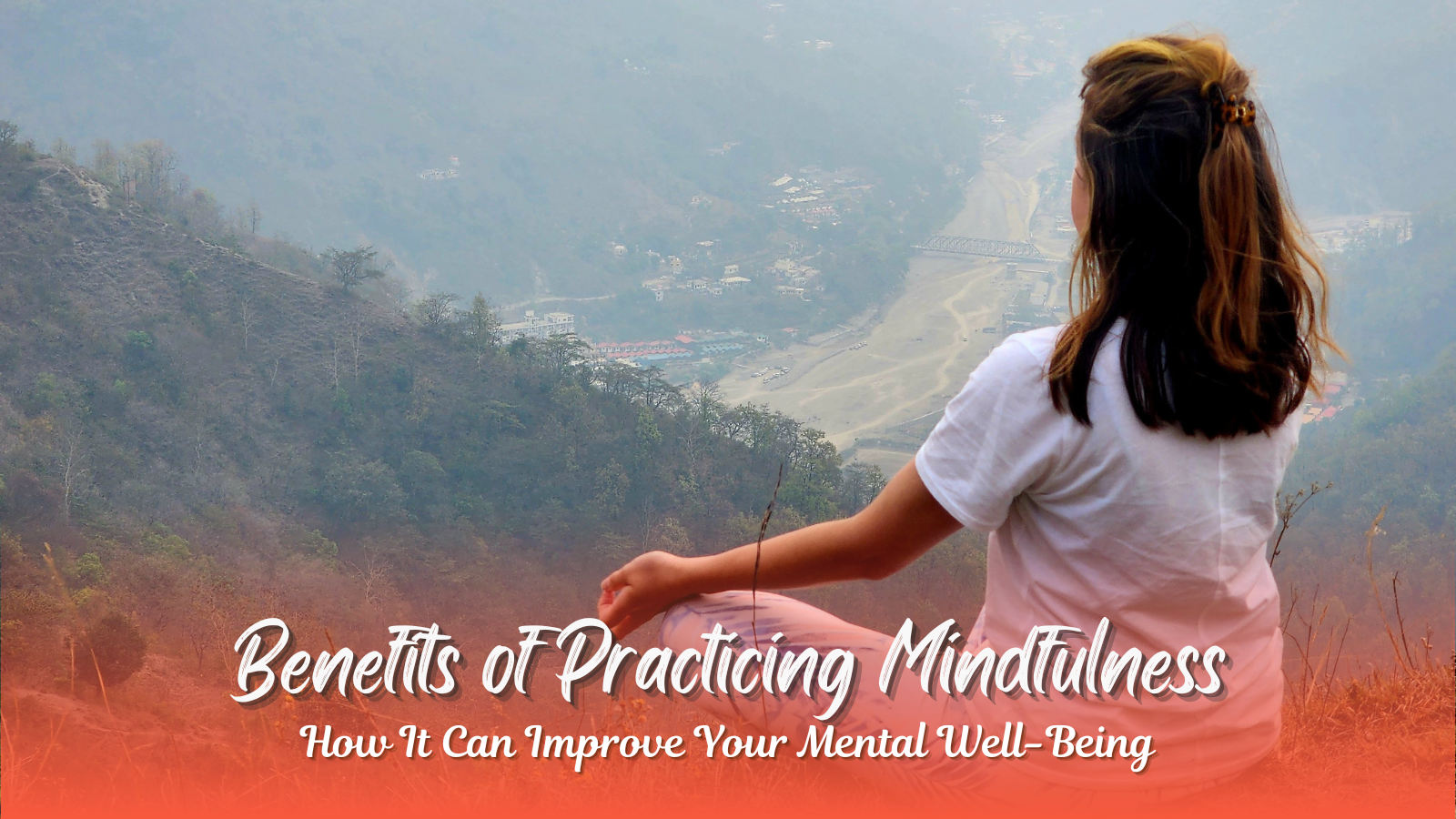
Mindfulness is a widely discussed topic in holistic wellness, yoga and meditation. It is integrated into various practices, including consciousness meditation, to enhance self-awareness and mental well-being. But what is mindfulness exactly?

If you’re curious about consciousness and how it can transform your life, this guide will help you understand its essence, benefits and practical applications. Many yoga teacher training courses in Rishikesh emphasize mindfulness as an essential part of their curriculum.

Let’s dive deeper into consciousness and explore its connection to yoga, meditation and mental well-being.


What Is Mindfulness?

  • Mindfulness Definition: Mindfulness is the practice of being fully present in the moment, aware of your thoughts, feelings and surroundings without judgment.
  • It involves focusing attention on the present rather than dwelling on the past or worrying about the future.
  • Consciousness can be incorporated into daily activities like eating, walking, and even working.
  • It helps develop a deeper connection with oneself and enhances overall well-being.
  • Many yoga teacher training schools in Rishikesh integrate consciousness into their programs through meditation and breathing techniques.

Origins of Mindfulness Practices

  • Ancient Roots: Mindfulness finds its origins in Hinduism and Buddhism, particularly in Vipassana and Zen traditions.
  • The concept of consciousness, known as “Sati” in Pali, is a crucial aspect of Buddhist teachings.
  • In Hinduism, Consciousness is embedded in yogic practices, meditation, and self-awareness techniques.
  • The West adopted consciousness in the 1970s, integrating it into psychology and mental health treatments.
  • Today, consciousness is not limited to religious or spiritual contexts; it is widely used for stress relief, emotional regulation and personal growth.
The Power of Mindfulness or consciousness - Best Yoga Teacher Training School in Rishikesh | Gurukul Yogashala

How Mindfulness Improves Mental Health

  • Reduces Stress & Anxiety: Consciousness helps in managing stress by promoting relaxation and emotional stability.
  • Improves Focus & Concentration: Regular consciousness exercises enhance cognitive function and productivity.
  • Aids in Mental Disorders: Studies show that consciousness is effective in treating anxiety, depression, PTSD and even chronic pain.
  • Enhances Emotional Well-being: It fosters self-awareness, self-compassion and emotional balance.
  • Supports Physical Health: Consciousness practices can improve conditions like high blood pressure and diabetes.
  • Many professionals recommend consciousness meditation for overall mental and physical well-being.

Mindfulness and Yoga: The Perfect Combination

  • Yoga and consciousness go hand in hand, creating a powerful synergy for mental clarity and inner peace.
  • Many yoga schools in Rishikesh, such as Gurukul Yogashala, teach mindfulness as part of their yoga training programs.
  • Courses like the 200 Hour Yoga Teacher Training in Rishikesh incorporate mindfulness techniques through meditation, breathing, and movement.
  • Advanced programs like the 300 Hour Yoga Teacher Training in Rishikesh and 500 Hour Yoga Teacher Training in Rishikesh offer deeper insights into consciousness and yogic philosophy.
  • Practicing consciousness through yoga enhances flexibility, reduces stress and improves overall well-being.

Fostering Self-Compassion with Mindfulness

  • Consciousness encourages self-compassion, allowing individuals to treat themselves with kindness and understanding.
  • It helps in managing negative emotions and self-judgment.
  • Developing self-compassion through mindfulness leads to improved emotional resilience.
  • Many consciousness exercises taught in Ashtanga Yoga Teacher Training in Rishikesh focus on self-awareness and acceptance.
  • Enrolling in a 200 Hour Ashtanga Yoga Teacher Training in Rishikesh can provide deeper insights into consciousness and self-care.

Mindfulness in the Workplace

  • Practicing consciousness at work can significantly improve productivity and job satisfaction.
  • Benefits of workplace mindfulness include:
    • Better focus and efficiency
    • Reduced stress and burnout
    • Improved workplace relationships
    • Enhanced creativity and problem-solving skills
  • Consciousness techniques like deep breathing, mindful listening and short meditation breaks can make a significant impact.
  • Many corporate wellness programs now include consciousness training to boost employee well-being.

Common & Effective Mindfulness Exercises

1. Lifestyle Changes for consciousness

  • Focus on breathing patterns, observing the rise and fall of your abdomen.
  • Engage in mindful walking—counting steps and feeling foot sensations.
  • Practice mindful eating by savoring each bite and paying attention to flavors.
  • Listen attentively in conversations without distractions.

2. Breathing Exercises

  • Bhramari Pranayama (Humming Bee Breath) – Calms the mind and reduces stress.
  • Ujjayi Pranayama (Ocean Breath) – Enhances focus and relaxation.
  • Kapalbhati Pranayama (Skull-Shining Breath) – Energizes the body and mind.
  • These techniques are part of yoga teacher training in Rishikesh and help incorporate consciousness into daily life.

3. Body Scan Meditation

  • A powerful technique for increasing awareness of bodily sensations.
  • Helps in identifying stress points and promoting relaxation.
  • Guides attention from head to toe, noticing areas of tension or comfort.

4. Basic Mindfulness Meditation

  • Sit comfortably with a straight spine.
  • Focus on your breath, noticing each inhalation and exhalation.
  • Observe thoughts without attachment or judgment.
  • If distracted, gently bring attention back to breathing.
  • This practice is an integral part of 200 Hour Yoga Teacher Training in Rishikesh at top yoga schools.

Yoga Asanas That Promote Consciousness

  • Certain yoga postures prepare the body for consciousness meditation:
    • Sukhasana (Easy Pose) – Encourages relaxation and inner peace.
    • Padmasana (Lotus Pose) – Ideal for deep meditation and mindfulness.
    • Vajrasana (Thunderbolt Pose) – Aids digestion and mindfulness practice.
  • Practicing these asanas enhances consciousness and meditation experiences.

Conclusion

Mindfulness is a transformative practice that enhances self-awareness, emotional balance, and mental clarity. By incorporating consciousness into daily life, individuals can experience profound personal growth.

For those interested in deepening their mindfulness practice, enrolling in a yoga teacher training school in Rishikesh can be an excellent step. Programs like the 200 Hour, 300 Hour, and 500 Hour Yoga Teacher Training in Rishikesh provide in-depth knowledge of consciousness, meditation, and yoga.

By embracing consciousness, you can cultivate inner peace, reduce stress and lead a more fulfilling life. Whether through meditation, breathwork or yoga, the journey to consciousness starts with a single breath.

Mastering Yoga Arm Balances

Mastering Yoga Arm Balances: A Complete Guide for Beginners & Advanced Practitioners

Yoga arm balance poses are some of the most visually impressive yet technically challenging poses in yoga practice. They require a combination of strength, flexibility, balance and mental focus. Many beginners struggle with these poses due to a lack of proper technique and preparation.

If you’re wondering how Yoga arm balance poses do, this guide will walk you through everything you need to know—from wrist preparation to alignment techniques. Whether you’re a beginner or an advanced practitioner, joining a yoga teacher training school in Rishikesh can provide you with expert guidance on perfecting Yoga arm balance poses safely.


What Are Yoga Arm Balances?

Yoga arm balance poses involve supporting your body weight primarily on your hands while engaging your core and upper body muscles. These poses help improve strength, flexibility, and focus.

Benefits of Yoga Arm Balances

  • Enhances Core Strength: Engages the abdominal muscles for better stability.
  • Improves Upper Body Strength: Strengthens arms, shoulders, and wrists.
  • Increases Focus & Mental Clarity: Requires concentration to maintain balance.
  • Boosts Flexibility: Stretches and strengthens various muscle groups.
  • Develops Confidence & Mindfulness: Teaches patience, persistence, and body awareness.

Popular Yoga Arm Balance Poses

Here’s a Yoga arm balance poses list of some commonly practiced postures:

  • Bakasana (Crow Pose) – A beginner-friendly pose that builds wrist and shoulder strength.
  • Kakasana (Crane Pose) – A variation of Bakasana with straighter arms.
  • Eka Hasta Bhujasana (One-Legged Arm Balance) – Strengthens the core and shoulders.
  • Vrschikasana (Scorpion Pose) – A challenging pose that requires both flexibility and strength.
  • Parsva Bakasana (Side Crow Pose) – Works on arm strength and twisting flexibility.

If you’re struggling with these poses, consider enrolling in a 200-hour yoga teacher training course in Rishikesh, where experienced instructors will guide you step-by-step.

Yoga arm balance poses | Best Yoga Teacher Training School in Rishikesh | Gurukul Yogashala

Why Wrist Health is Important for Arm Balances

Your wrists act as the foundation in arm balance poses, supporting your body weight. If they aren’t strong enough, you risk injury.

Key Factors for Wrist Health:

  1. Warm-up exercises – Prepares wrists for the pressure of arm balances.
  2. Strength training – Builds endurance and flexibility in wrists.
  3. Correct alignment – Ensures even weight distribution to prevent strain.
  4. Therapeutic exercises – Helps recover from any strain or pain.

At Gurukul Yogashala, a leading yoga teacher training school in Rishikesh, students learn wrist anatomy and strengthening techniques to prevent injuries.


Wrist Anatomy: Understanding the Basics

The wrist consists of eight carpal bones, ligaments, and a complex system of tendons and nerves forming the carpal tunnel. These elements provide mobility and strength, allowing the wrists to support weight in various arm balances.

  • Keeping joints active and mobile prevents stiffness.
  • Engaging in wrist exercises ensures better stability.
  • Understanding alignment and pressure points helps in preventing injuries.

In Hatha Yoga, joint health plays a crucial role in mastering complex poses. Students in the best yoga teacher training in Rishikesh learn in-depth about wrist mechanics through practical lessons.


How to Prepare Your Wrists for Arm Balances?

Before attempting yoga arm balance poses, practicing wrist warm-ups can significantly reduce the risk of injury.

Effective Warm-Up Exercises:

  • Wrist Rotations:
    • Extend arms forward and rotate wrists in both directions.
  • Anjali Mudra (Prayer Pose):
    • Press palms together at chest level and lower hands gradually.
  • Hand Lifts:
    • Place hands on a table edge and lift them while keeping fingers relaxed.

These warm-ups help improve wrist mobility, making yoga arm balance poses for beginners easier to achieve.


Proper Alignment in Yoga Arm Balances

Alignment is crucial when practicing yoga arm balance postures. Incorrect form can lead to strain or injury.

Step-by-Step Guide for Bakasana (Crow Pose)

  1. Start in Malasana (Garland Pose):
    • Feet flat on the ground, knees wide apart.
  2. Place Hands on the Ground:
    • Keep hands shoulder-width apart with fingers spread.
  3. Engage Core & Lift Hips:
    • Rising on your toes, shift your weight forward.
  4. Hook Knees onto Upper Arms:
    • Keep your gaze forward to maintain balance.
  5. Hold the Pose:
    • Breathe deeply and balance for 5-10 breaths.
  6. Release Gently:
    • Lower one leg at a time to return to Malasana.

This pose is a fundamental yoga arm balance pose that builds strength for more advanced postures. In the 300-hour yoga teacher training in Rishikesh, students refine these poses with expert guidance.


Techniques for Improving Arm Balances

To master arm balances, follow these expert techniques:

  • Improve Wrist Flexibility: Stretch and strengthen wrists daily.
  • Distribute Weight Evenly: Avoid placing all weight on one point.
  • Build Scapular Strength: Strengthen shoulder muscles to support balance.
  • Engage the Core: A strong core prevents wobbling.
  • Practice Mindfulness: Focus on breath and body awareness.

At Gurukul Yogashala, students in 500-hour yoga teacher training in Rishikesh learn advanced alignment techniques for perfecting arm balances.


Conclusion

Mastering yoga arm balance poses requires patience, strength, and proper training. While self-practice is beneficial, professional guidance at a yoga teacher training school in Rishikesh ensures a safe and effective learning experience.

At Gurukul Yogashala, a Yoga Alliance-registered school, students gain in-depth knowledge of alignment, adjustments, and modifications to perfect arm balances and other advanced asanas.

If you’re looking for the best yoga teacher training in Rishikesh, consider enrolling in:

200-Hour Yoga Teacher Training – Perfect for beginners.
300-Hour Yoga Teacher Training – Ideal for intermediate learners.
500-Hour Yoga Teacher Training – For advanced practitioners.

Enhance your yoga journey and master arm balances with expert teachers in Rishikesh – the Yoga Capital of the World!


Best Yoga Teacher Training in Rishikesh, India

Best Yoga Teacher Training in Rishikesh: Learn, Teach & Transform

Best Yoga Teacher Training in Rishikesh, India

Yoga is more than just a physical practice—it’s a way to connect the mind, body, and soul. If you’re looking to deepen your practice and become a yoga teacher in India, Rishikesh is the ultimate destination. Known as the “Yoga Capital of the World,” it offers an authentic and immersive learning experience.

By enrolling in a best yoga teacher training in Rishikesh, you’ll receive expert guidance from experienced instructors and explore the philosophy, anatomy, and techniques of yoga. Whether you’re a beginner or an experienced practitioner, a yoga teacher training course in India will help you build a strong foundation.


Why Choose Yoga Teacher Training in Rishikesh?

Rishikesh is a spiritual hub with a serene atmosphere, perfect for those who want to learn to teach yoga in India. Here’s why Rishikesh is the best place for yoga training:

  • Authentic Learning Experience – Rooted in ancient traditions, Rishikesh offers a pure and traditional approach to yoga.
  • Certified Yoga Instructors – Learn from experienced yoga instructor training in India programs led by highly qualified teachers.
  • Diverse Training Programs – Choose from 200-hour, 300-hour, and 500-hour yoga teacher training in Rishikesh to suit your level.
  • Scenic & Serene Environment – Practice yoga amidst the Himalayan mountains and the sacred Ganges River.
  • Spiritual Growth & Self-Discovery – Enhance your personal and professional growth through deep spiritual practices.
Best Yoga Teacher Training in Rishikesh, India | Performing Anulom-Vilom at Gurukul Yogashala

Traditional Yoga Training with Expert Guidance

When you enroll in a best yoga teacher training in Rishikesh, you gain access to traditional teachings combined with modern insights. Here’s what makes the experience unique:

  • Small Class Sizes – Get personalized attention from experienced yoga instructors.
  • Traditional Ceremonies – Begin your journey with a fire ceremony, setting the foundation for your spiritual path.
  • Comprehensive Curriculum – Courses cover:
    • Hatha Yoga & Ashtanga-Vinyasa Yoga – Learn different styles for a well-rounded practice.
    • Pranayama & Meditation – Develop breath control and mental clarity.
    • Vedic Mantras & Chanting – Connect with yoga’s spiritual essence.
    • Yoga Anatomy & Physiology – Understand body alignment and movement.
    • Bandhas & Mudras – Master advanced yoga techniques.
  • Evening Kirtans – Experience soulful chanting sessions to deepen your spiritual connection.
  • Well-Ventilated Classrooms – Enjoy fresh air and a peaceful setting for practice.

By choosing the best yoga teacher training in Rishikesh, you will develop not just technical skills but also a deeper understanding of yoga philosophy.


Yoga Philosophy: The Foundation of Your Training

A best yoga teacher training in Rishikesh isn’t just about physical postures; it’s about understanding the deeper essence of yoga. Here’s what you’ll learn:

  • Mind-Body Connection – Discover how yoga fosters harmony between the body and mind.
  • Samkhya Philosophy – Explore the ancient knowledge that yoga is built upon.
  • Sattvic Living – Embrace purity, balance and mindfulness in daily life.
  • Asanas for Strength & Stability – Build physical endurance before progressing to advanced practices.
  • Breathwork & Meditation – Learn to balance breath and movement to enhance focus.
  • Vedic Texts & Ancient Wisdom – Study traditional scriptures to gain deeper insights.

These teachings form the core of the best yoga teacher training in Rishikesh, India, helping you transform into a skilled and mindful instructor.


Types of Yoga Teacher Training Courses in Rishikesh

Rishikesh offers various best yoga teacher training in Rishikesh based on different levels:

1. 200-Hour Yoga Teacher Training Course in Rishikesh

  • Ideal for beginners and intermediate practitioners.
  • Covers Hatha, Ashtanga-Vinyasa, meditation, pranayama and anatomy.
  • Helps students build a solid foundation in yoga practice and teaching.

2. 300-Hour Yoga Teacher Training in Rishikesh

  • Designed for those who have completed a 200-hour course.
  • Focuses on advanced techniques, therapeutic yoga and in-depth anatomy.
  • Enhances teaching skills and personal practice.

3. 500-Hour Yoga Teacher Training in Rishikesh

  • A comprehensive program combining the 200-hour and 300-hour courses.
  • Offers complete mastery over yoga philosophy, asanas and teaching methodologies.
  • Equips students with advanced skills to teach globally.

Each course is Yoga Alliance-certified, allowing graduates to teach worldwide.


Why Choose Gurukul Yogashala?

Among the many schools in Rishikesh, Gurukul Yogashala stands out as the best choice for yoga training. Here’s why:

  • Highly Experienced Teachers – Learn from yoga masters with decades of practice.
  • Authentic & Traditional Approach – Courses go beyond bookish knowledge and focus on practical application.
  • Comprehensive Learning – Covers all aspects of yoga, including postures, breathwork, philosophy and meditation.
  • Therapeutic & Holistic Approach – Focuses on the overall well-being of students.
  • Strong Global Community – Connect with fellow yogis from around the world.

If you’re looking for the best yoga teacher training in Rishikesh, Gurukul Yogashala offers a transformative experience that will elevate your practice and teaching skills.


Final Thoughts: Begin Your Yoga Journey in Rishikesh

Embarking on a yoga teacher training course in India is a life-changing decision. Whether you’re looking to become a yoga teacher in India or simply deepen your practice, Rishikesh offers the perfect environment to learn and grow.

By enrolling in a yoga instructor training in India, you’ll gain:

  • A strong foundation in yoga practice and philosophy.
  • Certification to teach yoga globally.
  • A deeper understanding of self and holistic well-being.

Join the best yoga teacher training in Rishikesh and immerse yourself in the ancient wisdom of yoga. Your journey toward transformation starts here!

Best Yoga Practices for Anti-Aging | Yoga Teacher Training in Rishikesh

Best Yoga Practices for Anti-Aging | Yoga Teacher Training in Rishikesh

How Yoga Helps in Anti-Aging

Best yoga practice to delay aging naturally, Aging affects both internal organs and external appearance, leading to wrinkles, reduced flexibility and health issues. However, yoga practice can help delay these effects by improving circulation, boosting immunity and enhancing skin and mental health. Whether you are new to yoga or an advanced practitioner, these asanas and meditation practices can support graceful aging.

For a deeper understanding, consider enrolling in a 200-hour yoga teacher training course in Rishikesh or a 500-hour yoga teacher training in Rishikesh at a reputed yoga teacher training school in Rishikesh.


Yoga Practice Asanas for Ageless Health and Wellness

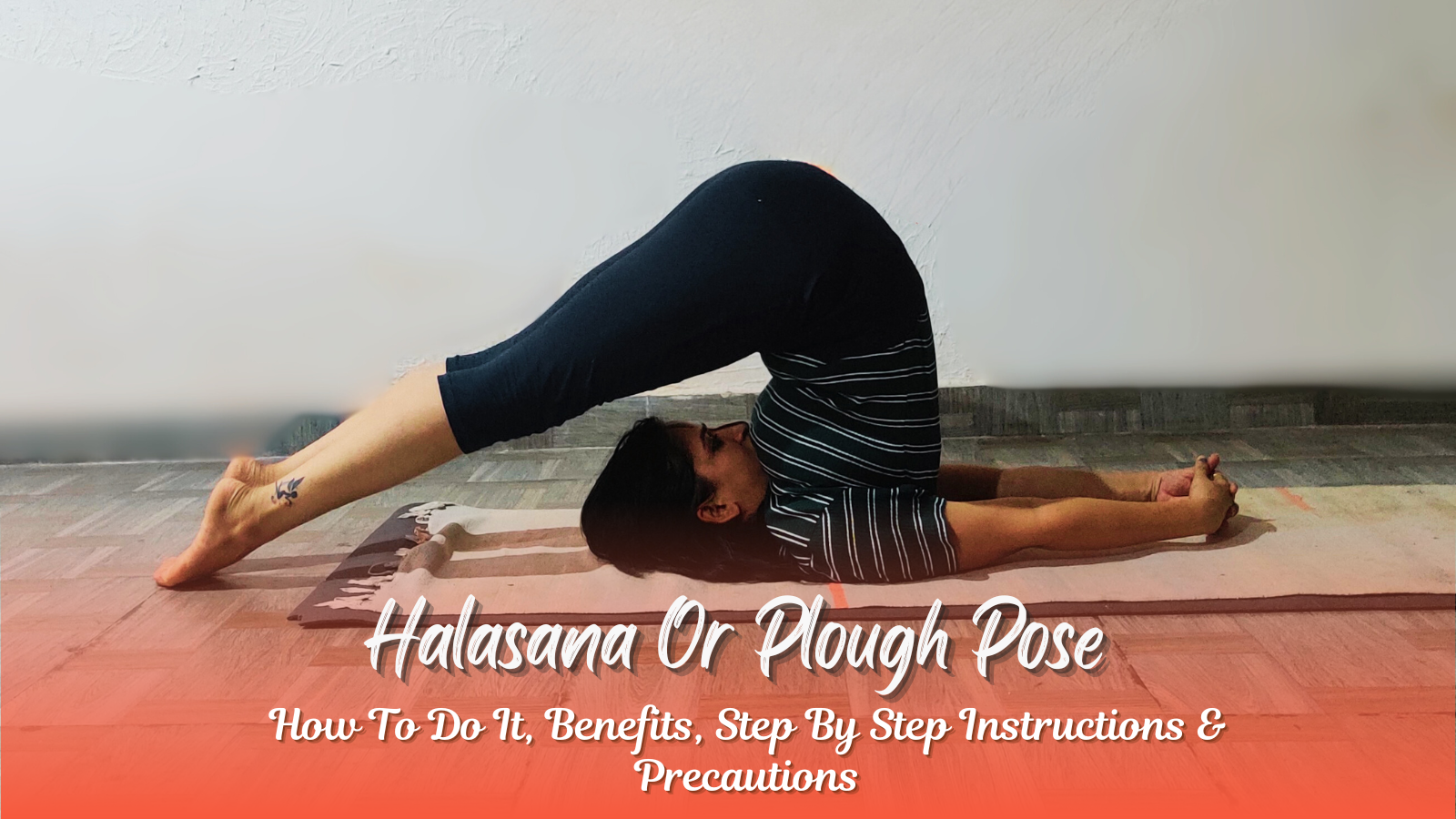
1. Halasana (Plough Pose)

  • Increases blood circulation to the face and head, promoting youthful skin.
  • Enhances flexibility and strengthens the spine.
  • Helps detoxify the body by improving digestion.

How to Perform:

  • Lie on your back with hands beside you.
  • Slowly lift your legs over your head, bringing them to the floor behind you.
  • Keep hands on the mat or interlock fingers behind your back.
  • Hold for 5-10 breaths and release gently.

2. Sarvangasana Yoga practice (Shoulder Stand)

  • Rejuvenates skin by enhancing oxygenated blood supply.
  • Reduces stress and prevents premature aging.
  • Improves focus and brain function, preventing dementia.

How to Perform:

  • Lie flat and lift your legs upward, supporting your lower back with hands.
  • Keep legs straight and hold for as long as comfortable.
  • Slowly return to the starting position.

Practicing this asana daily can be part of your yin practice yoga routine for a youthful glow.


3. Chakrasana Yoga practice (Wheel Pose)

  • Enhances overall flexibility and strengthens joints.
  • Increases lung capacity and boosts blood circulation.
  • Helps prevent stiffness and keeps the spine youthful.

How to Perform:

  • Lie down with knees bent and feet hip-width apart.
  • Place hands beside shoulders, palms facing down.
  • Lift your body, forming an arch with the head off the ground.
  • Hold for a few breaths before lowering slowly.

Enrolling in a 300-hour yoga teacher training in Rishikesh can provide expert guidance on mastering this pose.


4. Adho Mukha Svanasana (Downward Dog Pose)

  • Promotes wrinkle-free skin and reduces acne.
  • Strengthens bones and stretches hamstrings.
  • Enhances blood circulation, boosting hair growth.

How to Perform:

  • Start in a tabletop position on all fours.
  • Lift your hips towards the ceiling, forming an inverted V-shape.
  • Keep hands and feet grounded, chin tucked inwards.
  • Hold for a few breaths before relaxing.

This asana is an essential part of meditation practices and yoga for overall well-being.


5. Hasta Padasana (Standing Forward Bend)

  • Provides a deep stretch, improving flexibility.
  • Stimulates blood circulation, keeping skin youthful.
  • Reduces stress and supports spine health.

How to Perform:

  • Stand in Tadasana, inhaling as you raise your hands.
  • Bend forward from the hips, keeping the back straight.
  • Hold the soles of your feet with hands.
  • Stay in the position for a few breaths before returning upright.

By incorporating this pose into your yoga in practice sessions, you can maintain a youthful body and mind.

Best Yoga Practices for Anti-Aging | Yoga Teacher Training in Rishikesh

Pranayama for Anti-Aging and Wellness

Breathing techniques are a vital part of any yin practice yoga routine. These pranayamas help slow aging, increase energy levels, and reduce stress.

1. Surya Bhedana (Right Nostril Breathing)

  • Generates internal heat, slowing down aging.
  • Strengthens immunity and enhances mental clarity.
  • Helps prevent respiratory issues.

How to Perform:

  • Inhale deeply through the right nostril.
  • Exhale slowly through the left nostril.
  • Repeat for 5-10 minutes daily.

2. Ujjayi Pranayama (Victorious Breath)

  • Improves oxygen supply to the skin, preventing fine lines.
  • Enhances concentration and relaxation.
  • Detoxifies the body by increasing lung capacity.

How to Perform:

  • Inhale deeply through the nose while constricting the throat.
  • Exhale with a whisper-like sound.
  • Practice for 5-7 minutes daily.

3. Bhramari Pranayama (Humming Bee Breath)

  • Reduces stress, anger, and anxiety.
  • Promotes mental relaxation, preventing premature aging.
  • Enhances focus and cognitive function.

How to Perform:

  • Close your ears with your thumbs and place fingers over your eyes.
  • Inhale deeply and exhale while making a humming sound.
  • Repeat for 5-10 minutes.

These breathing exercises are a crucial part of meditation practices and yoga, ensuring holistic well-being.


Walking Barefoot on Earth – A Natural Yoga Practice

  • Walking barefoot on earth yoga practice improves blood circulation and reduces inflammation.
  • Strengthens muscles, bones, and joints naturally.
  • Helps balance energy and promote youthful skin.

This simple yet powerful practice connects you with nature and enhances the benefits of yoga.


Why Join a Yoga Teacher Training in Rishikesh?

If you want to master yoga for anti-aging, enrolling in a Best Yoga Teacher Training in Rishikesh is the best decision. Programs like:

At a yoga teacher training school in Rishikesh, you will learn asanas, meditation, and breathing techniques under expert guidance.


Final Thoughts

Aging is a natural process, but with yoga, you can delay its effects and maintain a youthful body and mind. From practicing asanas like Sarvangasana and Chakrasana to adopting pranayama and walking barefoot on earth yoga practice, these methods will keep you healthy and vibrant.

For a deeper dive into perfectly imperfect the art and soul of yoga practice, join a yoga teacher training school in Rishikesh today and unlock the secrets to graceful aging!

transform-your-life-with-meditation

The Power of Meditation: A Path to Mindfulness & Spiritual Growth

What is Meditation?

Meditation has been an essential practice across cultures and spiritual traditions for centuries. It helps individuals cultivate mindfulness, reduce stress and enhance overall well-being. Whether you’re looking to develop emotional balance, improve concentration, or embark on a journey of self-discovery, dhyana offers countless benefits.

If you want to explore meditation deeply, enrolling in a 200 Hour Yoga Teacher Training Course in Rishikesh at Gurukul Yogashala will provide you with authentic knowledge and guidance from experienced teachers.


Why Meditation is Important?

Meditation is not just about sitting in silence—it is about training the mind to focus, become self-aware and cultivate inner peace. Here’s why regular dhyana practice is essential:

1. Reduces Stress & Anxiety

  • Dhyana lowers cortisol levels, the primary stress hormone.
  • It promotes relaxation and a sense of tranquility.
  • Sleep dhyana music can aid in reducing stress and improving sleep quality.

2. Enhances Concentration & Focus

  • Practicing meditation strengthens attention span and cognitive function.
  • Techniques like AA Daily Reflections dhyana and Just for Today dhyana help improve focus.

3. Supports Emotional Well-being

  • Meditation helps individuals process emotions without being overwhelmed.
  • Mindfulness practices reduce symptoms of depression and anxiety.

4. Encourages Self-Awareness

  • Dhyana fosters deeper self-reflection and understanding.
  • It helps individuals identify thought patterns and work on self-improvement.

5. Cultivates Compassion & Empathy

  • Practices like loving-kindness dhyana enhance positive emotions toward oneself and others.
  • Dhyana teachers emphasize the importance of cultivating compassion.

6. Offers Physical Health Benefits

  • Dhyana has been linked to lower blood pressure and a stronger immune system.
  • It helps improve sleep quality and overall well-being.

Different Types of Meditation

At Gurukul Yogashala, during the 200 Hour Yoga Teacher Training Course in Rishikesh, you will learn various meditation techniques, including:

  • Mindfulness Dhyana – Focusing on the present moment.
  • Loving-Kindness Meditation – Developing compassion for yourself and others.
  • Sleep Dhyana Music – Using calming sounds to improve sleep.
  • Transcendental dhyana – Using mantras to achieve deep relaxation.
  • Guided Meditation – Following a teacher’s voice for relaxation and clarity.
How to do meditation or dhyana - Health Benefits | Best yoga teacher training school in Rishikesh | Gurukul Yogashala

How to Incorporate Meditation into Daily Life

Even a few minutes of daily dhyana can make a significant difference. Here are some ways to integrate dhyana into your routine:

1. Start Small

  • Begin with 5-10 minutes of dhyana and gradually increase the duration.

2. Create a Peaceful Space

  • Use dhyana cushions for comfort.
  • Find a quiet and undisturbed place for your practice.

3. Experiment with Different Techniques

  • Try various dhyana styles to see what works best for you.

4. Be Patient & Non-Judgmental

  • Dhyana is a journey—progress takes time.

5. Incorporate Mindfulness into Daily Activities

  • Practice mindfulness while eating, walking or engaging in conversations.

Deepen Your Meditation Practice with Yoga Teacher Training in Rishikesh

If you want to explore dhyana on a deeper level, enrolling in a Yoga Teacher Training School in Rishikesh is a great way to gain in-depth knowledge. Gurukul Yogashala offers:

These programs not only teach dhyana but also focus on yoga philosophy, pranayama and mindfulness techniques.


Conclusion

Dhyana is a transformative practice that enhances mental clarity, emotional balance, and overall well-being. Whether you’re a beginner or an experienced practitioner, learning meditation from expert dhyana teachers at Gurukul Yogashala’s 200 Hour Yoga Teacher Training Course in Rishikesh will help you develop a deeper connection with yourself and the world around you.

Take the first step towards self-discovery and spiritual growth—embrace dhyana today!

what is sound healing

Benefits Of Sound Healing And How Does Sound Healing Works?

Sound healing meditation, a practice that utilizes the therapeutic properties of sound vibrations to promote well-being, has a deep and harmonious connection with one of the oldest scriptures in the world, the Samaveda. The Samaveda, one of the four Vedas, is a sacred text of ancient India that is primarily focused on the profound importance of sound, particularly through the singing of sacred hymns. This ancient knowledge serves as a significant source of inspiration for sound healing practices today.

Yoga in India

Why Choose Yoga in India? New Best Yoga Teacher Training in India

Why Choose Yoga in India? Best Yoga Teacher Training in India

Yoga in India, Are you ready to embark on a life-changing journey through a yoga teacher training course in India but feeling overwhelmed by the numerous options available? Choosing the right yoga TTC in India is a crucial decision that sets the foundation for your yoga career. With countless programs offered worldwide, selecting the best yoga teacher training in India can be daunting.

India is the birthplace of yoga, a practice that harmonizes the mind, body, and soul. Studying yoga in India offers a unique connection to its ancient roots, philosophy, and traditions.

Why Rishikesh for Yoga Teacher Training?

Rishikesh, known as the “Yoga Capital of the World,” is a sacred destination for yogis worldwide.

Reasons to Choose Rishikesh for Your Yoga TTC:

  • Rich Spiritual Heritage – Experience the ancient yogic traditions where great sages and gurus practiced.
  • Authentic Learning Experience – Learn from experienced yoga teachers and gurus.
  • Serene Environment – Practice yoga in the peaceful surroundings of the Himalayas and the holy Ganga River.
  • Global Recognition – Study at the best yoga school in India, accredited by Yoga Alliance.

Why Choose Yoga in India - Best Yoga Teacher Training School in Rishikesh, India | Gurukul Yogashala

How to Choose the Right Yoga Teacher Training Course?

When selecting a yoga teacher training course in India, consider the following factors:

1. Define Your Goal

  • Are you looking to deepen your practice or become a yoga teacher?
  • Do you want to explore ancient yoga in India or modern yoga styles?

2. Accreditation & Certification

  • Ensure the yoga TTC in India is certified by Yoga Alliance for global recognition.

3. Course Format: On-site vs. Online

  • Choose between in-person training at a yoga school in India or online yoga in India for flexibility.

4. Course Duration

5. Yoga Styles Offered

Different yoga in India and training programs offer various styles. Choose one that aligns with your goals.

Multi-Style Yoga Teacher Training in Rishikesh, India

Many yoga schools in Rishikesh offer diverse yoga styles, making it an ideal destination for training. Let’s explore the most popular styles:

1. Hatha Yoga

  • Focuses on basic postures, breath control, and meditation.
  • Great for beginners and those seeking a balanced practice.

2. Iyengar Yoga

  • Emphasizes alignment using props like belts and blocks.
  • Ideal for those with physical limitations or injuries.

3. Ashtanga Vinyasa Yoga

  • A dynamic, physically challenging practice.
  • Best for those who want an intense, disciplined approach.

4. Yin Yoga

  • Slow-paced with long-held postures for deep stretching.
  • Ideal for improving flexibility and mindfulness.

5. Restorative Yoga

  • Focuses on relaxation and healing.
  • Perfect for stress relief and rejuvenation.

6. Kundalini Yoga

  • Awakens inner energy through meditation, breathwork, and chanting.
  • Best for spiritual seekers looking for deep transformation.

Best Yoga Teacher Training Courses in India

1. 200-Hour Yoga Teacher Training

  • Ideal for beginners and those looking to become certified yoga instructors.

2. 300-Hour Yoga Teacher Training in India

  • Advanced training for experienced practitioners.
  • Covers deeper aspects of yoga philosophy, anatomy, and teaching techniques.

3. 500-Hour Yoga Teacher Training

  • A combination of the 200-hour and 300-hour courses.
  • Designed for those aiming to master yoga teaching.

Best Yoga and Meditation Retreats in India

Apart from teacher training, yoga retreats in India offer a holistic experience for self-discovery and relaxation. Some of the best yoga and meditation retreats in India include:

  • Silent meditation retreats for deep introspection.
  • Detox and Ayurveda retreats for health and healing.
  • Adventure retreats combining yoga with trekking and nature experiences.

Why Choose Gurukul Yogashala in Rishikesh?

Gurukul Yogashala is among the best yoga schools in India, offering:

✔️ Yoga Alliance-certified courses – 200-hour, 300-hour and 500-hour yoga TTC.
✔️ Traditional and modern yoga styles – Hatha, Ashtanga, Kundalini, and more.
✔️ Experienced instructors – Learn from expert gurus with years of experience.
✔️ Peaceful environment – Train in the serene Himalayan foothills.
✔️ Affordable courses – Flexible pricing for students worldwide.

Conclusion: Begin Your Yoga Journey in India

Choosing a yoga in India is a life-changing decision. Whether you’re looking to study yoga in India, join a 200-hour yoga TTC in India, or experience yoga retreats in India, Rishikesh is the perfect destination.

Gurukul Yogashala offers a Yoga Alliance-certified training program to help you become a certified yoga instructor. Start your journey with us and transform your life through yoga!

Benefits of Yoga

7 Incredible Benefits of Yoga for a Healthier Life

In a world full of problems, tensions, and stress, we all feel stuck in the rat race of life. At times we feel drained because of working long hours, overthinking, relationships fight, and many other things that bring negativity to our mind. But if you focus and put your mind in the right direction you can deal with all the stress in your life. All you need to do is to practice a healthy lifestyle and get exposed to the magical wonder yoga can do to you. For that, you will have to indulge your mind, body, and, soul in unleashing the true powers of yoga. If you really want to transform your life then get on the journey to having control over your life by knowing the magical health benefits of yoga.