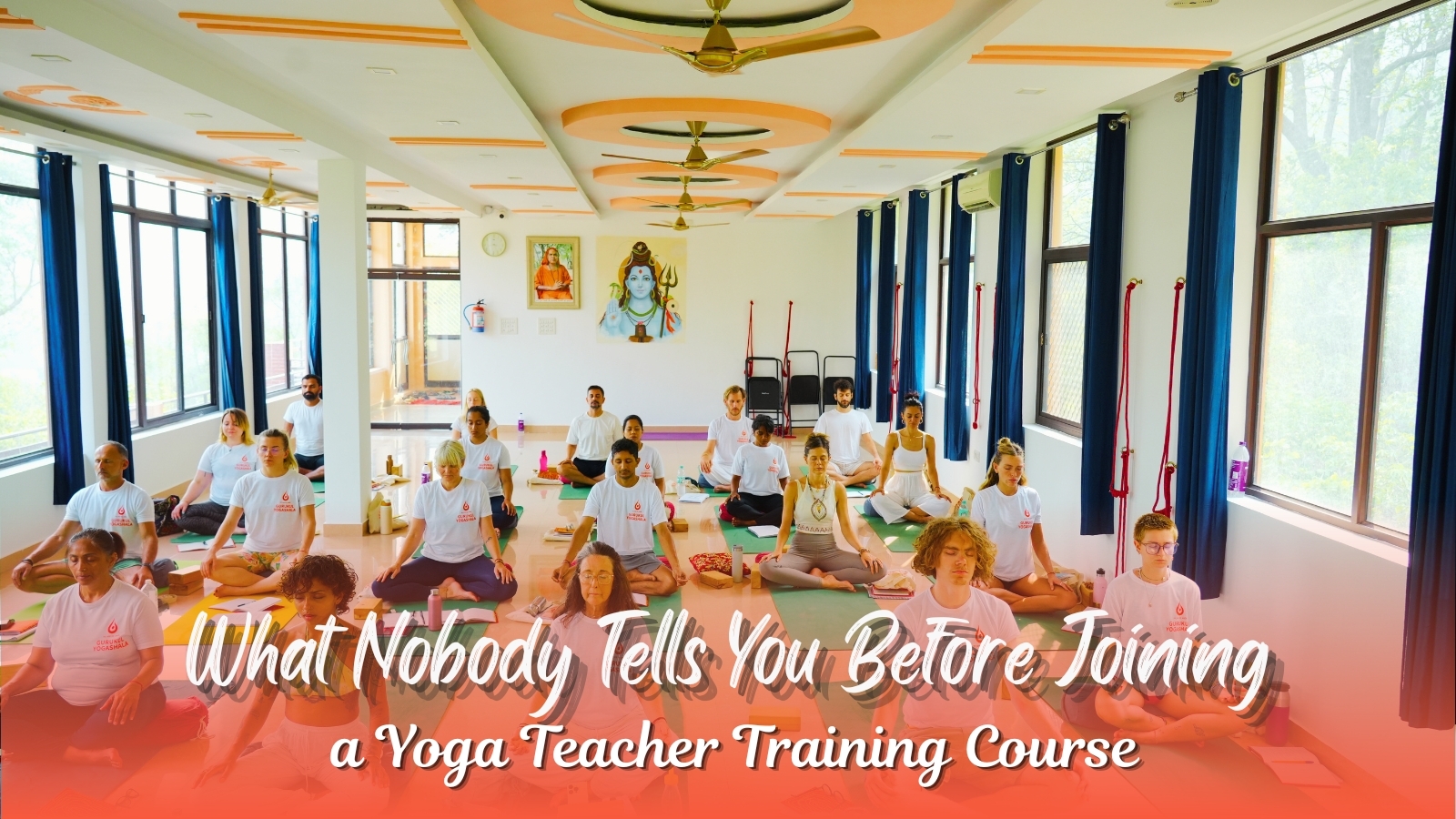
Yoga Teacher Training Course in Rishikesh India | Gurukul Yogashala

What Nobody Tells You Before Joining a Yoga Teacher Training Course

You’ve done your homework, looked through the yoga schools’ websites, watched some Instagram videos about them, and even had a good talk with yourself about whether this is the appropriate moment. You think you have an idea about what your experience will be like.

The reality is that the majority of all people who complete a yoga teacher training program will all tell you the same thing after finishing their training. “I didn’t realise it would be this way.”

Not in a bad way, rather, in an extremely good way; honest, occasionally uncomfortable and ultimately, life-changing. Here are a few items that you may have heard very little about prior to beginning your training. 

1. You’ll Learn More About Yourself Than About Yoga

While of course you will learn postures, breath control, body function and yoga philosophy, quietly, each of the above also has some other personal aspect which will occur at the same time — resurfacing. Old Patterns will arise, things that you have been avoiding will demand your attention; the peace and the silence that come from being in an ashram will help everything that has been hidden come back to the surface. 

This isn’t a warning; this is one of the most tremendous opportunities you will experience while you are participating in training. However, it may be helpful for you to be mindful of this prior to entering into training. 

2. The Yoga Teacher Training Schedule Is Intense, and That’s the Point

You will have early morning practices, theory lessons, pranayama, and evening meditation. Initially, this may seem overwhelming due to bodily changes and adjustments. The schedule’s layout is on purpose. The use of routine is one of the oldest tools of the yogic tradition, and will ultimately help you transition into thriving through your second week of Teacher Training.

Yoga Teacher Training in Rishikesh is an immersion experience beyond just simple classes; it is a full-time practising lifestyle. 

3. You Don’t Need to Be an Advanced Practitioner

Let me be clear: Many people wait to join because they think they are “not ready.” BothThe 100 hour yoga teacher training in Rishikesh is built for those new to yoga and therefore will offer the most basic yet thorough introduction to asanas, breathing, and philosophy. The 200-hour yoga teacher training in Rishikesh is the most popular global program and has absolutely no prior certification requirements. Simply show up and learn. Simple as that.

4. The Friendships You Make Are Unexpectedly Deep

You immediately develop deep connections with your peers after participating in the program because of the shared experiences of early mornings, having meals together, and sharing your feelings. Students come from all over the world and have diverse life experiences; however, by the end of the program, they frequently refer to their classmates as their most important relationships. Many students will continue to keep in touch long after the end of the program.

5. Philosophy Will Surprise You

Most people expect to improve their flexibility in yoga class, and some people (fewer) expect to fall in love with the Yoga Sutras of Patanjali while becoming inspired by a lecture about the Bhagavad Gita. The philosophy classes taught at the best Yoga Schools in Rishikesh are less about textbook theory and more about living wisdom shared by teachers who have actualised these principles for decades. 

6. You’ll Probably Hit a Wall — and That’s Normal

After around seven or eight days, many students experience a difficult time adjusting to their new routine. The excitement of being in a new place is no longer present, fatigue is beginning to take its toll, and individuals are starting to emotionally process their experiences. Teachers commonly refer to this stage of the program as crisis week, which denotes an opportunity for positive change. If you persevere through the challenges and reach the other side, you’ll likely find that you’re going to experience the best and most profound part of your training. 

7. Not Everyone Comes to Become a Teacher

A large number of participants coming to Rishikesh to take one of the 300-hour yoga teacher training in Rishikesh or the 500-hour yoga teacher training in Rishikesh have no intention of teaching professionally. Many of them want personal growth or to enhance their own practice; some of them want to finally permit themselves to develop their inner selves. Each of these motives is completely legitimate, and all of them will be satisfied by the program. 

8. The Location Does More Work Than You Think

Recognised by many of the most dedicated yogis from all over the world, Rishikesh is known for its sacred river and the calming sound of temple bells in the morning; it is also home to the majestic Himalayas, which in clear weather rise majestically above the city. The venue itself adds to the learning experience. You can study yoga anywhere in the world, but you will have a more profound experience in Rishikesh. 

9. You’ll Leave Knowing How Much More There Is to Learn

Completing a quality teacher training course does not leave one with a feeling of accomplishment, but rather opens a door to a long, beautiful, endless hallway filled with lots of opportunities. Finishing the teacher training program leaves most participants with a desire to continue learning; they want to continue practising and to learn more about the philosophy of yoga. 

10. It Will Change Your Relationship with Your Daily Life

The way you breathe. The way you eat. The way you move through stress and discomfort. The things you notice. All of it shifts. Not dramatically, not overnight — but gradually and permanently.

Where You Learn Shapes What You Learn

Each quality of a great yoga school contributes to both the environment and the experience of each student. One of the most traditional yoga schools in Rishikesh, Gurukul Yogashala, has been training students in the spiritual centre of Rishikesh for more than a decade.

With more than 1500 student graduates and a 4.7 average rating, Gurukul Yogashala is able to provide quality teacher training programs, which are supported by Yoga Alliance certification, in traditional, authentic Himalayan yoga. The school philosophy, “you become who you believe you are”, is evidenced through the transformational experiences of each student and exceeded only by the quality and experience of the school’s faculty.

Whether you are doing the 100-hour yoga teacher training in Rishikesh or the 500-hour program, the real learning will take place in the moments between the classes, such as when sharing sattvic food, within the stillness of your early morning practice, and in the moments of stillness by the river.

Yoga Teacher Training in Rishikesh at Gurukul Yogashala is not just about the completion of the course, but also about the experience of the process of transformation that will occur within you.

Frequently Asked Questions (FAQs)

Q1. Is prior yoga experience required to join a TTC at Gurukul Yogashala? 

There are no prerequisites for the 100-hour and 200-hour yoga teacher training courses in Rishikesh; anyone can participate with no prior experience and start their yogic journey! However, to participate in the 300-hour teacher training course in Rishikesh, you must possess a prior 200-hour certificate. While a good physical condition and some experience will benefit you when participating in the 500-Hour yoga teacher training course in Rishikesh, neither is required. 

Q2. What is the difference between the 100, 200, 300, and 500-hour programs? 

The 100-hour YTTC is an introductory course for persons who are new to a structured yoga teaching environment (offered over the course of 12 days). The 200-hour YTTC is the standard course for anyone who has completed the 100 Hour course to become a certified yoga instructor (offered over the course of 22 days). The 300-hour YTTC is designed for those who have already completed their 200-Hour yoga teacher training (offered over the course of 28 days). The 500-hour YTTC is the most comprehensive yoga teacher training program available over an extended duration (50 days). 

Q3. Will my certificate be recognised internationally? 

Yes, with a Registered Yoga School (RYS) designation from Yoga Alliance USA (the largest non-profit yoga certification organisation in the world), you can obtain registration as a Registered Yoga Teacher (RYT) upon completion of your Gurukul Yoga teacher training course. This certification will enable you to become certified to teach at any qualified yoga studio, wellness centre, or yoga teacher training programme worldwide. 

Q4. What does a typical day look like during training? 

A normal day starts with meditation and yoga before the sun rises, having a meal, going to class, and learning about everything, having lunch, having free time, going to class, and studying pranayama or yoga, then having dinner, and often attending a Satsang class (chanting and discussing) to help create an experience of their own. After the first few days, this daily practice becomes nourishing to the student. 

Q5. Why choose Gurukul Yogashala over other schools? 

Gurukul Yogashala is one of the best Yoga Schools in Rishikesh, because of the fact that it is a very traditional yoga school, and therefore, has instructors with an extensive history in the Himalayan mountains. The group sizes are small enough that each student can receive enough attention from the teacher to make a meaningful difference in their practice. Gurukul provides all of this in a comfortable place to stay and eat good, organic, vegetarian food (sattvic). The school combines a true spiritual foundation with an internationally recognised certification program. Therefore, Gurukul is a yoga school that develops the individual as a whole person instead of just as a yogi.
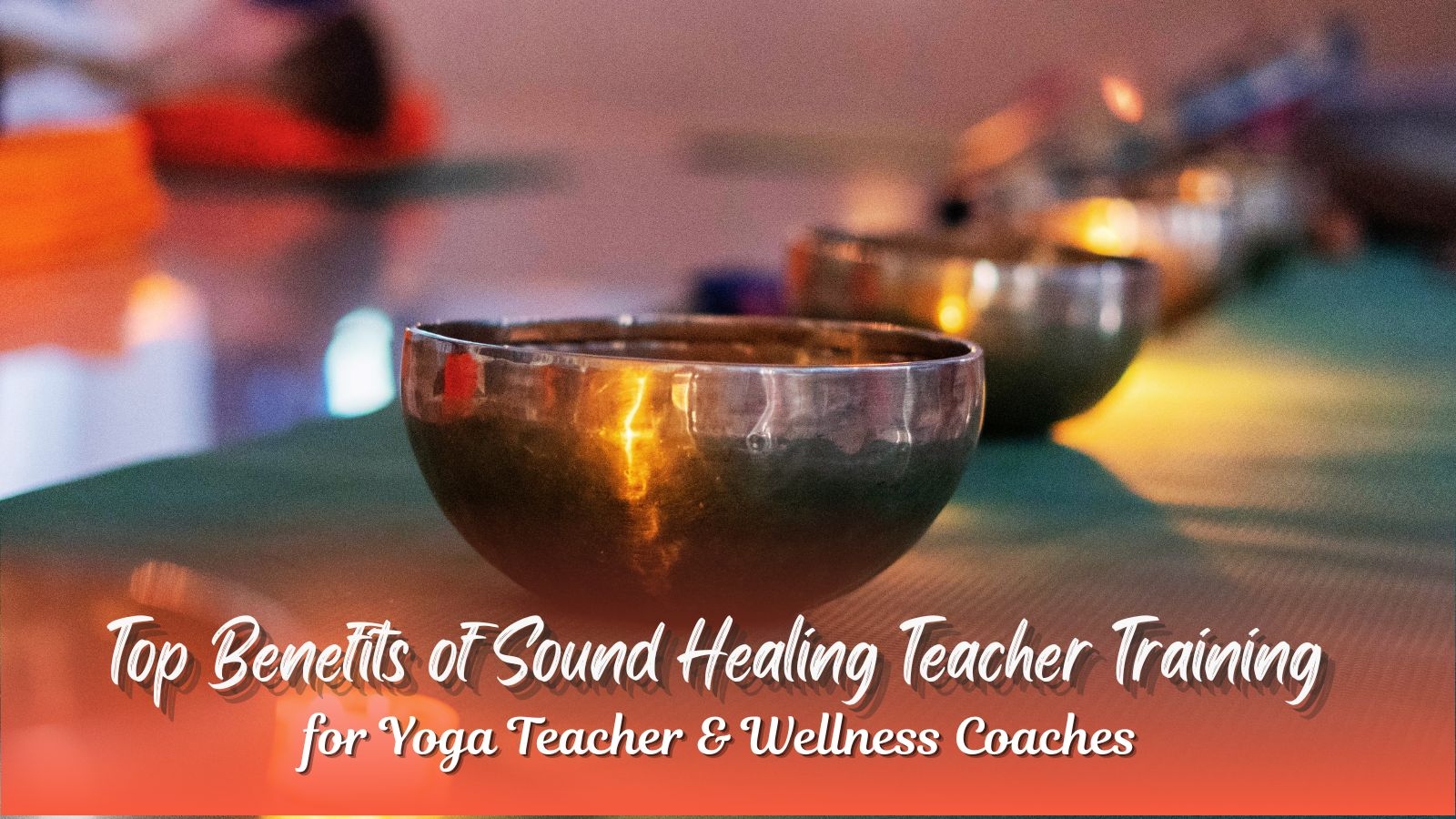
Sound Healing Teacher Training in Rishikesh | Sound Healing TTC Rishikesh | Gurukul Yogashala

Top Benefits of Sound Healing Teacher Training for Yoga Teachers & Wellness Coaches

Are you in a yoga class and ever feel like there is something missing in your practice; a deeper level of healing that the postures won’t reach? Many others have felt this way and are starting to recognize sound healing as being the missing bridge between the physical body (asanas or movement) and deep inner transformation.

If you are a yoga instructor or a holistic wellness service provider, and would like to add this powerful practice into your tool kit, you may want to consider taking sound healing teacher training in Rishikesh

Below are seven reasons why this opportunity may be one of the most rewarding and life changing decisions you will make for yourself and your career. 

What Is Sound Healing, and Why Does It Work?

Sound healing is a method of therapy well known as far back as ancient times, using different kinds of vibrating tools, such as Tibetan singing bowls, gongs, tingsha bells, and human voices, in order to promote healing by restoring balance to the body and mind. Everything in the universe vibrates at a particular frequency, and the basis of sound healing is this understanding; when we experience stress, illness, or trauma (whether emotional or physical), these vibrations get disrupted, and sound helps restore these vibrations back into harmony.

There are many scientific studies that support the idea that there is truth to this philosophy. For example, one study from the Journal of Evidence-Based Integrative Medicine published in 2016 showed that participants who used Tibetan singing bowl meditation showed significant reductions in their levels of tension, anxiety, and negative moods, along with improvements to their overall spiritual well-being. The National Institutes of Health conducted another study showing that low-frequency sound frequencies can help produce changes in brain state activity, from beta (active, stressed) and into alpha and theta brainwave states (relaxed, meditative), which is exactly what we need for deep healing.

For both yoga instructors and wellness coaches, this science provides a powerful opportunity for their students as it indicates that anything they do for their students goes well beyond the act of stretching. It will also create real change in your student’s autonomic nervous system.

Top Benefits of Sound Healing Teacher Training

1. Deepen Your Own Practice First

To be an effective teacher to others; you must first experience healing for yourself. Sound healing training consists of numerous hours spent in an immersive hand-on experience with sound baths, chakra balancing and deep meditations. Most sound healing practitioners describe their experience of attending this type of training as one of the most profound reset button experiences they’ve ever had! Once you have a well-regulated nervous system as an instructor, your teaching will naturally flow from an intuitive, grounded and compassionate place. 

2. Add a Powerful New Modality to Your Classes

Wellness seekers today want more than just a physical workout; they come to the yoga/wellness class carrying stress, grief, trauma and work burnout with them. Sound Healing gives you a proven, gentle, non-invasive way to address both issues, Sound Healing can be creatively integrated as a tool in a number of ways, such as: adding a singing bowl at the beginning of class, to settle the students’ mind; to weaving the sound bowl during savasana, to creating stand-alone sound bath events/experiences. This will enhance your offerings and will set you apart in the rapidly growing wellness/health industry. 

3. Understand the Chakra System on a Whole New Level

As a yoga instructor, you have probably learned about the chakra system on a conceptual level through asana and pranayama. Sound Healing takes those concepts to a new level by connecting each chakra to a different frequency and instrument (i.e. singing bowls) and creating a tangible way to help students work on their energy body. Therefore, if a student comes to you with a heart-related emotional block, you will be able to recommend specific sound frequencies, bowls and techniques to assist them in their healing process. Having this deeper understanding of the chakra system will transform the way you teach and the way you communicate with your students. 

4. Help Students Manage Stress and Anxiety — With Evidence Behind You

Stress and anxiety remain two of the most significant reasons why people seek out yoga and other wellness practitioners in our current climate. An article published in the journal titled “Music therapy for stress reduction: a systematic review and meta-analysis” has revealed that sound therapy is a way to activate the parasympathetic nervous system, which will put you into a state of rest and digest, reducing heart rate, cortisol levels, and calming your mind with scientifically-supported methods when seeking relief from the stresses of living in modern society. Having a sound healing certification means you’ll be able to provide your students with research-supported ways to cope with today’s stressors. 

5. Expand Your Career and Income Opportunities

The global wellness market is worth approximately $5.6 trillion per year and sound healing is one of the fastest-growing Wellness industry sectors. Sound Healing Certification allows Certified Sound Healers to be employed in yoga studios, wellness retreats, corporate wellness programs, hospitals, rehabilitation centres and private practices, making this an extremely lucrative profession. By adding sound healing to your resume, you can host private sessions, group sound baths, incorporate sound healing into workshops or retreat programs, and provide online courses — opening up multiple income potentials. Additionally, your current audience will trust you and look for additional ways to work with you through sound healing. 

6. Strengthen Your Emotional Intelligence as a Teacher

While being technically proficient is important, having emotional intelligence is equally crucial when conducting yoga and coaching sessions. The sound healing training prepares teachers to hold space for students during such events, to assist with emotional releases in class or with students, and to help guide them through their journey of mental, physical, and spiritual experiences. These skills will contribute to your effectiveness as a teacher no matter the environment. 

7. Connect with Ancient Wisdom in Its Birthplace

When sages wrote the Sanskrit verse “Sangeetam Paramanandham” (music is the ultimate bliss), thousands of years ago they were well aware, through experience, that sound is a form of healing. Learning a sound healing course in Rishikesh, which is located on the banks of the Ganga River and has a lot of Himalayan energy, provides you with the opportunity to internalise some of the ancient knowledge of sound healing in the purest environment. The place in which you train is part of your overall training experience. 

Why Choose Gurukul Yogashala for Sound Healing Training?

At Gurukul Yogashala, one of the best yoga schools in Rishikesh, India, the sound healing teacher training in Rishikesh is structured across three progressive levels.

You will receive hands-on training with various Sound Healing Tools: Tibetan Singing Bowls, Tingshas, Gongs and Pyramid Bowls. You will complete your training with a certificate demonstrating your proficiency and the ability to independently provide Certified Sound Healing Facilitator sessions. The 7-Day Sound Healing training will include all three levels of sound healing training; you will be trained by established practitioners supported by a daily menu of Natural, Organic (Sattvic) meals, and comfortable accommodation located on the banks of the Ganga River; your healing will take place within the same time frame as your training.

If you wish to enhance your practice as a Yoga Teacher, we also offer a 100 Hour Yoga Teacher Training course in Rishikesh, 200 Hour yoga teacher training course in Rishikesh, 300 Hour yoga teacher training course in Rishikesh and 500 hour yoga teacher training in Rishikesh and you may combine both your Yoga and Sound Healing Certifications during this journey.

Bottom Line

The use of sound healing is not some passing trend. Sound has been used as an amazing healing tool for thousands of years, and the time has come for it to be treated as an ancient “science”. For yoga teachers and wellness coaches who want to serve their students more deeply, expand their professional skills, and step into a truly holistic practice, sound healing teacher training in India offers an extraordinary opportunity.

Gurukul Yogashala is rooted in the Vedic tradition and teaches this beautiful healing method from experienced instructors that give you both the knowledge and hands-on experience to carry this work forward.

Your voice, your touch, your intention — amplified by sound.

Frequently Asked Questions (FAQs)

Q1. Do I need prior experience in yoga or music to join a sound healing teacher training? 

There is no requirement for either musical or yoga experience to attend a sound healing teacher training. This is an OPEN training to everyone; whether you are a yoga teacher, wellness coach, therapist, or a beginner exploring your curiosity with sound healing. The techniques are taught from the ground up, and any individual that feels a calling to study this will be able to learn how to work with and use the instruments as well as facilitate sessions. 

Q2. How is sound healing different from a regular meditation class? 

In regular meditation classes, you make use of the breath or mental focus in order to quiet your mind. In sound healing, the vibrations from the various instruments will do most of the work for you. The frequencies that create sound from the instruments will entrain your brainwave patterns into states of relaxation and meditation. Consequently, sound healing is an excellent choice for persons who have trouble with conventional forms of silent meditation or who are dealing with high levels of tension and emotional traumas that are trapped inside their bodies. 

Q3. Can I combine sound healing training with yoga teacher training in Rishikesh? 

Definitely. Many participants end up doing their sound healing yoga teacher training in Rishikesh with the 200-hour or 300-hour yoga teacher training programs at Gurukul Yogashala. The two modalities work well together, with the healing benefits of yoga preparing your physical and energetic bodies for sound healing therapy, which in turn provides tremendous benefits to your meditative and emotional aspects of being healthy. 

Q4. What instruments will I learn to use during the training? 

You will work with Tibetan singing bowls (of various sizes), tingsha bells, gongs, pyramid bowls and many other traditional sound instruments while taking the training program. You will receive instruction on how to select, hold, strike and rub each of the sound instruments appropriately as well as how to combine them together for specified purposes, including balancing the chakras, reducing stress and relieving pain and emotional issues.

Q5. Is the sound healing certification recognised internationally? 

Yes. The Gurukul Yogashala is an internationally recognised Yoga Alliance school and therefore all of its credentials are internationally recognised. At the successful conclusion of this sound healing training course you will be issued a certificate of completion that validates you as a sound healer globally, regardless of where in the world (India, Europe, USA, or anywhere else) you choose to practice as a sound healer. 

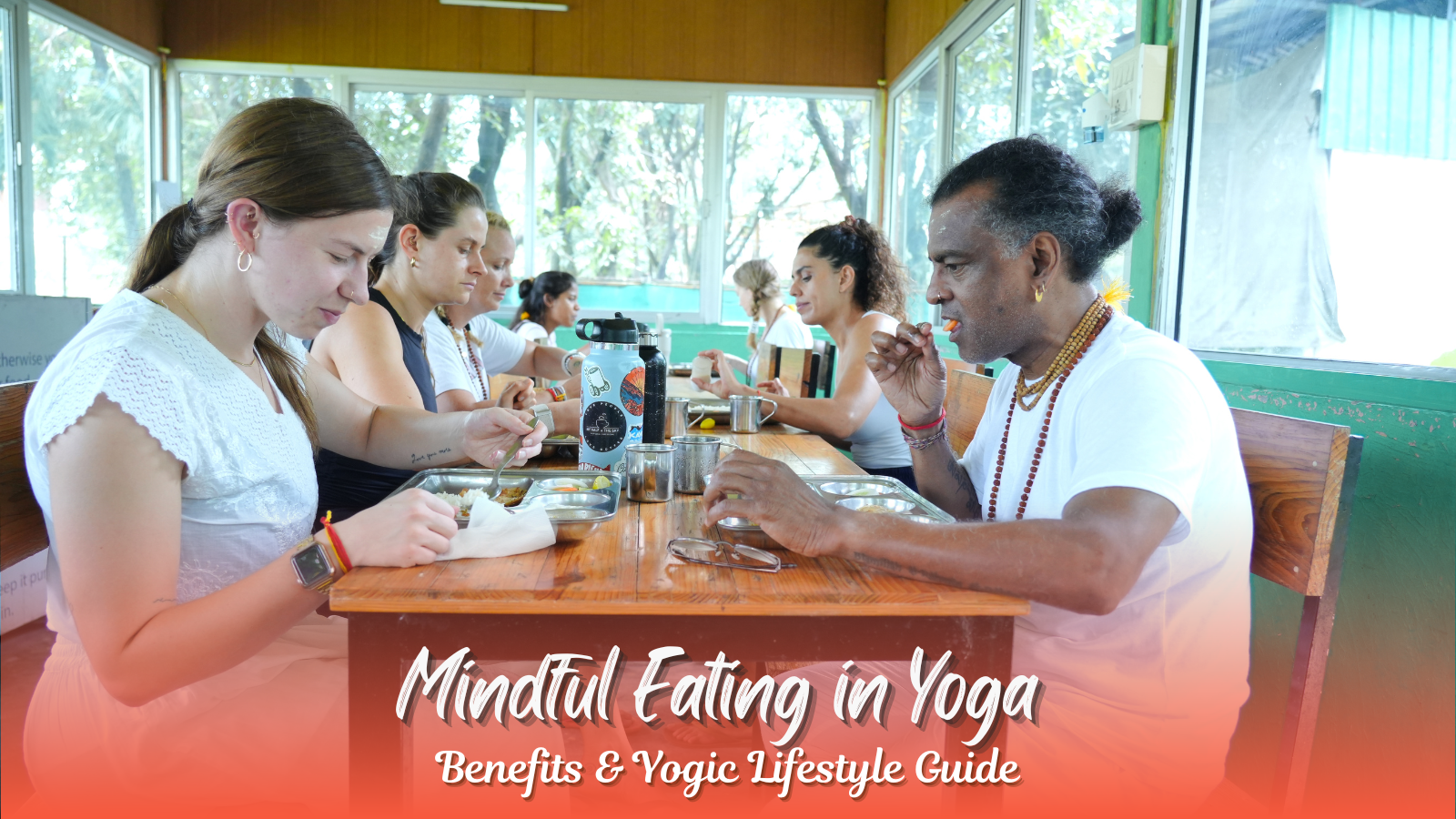
Mindful Eating in Yoga: Benefits, Practices & Yogic Lifestyle Guide

Mindful Eating in Yoga – Benefits & Yogic Lifestyle Guide

In today’s busy world, convenience often matters more than awareness. Eating has become a quick habit rather than a mindful act. Many of us eat while scrolling on our phones, watching TV or working. Our body gets the food, but our mind is somewhere else. This lack of attention while eating is one of the main reasons for poor digestion, overeating, and not feeling satisfied after meals.

In yoga philosophy, Sattvic food is not just fuel for the body. It is prana— the life force energy—that nourishes the body, mind and spirit. That’s why mindful eating is an important part of a yogic lifestyle. When we eat with awareness, we bring harmony, balance and deeper connection within ourselves.

Learn mindful eating practices during your 200-hour Yoga Teacher Training in Rishikesh.

Mindful Eating in Yoga: How Awareness Transforms Health & Lifestyle

Mindfulness has become a very common term these days. But its meaning is more profound than how we use it in our daily lives. Simply put, mindfully means being fully present in the moment with awareness and without judgement.

In a yogic sense, mindfulness is closely related to dhyana (meditation) and pratyahara (withdrawal of senses). It is about drawing attention inward, observing thoughts & actions consciously and making choices that bring balance and harmony.

When we apply mindfulness to eating, it means being completely aware of:

  • What we are eating
  • How it smells, tastes and feels
  • The signals of hunger and fullness from our body
  • The emotions and thoughts that arise while eating

This mindful way of eating not only improves your digestion but also clears your mind, balances your emotions and supports your spiritual growth.

What Is Mindful Eating in Yoga?

Mindful eating means paying full attention to the food you eat—being present in the moment without any judgment. It’s about noticing the taste, smell, texture, and the whole experience of eating. This practice is not about counting calories, carbs, fat or protein. The main goal of mindful eating is not weight loss, though many people naturally end up eating less and feeling healthier with it. The true purpose is to enjoy each bite, appreciate the food and be fully present while eating.

Why Mindful Eating Is Essential in a Yogic Lifestyle

One of the most famous Sanskrit verses is:

अन्नं ब्रह्मा रसो विष्णुः भोजना देवता स्मृतः। भुक्ते भक्त्या ततः पश्चात् त्रिप्तिः प्रजायते॥

(Translation: Food is Brahma, taste is Vishnu and digestion is a divine process. When food is consumed with devotion, it leads to satisfaction and nourishment.)

This verse teaches that food should be eaten with gratitude and awareness.

The Yogic View of Food (Sattvic, Rajasic & Tamasic)

In yoga food is seen as one of the pillars of a healthy and spiritual life. The ancient texts categorize food into three types:

  1. Sattvic foods – Pure, light and nourishing (fruits, vegetables, whole grains, nuts, seeds).
  2. Rajasic foods – Stimulating and overly spicy, leading to restlessness.
  3. Tamasic foods – Heavy, processed or stale, causing lethargy.

Mindful eating naturally brings us closer to sattvic yogic diet, which gives clarity, peace and energy. In a healthy yogic lifestyle, mindful eating means:

  • Eating at regular times with awareness.
  • Chewing food slowly and thoroughly.
  • Avoiding overeating or emotional eating.
  • Choosing fresh, natural, and balanced meals.
  • Offering gratitude before eating, and remembering that food is prana – life energy.

The Modern Challenge – Screen-Time & Distracted Eating

One of the biggest problems with mindful eating today is using screens while eating. Many people watch Netflix at dinner, scroll Instagram at breakfast or check emails at lunch. Parents also often give phones or turn on the TV to make kids eat, but this creates an unhealthy habit.

Why Eating Without Awareness Affects Digestion & Health

  • Mind-body disconnect: When attention is on a screen, we don’t notice when we are full. This often leads to overeating.
  • Weak digestion: Ayurveda says food should be eaten calmly. Eating with stress or distraction weakens agni (digestive fire), which can cause gas, acidity or indigestion.
  • Less joy: Eating without focus takes away the taste and joy of food, leaving us unsatisfied and still craving more.
  • Unhealthy choices: Screen-time snacking often means eating chips, sweets or processed food without realizing how much.

Simple tips to avoid screen eating:

  • Keep phones and TV away during meals.
  • Make mealtimes a “no-screen zone” for the whole family.
  • Focus on the colors, smell and taste of your food.
  • Teach kids mindful eating by making food time fun, not a trade for TV or phones.

How to Practice Mindful Eating Daily

Beginning mindful eating is simple if you take it step by step. Here are some easy ways to start:

  • Start small: Pick one meal or snack a day to eat mindfully.
  • Cut distractions: Keep away phones, TV or work while eating. Focus only on your food.
  • Feel gratitude: Before eating, thank the food and the people who helped bring it to your plate.
  • Use your senses: Look at the colors, smell the aroma and notice the texture before the first bite.
  • Eat slowly: Take a few deep breaths, chew well, and enjoy the taste. Put down your spoon or fork between bites.
  • Listen to your body: Pause and notice if you are still hungry or already full. Stop when you feel satisfied.
  • Stay present: If your mind wanders, gently bring it back to the act of eating.
  • Reflect: After finishing, notice how your body and mind feel.

Mindful eating is not about being perfect. It’s a gentle practice that grows with patience and awareness. Remember to start small, be kind to yourself and enjoy the journey towards a healthy life.

Benefits of Mindful Eating in Yoga Practice

Mindful eating is not just about food- it changes our body, mind, and spirit. When combined with yogic living, it brings deep transformation.

1. Physical Health

  • Improves digestion and helps the body absorb nutrient better.
  • Helps maintain a healthy weight naturally.
  • Prevents overeating and supports metabolism.
  • Reduces digestive issues like bloating, constipation and acidity.

2. Mental Well-being

  • Brings calmness and reduces stress.
  • Improves focus and concentration.
  • Increases satisfaction from meals and reduce unnecessary cravings.
  • Reduces emotional eating patterns.

3. Spiritual Connection

  • Aligns eating with yogic values of sattva, purity and balance.
  • Build gratitude for nature, farmers and the universal energy providing food.
  • Strengthens the body-mind connection, supporting deeper meditation.

Mindful Eating in Yoga Teacher Training (TTC) in Rishikesh

Rishikesh, the Yoga Capital of the World, is not only a hub for yoga practice but also for learning how to live a holistic and healthy life. A Yoga Teacher Training Course (TTC) in Rishikesh teaches so much more than asanas. It helps students to adopt a balanced way of life, including mindful eating practices. TTC students understand sattvic, rajasic, and tamasic foods and their impact on body and mind. They have their meals in silence, with awareness and at fixed times which helps building healthy habits. Many TTC programs also include Ayurveda, helps understand how to eat according to body constitution (dosha) and seasonal needs, also sharing meals with like-minded yogis in a sattvic environment promotes mindful eating.

Practical Tips for Practicing Mindful Eating at Home

  1. Remove distractions: Keep phones and screens away during meals.
  2. Eat in silence sometimes: Allow your senses to fully experience food.
  3. Offer gratitude: A short prayer or moment of thankfulness before eating increases mindfulness.
  4. Chew slowly: Digestion begins in the mouth, so chew well.
  5. Listen to your body: Stop when you are satisfied, not when you are overly full.
  6. Choose sattvic foods: Fresh, natural, plant-based meals bring clarity and energy.
  7. Eat at regular times: Try to have meals at the same time each day in tune with your body’s natural rhythms.

Frequently Asked Questions on Mindful Eating

1. What is mindful eating in yoga?

Mindful eating in yoga means being fully present while eating, choosing sattvic foods and honouring food as a source of prana, rather than consuming it unconsciously or out of habit.

2. How does eating with screens affect mindfulness?

Using screens while eating distracts the mind, leading to overeating, poor digestion and a lack of satisfaction. It disconnects us from the act of nourishing ourselves.

3. Can mindful eating help with weight loss?

Yes. By becoming aware of hunger and fullness cues, mindful eating prevents overeating and emotional eating, leading to natural weight management.

4.How does Yoga Teacher Training in Rishikesh support mindful eating?

TTC in Rishikesh integrates yogic diet principles, Ayurveda and daily mindful eating practices that help students adopt long-term healthy eating habits.

5. Is mindful eating only about what we eat?

No, mindful eating is not only about food choices but also how we eat—our awareness, gratitude, pace and connection with food all matter.

Conclusion – Bringing Mindful Eating into Your Yogic Lifestyle

Mindful eating is more than a diet—it is a way of respecting life. In yoga, food is sacred energy and how we eat affects our body, mind and spirit. By eating with awareness, we move away from distracted habits and reconnect with real nourishment.

Bringing mindful eating into daily life brings balance, clarity, and good health. A Yoga Teacher Training Course in Rishikesh is a wonderful way to explore this practice along with yogic diet and lifestyle.

So, at your next meal, pause, breathe and be present. Let your food not just fill you, but also awaken gratitude and awareness.

Join a Yoga School in Rishikesh and explore how food becomes prana (life energy) in a yogic lifestyle.

Visa Requirements for Traveling to India

Visa Requirements for India: A Complete Guide for Travelers

Are you planning to travel to India? Whether you’re visiting for leisure, business, or yoga training in Rishikesh, obtaining the right visa is crucial. The process can vary based on nationality, visa type, and purpose of visit. This guide will cover everything you need to know about the visa requirements for India, including costs, processing times, and eligibility criteria.


Who Needs a Visa to Enter India?

Not all travelers require a visa to enter India. Here’s a breakdown:

✔️ Visa Exempt Countries:

  • Citizens of Bhutan and Nepal do not need a visa.
  • Maldives citizens can stay in India for up to 90 days without a visa unless arriving from Mainland China.

✔️ Transit Visa:

  • Required if you are staying in India for less than 72 hours and have a confirmed onward flight.
  • Without a confirmed ticket, you will need to apply for an Indian visa before arrival.

Types of Indian Visas

India offers different types of visas based on the purpose of travel:

  • Tourist Visa (for sightseeing, cultural trips, yoga retreats)
  • Business Visa (for meetings, trade, and conferences)
  • Student Visa (for educational courses)
  • Employment Visa (for job opportunities in India)
  • Journalist Visa (for media professionals)
  • Intern Visa (for internships in Indian organizations)

✔️ Tourist Visa Duration:

  • Can be issued for 60 days to 10 years, but each stay is limited to 90 days per visit.
  • A 2-month gap is required between two visits on a tourist visa.

If you’re visiting for yoga training, consider a 200-hour, 300-hour, or 500-hour yoga teacher training course in Rishikesh, as these programs require specific visa approvals.


Indian Visa Costs for Different Countries

The e-visa cost for India and regular visa fees vary based on nationality:

  • US Citizens: $100 for a 10-year tourist visa.
  • Mongolian & Japanese Citizens: Pay a lower fee than others.
  • Visa-Free Countries: Maldives, South Africa, Bangladesh, Jamaica, North Korea, Afghanistan, Mauritius, Uruguay, Seychelles.
  • Australia Ballot Visa for Indian Citizens: Special visa category available for Australian travelers.

Note: Even if the visa is free, applicants must pay a visa processing fee.


How to Apply for an Indian Visa

The Indian visa for US citizens, Turkish citizens, and other foreign travelers follows an online application process. The Indian government has outsourced Visa Requirements processing to private agencies, so always check their licenses before applying.

Steps to Apply for an Indian Visa:

  1. Complete the Online Visa Form on the official Indian government website.
  2. Pay the Visa Fee, including processing charges.
  3. Submit Required Documents to the visa agency or embassy.
  4. Wait for Processing (usually 15 working days).
  5. Receive Your Visa Stamping via mail or pick it up from the visa office.

Documents Required for an Indian Visa

Before applying for Visa Requirements, ensure you have these essential documents:

✔️ For Regular Visa Application:

  • Original passport (valid for at least 6 months with 2 blank pages).
  • Recent passport-size photograph.
  • Flight ticket copies.
  • Proof of accommodation (hotel booking or invitation from an Indian resident).
  • Residential proof (address verification).

✔️ For e-Visa Application:

  • Scanned copy of passport (first and last page).
  • Passport-size photograph (white background).
  • Confirmed return ticket.

Post-Arrival Documents:

  • Printed e-visa approval.
  • Passport with visa stamp.
  • Valid medical insurance for the entire stay.

Indian E-Visa: Eligibility & Process

The e-Visa for India is a faster alternative to a regular visa. It is available for tourists, short business visits, and medical treatments.

✔️ Eligibility for an Indian E-Visa:

  • Must be traveling for tourism, medical reasons, or short-term business.
  • Passport must have at least 6 months validity with 2 blank pages.
  • Must provide return ticket proof.

✔️ Processing Time:

  • Takes 3-5 business days for approval.

✔️ E-Visa Validity & Cost:

  • Valid for 60 days with 3 entries allowed.
  • Cost varies by country (for example, $102.50 USD for US citizens).

✔️ VOA (Visa on Arrival) for Select Citizens:

  • Available for Japan, South Korea, and UAE citizens.
  • Must apply online 4 days before travel.
  • Only issued at major Indian airports (Delhi, Mumbai, Chennai, Hyderabad, Kolkata, Bengaluru).

Visa Requirements for US Citizens Traveling to India

If you’re applying for an Indian visa for US citizens, follow these steps:

  1. Download the Indian Visa Application Form and fill it out correctly.
  2. Ensure Signature Matches Your Passport to avoid rejection.
  3. Attach a Passport-Size Photo (white background, no glasses).
  4. Submit the Form & Documents to the nearest visa processing center.
  5. Receive Your Visa via post or collection.

Common Reasons for Indian Visa Rejections

Your visa for India from the USA or any other country might be rejected due to:

Missing Information: Incomplete forms lead to automatic rejection.
Insufficient Documents: If you fail to provide required paperwork.
Passport Issues: If your passport has less than 2 blank pages.


Travel Tips for a Smooth Indian Vacation

Whether you’re visiting India for adventure, cultural experiences, or the Best Yoga Teacher Training in Rishikesh, keep these tips in mind:

✔️ Stick to Iconic Attractions: Taj Mahal, Jaipur’s palaces, Kerala’s backwaters, and Rishikesh’s yoga retreats.
✔️ Stay Hydrated & Carry Essentials: Always have bottled water, tissues, and hand sanitizers.
✔️ Mention Food Preferences: Indian food can be spicy—request mild options if needed.
✔️ Bargain While Shopping: Haggling is common in Indian markets.
✔️ Respect Religious Places: Follow local customs and dress modestly when visiting temples.
✔️ Experience Public Transport: Take a local train or rickshaw ride for an authentic experience.


Final Thoughts

Understanding visa requirements for India is essential before traveling. Whether you’re a US citizen, Turkish traveler, or Australian visitor, following the right visa application process will ensure a hassle-free journey.

If you’re visiting for Best Yoga Teacher Training in Rishikesh, make sure your visa covers your stay duration. Apply in advance, have all necessary documents ready, and enjoy your Indian adventure!

Rishikesh Tour

Rishikesh Tour Guide: A Complete Travel Itinerary for an Unforgettable Experience

Rishikesh Tour Guide

Why Visit Rishikesh?

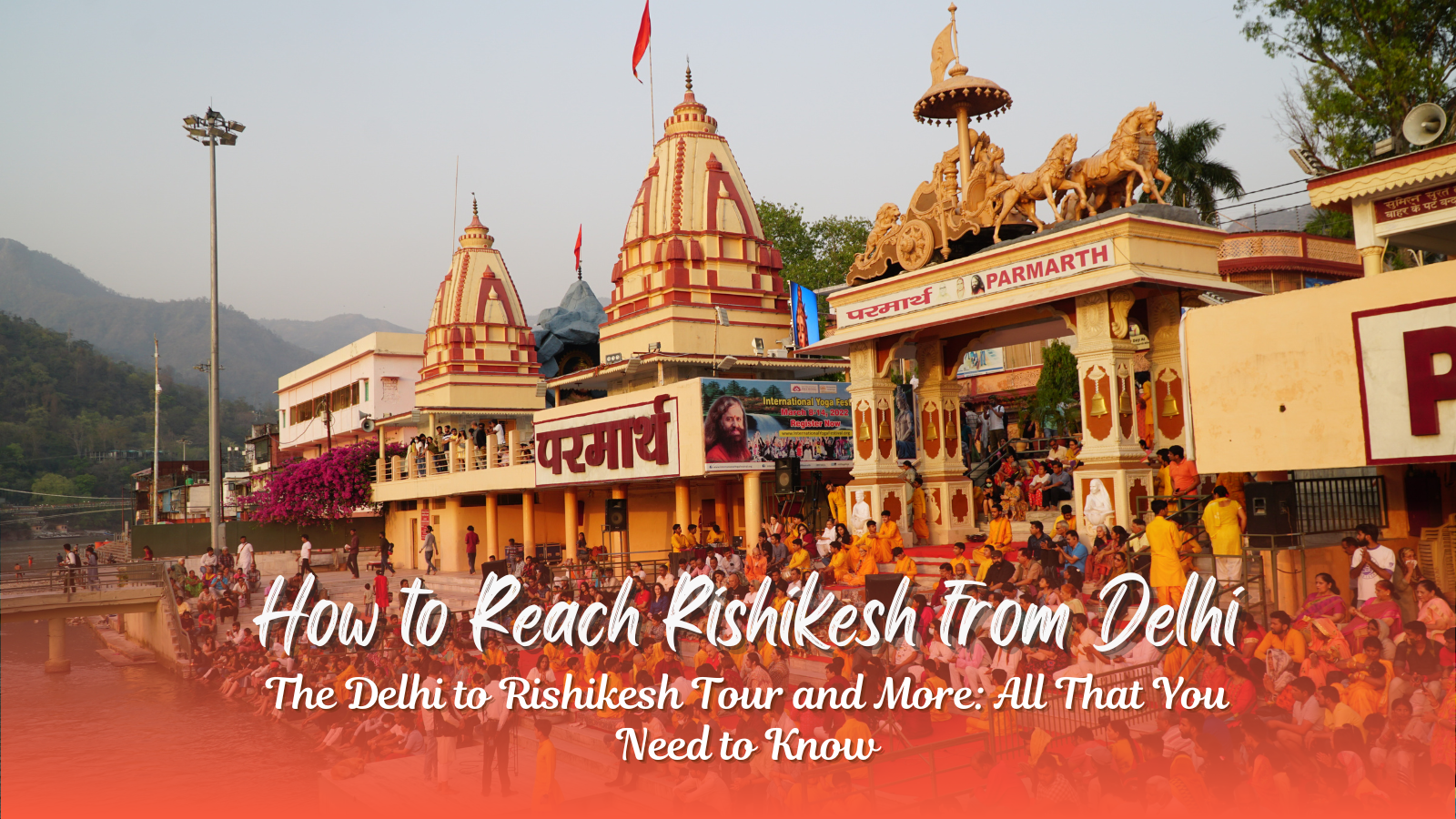
Rishikesh, the Yoga Capital of the World, is a mesmerizing destination that blends spirituality, adventure, and nature. Whether you seek a serene retreat, thrilling water sports, or cultural exploration, a Rishikesh tour package offers something for every traveler.

Spiritual & Cultural Significance

  • Home to sacred temples like Neelkanth Mahadev Temple, Bharat Mandir, and Trimbakeshwar Temple.
  • Pilgrims take a holy dip in the Ganges River, believed to wash away sins.
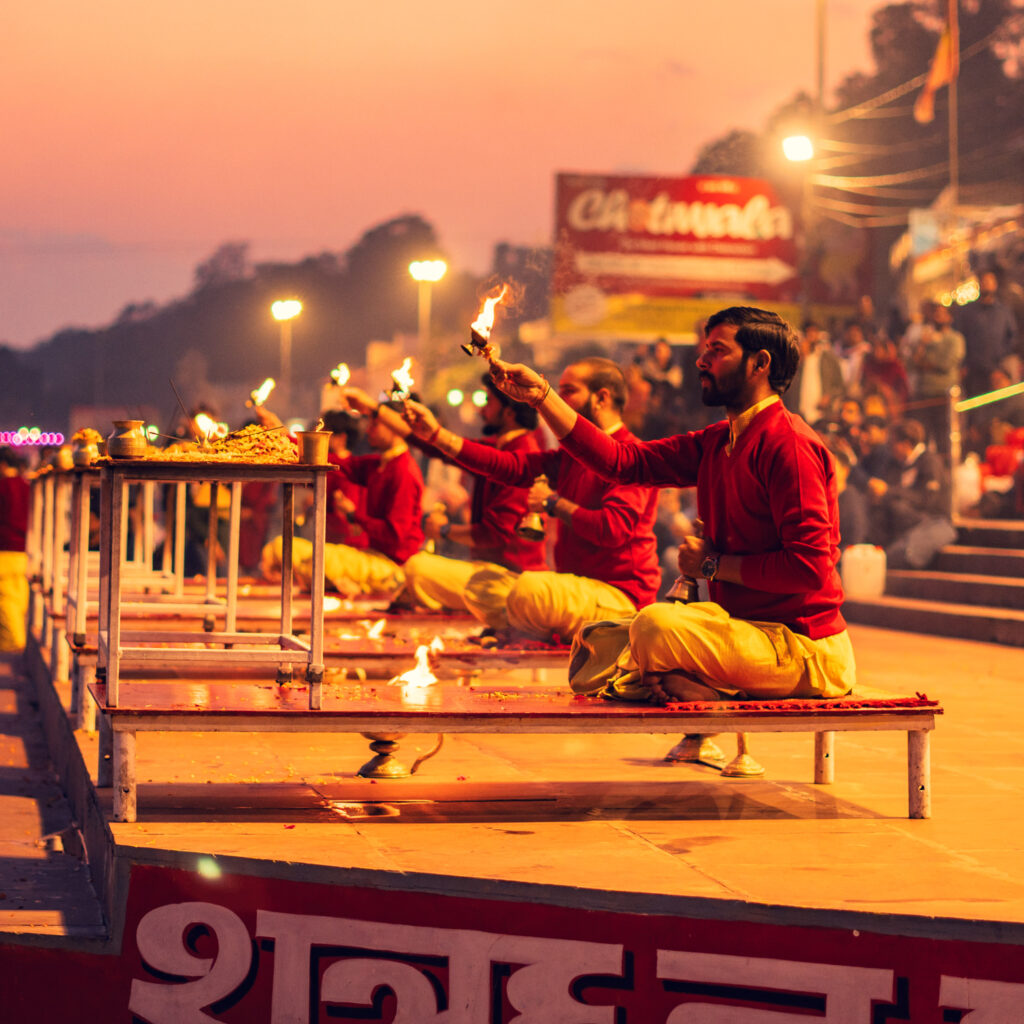
  • The mesmerizing Ganga Aarti at Triveni Ghat is a must-experience spiritual ritual.
  • Explore ancient ashrams and meditation centers, perfect for soul seekers.
Rishikesh Tour Guide - Best Yoga Teacher Training School in Rishikesh | Gurukul Yogashala

The Yoga Capital of the World

  • Best Yoga Teacher Training in Rishikesh attracts practitioners from across the globe.
  • Renowned centers offer 200 Hour Yoga Teacher Training Course in Rishikesh, 300 Hour, and 500 Hour programs.
  • Learn traditional yoga, meditation, and Ayurveda amidst the serene Himalayas.
  • Ideal for beginners and advanced yogis seeking inner peace and wellness.

Adventure Activities in Rishikesh Tour

  • White Water Rafting – Experience the thrill of rafting in the fast-flowing Ganges.
  • Bungee Jumping – Take a daring leap from the Mohan Chatti Bridge.
  • Trekking – Explore scenic trails through the Himalayan foothills.
  • Camping – Spend nights under the stars by the riverside.
  • Mountain Biking – Ride through rugged terrains with breathtaking views.

Scenic Beauty & Tranquility

  • Surrounded by lush greenery, towering mountains, and the serene Ganges.
  • Breathtaking sunrise and sunset views make it an ideal retreat from city life.
  • Experience peace while practicing yoga by the river or meditating in the Himalayas.

Rishikesh Food Tour

  • Indulge in delicious local vegetarian cuisine.
  • Try authentic dishes at Chotiwala Restaurant, The Beatles Café, and Ayurpak.
  • Enjoy organic, sattvic meals and Ayurvedic herbal teas.

Rich Cultural Heritage

  • The city’s colorful markets, traditional music, and vibrant festivals showcase its unique culture.
  • Participate in festivals like Mahashivratri, International Yoga Festival, and Diwali.
  • Witness the magical evening Aarti, with hundreds of lamps floating on the river.

Healing & Wellness Retreats

  • Rishikesh is home to Ayurvedic spas, naturopathy centers, and wellness resorts.
  • Experience Ayurvedic massages, detox programs, and holistic treatments.
  • A perfect escape for mental, physical, and spiritual rejuvenation.

Top Places to Visit in Rishikesh

1. Lakshman Jhula & Ram Jhula

  • Iconic suspension bridges with breathtaking views of the Ganges.
  • Surrounded by temples, yoga centers, and bustling markets.

2. Neelkanth Mahadev Temple

  • A sacred shrine dedicated to Lord Shiva.
  • Located amidst dense forests and scenic mountains.

3. Triveni Ghat

  • The most sacred bathing ghat in Rishikesh.
  • Experience the grand Ganga Aarti at sunset.

4. Beatles Ashram

  • The famous ashram where The Beatles practiced meditation.
  • A peaceful place with colorful graffiti and serene vibes.

5. Rajaji National Park

  • Spot elephants, tigers, and exotic birds in this wildlife sanctuary.
  • Enjoy jeep safaris and nature walks.

Things to Do in Rishikesh

1. Experience River Rafting

  • Rishikesh tour places offer world-class white water rafting.
  • Choose from multiple rafting routes based on difficulty levels.

2. Try Bungee Jumping

  • India’s highest bungee jump at Mohan Chatti.
  • Feel the adrenaline rush as you free-fall from 83 meters.

3. Take a Rishikesh Food Tour

  • Savor local flavors, street food, and organic delicacies.
  • Enjoy traditional North Indian dishes, Thalis and fusion cuisine.

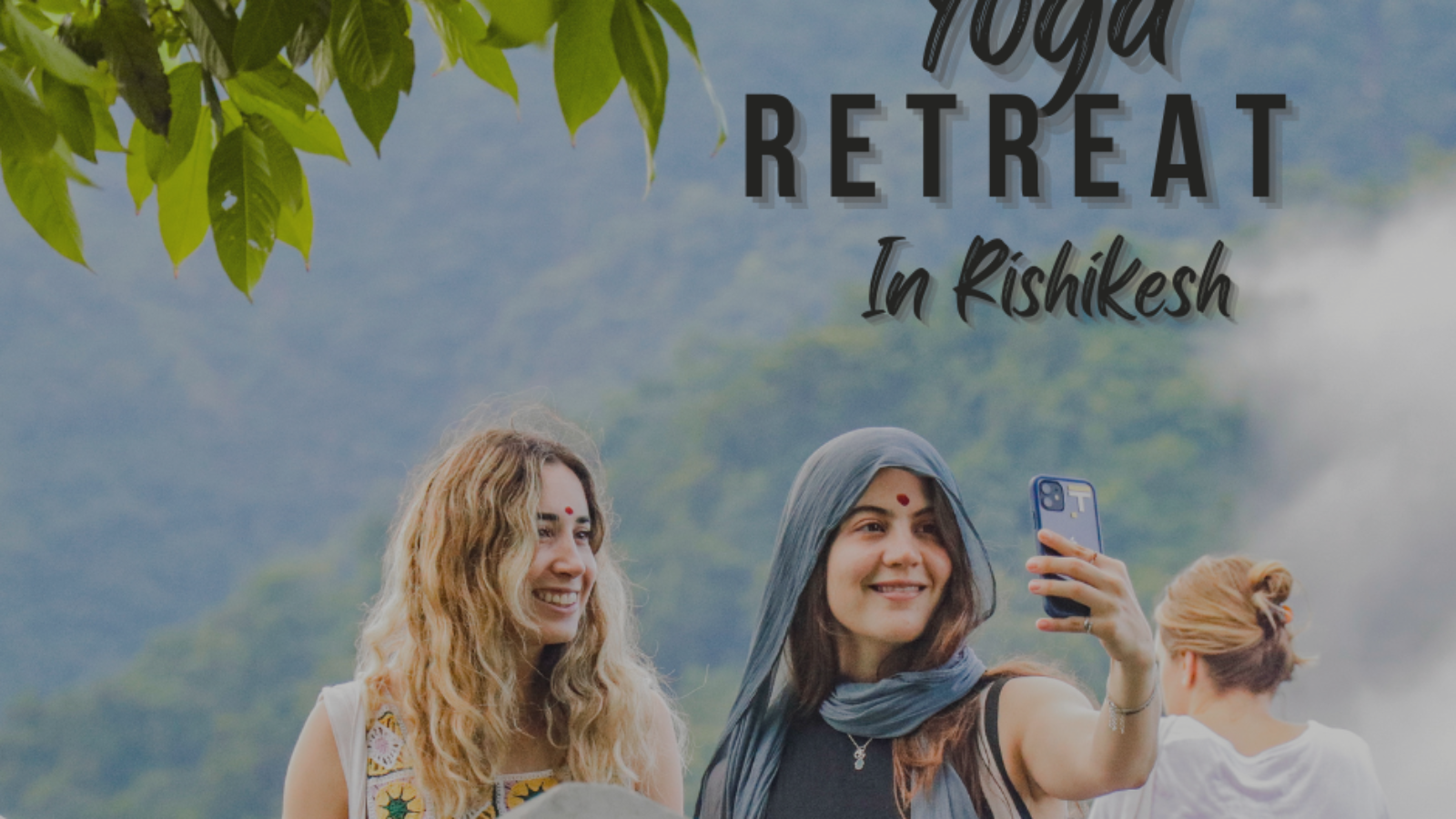
4. Join a Yoga Retreat

5. Camp by the Ganges

  • Spend the night under the stars with a bonfire.
  • Enjoy riverside camping, trekking, and adventure activities.

How to Reach Rishikesh from Delhi

By Bus

  • Multiple buses run daily from Delhi to Rishikesh.
  • Board from Kashmere Gate ISBT – choose from Volvo, semi-deluxe or ordinary buses.
  • Travel time: 6-7 hours.

By Train

  • Several trains connect Delhi to Rishikesh daily.
  • The journey takes around 6-7 hours.
  • Nearest railway station: Haridwar Junction (25 km from Rishikesh).

By Flight

  • Nearest airport: Jolly Grant Airport, Dehradun (35 km from Rishikesh).
  • Hire a cab or taxi for a 1-hour drive to Rishikesh.

Best Time to Visit Rishikesh

  • September to November – Ideal for adventure activities.
  • February to April – Best for relaxing tours, yoga, and spiritual retreats.
  • Winter (December to February) – Perfect for those who enjoy chilly weather.

Conclusion

A Rishikesh tour package is the perfect blend of spirituality, adventure, nature, and culture. Whether you’re looking for a yoga retreat, thrilling river rafting, or a peaceful escape, Rishikesh has something for everyone.

If you’re traveling from the capital, opt for a Delhi to Rishikesh tour package to make your journey seamless. Plan your trip now and experience the magic of Rishikesh!

Rishikesh Food Culture

Exploring Rishikesh Food Culture: Top 7 Vegan-Friendly Restaurants In Town

Rishikesh food culture, uncovering traditional dishes, top food places, Rishikesh is more than just the yoga capital of the world; it is also a paradise for food lovers. Nestled in the foothills of the Himalayas, this spiritual hub is famous for its sattvic food, Garhwali cuisine, and diverse vegan options. Whether you’re in the city for a 200-hour yoga teacher training course in Rishikesh or just exploring its scenic beauty, the local food scene is a must-try.

Let’s take a deep dive into the Rishikesh food culture, uncovering traditional dishes, top food places, and the growing influence of veganism in yoga lifestyle.


Garhwali Cuisine: A Taste of the Himalayas

Garhwali cuisine is known for its simplicity, rich flavors, and high nutritional value. The locals use locally sourced grains, lentils, and leafy greens to create wholesome meals.

Key Features of Garhwali Cuisine:

  • Use of Millets and Whole Grains – Staples include finger millet, barnyard millet, and barley, ideal for cold climates.
  • Minimal Use of Oil & Spices – Mustard oil is commonly used, along with black cumin, oregano, and fenugreek.
  • High-Protein Lentils & Pulses – Lentil-based dishes like Gahat ki Dal and Phaanu are rich in protein.
  • Traditional Cooking Methods – Many dishes are cooked over wood fires, enhancing their earthy flavors.

Must-Try Garhwali Dishes in Rishikesh:

Kafuli – A spinach-based dish cooked with rice flour and local spices.
Phaanu – A protein-packed lentil dish made from a mix of pulses.
Aloo Ke Gutke – Spicy, roasted potatoes, a local favorite.
Jhangora Ki Kheer – A sweet dish made from barnyard millet and milk.
Chainsoo – A thick curry made from roasted black gram dal.

If you’re pursuing a 300-hour yoga teacher training in Rishikesh, you’ll likely get a taste of these sattvic and traditional dishes at your yoga school in India.


Sattvic & Vegan Food: The Heart of Rishikesh Food Culture

Veganism has become a global movement, but in Rishikesh food culture, it has been an integral part of yogic traditions for centuries. Many yoga teacher training schools in Rishikesh, including Gurukul Yogashala, serve pure sattvic and vegan-friendly meals.

Why is Vegan Food Popular in Rishikesh?

  • Sattvic Diet & Yoga – Sattvic food is considered pure, promoting mental clarity and spiritual growth.
  • Alignment with Ahimsa (Non-Violence) – Avoiding animal-based products supports a compassionate lifestyle.
  • Health Benefits – A plant-based diet helps prevent lifestyle diseases and boosts digestion.

Many students enrolled in 500-hour yoga teacher training in Rishikesh find that veganism enhances their yoga practice, keeping their body light and energized.

Rishikesh Food Culture

Top 7 Vegan-Friendly Restaurants in Rishikesh

If you’re on a Rishikesh food culture, here are the best vegan-friendly cafés you must visit:

1. TATTV Café

  • Offers vegan, lactose-intolerant, and European dishes.
  • Cozy ambiance with indoor seating.

2. Beatles Café (60’s Café Delmar)

  • Inspired by The Beatles, who meditated in Rishikesh.
  • Famous for vegan protein pancakes and plant-based pizzas.

3. The Arches

  • Serves gluten-free, wheat-free, and 80% fat-free meals.
  • Perfect for yogis looking for healthy food options.

4. Secret Garden Café

  • A hidden gem offering vegan and gluten-free meals.
  • Surrounded by lush greenery, perfect for nature lovers.

5. The Juice House

  • Best place for fresh smoothies, juices, and herbal drinks.
  • Located near Parmarth Niketan Ashram, a popular yoga hub.

6. Free Spirit Café

  • Offers a variety of international vegan-friendly meals.
  • Famous for its organic and farm-fresh ingredients.

7. Cookie Lady Café

  • Specializes in vegan desserts and plant-based breakfast items.
  • Uses soy, almond, and oat milk as dairy alternatives.

If you’re undergoing an Ashtanga yoga teacher training in Rishikesh, these restaurants will keep you fueled with wholesome, plant-based meals.


Yoga & Food: The Perfect Combination in Rishikesh

Many yoga teacher training courses in Rishikesh incorporate diet and nutrition into their teachings. Whether you’re attending a 200-hour Ashtanga yoga teacher training in Rishikesh or a 500-hour program, you’ll learn how food impacts the mind and body.

Benefits of Sattvic & Vegan Food for Yogis:

Enhances Focus & Meditation – Light, plant-based foods improve mental clarity.
Boosts Energy & Flexibility – Avoiding processed food helps maintain a flexible body.
Reduces Stress & Anxiety – Clean eating leads to emotional stability.


Conclusion

Rishikesh is not just a spiritual hub but also a culinary delight. Whether you’re here for yoga teacher training in Rishikesh or simply exploring Rishikesh food culture, the city’s sattvic, Garhwali, and vegan cuisine will leave you amazed.

From authentic local dishes to modern plant-based cafés, Rishikesh food places offer a blend of tradition and wellness. So, next time you’re in this serene yoga destination, don’t forget to indulge in its flavorful food culture.

Ready to start your yoga journey? Pair it with a delicious and mindful food experience in Rishikesh!