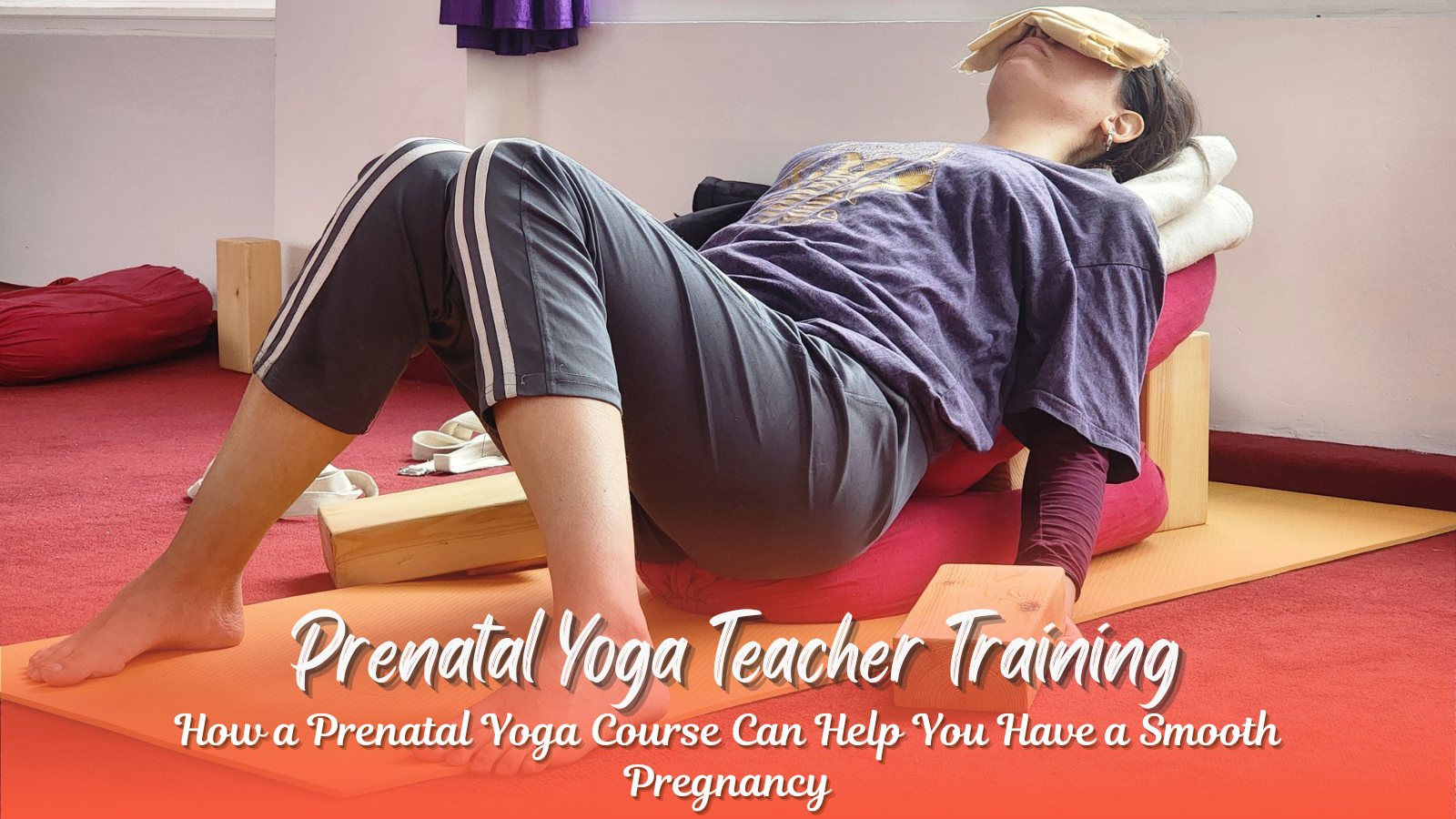
"Pregnant woman practicing prenatal yoga in Rishikesh" "Prenatal yoga teacher training at the Best Yoga School in India" "Yoga poses for pregnancy wellness and relaxation" Best Prenatal Yoga Course for a Smooth Pregnancy

How a Prenatal Yoga Course Can Help You Have a Smooth Pregnancy – Prenatal Yoga Teacher Training Rishikesh

The experience of pregnancy unveils both wonderful feelings of joy and physical challenges which expecting mothers must manage. The physical manipulation and emotional transformations faced by pregnant women warrant specific activities that promote movement along with relaxation. Using a prenatal yoga course as a course represents an optimal method to help maintain good pregnancy health and fight natural childbirth readiness.

Pregnancy yoga classes with their prenatal yoga teacher training program benefits represent the focus of these prenatal yoga classes or Prenatal Yoga Course, prenatal yoga instructor course​, Yoga for Pregnant Women, ​prenatal yoga instructor certification​, Pregnancy Yoga Benefits, benefits of prenatal yoga, Best Pregnancy Yoga Classes in Rishikesh for those who wish to join or become teachers in this field.

Studies show that prenatal yoga reduces pregnancy discomfort by 40% and improves labor outcomes by 25%. Start Your Prenatal Yoga Course Journey Today! Enroll in the Best Yoga School in Rishikesh, India Now.

What is Prenatal Yoga?What is Prenatal Yoga? Benefits & Best Classes in India

The unique yoga system called prenatal yoga india teaches expectant mothers safe body positions while also teaching breathing techniques and meditation practices. Yoga for Pregnant Women classes focus on supporting pregnant women by teaching them to build strength and flexibility while promoting relaxation.

Parents who participate in prenatal yoga classes or Prenatal Yoga Course have different practices from standard yoga because the classes focus on simple flexibility exercises and mindfulness practices that help pregnant women prepare for childbirth. In gurukul you get leaf prenatal yoga classes for your better development.

Benefits of Joining a Prenatal Yoga CourseTop Benefits of Prenatal Yoga for a Smooth Pregnancy

Taking a Prenatal Yoga Course produces various advantages for both mums and their new-borns. Participating in pregnancy yoga classes or Prenatal Yoga Course offers these benefits for pregnant women during their pregnancy term:

1. Enhances Physical Strength and Flexibility

During pregnancy the body experiences heavy strain particularly in the lower back region and hips along with the pelvic muscles. A prenatal yoga course that includes complete body structure provides muscle strengthening benefits that improve both endurance and flexibility to support labor needs. Maternity exercise classes help in your better practice.

2. Reduces Stress and Anxiety

Pregnancy leads mothers to experience various emotional shifts while causing their stress levels to rise. Training based on prenatal yoga classes or Prenatal Yoga Course combines meditation exercises together with breathing control systems to help pregnant women reduce anxiety while promoting peaceful pregnancy outcomes. “Pregnancy exercise classes near me” refers to gurukul in Rishikesh for your better practice.

3. Improves Sleep Patterns

Prenatal Yoga Course helps in Sleep patterns in pregnant women undergo disruptions because of pregnancy-related discomfort and hormonal changes together with stress. Regular pregnancy yoga classes enable people to reduce night time disturbances through nervous system relaxation leading to enhanced sleep capabilities. Prenatal yoga Delhi helps you in your better practice.

4. The physical techniques used in yoga prepare the maternal body for both labour along with the delivery process:

Prenatal Yoga Course teach expecting mothers two most important things for a trouble-free delivery as breathing exercises and posture alignment combined with pelvic strengthening. Prenatal yoga classes build both physical condition and labour pain coping methods that women need in childbirth. Pre-post natal yoga should be practiced in the right way.

5. Participation in pregnancy yoga classes creates greater connection between mothers and their unborn babies:

The psychological awareness of yoga helps mothers develop deeper bonds with their unborn child. During prenatal yoga practice both emotional bonding and the breathing techniques combine to strengthen the mother-baby relationship. You can find gurukul in Rishikesh for “postnatal yoga near me”.

Mistakes to Avoid in Prenatal Yoga

Prenatal yoga Course can be a wonderful way to stay active, manage discomfort, and prepare for labor and delivery. However, like any exercise during pregnancy, it’s essential to practice safely and mindfully. Here are some common mistakes to avoid in prenatal yoga:  

Physical Mistakes:

  • Deep Twisting: Avoid deep, closed twists that compress your abdomen. Gentle, open twists that rotate from the shoulders are generally safer.
  • Lying Flat on Your Back for Extended Periods (especially after the first trimester): This can compress the vena cava, a major blood vessel, reducing blood flow to you and your baby. Modify poses to lie on your side or use props to elevate your upper body.  
  • Overstretching: Pregnancy hormones (relaxin) increase joint laxity, making you more susceptible to overstretching. Focus on gentle movements and listen to your body’s limits. Avoid pushing into extreme ranges of motion.  
  • Intense Abdominal Work: Steer clear of exercises that put significant strain on your abdominal muscles, such as deep core work or traditional sit-ups. Focus on gentle core engagement to support your posture.
  • Holding Your Breath: Maintain a steady, even breath throughout your practice. Holding your breath can reduce oxygen flow to you and your baby.
  • Forcing Poses: Every pregnancy and every body is different. Don’t try to force yourself into poses that don’t feel right. Modify as needed or skip the pose altogether.
  • Ignoring Pain or Discomfort: Prenatal yoga course should feel good. If you experience any pain, dizziness, shortness of breath, or vaginal bleeding, stop the pose immediately and rest. Communicate any discomfort to your instructor.
  • Sudden, Jerky Movements: Opt for slow, controlled transitions between poses to avoid straining muscles and ligaments.  
  • Neglecting Modifications: Don’t be afraid to use props like blocks, bolsters, and straps to support your body and modify poses to suit your changing needs.
  • Overheating: Avoid practicing in overly hot environments. Stay hydrated by drinking water before, during, and after your practice.

Informational and Preparational Mistakes:

  • Not Informing Your Instructor About Your Pregnancy: It’s crucial to let your yoga instructor know you are pregnant and how far along you are. A qualified prenatal yoga instructor can offer appropriate modifications and guidance.
  • Starting a Vigorous Practice Without Prior Experience: If you are new to yoga, start with beginner-level prenatal classes and gradually build intensity.
  • Ignoring Your Doctor’s Advice: Always consult with your doctor or midwife before starting or continuing any exercise program during pregnancy, including prenatal yoga. Follow their specific recommendations and restrictions.
  • Comparing Yourself to Others: Every pregnant person’s experience is unique. Focus on your own body and your own practice, rather than comparing yourself to others in the class.
  • Not Listening to Your Body: Your body will give you signals. Pay attention to them and adjust your practice accordingly. Some days you may have more energy than others.
  • Assuming All Yoga Classes Are Suitable: Not all yoga classes or Prenatal yoga course are appropriate for pregnancy. Look for classes specifically designed for prenatal students.

By being mindful of these potential mistakes, you can enjoy a safe and beneficial prenatal yoga practice that supports your well-being throughout your pregnancy.

When Should You Start Prenatal Yoga?Best Time to Start Prenatal Yoga – What Experts Say

Prenatal yoga courses should start during the second trimester (weeks 14–28) because this period marks reduced miscarriage risks together with the disappearance of morning sickness symptoms. Get medical approval before joining pregnancy fitness classes because doctor verification is necessary.

What to Expect in a Prenatal Yoga Class?Prenatal Yoga Class Guide: Poses, Breathing & More

Most yoga sessions for pregnant or Prenatal Yoga Course individuals follow this standard structure regardless of location or delivery format.

1. Gentle Warm-Up

Students begin their mat ritual by flexing their joints while participating in movements that improve blood flow throughout their bodies.

2. Pregnancy-Safe Yoga Poses

Through professional guidance participants can perform poses which develop their body strength while increasing flexibility and comfort while stopping at postures that could harm the abdominal area.

3. Breathing Techniques

Breathing techniques known as Pranayama assist in controlling pregnancy pain so mothers stay mentally relaxed.

4. Relaxation and Meditation

Deep relaxation experiences serve as the concluding session element which guides mothers to let go of tension and bond with their unborn baby.

Pre and Post Natal Yoga Teacher Training

Practitioners of yoga and fitness instructors can use prenatal yoga teacher training programs to build new capabilities. Between pre and post natal yoga teacher training programs students gain extensive information regarding guiding pregnant women through secure yoga sessions.

Does the need for strength and flexibility recovery after childbirth bring you to search for solutions? Postpartum yoga near me or Prenatal Yoga Course instruction with experienced experts helps you to identify the balancing well-being after childbirth. Searching for a top-quality postpartum yoga near me program close to my location will provide recovery support and relaxation benefits.

A prenatal yoga instructor training curriculum contains essential teachings for every participant.

  • Anatomy and physiology of pregnancy
  • Safe and effective yoga postures for each trimester
  • The use of breathing methods together with their effects on maternal health during pregnancy
  • The training will demonstrate specific pose modifications that suit maternal evolution throughout pregnancy.
  • Postnatal recovery techniques
  • second trimester prenatal yoga pose

Ready for a Healthy Pregnancy? Join the Top Pregnancy Yoga Classes in Rishikesh Today!

Post Pregnancy Yoga Classes

Prenatal Yoga Course, the body of women experiences both hormonal imbalances and physical changes following childbirth. Post natal yoga classes and postpartum yoga develop new mothers’ physical capabilities while strengthening their posture and enabling better emotional wellness.

Benefits of Postnatal Yoga Course:

  • Strengthens core and pelvic muscles
  • Eases postpartum depression
  • The practice improves both energy levels together with sleep quality.
  • Encourages self-care and relaxation

Best Yoga Poses for Pregnant Women

The following poses for pregnancy exercise classes represent safe techniques that people can practice:

  • Cat-Cow Pose offers discomfort relief for back pain together with increased flexibility of the spine.
  • Butterfly Pose – Improves flexibility in the pelvic region.
  • Through Warrior Pose you gain strengthened leg muscles together with enhanced balance.
  • The child’s pose allows both relaxation and reduces stress.
  • Performing Seated Forward Bend allows you to stretch your back muscles while at the same time soothing your nervous system function.

Prenatal yoga classes provide yoga classes for pregnant ladies with specific exercise-based training to manage discomfort while staying active for both labor preparation and pain relief. Prenatal yoga classes led by experts provide a practice that promotes both health and free of stress for those who are pregnant.

Visit your area wellness facilities to search for a prenatal yoga class near me, Prenatal Yoga Course, prenatal yoga teacher training​ or use prenatal yoga classes online platforms that provide prenatal exercises for convenience.

You seek prenatal yoga classes near me? appearing in expert-run prenatal yoga classes delivers fitness while decreasing stress and prepares expectant mothers for childbirth. You should look for pregnancy yoga classes that provide your best path to health.

Pre-Pregnancy Yoga: Can Yoga Help with Conception?

Most couples who want to get pregnant choose pre-pregnancy yoga or Prenatal Yoga Course to enhance their fertility. Yoga positions that target the reproductive organs direct blood circulation to these systems, while stress reduction combined with hormonal regulation occurs as well. If you search “prenatal yoga near me” in Rishikesh, get in touch with Gurukul.

People seeking to conceive through yoga often wonder which type would be best for them.

●       Bridge pose brings better blood flow to the pelvic space.

●       The practice of Butterfly Pose functions to activate ovaries while developing body flexibility.

●       Posing with Legs Up the Wall provides body relaxation alongside hormonal balance support.

A yoga studio that trains instructors for pre/postnatal yoga teacher training or Prenatal Yoga Course would be an ideal choice for finding pregnancy exercise classes near your location.

Where to Find the Best Prenatal Yoga Classes?

Numerous studios along with online platforms provide “pregnancy yoga classes near me” to residents who are searching locally for this type of specialized program. The Best Yoga School in Rishikesh delivers two effective training programs known as 200 Hour Yoga Teacher Training in Rishikesh and Pre Natal Yoga Teacher Training in Rishikesh.

The selection of available prenatal yoga instructor training options and pregnancy fitness classes creates a difficult decision-making process. Here are a few tips:

  • Search for teaching professionals who are both licensed and specialized in training pregnant women (maternity yoga).
  • Your schedule needs to matter so pick either physical classes or classes on prenatal yoga that operate online.
  • Breathing techniques together with relaxation exercises must be included in the instructional content.
  • Post pregnancy yoga classes at the studio should be present for postpartum restoration services.

An authentic professional training experience exists at the Best Yoga School in Rishikesh or Prenatal Yoga Course which should be your choice for education. Aspiring instructors should choose the Pre Natal Yoga Teacher Training in Rishikesh because it is widely recognized for its excellence in training.

Frequently Asked Questions (FAQs)

1. What is prenatal yoga?

The specialized form of yoga named prenatal yoga assists pregnant women to grow flexible while building their strength along with practicing relaxation preparation for childbirth.

2. When should you start prenatal yoga?

People should begin prenatal yoga classes during the second trimester following medical consultation.

3. What is pre-pregnancy yoga?

Every component of pre-pregnancy yoga prepares female bodies against conception by enhancing reproductive health through stress reduction while improving fertility capabilities.

4. Which yoga is best for conceiving?

The yoga poses of Supta Baddha Konasana and Viparita Karani along with Bhujangasana promote hormonal balance and fertility therefore being perfect for pregnant couples.

5. Which month is best for yoga in pregnancy?

Proper pregnancy yoga classes should take place during the second and third trimesters while modifying activities according to medical circumstances.

7. What does prenatal yoga do for pregnancy health?

Prenatal yoga course improves flexibility, strength, and relaxation, helping expectant mothers prepare for childbirth. It enhances blood circulation, reduces stress, relieves back pain, and promotes better sleep. Breathing exercises in yoga help manage labor pain and anxiety, while specific poses aid in pelvic opening for a smoother delivery.

8. Which month is best to start prenatal yoga for beginners?

The best time to start prenatal yoga course is after the first trimester (around 12–14 weeks) when morning sickness subsides. However, if you have prior yoga experience, you may begin earlier with a doctor’s approval. The second trimester is ideal as the body is more stable, and yoga helps strengthen core muscles and improve posture to support the growing belly.

9. Can I do prenatal yoga in the first trimester safely?

Yes, but with caution. The first trimester is a delicate phase, and excessive physical exertion should be avoided. If you’re new to yoga, it’s best to start gentle breathing exercises and relaxation techniques rather than advanced poses. Avoid deep twists, heavy abdominal work, and backbends. Always consult a healthcare provider before beginning.

10. What are the top pregnancy yoga poses for normal delivery?

Some of the best prenatal yoga poses for a smooth delivery include:

  • Butterfly Pose (Baddha Konasana) – Opens the hips and strengthens pelvic muscles.
  • Cat-Cow Pose (Marjaryasana-Bitilasana) – Eases lower back pain and improves spinal flexibility.
  • Malasana (Squat Pose) – Strengthens the pelvic floor and prepares the body for labor.
  • Pelvic Tilts – Helps position the baby correctly for birth.
  • Savasana (Side-Lying Relaxation) – Aids in relaxation and reduces stress in the third trimester.

11. How to find the best prenatal yoga teacher training in India?

To find the best prenatal yoga teacher training in India or Prenatal Yoga Course, consider:

  • Location – Rishikesh, known as the Yoga Capital of the World, has some of the best yoga schools.
  • Certification – Look for Yoga Alliance-certified courses.
  • Curriculum – Ensure the Prenatal Yoga Course program covers pregnancy yoga anatomy, modifications, breathwork, and meditation techniques.
  • Reviews & Testimonials – Read student experiences and check Google ratings.
  • Instructors – Choose experienced prenatal yoga teachers specializing in pregnancy care.

12. Is prenatal yoga good for the baby?

Yes! Prenatal yoga course benefits both mother and baby by reducing stress hormones, increasing oxygen supply, and improving blood flow to the placenta. It helps create a calm and nurturing environment, leading to better fetal development and a healthier pregnancy. Studies suggest that regular yoga practice can lead to lower risks of premature birth and low birth weight.

13. How does your stomach feel at 1 week pregnant?

At one week pregnant, your body is still preparing for pregnancy, and most women don’t feel significant changes. However, some may experience bloating, mild cramping, and hormonal shifts due to early pregnancy changes. It’s too early for a noticeable baby bump, but maintaining a healthy lifestyle with yoga and balanced nutrition supports a strong pregnancy foundation.

14. Is prenatal massage safe for the baby?

Yes, prenatal massage is generally safe, especially after the first trimester. It helps relieve tension, improve circulation, reduce swelling, and ease back pain. However, pregnant women should avoid deep-tissue massage on the abdomen and certain pressure points that could trigger contractions. Always choose a certified prenatal massage therapist for safety.

Conclusion

Going to a prenatal yoga course represents the greatest choice for all pregnant women. Prenatal yoga classes deliver endless advantages that help expecting mothers become more flexible reduce their stress and prepare them for the birth process. The practice of pregnancy yoga classes near me or prenatal yoga classes online benefits maternity health for mothers and their babies throughout the pregnancy period.

Becoming a certified instructor can begin at the Top Yoga School in Rishikesh where you can find both 200 Hour Yoga Teacher Training in Rishikesh and pre and post natal yoga teacher training programs, prenatal yoga austin, prenatal yoga milwaukee wi and Prenatal Yoga Courses. Investing in maternity yoga classes will become a permanent gift that benefits both you and your child in every way.

Initiate your prenatal yoga course journey right now to discover the improvements it will make in your life.
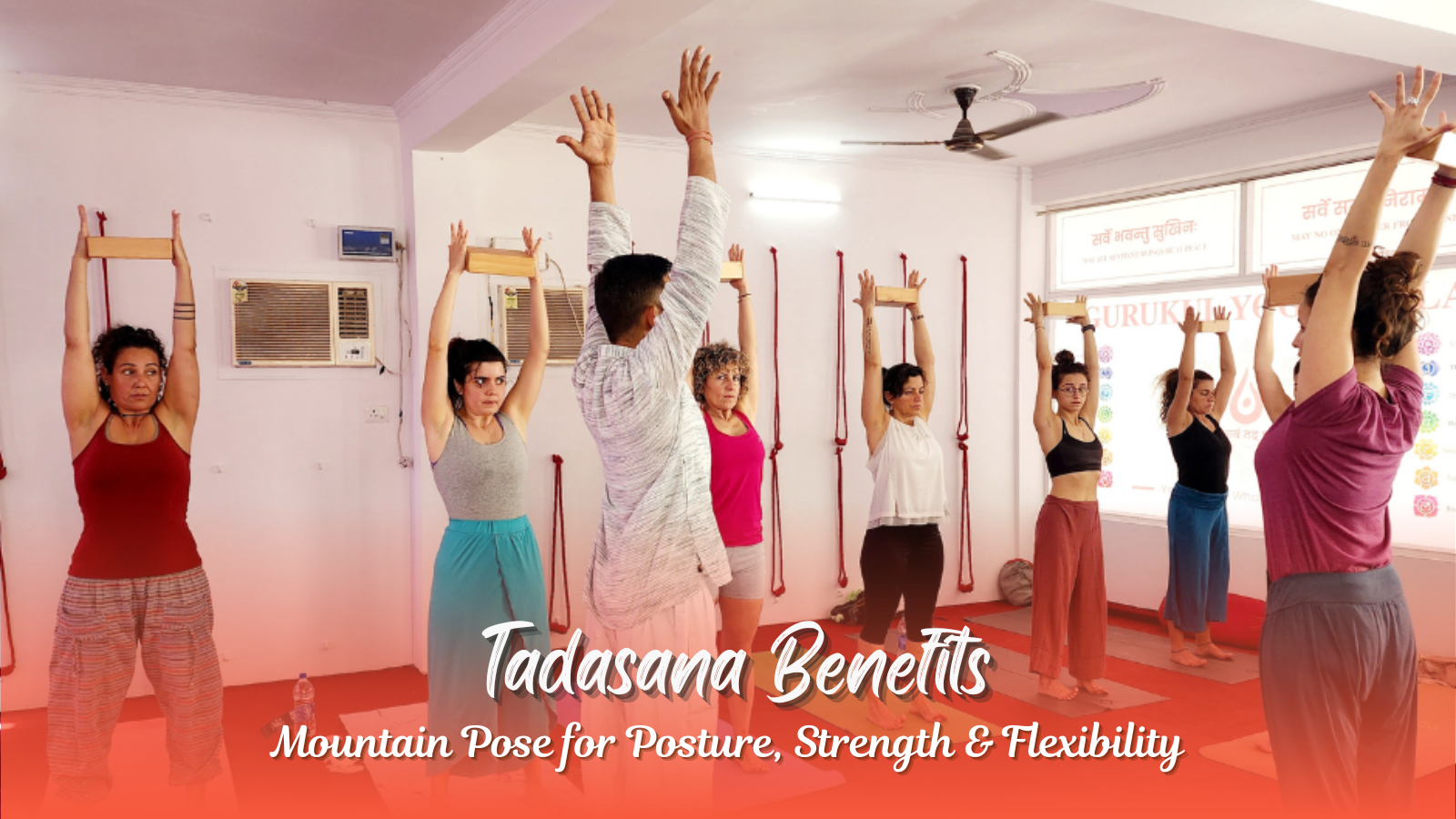
Tadasana yoga pose - Proper posture demonstration Mountain pose tadasana step by step guide Tadasana benefits - How it improves strength and flexibility

Tadasana Benefits for Posture, Mental Health, Strength & Flexibility

Introduction to Tadasana (Mountain Pose)

Tadasana, also known as the Mountain Pose, is one of the foundational postures in yoga. It may seem simple, but it offers a range of benefits for posture, Tadasana benefits, strength, and flexibility. Regular practice of Tadasana yoga pose can help improve balance, increase focus, and enhance overall body alignment.

Whether you are a beginner or an advanced yogi, understanding the benefits of Tadasana and the correct way to perform it is essential. This guide will cover the Tadasana meaning, steps, Tadasana benefits, contraindications, and variations to help you master this fundamental yoga pose.

Explore more about Tadasana Benefits.

What is Tadasana?

The word Tadasana is derived from the Sanskrit words:

  • Tada” meaning “mountain”
  • Asana” meaning “posture”

Thus, Tadasana (Mountain Pose) represents the stability and groundedness of a mountain, promoting strength and balance in the body. It is the starting position for many standing yoga poses and is an essential component of yoga teacher training programs in Rishikesh and across the world.


Tadasana Benefits For Physical and Mental Health

Practicing Tadasana yoga pose daily can bring several physical and mental benefits. Here are some of the key Tadasana benefits:

1. Improves Posture

  • Helps maintain a straight spine
  • Corrects postural misalignment
  • Enhances body awareness

2. Strengthens Muscles & Bones

  • Engages core muscles
  • Strengthens thighs, knees, and ankles
  • Improves overall body stability

3. Enhances Flexibility

4. Boosts Energy & Focus

  • Increases blood circulation
  • Enhances mental clarity and focus
  • Helps in stress relief and relaxation

5. Supports Digestion & Metabolism

  • Stimulates digestive organs
  • Aids in better metabolism
  • Helps in maintaining a healthy weight

6. Helps in Height Growth

  • Does Tadasana increase height? Tadasana benefits, Yes, when practiced regularly during growth years, Tadasana pose can improve posture and spinal alignment, aiding in height increase.

How to Do Tadasana (Mountain Pose) Correctly?

Tadasana Steps

Follow these Tadasana step-by-step instructions to practice it correctly:

  1. Start Position: Stand straight with your feet together and hands by your sides.
  2. Grounding: Distribute your weight evenly on both feet.
  3. Spine Alignment: Keep your spine erect and shoulders relaxed.
  4. Arm Position: Raise your arms overhead, keeping them parallel or joining your palms.
  5. Stretching: Lift your heels, balancing on your toes, and stretch your body upwards.
  6. Hold: Maintain the position for 10-15 seconds while breathing deeply.
  7. Return: Lower your heels and bring your arms down slowly.
  8. Repeat: Perform this 3-5 times for better results.

Precautions of Tadasana:

  • Avoid locking the knees
  • Do not strain the neck or shoulders
  • Maintain balance to prevent falls

Contraindications of Tadasana

Although Tadasana benefits the body in many ways, certain individuals should avoid this pose:

  1. People with low blood pressure
  2. Those suffering from vertigo or dizziness
  3. Individuals with severe knee or ankle injuries

Frequently Asked Questions About Tadasana

Does Tadasana Increase Height?

Yes, Tadasana (Mountain Pose) is known to help improve posture and elongate the spine, which can create the appearance of increased height. While it does not physically lengthen bones in adults, regular practice helps in stretching the spine, improving flexibility, and correcting postural misalignments. For growing children and teenagers, Tadasana benefits the body by promoting better growth by stimulating the spine and increasing blood circulation.

Can Tadasana Increase Height?

Tadasana benefits can contribute to height growth indirectly by improving posture and spinal alignment. It stretches the muscles, strengthens the legs, and encourages an upright stance, making an individual look taller. In children and adolescents, where bones are still growing, practicing Tadasana along with a healthy diet and an active lifestyle may support proper growth. However, genetic factors primarily determine height, and yoga can only assist in maximizing natural potential.

What Are the Benefits of Tadasana Mountain Pose?

The benefits of Tadasana or Tadasana benefits are extensive, impacting both physical and mental well-being:

  • Improves posture: Helps align the spine and correct bad posture.
  • Increases flexibility: Stretches the entire body, making it more supple.
  • Strengthens muscles: Engages core, leg, and back muscles for improved strength.
  • Enhances balance: Develops stability and coordination.
  • Boosts circulation: Encourages better blood flow, reducing fatigue.
  • Aids in digestion: Activates abdominal muscles and helps with digestion.
  • Reduces stress: Promotes relaxation and mindfulness.
  • Supports height growth: Helps maintain a straight and elongated posture.

How to Do a Mountain Pose?

To perform Tadasana (Mountain Pose) correctly, follow these steps:

  1. Stand upright with feet together, distributing weight evenly.
  2. Keep your spine straight, shoulders relaxed, and arms at your sides.
  3. Engage your thigh muscles and tuck your tailbone slightly.
  4. Inhale deeply, raising your arms overhead while keeping them parallel or palms touching.
  5. Stretch your entire body upward while keeping feet firmly on the ground.
  6. Hold the position for 30 seconds to 1 minute, focusing on deep breathing.
  7. Exhale and slowly bring your arms down to the sides.

What Are the Steps of Tadasana?

The Tadasana steps are as follows:

  • Step 1: Stand tall with feet together or hip-width apart.
  • Step 2: Engage your core and tuck in your tailbone slightly.
  • Step 3: Keep shoulders relaxed, chest open, and arms naturally beside the body.
  • Step 4: Slowly inhale and stretch your arms upward.
  • Step 5: Lift your heels slightly to balance on your toes (optional).
  • Step 6: Hold the position while breathing deeply for 30-60 seconds.
  • Step 7: Exhale and return to the starting position.

Which Organs Are Used in Tadasana?

Tadasana benefits primarily engages the spine, lungs, core muscles, and legs, benefiting the following organs:

  • Lungs: Deep breathing improves lung capacity and oxygen intake.
  • Spine: Encourages spinal alignment and flexibility.
  • Heart: Promotes better circulation and reduces stress.
  • Abdominal organs: Engages core muscles, aiding digestion and metabolism.
  • Leg muscles and joints: Strengthens thighs, calves, and knee joints.

Which Disease Is Tadasana Good For?

Tadasana is beneficial in preventing and managing several health conditions, including:

  • Postural issues – Helps correct spinal misalignment and poor posture.
  • Back pain – Strengthens core muscles, reducing lower back discomfort.
  • Arthritis – Improves joint flexibility and mobility.
  • Respiratory disorders – Enhances lung capacity and breathing patterns.
  • Stress and anxiety – Encourages relaxation and mental clarity.

Does Tadasana Reduce Belly Fat?

Tadasana benefits alone does not directly burn belly fat, but it helps in strengthening abdominal muscles and improving metabolism. When combined with other yoga asanas and a healthy diet, it can contribute to weight loss by improving posture, core engagement, and digestion.

What Are the Disadvantages of Tadasana?

While Tadasana (Mountain Pose) is generally safe, there are a few precautions:

  • People with low blood pressure may feel dizzy while holding the pose for too long.
  • Those with varicose veins should avoid standing for extended periods.
  • Individuals with severe joint pain should perform the pose under supervision.
  • If experiencing balance issues, avoid lifting heels and focus on stability first.

Why Learn Tadasana at the Best Yoga School in Rishikesh?

If you want to master Tadasana, Tadasana benefits and other foundational yoga poses, joining a Yoga Teacher Training in Rishikesh is the best choice. The Best Yoga Ashram in Rishikesh, India offers:

  • 200 Hour Yoga Teacher Training Course in Rishikesh
  • 300 Hour Yoga Teacher Training in Rishikesh
  • 500 Hour Yoga Teacher Training in Rishikesh
  • Prenatal Yoga Teacher Training in Rishikesh

With expert guidance and authentic yogic teachings, you can deepen your yoga practice and become a certified yoga instructor.


Conclusion

Tadasana (Mountain Pose) is a fundamental yoga posture that enhances posture, flexibility, and strength. By practicing Tadasana yoga pose regularly, you can improve your overall well-being and prepare yourself for more advanced yoga practices.

If you are looking for the Best Yoga Teacher Training in Rishikesh, consider joining Gurukul Yogashala, where you can learn traditional yoga under experienced teachers.

Start your yoga journey today and experience the Tadasana benefits for a healthier and more balanced life!


aura colors, aura colors meaning, white aura color meaning, aura color interpretation, yellow aura meaning, black aura meaning, green aura meaning, aura meaning, how to check aura, aura colors personality, Best Yoga Teacher Training In Rishikesh, Best Yoga School in Rishikesh, Best Yoga Ashram In Rishikesh, Rishikesh Yoga Ashram

White Aura Color Meaning & What Your Aura Colors Say About Your Personality & Emotions

Understanding Aura Colors & Their Meanings

Have you ever wondered what your aura colors reveal about you? Your aura color meaning reflects your emotions, energy, and personality traits. Some believe that different aura colors indicate various strengths and challenges in life. But what does a white aura color meaning signify, and how does it compare to other aura colors like yellow, green, or black?

In this article, we’ll explore the aura color interpretation, how to determine your aura meaning, and what each shade, including yellow aura meaning, black aura meaning, purple aura color meaning and green aura meaning, reveals about you.


What Is an Aura & How Does It Reflect Your Energy?

An aura is an energetic field surrounding every living being. It is invisible to the naked eye but can be sensed or seen by those with heightened spiritual awareness. Each aura color meaning is connected to different emotions, thoughts, and energies. The colors shift based on mood, health, and personal growth.

The Importance of Understanding Your Aura

  • Helps with self-discovery and personal growth
  • Can indicate emotional and physical well-being
  • Provides insight into your relationships and spiritual path

White Aura Color Meaning: A Sign of Purity & Spirituality

A white aura color meaning is often associated with purity, clarity, and enlightenment. People with a white aura tend to have:

  • A high spiritual connection
  • Strong intuition and wisdom
  • A peaceful and harmonious nature
  • A natural ability to heal others

How Does a White Aura Affect Your Life?

A white aura signifies that you are aligned with your higher self. It is rare and suggests a person who is spiritually evolved, compassionate, and free of negativity.

Who Typically Has a White Aura?

  • Spiritual teachers and healers
  • Empaths and lightworkers
  • Individuals deeply connected to meditation and yoga

If you’re seeking a deeper spiritual connection, consider joining the Best Yoga Teacher Training in Rishikesh, available at Rishikesh Yoga Ashram. This program enhances self-awareness and helps balance your aura colors.


Exploring Other Aura Colors & Their Meanings

1. Yellow Aura Meaning: Optimism & Intelligence

A yellow aura represents happiness, intellect, and creativity. It is often seen in:

  • Artists and creative minds
  • People with strong leadership qualities
  • Those who are naturally optimistic

2. Green Aura Meaning: Growth & Healing

A green aura symbolizes balance, harmony, and healing. It is common among:

  • Nature lovers and environmentalists
  • People focused on personal growth
  • Healers and caregivers

3. Black Aura Meaning: Protection or Negative Energy?

A black aura can mean:

  • Emotional pain or unresolved trauma
  • A need for spiritual cleansing
  • A strong protective energy field

If you feel overwhelmed by negativity, you might benefit from a 3 Days Yoga Retreat In Rishikesh, designed to cleanse and revitalize your energy.


How to Check Your Aura Color?

Ways to Discover Your True Aura Color:

  • Meditation & Introspection: Focus on your energy field.
  • Aura Photography: Some spiritual centers offer aura readings.
  • Self-Observation: Notice how different colors make you feel and resonate with your emotions.

If you want to explore your aura deeper, consider joining the Best Yoga Center In Rishikesh, where yoga and meditation practices help enhance spiritual awareness.


How to Clean Your Aura & Maintain Positive Energy

Maintaining a vibrant and healthy aura is essential for overall well-being. Here are some effective ways to cleanse your aura:

  • Meditation: Helps clear negative energy and enhances self-awareness.
  • Spending Time in Nature: Walking barefoot on the earth balances your energy.
  • Yoga & Pranayama: Practicing at a Yoga School in India can help purify your aura.
  • Energy Healing: Reiki and sound healing can clear blockages.

FAQs on Aura Colors & Meanings

What is the rarest aura?

The rarest aura color is white, which signifies purity, enlightenment, and a strong connection to the divine. People with a white aura are believed to have a high spiritual frequency, often associated with healers, spiritual leaders, and those on a deep soul journey. Unlike other aura colors that may change over time, a white aura remains constant in those who have achieved a state of spiritual awakening.

What do colors of auras mean?

Each aura color represents a person’s emotions, energy, and spiritual state. Here’s a quick breakdown:

  • Red Aura – Passion, strength, and determination
  • Orange Aura – Creativity, enthusiasm, and vitality
  • Yellow Aura – Intelligence, optimism, and joy
  • Green Aura – Healing, growth, and harmony
  • Blue Aura – Communication, wisdom, and intuition
  • Purple/Violet Aura – Spirituality, higher consciousness, and mysticism
  • Pink Aura – Love, compassion, and emotional sensitivity
  • White Aura – Purity, enlightenment, and divine connection
  • Black Aura – Negative energy, stress, and emotional blocks

What are the 14 aura colors?

The 14 aura colors include:

  1. Red
  2. Orange
  3. Yellow
  4. Green
  5. Blue
  6. Indigo
  7. Violet
  8. Pink
  9. White
  10. Gold
  11. Silver
  12. Brown
  13. Gray
  14. Black
    Each color carries unique meanings related to a person’s personality, energy levels, and overall spiritual state.

How do I check my aura?

You can check your aura using several methods:

  • Meditation & Intuition – Focus on your inner self to sense your energy field.
  • Aura Photography – Special cameras capture the electromagnetic field around your body.
  • Mirror Technique – Stand in front of a mirror with a white background and try to notice a faint glow around your body.
  • Hand Method – Rub your palms together and slowly pull them apart to feel energy vibrations.
  • Energy Healers & Yoga Experts – Professionals at Yoga School in Rishikesh can help you understand your aura colors.

What color aura is happy?

The yellow aura is the happiest and most uplifting aura color. It symbolizes joy, intelligence, confidence, and an energetic spirit. People with a yellow aura are naturally optimistic, radiate positivity, and often inspire others with their enthusiasm for life.

How to clean your aura?

Cleansing your aura helps remove negative energy and restore balance. Here’s how you can do it:

  • Meditation & Breathwork – Deep breathing and mindfulness help clear energetic blockages.
  • Salt Baths – Taking a bath with Himalayan salt can purify your aura.
  • Crystal Healing – Using crystals like amethyst, selenite, and clear quartz helps cleanse energy.
  • Smudging with Sage – Burning sage or palo santo removes negative energy.
  • Yoga & Energy Healing – Practicing yoga at the Best Yoga Ashram in Rishikesh can restore your aura’s vibrancy.

How do I know my true aura color?

To find your true aura color, follow these methods:

  • Self-Reflection – Observe your emotions, thoughts, and energy shifts.
  • Kirlian Photography – A special aura camera captures your energetic field.
  • Visualization Exercise – Close your eyes, take deep breaths, and focus on the color that appears in your mind.
  • Spiritual Guidance – A yoga master or healer at Rishikesh Yoga Ashram can help you identify and interpret your aura color.

Conclusion: Enhance Your Aura Through Yoga & Self-Awareness

Understanding aura colors meaning gives you insight into your emotional and spiritual well-being. Whether you have a white aura, yellow aura, or black aura, embracing self-care and spiritual growth can help maintain a positive energy field.

If you want to explore your aura and enhance your spiritual journey, consider joining the Best Yoga Teacher Training In Rishikesh or a 3 Days Yoga Retreat In Rishikesh at Gurukul Yogashala.

Your aura is your energy signature—nurture it with positivity, mindfulness, and self-awareness!

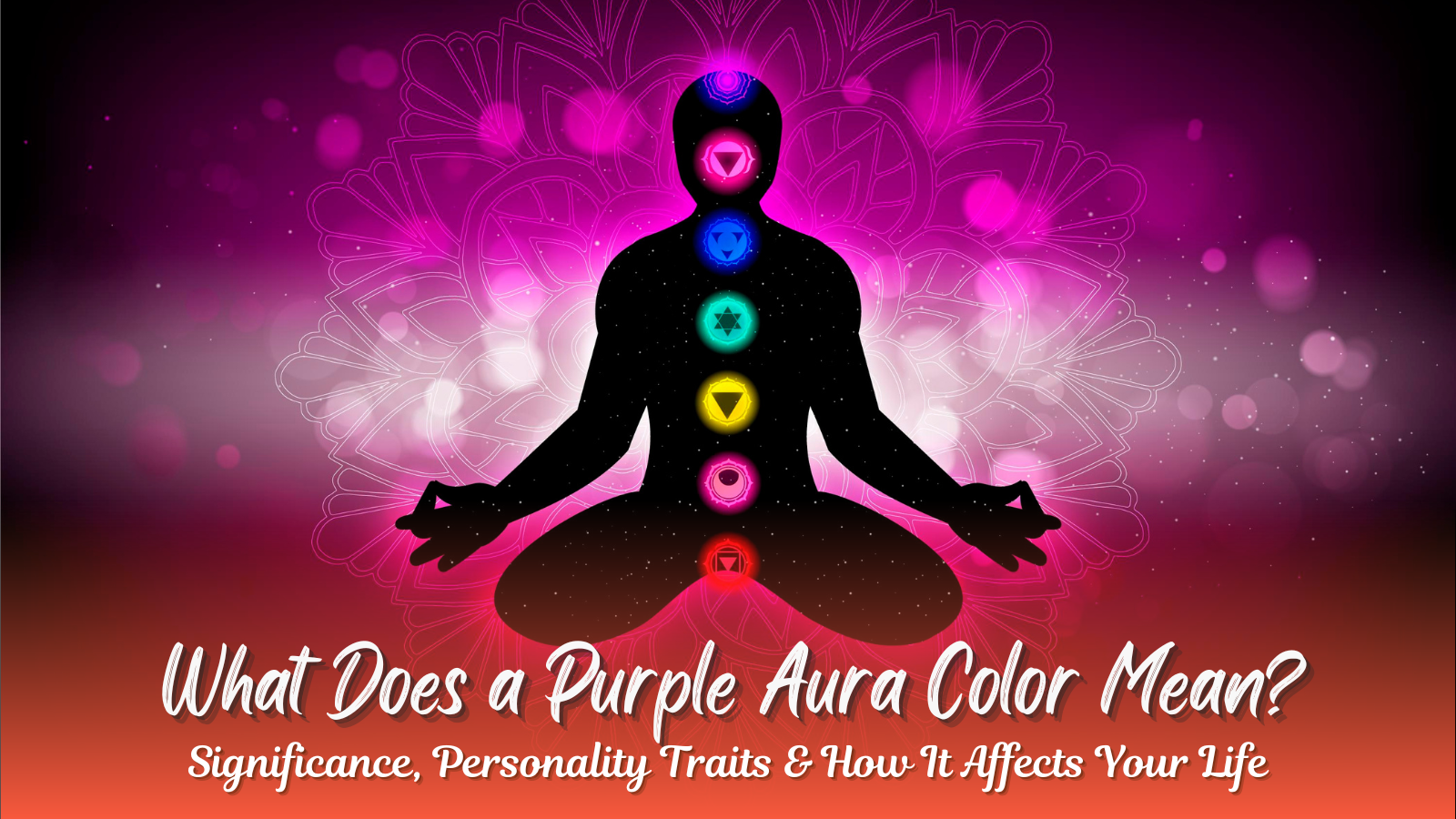
What Does a Purple Aura Color Mean? Spiritual Significance, Personality Traits & How It Affects Your Life Purple Aura Meaning: The Color of Spiritual Awakening

What Does a Purple Aura Color Mean? Spiritual Significance, Personality Traits & How It Affects Your Life

Introduction: What Does a Purple Aura Mean?

Have you ever heard someone mention your aura color and wondered what it means? If you’ve been told you have a purple aura, you’re in for something special!

A purple aura color meaning is deeply connected to spiritual awareness, intuition, and higher consciousness. People with a violet aura often have strong psychic abilities, deep wisdom, and a natural connection with the universe.

But what does a purple aura color reveal about your personality, energy, and life purpose? Is it a good thing? Or does it come with challenges? Let’s explore everything you need to know about purple aura meaning, purple aura color, how it influences your life, and ways to enhance it.


Purple Aura Meaning: The Color of Spiritual Awakening

A purple aura color is often linked to spiritual growth, deep insight, and an elevated sense of self. If your aura is purple, you likely possess:

Intuition & Psychic Abilities – You can sense energy and emotions.
Strong Spiritual Awareness – You seek deeper meaning in life.
Creativity & Imagination – You think beyond the ordinary.
Compassion & Empathy – You connect deeply with others.
Attraction to Yoga & Meditation – You crave spiritual balance.

At Rishikesh Yoga Ashram, many students attending Yoga Teacher Training School in Rishikesh or a 3 Days Yoga Retreat in Rishikesh experience a shift in their aura due to deep meditation and energy work.


Different Shades of Purple Aura & Their Meanings

Not all purple aura color are the same! The shade of violet aura you have can reveal different aspects of your personality.

1. Light Purple Aura Color

💜 Symbolizes new spiritual growth
💜 Common in people just beginning yoga teacher training in Rishikesh
💜 Indicates an open, curious mind

2. Deep Purple Aura Color

💜 Represents strong intuition & psychic awareness
💜 Found in healers, spiritual teachers, and yogis
💜 Common in people practicing Ashtanga Yoga Teacher Training in Rishikesh

3. Lavender Purple Aura Color

💜 Associated with imagination, creativity, and artistic abilities
💜 Found in writers, musicians, and visionaries
💜 Indicates a highly visual, dreamy personality

4. Dark Purple Aura Color

💜 Suggests emotional turmoil or spiritual confusion
💜 May indicate the need for energy cleansing & balance
💜 Can be healed through yoga schools in India and meditation


How to Strengthen & Balance a Purple Aura

If you want to enhance your purple aura color and maintain a positive spiritual Subtle Energy, try these powerful practices:

🧘 Practice Yoga & Meditation

  • Join the Best Yoga Teacher Training in Rishikesh to align your mind, body, and soul.
  • Focus on crown chakra meditation to activate higher consciousness.

🍃 Connect with Nature

  • Visit a Yoga School in Rishikesh to rejuvenate your energy.
  • Walk barefoot on grass or meditate in a quiet forest.

🔮 Use Crystals for Aura Cleansing

  • Amethyst, Selenite, and Clear Quartz help enhance spiritual energy.
  • Place them in your home or hold them during meditation.

🥗 Eat High-Vibrational Foods

  • Fresh fruits, nuts, and herbal teas nourish your energy field.
  • Avoid processed foods that lower your aura vibration.

The Power of a Purple Aura Color: Spiritual Meaning & Personality Traits

A purple aura color meaning signifies deep spirituality, intuition, and wisdom. People with a purple aura are often naturally drawn to meditation, energy healing, and self-awareness practices. This aura color represents a strong connection to the crown chakra, which governs enlightenment and higher consciousness.

What Does a Purple Aura Mean?

The purple aura color meaning can vary depending on its shade and intensity:

  • Light Purple Aura – Indicates spiritual awakening, curiosity, and sensitivity.
  • Deep Purple Aura – Signifies a well-developed intuition, wisdom, and strong psychic abilities.
  • Violet Aura – Often associated with healers, visionaries, and highly creative individuals.

How Does a Purple Aura Affect Your Personality?

If you have a purple aura color, you may possess the following personality traits:

Intuitive & Spiritual – A strong connection to the divine and a natural ability to understand energy.
Creative & Imaginative – A deep passion for art, music, and self-expression.
Empathic & Compassionate – A heightened sense of understanding towards others.
Visionary & Wise – Ability to foresee possibilities and think beyond the ordinary.


The Connection Between Yoga & A Purple Aura Color

Yoga plays a vital role in balancing and enhancing a purple aura. Practices like meditation, deep breathing (Pranayama), and energy healing help strengthen the crown chakra, allowing for a clearer mind and spiritual clarity.

If you wish to cultivate a strong purple aura color, consider joining a Yoga School in Rishikesh, India, where traditional yoga and meditation techniques can help you elevate your energy levels.

Best Yoga Ashram in India for Spiritual Awakening

For those looking to enhance their purple aura through yoga, visiting the best yoga ashram in India is a great way to deepen your spiritual journey.

At Gurukul Yogashala, you can immerse yourself in a holistic experience that combines Hatha Yoga, Ashtanga Yoga, Meditation, and Energy Healing. This sacred destination is known as the Yoga Capital of the World, making it a perfect place to align your aura with higher consciousness.


How to Strengthen Your Purple Aura?

To enhance your purple aura color meaning, incorporate the following practices into your daily routine:

🌿 Meditation – Practice mindfulness to develop a deeper sense of awareness.
🔮 Crystal Healing – Use amethyst and clear quartz to enhance your intuitive abilities.
🧘 Yoga & Pranayama – Join a yoga teacher training school in Rishikesh to master ancient energy-balancing techniques.
💜 Surround Yourself with Positive Energy – Engage in spiritual discussions, listen to high-frequency music, and practice gratitude.

FAQs About Purple Auras

1. What does a purple aura mean?

A purple aura color means you have a strong connection to spirituality, intuition, and higher consciousness. People with a violet aura are often deep thinkers, highly creative, and drawn to meditation and self-discovery. If your purple aura is bright, it signifies strong psychic abilities and wisdom, while a darker purple aura may indicate emotional blockages or confusion.

2. What aura is the rarest?

The rarest aura color is white, symbolizing divine energy, enlightenment, and purity. A deep purple aura color is also rare and found in spiritual leaders, healers, and advanced meditators. Other uncommon aura colors include gold, silver, and rainbow auras, which indicate high-frequency energy and strong spiritual evolution.

3. What does purple mean spiritually?

Spiritually, the color purple represents transformation, intuition, and enlightenment. It is connected to the crown chakra, which governs higher awareness, universal wisdom, and divine connection. People with a purple aura are often on a path of self-discovery, seeking spiritual growth, and exploring deeper truths.

4. Is purple a good energy color?

Yes! Purple is a high-vibration energy color that represents peace, wisdom, and inner strength. It is often seen in healers, yogis, and spiritually awakened individuals. If you have a purple aura, it means your energy is aligned with higher frequencies, allowing you to connect with deeper truths and intuitive insights.

5. What color is a bad aura?

A bad aura color is usually dark or murky, such as black, dark red, or gray, indicating negative energy, emotional stress, or spiritual blockages. A dark purple aura may suggest spiritual confusion, doubt, or an overactive imagination leading to imbalance. Cleansing your aura through meditation, yoga, or energy healing can restore balance.

6. Is purple positive or negative?

Purple is generally a positive aura color, representing wisdom, intuition, and spiritual awareness. However, if the purple aura appears dark or muddy, it may indicate emotional distress, overthinking, or a need for spiritual realignment. Practicing yoga, mindfulness, and energy healing can help restore balance to your aura.

7. What Colour is a good aura?

Good aura colors include bright purple, blue, white, gold, and green, as they signify peace, enlightenment, emotional balance, and spiritual harmony. A radiant purple aura is considered one of the best aura colors because it reflects deep wisdom, strong intuition, and a powerful spiritual connection.

8. What does purple mean in Aurora?

In the Aurora Borealis (Northern Lights), the color purple represents high-energy nitrogen molecules colliding in the atmosphere. Spiritually, purple in an aurora is believed to symbolize mystery, transformation, and a divine connection to the cosmos, making it a powerful sign of spiritual awakening and enlightenment.


Why a Yoga School in Rishikesh Can Strengthen Your Purple Aura

If you’re looking to deepen your spiritual journey and enhance your purple aura, consider joining a Yoga School in India.

🏕️ Stay at the Best Yoga Ashram in India to immerse yourself in ancient yogic wisdom.
🧘 Join the Best Yoga TTC in Rishikesh and transform your mind, body, and soul.
🌿 Experience a 3 Days Yoga Retreat in Rishikesh to cleanse your energy & aura.

Many students who attend a Yoga Teacher Training School in Rishikesh report a stronger, more vibrant aura due to the sacred energy of the Himalayas and the River Ganga.


Final Thoughts: Embrace Your Purple Aura & Elevate Your Energy

A purple aura is a powerful sign of spiritual evolution, deep intuition, and inner wisdom. If you naturally have this aura, it means you are on a higher path of awareness and enlightenment.

To strengthen your purple aura, focus on spiritual growth, yoga, and self-awareness. And if you want a transformative experience, consider training at the Best Yoga Teacher Training in Rishikesh or a 3 Days Yoga Retreat in Rishikesh.

🚀 Ready to elevate your energy? Join us at Gurukul Yogashala & awaken your highest self!

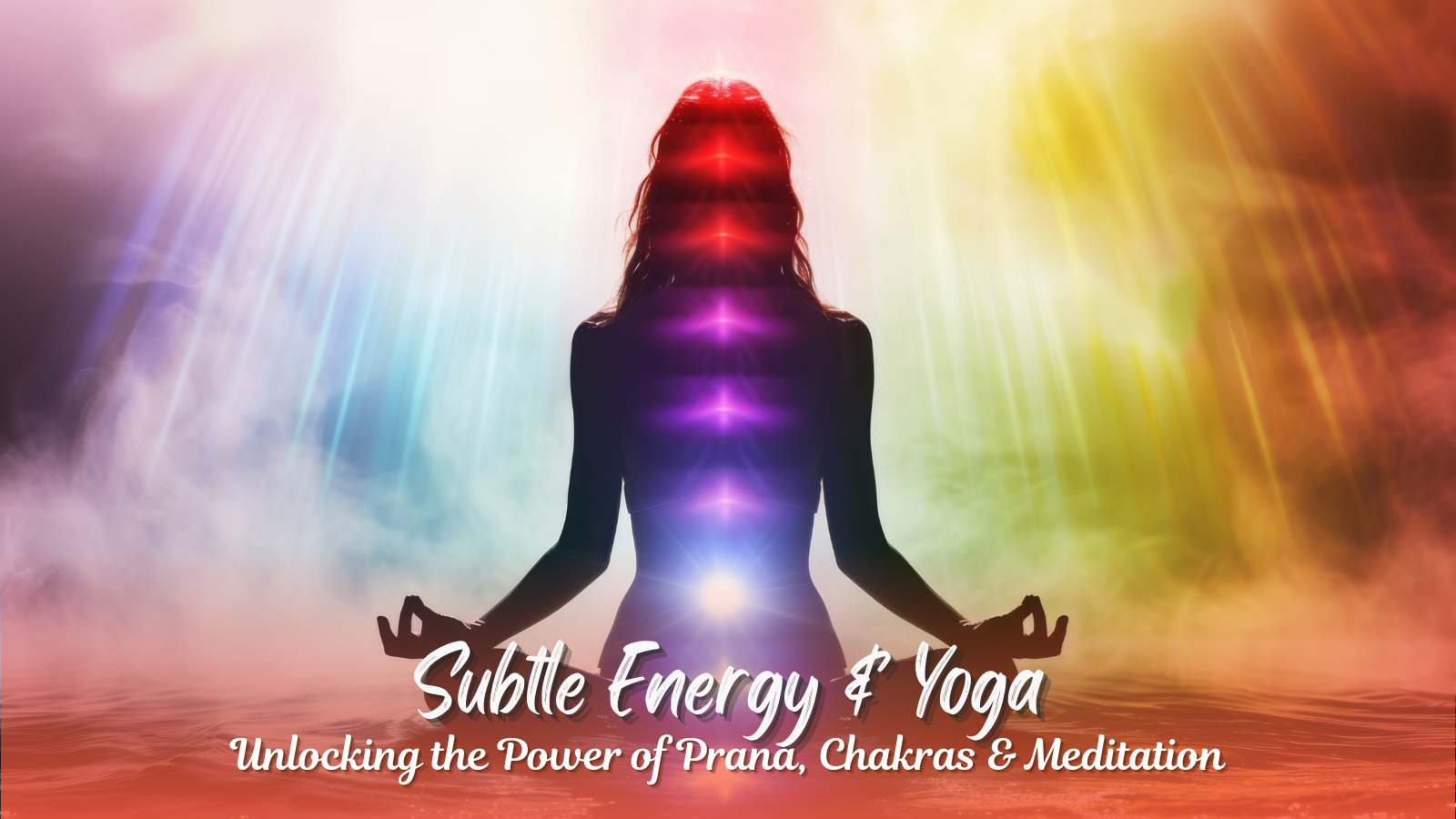
Subtle Energy & Yoga: Unlocking the Power of Prana, Chakras & Meditation

Subtle Energy & Yoga: Unlocking the Power of Prana, Chakras & Meditation

Yoga & Subtle Energy

The fundamental idea of subtle energy was first demonstrated through ancient yogic traditions and holistic healing practices which entered human practices during ancient times. A core element of understanding prana alongside chakras and meditation exists. Subtle energy defines itself as what affects our spiritual and physical well-being although its precise nature remains unclear. The upcoming piece discusses both the definition of subtle energies and their yoga-related application as well as the way they improve our meditative experience.

Did you know that energy controls not just your body, but your mind too? In China, it’s called Chi, while in India, we call it Prana. This ancient concept plays a crucial role in consciousness & emotional balance.

If you’re looking to master Subtle Energy techniques, Joining the Best Yoga School in Rishikesh can deepen your practice and knowledge.

What is Subtle Energy? Prana & Subtle Energy

Understanding subtle energy meaning requires first identifying its unseen power that shapes both mental emotional and physical states. The operations of subtle energies function at a higher level than gross energy because it deeply affects our mental and emotional state while controlling our consciousness. Yoga and Ayurveda together with numerous ancient traditions accept subtle energies to be the fundamental forces that preserve human life.

Philosophies throughout world cultures identify this essence using different names: the Chinese understanding calls it Chi while Japanese Reiki follows Ki and Indians name it Prana. The state of subtle energy equilibrium directly correlates with someone’s physical and emotional health together with their vitality. The state of this energy system affects mental wellness as well as mental power and may develop into long-term medical conditions. Numerous holistic healing therapies including acupuncture together with crystal therapy and sound healing use energy balancing to reach their therapeutic outcomes for complete body-mind synchronization.

Subtle Energy in Yoga

Traditionally in yogic practices prana represents vital subtle energies while the energy channels known as nadis both function as vital elements of this tradition. After that, people need both balanced and flowing vital life force energy to maintain health and reach spiritual awakening. Subtle energies meaning is very impactful for our existence. Yoga teacher training school in Rishikesh helps in your better practice.

How Prana & Subtle Energy Influence Your Mind & Body

Prana represents one of the most widely recognized ideas that relate to subtle energy. Prana heart from eric thompson – subtle energies sciences describes in his teachings about prana heart how energy fields shape the human mind through his teachings. The healing and awareness enhancement that Prana Heart subtle energy procedures achieve results from achieving the balance of these energy fields.

The alignment of subtle energies with the heart center (Anahata Chakra within Prana Heart results in emotional balance and promotes compassion and inner peace. Different healthcare practitioners enhance pranic flow by using tools infused with subtle energy and meditations and frequency-based technologies which lead to deep relaxation and heightened intuition and interconnectedness results.

Pranayama and mantra chanting together with visualization exercises enable the activation of prana heart subtle.energy which leads to deep inner tranquillity. Using Prana Heart principles in daily life leads to healing effects and increased emotional strength and spiritual knowledge according to new practitioners of subtle energy. People can use Prana Heart as a portal to develop their consciousness while attaining better wellness through advanced energy techniques or basic mindfulness practices.

Prana forms an essential part of existence through its essence even beyond the physical act of breathing. People encounter prana everywhere because it exists in sunlight and food and throughout the environmental surroundings. Pranayama for Energy Flow as a breathing technique serves as a powerful method for governing and strengthening subtle energies in human bodies.

All three breathing techniques Nadi Shodhana (Alternate Nostril Breathing) Bhastrika (Bellows Breath) and Kapalabhati (Skull Shining Breath) help to eliminate energy blockages thus improving both mental clarity and physical well-being. People who practice pranayama receive two major health advantages improving their lung capacity decreasing stress levels and enhancing their mental focus. Prana heart subtle energies helps our spiritual awareness through the activation of the chakras. A Best Yoga School in Rishikesh helps in your better practice.

Chakras and Subtle Energy

The human body works with seven major chakras to control different functions of our entire life.  Subtle energies are blocked and the energy flow through our chakras determines physical and emotional problems in our lives. Regular meditation chanting sounds and controlled breathing open and restore the connection between chakras and life energy through the flow of subtle energies healing.

Every chakra represents certain attributes through which it manages specific sections of our existence:

Root Chakra (Muladhara): The first chakra Muladhara influences our sense of stability with its fundamental function. Chakra misalignment leads to feelings of unease and fear in people.

Sacral Chakra (Svadhishthana): This chakra deals with emotions as well as personal creativity and sexuality. Union difficulties create emotional self-restraint.

Solar Plexus Chakra (Manipura): Personal power, confidence, and digestion. Solar plexus imbalance leads to serious doubts about oneself.

Heart Chakra (Anahata): Love, compassion, and forgiveness. Having energy trapped in this area makes people grow distant from others and develop anger.

Throat Chakra (Vishuddha): Communication, self-expression, and truth. When your throat chakra is closed it makes emotional expression hard to achieve.

Third Eye Chakra (Ajna): It controls wisdom and thought clarity plus instincts. A cluttered energy flow through this area causes problems with understanding and seeing things.

Crown Chakra (Sahasrara): Spiritual connection, enlightenment, and universal consciousness. The crown chakra needs stability for spiritual transformation to happen.

Through yoga stretches and meditative techniques, one can remove blockages from their energy centres which lets subtle energies circulate freely. This brings balance and satisfaction in their life. The Tree Pose strengthens the root chakra while the Camel Pose targets the heart chakra and the Headstand Pose helps stimulate the crown chakra.

How to Use Subtle Energy in Meditation for Deep Relaxation

Meditation serves as the most powerful method for acquiring subtle energy. A strengthened ability to connect with subtle energies leads to reaching higher awareness together with obtaining internal peace and progressing spiritually.

There are several powerful meditation techniques and these are useful to connect with subtle energies.

These are as follows:

  • Mantra meditation: Chanting sacred sounds and repeating as many times as possible like OM or SO HUM to activate the energy vibrations into the inner self.
  • Vipassana meditation: Without any judgment, observing bodily sensations and breathing for a more appropriate connection with subtle energies.
  • Guided visualization: The process of body activation for healing involves the conceptualization of energy and light movement throughout one’s physical form.
  • Chakra meditation: A person combines a focus on specific chakras along with positive statements to achieve energy balance.
  • Sound healing meditation: More usage of Tibetan singing bowls or binaural beats in enhancing vibration energy.

Practicing meditation on a regular basis builds up subtle energies fields and it simultaneously cuts down stress along with improving mental clarity and deepening spiritual consciousness. People who advanced in meditation describe reaching high states of bliss combined with energetic unity and transcendental experience as their subtle energies become fully powerful.

Yoga Schools in Rishikesh & Subtle Energy Training

Those who are willing to be involved with subtle energy training can join a yoga school in Rishikesh, this is highly recommended to deepen your knowledge and understanding regarding subtle energy. Besides, a 300-hour yoga Teacher Training in Rishikesh can provide you a better knowledge and in-depth study about subtle energy healing, prana, and chakras. The ultimate way to experience this yogic activity through teacher training is by enrolling in Rishikesh Yoga Shala, a Yoga teacher training school in Rishikesh.

Moreover, Gurukul Yogashala is mainly known for better transformative programs where students can easily practice pranayama, meditation, and several asanas in spiritually charged circumstances.

The students who complete training in this sacred land consistently state major changes in their energetic state and spiritual awareness. The status of Rishikesh as the Yoga Capital of the World creates a singular environment where people can deepen their exposure to subtle energies and yogic intelligence.

FAQs on Subtle Energy

What is the meaning of subtle energy?

Visible through its life force impacts mind-body-spirit connections but stays invisible to our eyes. Many examples of subtle energy are linked with both pranayama life energy and spiritual awareness and energy centres known as chakras. “what are subtle energies” refers to spiritual awareness in the energy centres.

What is subtle energy in yoga?

Subtle energy is considered the foundation of prana and the chakra system, which represents the controlling force that distributes life force energy throughout the body and plays a central role in obtaining total wellness.

What does subtle energy feel like?

Audio-visual disturbances provide subtle energy through tingling sensations together with warmth and vibratory sensations when practicing meditation, subtle energy healing, or deep yoga sessions. During these activities, people can experience relaxing tranquillity together with increased brain awareness.

Is subtle energy real?

Different spiritual traditions officially recognize the factuality of subtle energy. Science cannot measure subtle energy like physical energy yet individuals can experience its effects when practicing meditation, subtle energy healing techniques, and practicing yoga.

Conclusion

Knowing about subtle energy together with its part in prana, chakras, and meditation practices remains crucial for every yoga practitioner. Several pathways exist to boost your connection with subtle energies including attending a Yoga School in Rishikesh as well as getting subtle energy healing and studying prana heart from Eric Thompson – Subtle Energy Sciences.

Want to master the secrets of Subtle Energy & Pranayama? Join our 300 Hour Yoga Teacher Training in Rishikesh & elevate your practice. Enroll now!

Continuous practicing of yoga regularly can heal you to gain breathwork and meditation, and every single person can cultivate a deeper awareness of subtle energy with the learning of well-being and spirituality. Additionally, more people are interested in embracing subtle energy sciences as their field expands to deliver intellectual as well as physical benefits to health along with inner peace and spiritual growth. Professional experience in subtle energy teaching comes directly from practicing meditation and yoga because it produces direct tangible results.

Since the speed of modern life generates frequent stress anxiety and physical health problems people can use subtle energy-based yoga and meditation practices to find complete life balance. Both novices and advanced practitioners who incorporate subtle energy healing techniques will achieve raised awareness states as well as better physical health.

Modern science now confirms subtle energy through validated scientific research which cements the link between spirituality and contemporary scientific understanding. Energy-based practices hold fundamental importance in daily life operations according to this conclusion. We unlock the door to a deeper and more fulfilling life that is in line with our greatest potential as we continue to investigate the highest potential of our relationship with subtle energy.

Backbend Yoga Poses: Unlock Flexibility & Strength with These Powerful Poses

Backbend Yoga Poses: 7 Transformative Poses for Flexibility & Strength

Backbend Yoga Poses: Unlock Flexibility & Strength with These Powerful Poses

Backbends are a typical aspect of yoga poses since they extend and open up the spine and generate strength as well as flexibility. Backbends are useful to the physical body in addition to opening a person mentally as well as emotionally. As in all yoga exercise, however, safety must be exercised in executing backbend poses so they will not prove dangerous.

The purpose of this article is to discuss the advantages of backbend yoga poses, backbend yoga for beginners, how to improve backbends in yoga, backbend yoga benefits, yoga for beginners, best yoga poses for back flexibility, safe backbend yoga practices, advanced backbend yoga poses, variations, safety tips on how to practice them, and how to incorporate them in your workout routine. We will now briefly describe how it is possible that one can be enriched by learning these poses from classes like the Best Yoga School in Rishikesh and Pre-Natal Yoga Teacher Training in Rishikesh.

This isn’t just a course; it’s a soulful transformation. Ready to take the leap? Next batch starts soon! Book your seat now – Limited spots available! 🎟️🙏

What Are Backbend Yoga Poses? Why Are Backbends Important in Yoga?

Backbend yoga poses are those where the body is extended back, chest-opening, front-lengthening, and using back muscles. They provide a general sense of openness by opening up the chest and spine. Executed well, they will strengthen posture, ease backache, and strengthen the core.

The primary purpose of backbends is to activate muscles that stabilize the spine and promote shoulder and back mobility. Backbend yoga poses increase flexibility of the chest, hips, and spine and activate the cardiovascular and respiratory systems.

Key Benefits of Backbend Yoga Poses

1. Flexibility and Mobility

The most significant advantage of backbends is developing spinal flexibility. Your spine develops more range of motion from back bending so you can glide through the movements of daily life with a healthier posture. Backbends develop the capability to flex and extend the back freely and effortlessly over time.

2. Engages Core and Back Muscles

Backbends engage the back muscles and core, not being able to achieve an equal strength. Core stability is also important in the support of the spine and cushioning it against injury when one is doing something else. The more you perform the backbends, the stronger the core and back as well as the more the muscles engage.

3. Opens up the Chest and Straightens the Posture

A back bend yoga pose has the effect of naturally opening up the chest, the heart gets an exercise. It reverses slouching and rounded shoulders so typical of those working for extended periods of sitting. Regular exercise can realign your posture, relieve you of neck and shoulder pains.

4. Improves Circulation and Respiration

When you’re backarching, you’re expanding your lungs and chest, and you’re able to breathe more deeply and circulate more blood. This is very beneficial to create energy and lung capacity. The expansive movement of the backbends also is very beneficial for expanding the heart chakra, which produces feelings of expansiveness and energy.

5. Relieves Back Tension and Pain

Back pain when bending forward is generally due to tight muscles or poor posture. Backbends open up the front of the body and lengthen the back, relaxing and releasing tension. They also permit the spine to realign, which over time can help to relieve chronic back pain.

6. Emotional and Mental Benefits

Backbends are also associated with emotional release and are reputed to enhance mood, decrease stress, and even fight anxiety. The chest and heart opening welcome an emotional freedom that fights emotional blocks.

Best Yoga Backbend Postures

Let us now discuss some best backbend postures you may come across in yoga practice.

1. Cobra Pose (Bhujangasana)

Cobra pose is one of the basic backbend poses of yoga. Cobra pose is a good beginner’s backbend pose for spinal, chest, and arm strength. Cobra pose opens the heart, corrects posture, and relieves lower back tension through consistent practice.

How to:

• Lie prone with straight legs, together feet, and tops of the feet pressing into the mat.

• Place your hands on the ground in front of your shoulders.

• Inhale as you slowly raise your chest up off the floor by engaging your back muscles instead of your arms.

• Bend your elbows slightly and use your core to prevent arching your lower back.

• Look forward or slightly up to achieve the most stretch.

• Hold for 5-10 breaths and then slowly lower back down onto the floor.

2. Wheel Pose (Urdhva Dhanurasana)

Wheel pose (Urdhva Dhanurasana) is an advanced backbend with excess flexibility in the shoulders and spine. One also needs strength in the core, arms, and legs.

How to do it:

• Lie on your back with the feet flat and the knees bent on the floor.

• Keep the hands alongside the ears, with fingers toward the shoulders.

• Press hands and feet and lift hips and chest up towards ceiling, extending arms and legs.

• Activate core and let the head drop, looking down or forward.

• Hold for several breaths and then slowly return to floor.

3. Camel Pose (Ustrasana)

Camel pose is a deep backbend that opens the chest and extends the spine, hips, and thighs.

How to do it:

• Start on knees on floor with hips-width apart knees.

• Support yourself against your lower back using your hands or reach for your heels.

• While breathing in, press your hips forward and lift your chest and slightly arch your back.

• Activate your glutes and thighs to stabilize your lower back.

• Hold for a few breaths before gradually returning to neutral.

4. Bridge Pose (Setu Bandhasana)

Bridge pose is minor backbend that works particularly well to develop the back, core, and legs. It is also an appropriate starter pose and may serve as an introduction to more advanced backbends.

How to do it:

• Place yourself on your back with feet flat on floor and knees bent.

• Press feet and press hips up toward ceiling, creating a bridge.

• Place your arms at your sides or fingers clasped behind your back for added support.

• Use your thighs and core to lift more and keep your chest open.

• Hold a few breaths and slowly lower your hips down onto the mat.

3. Locust Pose (Salabhasana)

This backbend is for strengthening in the glutes and lower back and opening up the chest and legs.

How to do it:

• Lie on your stomach with your arms at your sides and straight legs stretched out.

• Inhale as you lift your chest, arms, and legs up from the ground, spreading your arms back behind you.

• Exhale and stretch further using your back muscles, and hold for a few breaths.

• Come back down slowly gradually.

How to Perform Backbends Safely

Although backbends are excellent in many ways, they need to be executed safely so you don’t end up injuring yourself. Here are some safety tips:

1. Proper Warm-Up

Never try out any backbend without pre-warming the body. Hips, shoulders, and spine should be loosened with not much stretching involved. A correct warm-up will ensure the possibility of injury is low and that you can probe deeper into backbends in a safe way.

2. Proper Alignment

Correct alignment is most critical in preventing injury while backbending. Keep your foot distance hip width, your knees directly in line with toes, and spine in a neutral position when aligning in each pose initially.

3. Use Your Core and Glutes

Working your glutes and core are also important for protecting your lower back during backbending. Your core and glutes work to support your spine and ensure that it’s not arching too far and potentially injuring itself or leading to pain.

4. Avoid Over-Arching the Lower Back

Be cautious not to let the lower back remain in the neutral position, especially when one is doing deep backbends like wheel pose. Do not over-arch or collapse your lower back as this will put strain or cause pain on it.

5. Use Props

If you are new to practicing or have tight spots in your body, don’t hesitate to use props like blocks, straps, or blankets to help you. They will give you the added support and allow you to ease into the pose.

How to Improve Your Backbends Safely

If you wish to learn the method of safely and effectively practicing backbends, a trip to a Top Yoga School in Rishikesh could be a wise decision. Rishikesh abounds in yoga heritage, and there are plenty of top schools where one can take teacher training courses in backbends, alignment, and safe practice. Whether to open up your own practice or as a way of training to be a yoga teacher, Rishikesh has some of the finest yoga schools on the globe.

For instance, the syllabus of the 200 Hour Yoga Teacher Training in Rishikesh is perfect for beginner or experienced students who want to learn a sound foundation in yoga, including backbends. The syllabus usually consists of in-depth study of anatomy, alignment, and teaching methods to prepare students to lead others in backbend postures in a safe and effective way.

Additionally, the Pre-Natal Yoga Teacher Training in Rishikesh is another excellent option if you’re looking to specialize in backbend modifications for pregnant women. Pre-natal yoga focuses on creating safe and effective modifications for various yoga poses, including backbends, to ensure the well-being of both the mother and the baby.

Backbend yoga poses are a necessary component of a balanced yoga practice and are beneficial to the body, mind, and soul. They stretch and condition, refine posture, and facilitate emotional release. If you’re a beginner or an experienced practitioner, backbends can be incorporated into your practice if you know what you’re doing and use proper alignment.

If you want to increase your own experience with backbends or professional training in them, workshops such as Best Yoga School in Rishikesh can be very helpful and educational. Approach the challenge of backbends with caution and awareness, and reap the many dividends they return to your practice and life.

FAQs: Lower Back Pain When Bending Over

1. What occurs when you bend your knee backward?

As you move your knee into a straightening position to the back, your knee joint exercises a movement termed flexion that reduces the angle between the thigh and calf. In doing this, you stretch your quadriceps  and tighten the hamstrings . Depending on the degree to which you bend your knee, it may even stimulate muscles in the vicinity of the hip joint and lower back, making these areas move. Over- or improper bending of the knee may result in excessive stress to the muscles, tendons, and ligaments around the joint.

With the lower back, if you back up your knee when standing or forward bend, your pelvis and lumbar spine are able to slide so that you can do it. Sometimes it will strain the lower back if the muscles are tight or weak, or if there is some underlying misalignment or injury.

2. Why is my lower back sore when I bend over?

Lower back pain upon bending is a frequent grievance and may be due to a variety of causes. The most frequent causes of this occurring are listed below:

Muscle Strain: It is your lower back and core muscles that stabilize your spine. Your muscles become strained on repetitive use or weakness, thus getting strained upon bending. It is a consequence of over-loading or over-stretching the muscles and tightness, spasm, or pain result from it.

Posture: Incorrect posture, particularly leaning forward, will stress your lower back. Leaning at the waist rather than hinging from the hips will inappropriately stress the lumbar spine as well as the surrounding muscles. With time, poor posture can result in chronic pain or stiffness.

Bulging or Herniated Disc: Herniated disc is when the soft material of the cushioning between the bones of the vertebrae (the disc) bulges out and compresses on adjacent nerves. This can cause pain, numbness, or tingling in the lower back, particularly on bending and lifting.

Sciatica: Sciatica is when the sciatic nerve, which goes from your lower back down into your legs, gets pinched or inflamed. It can cause pain that travels from the lower back down to the legs, typically worsening when leaning forward.

Degenerative Disc Disease or Osteoarthritis Treatment: With age, the spinal discs begin to degenerate. This causes pain on bending as there is less cushioning between the vertebrae, causing stiffness and pain. Osteoarthritis, joint cartilage degeneration, can also cause lower back pain on bending.

Sacroiliac Joint Dysfunction: Sacroiliac joint is where pelvis and lower back intersect. The lower back is due to a sore or displaced joint, pain that becomes more severe when bending over or doing other things.

3. How to adjust lower back pain when bending over?

If you find that you have pain in your lower back when bending, there are a few things that you can do to help the pain. The biggest thing is to be careful and take precautions with prevention. These are some types of healing for lower back pain:

Flex and Strengthen Your Core and Lower Back Muscles: Perhaps the best means of preventing and treating lower back pain is to flex and strengthen your lower back and core muscles. Do core exercises like planks, bridges, and abdominal curls to stabilize the spine. In addition to exercise, strength and muscle stretches can also be given through cat-cow yoga positions, child’s pose, and downward dog to avoid the tightening of the muscles in the back while bending forward.

Keep Good Posture: Pay attention to your posture while standing and bending. Bend at the hips and not from the waist. Hinge at the hips and keep the back straight to stabilize the lower back while lifting and also while taking any bending movement. Keeping good posture throughout the day will reduce strain on the lower back and prevent subsequent pain.

Employ Proper Lifting Techniques: When lifting items, always bend your knees instead of your back. Keep the object against your body, and lift with your legs and not your back. This reduces the tension on your lumbar spine and prevents injury.

Heat and Cold Therapy: Exposure to heat or cold on your lower back can ease the pain. Ice packs are particularly useful in the first 24-48 hours of onset of pain because they help reduce inflammation. Once the initial few hours are over, a heat pack can be used to loosen up contracted muscles and allow the return of blood circulation to the area.

Consider Physical Therapy: If your pain persists, a physical therapist can create a plan of care with certain exercises to address muscle imbalance, flexibility issues, and posture. They will also teach you how to do it without straining your back when bending over.

Strengthening Your Hamstrings and Hips: Tight hip flexors and hamstrings can be a source of lower back strain when bending. Incorporating stretching for hip flexors and hamstring stretches into your daily routine will loosen tight muscles and allow less straining on the lower back.

Avoid Overexertion and Take Breaks: If your work or daily activities are characterized by a lot of sitting, lifting, or bending, it’s important to take breaks. Stand up and walk around every 30 minutes to avoid stiffness and muscle strain in the lower back. Stretch and walk around to keep your muscles active.

Visit a Doctor for Chronic Pain: If your lower back pain is chronic or worsening over time, it would be best to visit a doctor. He will be able to assess your condition and may request imaging to find out if there is an issue like a herniated disc, degenerative disc disease, or other issues that will require medical treatment.

5. What are the benefits of backbend yoga poses?
Backbend yoga poses improve spinal flexibility, posture, and energy levels while reducing stress.

6. Are backbends safe for beginners?
Yes, but beginners should start with gentle poses like Cobra Pose and avoid deep backbends without warm-ups.

7. What is the easiest backbend yoga pose?
Bridge Pose (Setu Bandhasana) is a simple backbend ideal for beginners.

8. How can I deepen my backbends safely?
Use yoga props like blocks, practice core engagement, and maintain a steady breath.

Conclusion

Bending back pain is among the most prevalent conditions with numerous varied causes ranging from muscle strain and poor posture all the way up to potentially quite serious ones like bulging disc disease and arthritis. Proper lifting techniques, exercises to strengthen abdominal and back muscles, and good posture all help significantly towards enhancing your chances of injury as well as alleviating symptoms.

If the pain continues or is severe, you should approach a qualified medical practitioner in order to obtain proper treatment for your condition. With proper treatment, most of the patients have been able to cure themselves from lower back pain as well as avoiding recurrence in the future.

If you really want to dive deeply into the transformative power of yoga, consider attending a 200 Hour Yoga Teacher Training at an established Yoga Gurukul in Rishikesh. The program will give you the best yoga and meditation training but teaches you to live a more centered, mindful life. You shall discover the depth of your practice in a truthful and nurturing environment, be given the confidence and tools to succeed in all aspects of your life.

Balasana (Child’s Pose): Benefits, Steps & Mistakes to Avoid for Maximum Relaxation

Balasana (Child’s Pose): Benefits, Steps & Common Mistakes to Avoid

What is Balasana? (Child’s Pose Explained in Detail)

Child’s Pose, or Balasana, is quite likely one of the most frequent and healing yoga positions. It is typically used in practice to instill relaxation, soothe the mind, and slowly stretch out the body. Although as plain as Balasana yoga posture, it is incredibly healing for beginners and even veteran yogis. This calm pose can either be done as a resting pose, in flowing sequence, or as a counter pose to powerful postures.

In this detailed article, we are going to learn the different things about Balasana yoga information, i.e., Benefits of Balasana in English, Procedure of Balasana, How to sit in Balasana correctly?, Balasana vs. other relaxation poses, the proper way of doing it, and not doing the common mistakes. We will just briefly state also why it should be practiced, along with other asanas, in the presence of a certified teacher at institutions such as the Best Yoga School in Rishikesh, Pre-Natal Yoga Teacher Training in Rishikesh, and the 200 Hour Yoga Teacher Training in Rishikesh.

If you’re looking to truly deepen your yoga practice and gain expert guidance, enrolling in the Best Yoga Teacher Training in Rishikesh can be a life-changing experience. Learning under experienced instructors in the serene environment of Rishikesh not only refines your practice but also helps you understand the philosophy, alignment, and therapeutic aspects of yoga. Whether you’re a beginner or an advanced practitioner, a structured training program will elevate your skills and allow you to share the gift of yoga with others.

Balasana (Child’s Pose): A Simple Yet Powerful Yoga Posture for Relaxation

Balasana is a calming and restorative yoga pose that stretches the lower back, hips, and thighs and demands relaxation and awareness. It is also known as baby pose or child’s pose because it is in a fetal-like position. The pose welcomes the practitioner to fold inwards, evoking a feeling of safety and calmness.

Though a simple posture, Balasana is a highly effective one that enables practitioners to attune themselves to their breathing, to relax, and to release the body tension slowly. It is among the jewels of most yoga lessons, being either a restorative pose or used as a bridge between other more challenging asanas. Balasana is also famous for its healing and relaxing effect on the body, and hence it is extremely easy to do by any person of any age and physical condition.

Benefits of Balasana Yoga Pose – Why You Should Add This to Your Practice

Physical Benefits of Balasana (Improved Flexibility & Posture)

Balasana yoga pose is also famous for giving relaxation at a physical and mental level. Some of the key Balasana benefits are discussed below:

Relieves Back Pain: Perhaps one of the most obvious child pose advantages is that it provides relief to tension in the lower back. The pose gently elongates the spine, giving relief to individuals experiencing back pain or stiffness due to sitting or standing for long periods of time. It is especially effective in relieving back pain when bending.

Stretches the Hips and Thighs: Balasana pose stretches the thighs, hips, and groin. It stretches areas where tension will typically build up, especially in those who have a sedentary lifestyle or in someone who engages in activities such as running or cycling. This intense stretch can relax tightness and add flexibility.

Releases the Neck and Shoulders: When the head and chest are lowered to the ground, the release of the neck and shoulders is made easier by Balasana. It could be particularly beneficial for people who have tense shoulders or suffer from neck ache due to poor posture or tension.

Releasing the Knees and Hips: Child yoga pose provides a profound release of hip flexors, the groin, and inner thighs with bending knees and folding your thighs into your chest. The pose can be a great method of releasing tension in tight hips and improving overall flexibility.

Stretches the Spine: The passive forward bend in Balasana creates a relaxed stretch down the length of the spine. Stretching the spine can improve flexibility and correct bad posture through stimulating the natural curve of the spine.

 Mental & Emotional Benefits (Stress Relief & Calmness)

In addition to its physical advantages, Balasana also has many mental and emotional advantages that can enhance your overall wellbeing:

Relieves Stress and Anxiety: Balasana is a soothing effect on the nervous system, and thus it is an apt solution to deal with stress and anxiety. The restorative aspect of the pose in a soft way relaxes and quiets down the body and mind, and thus it is an ideal pose for meditation or mindfulness practice.

Allows Deep Breathing: While settling into the Balasana pose, the deep flex of the body invites slow, deep breathing, which may activate the parasympathetic nervous system. This produces a “rest and digest” response that calms and relaxes the body.

Refills Energy: Since Balasana is a pose of intense relaxation, it can be a means of reviving the mind and body. It is quite effective in recharging energy after a dynamic or exhausting series of yoga.

Encourages Self-Awareness: Child’s pose is a time for introspection, inviting the practitioner to go inside and listen to the inner world. The position of the body invites grounding and self-awareness, so you can gaze inward at your practice or simply soak in the moment in ease.

Therapeutic Benefits (Digestion & Headache Relief)

Relieves Headaches: For individuals with tension headaches or migraines, Balasana can be comforting. The gentle compression of the forehead upon the floor and the calming effect of the pose can unwind the tension of the head and neck.

Relaxes Digestive Disorders: The soft pressure on the abdominal region in Balasana may stimulate digestion and cause bowel movement. It could be an effective pose for individuals with bloating, constipation, or indigestion.

Relaxes Pregnancy-Related Pain: During pregnancy, Balasana can be a soothing method of stretching and relaxing, especially in the lower back and hips. It is important, though, to practice with modifications to avoid putting pressure on the stomach during pregnancy. Pre-Natal Yoga Teacher Training in Rishikesh may assist in teaching practitioners how to safely practice this pose with modifications during pregnancy.

How to Perform Balasana: Step-by-Step Guide

Practice Balasana Yoga Pose (Child’s Pose)

1. Step-by-Step Instruction

The below are the procedures to do the Balasana pose in the right manner and benefit from its full advantages:

1. Start on all fours: Rest on the table top position by putting hands under your shoulders and knees under your hips. Keep your head in the center of your spine and spine erect.

2. Slowly sit back on heels: On the exhale, slowly sit back down to your heels. Knees may be together or apart depending on comfort and range of motion. If hips are tight, knees apart will provide more room for your chest and belly to sit.

3. Drop your forehead and chest to the ground: Let your chest drop down toward the ground as you extend your arms forward in front of you. Your forehead will rest gently on the mat, with your arms extended in front of you or to the sides.

4. Release into the pose: Slowly inhale and exhale after assuming the pose. Attempt to let go of body tension and allow tension in hips, shoulders, and back simply melt away. Steady, slow breathing to allow the pose soothe your mind and body.

5. Hold for a few breaths: Hold the pose 30 seconds to 3 minutes or to a comfortable point for you. You can return to this pose if you are resting or need to take a break for your body in a practice.

6. To exit the pose: Release slowly to tabletop again by rooting into your hands and returning your hips to neutral again.

Modifications & Variations of Balasana

Some variations of the Balasana yoga posture could be applied in order to extend the stretch, to unfold the pose for accessibility, or modify it for individual needs:

Child’s Pose, Wide-Legged (Ananda Balasana): In order to lengthen the hips more, your knees should be wider than your hip-width and with more space for your chest to droop towards the ground. This modification is called Ananda Balasana and it offers a greater hip opening.

Extended Arms Child’s Pose: To access a greater shoulder stretch, reach your arms out forward. This modification also stretches your wrists and arms to create an overall upper-body stretch.

Block Child’s Pose: If there is pain in the neck, a block can be placed under the forehead to support the head when lifted. This modification is also beneficial for people with hip or knee problems.

Pregnancy Adaptations: Pregnant women can adjust Balasana by bringing the knees together closer in an effort to support the pregnant belly. Support can be achieved using cushions or blankets.

Balasana Pose Mistakes to Avoid

Despite Balasana being easy, there are common mistakes that students need to avoid so that they do not get hurt or uncomfortable.

1. Not Kneeling Properly

If your knees are too close together, it can cause excessive tension in your hips and lower back. There should be a comfortable space between your knees, either keeping them hip-width apart or wider, depending on your flexibility and comfort.

2. Folding the Chest Too Much

Although Balasana is forcing your chest down toward the floor, do not let your chest collapse fully because this will engage your shoulders and your lower back too much. Employ a little bit of your arms and your breath so that your chest drops slowly.

3. Holding Your Breath

Don’t overlook deep and natural breathing in Balasana. Failure to breathe results in unnatural body tensions, and the calming effect of the pose is compromised. Always take note of maintaining deep and normal breathing to assist in tension release and deeper stretch.

4. Avoid Making Adjustments for Knee Distress

If your knees are sore in Balasana, you might want to place a cushion or blanket under your knees for support. If your knees are extremely sensitive, it might be more comfortable for you to stand further apart or put a cushion between your knees for extra support.

5. Mastering Child’s Pose in a Yoga School

If you want to learn more about yoga postures such as Balasana and enhance your practice in general, then studying at a Top Yoga School in Rishikesh will be of immense benefit. Rishikesh is highly renowned for its rich yoga culture and boasts numerous top-rated yoga teacher training courses.

200 Hour Yoga Teacher Training in Rishikesh is a great course for the new yoga participants and people who are interested in practicing beginner level yoga poses and studying more about anatomy, alignment, and teaching methods. Pre-Natal Yoga Teacher Training in Rishikesh is also an excellent course for the people who are interested in learning how to practice Balasana and other poses under pregnancy safely.

Briefly, Child’s Pose is an extremely useful but easy-to-do yoga pose that produces an extremely large number of physical as well as mental benefits. Child’s Pose provides relaxation to tension in the hips, thighs, and back and brings in relaxation and awareness of the mind. Proper body alignment and breathing while doing Balasana can lead to enhanced flexibility, tension-free body, and build being-in-the-present moment awareness.

Regardless of whether you are a beginner or a seasoned practitioner, adding child’s pose benefits to your practice will add richness to your yoga experience. And for those interested in taking their practice and knowledge to the next level, enrollment in a credible school like the Best Yoga School in Rishikesh or Top Yoga School in Rishikesh can provide you with the training and education you need to teach this and other simple poses competently.

FAQs – Everything You Need to Know About Child’s Pose

Balasana, or Child’s Pose, is a gentle, relaxing yoga pose that provides one with a deep stretch. It’s a resting pose commonly utilized in a practice of yoga, and it provides a myriad of physical and mental benefits.

 1. What is Balasana and its benefits?

Balasana (bah-LAHS-uh-nuh) is a yoga pose where you kneel on the mat and sit back on your heels, lowering your torso toward the floor and extending your arms out in front of or beside of you. It’s a restorative pose that releases the body and quiets the mind.

Benefits of Balasana:

Relieves Tension: Balasana opens up the neck, shoulders, and back, relieving tension and stiffness. It’s particularly good for people who sit for hours at a desk or on a computer.

Promotes Relaxation: By slowly stretching the body and inducing deep breathing, the nervous system is soothed, reducing stress and anxiety.

Increases Flexibility: It will stretch the hips, thighs, and ankles, and also lengthen the spine, so you can have more flexibility.

Relaxes the Digestive System: The gentle pressure on the tummy can help stimulate the digestion process and soothe bloating or discomfort.

Restorative Benefits: Balasana is generally used to rest and reboot in a yoga practice and provides mental and physical relief when you are fatigued or over-stretched.

 2. How to do Balasana correctly?

To practice Balasana correctly, just follow these simple steps:

1. Start in a kneeling position: Begin on your knees on the floor with knees hip-width or wider apart, as comfortable for you. Your toes should stay together and knees apart.

2. Sit back on your heels: Sit your hips back slowly onto your heels. If your knees are sore, place a cushion or blanket between your thighs and calves to alleviate pressure.

3. Lower your torso: Slowly lower your torso down to the mat, with straight arms in front of you with palms facing downwards. Alternatively, bring your arms alongside your body with palms facing upwards for a less tense variation.

4. Release your forehead: Position your forehead on the mat. If your forehead is too short to reach the floor, you can position a block or cushion under it for support.

5. Breathe deeply: Observe your breathing, taking slow, deep breaths to calm the body and quiet the mind. Hold this pose for 30 seconds to several minutes, depending on your preference.

 3. Is Balasana beneficial for hair?

Though Balasana is not directly associated with improved hair health, the pose indirectly impacts factors that could promote healthier hair:

Less Stress: Stress is a condition that everyone faces, which may lead to hair loss or unhealthy hair. Since Balasana brings relaxation and reduces stress, regular practice could help control stress levels, promoting healthier hair growth indirectly.

Enhanced Circulation: The gentle tilting of the body in Balasana enhances circulation to the scalp, which can stimulate healthier hair follicles and, in the long term, help maintain hair health.

However, Balasana should not be viewed as a solution to a hair issue. It can, however, be a subset of measures to improve overall health, including hair health.

 4. Does Balasana reduce belly fat?

Balasana is a relaxing yoga pose more focused on relaxation and flexibility rather than specifically diminishing belly fat. It does not directly target belly fat. It can, though, assist with a healthy metabolism and digestion, which can indirectly affect overall well-being.

Even though Balasana does not decrease belly fat in particular, its benefits are:

Spurring Digestion: Even the gentle pressure on the belly has the additional benefit of supporting digestion, preventing bloating or discomfort, and leaving you feeling lighter and at ease.

Reducing Stress: Since stress is also a cause behind belly fat, especially around the stomach area, practicing Balasana to reduce stress levels can support efforts to maintain health and equanimity regarding weight and body composition in general.

For fat reduction specifically, it is essential to use Balasana along with a balanced diet and a regular exercise routine. Yoga asanas that involve the core muscles, like boat pose or plank pose, would be better suited for targeting belly fat alone.

Conclusion

Balasana (Child’s Pose) is a quiet and adaptable yoga pose that brings numerous benefits to the body and mind. It alleviates tension, promotes relaxation, and opens up flexibility. While it can have secondarily beneficial impacts upon hair care and digestion, it’s no fad pill for losing belly fat. Instead, incorporating it in regular yoga activity adds to comprehensive health, lowers stress levels, and facilitates digestion and is an excellent addition to overall well-being.

If you really want to dive deeply into the transformative power of yoga, consider attending a 200 Hour Yoga Teacher Training at an established Yoga Gurukul in Rishikesh. The program will give you the best yoga and meditation training but teaches you to live a more centered, mindful life. You shall discover the depth of your practice in a truthful and nurturing environment, be given the confidence and tools to succeed in all aspects of your life.

How Has Yin Yoga Help With Physical Health In Teens?

How Has Yin Yoga Help With Physical Health In Teens?

How Has Yin Yoga Help With Physical Health In Teens

Other than its meditative approach Yin Yoga focuses on strengthening deep connective tissues as well as ligaments joints and fascia within the body. Participants in Yin Yoga practice must maintain each pose throughout periods longer than 3 to 5 minutes because it differs from fast-paced dynamic techniques. The lengthy duration of physical stillness creates exceptional advantages for bodily and mental states. The practice of Yin Yoga has recently become popular among teenage individuals because it helps their bodies become more flexible and establishes better posture while improving their health status.

This article will explain “what is Yin Yoga” and discuss its physical wellness advantages along with preferred poses and its favourable impacts on teenage individuals. The article discusses both Yin Yoga teacher certification and 300-hour Yin Yoga teacher training along with presenting information about the Best Yoga School in Rishikesh for both practitioners and aspiring educators.

If you’re looking to deepen your practice and become a certified yoga teacher, finding the Best Yoga Teacher Training in Rishikesh is key. Rishikesh, the Yoga Capital of the World, offers authentic, traditional teachings that connect you to the true essence of yoga. Whether you’re a beginner or an experienced practitioner, a structured teacher training program will refine your skills, build confidence, and open doors to a global yoga career. Ready to take the next step?

What is Yin Yoga?

Yin Yoga comprises quiet and slow movements requiring practitioners to maintain specific postures for elongated periods. Static yoga positions of Yin Yoga work against connective tissues and joints as well as ligaments to create flexibility and mobility while promoting relaxation. Teenagers will find this peaceful practice especially helpful because it combats stress resulting from academic challenges, athletic pursuits, and extended screen usage.

Key Features of Yin Yoga:

  • Long-held poses (3-5 minutes)
  • Deep connective tissues have to be focused.
  • Relaxation and mindfulness have to be encouraged.
  • Flexibility and mobility have to be Improved
  • Complements other physical activities

What Are The Most Used Yin Yoga Poses?

During Yin Yoga practice participants maintain each pose between 2 and 5 minutes which creates deep stretching experiences. Various static postures are fundamental to practice Yin Yoga among these are:

1. Butterfly Pose (Baddha Konasana)

  • The hips and inner thighs have to be opened.
  • The flexibility and relieves tension in the lower back have to be Enhanced.

2. Dragon Pose (Lunge Variation)

  • Hip flexors and quadriceps are Stretched.
  • Mobility in the legs and lower body has to be increased.

3. Caterpillar Pose (Seated Forward Fold)

  • The spine and hamstrings have to be Stretched.
  • Introspection and relaxation are encouraged.

4. Sleeping Swan (Yin Variation of Pigeon Pose)

  • Deep hip opener which releases tension from the lower body.
  • Athletes together with individuals who spend many hours sitting can obtain benefits from this practice.

5. Sphinx Pose

  • Grand Gomukasana creates gentle spinal extension which stimulates the spine while broadening the chest muscles.
  • The practice can correct structural misalignments that occur due to long periods of sitting.

“What is the most used yin yoga poses” has been discussed in a detailed way.

How Does Yin Yoga Help with Physical Health?

1. Improves Flexibility

The practice of prolonged Yin Yoga poses results in increased flexibility of muscles and connective tissues. The stretching achieved during Yin Yoga helps teenage bodies with growth to move better while protecting them from potential injuries. People who do yin yoga can improve their Flexibility.

2. Increases Joint Health

Through Yin Yoga practice teens gain improved joint mobility because the practice enhances synovial fluid production which keeps joints lubricated and minimizes stiffness. The practice provides excellent benefits to athletes and physically active teenagers.

3. Strengthens Connective Tissues

Stretching deep into fascia and ligaments during Yin Yoga creates prevention of stiffness and enhances tissue flexibility. Through deep stretching practices, one can reduce the risk of future chronic pain and injuries that may develop in later life. Pre Natal Yoga Teacher Training in Rishikesh helps in your health development.

4. Boosts Circulation

An extended period of holding poses improves blood circulation which carries oxygen and nutrients to the entire body. Long-term body position practice allows patients to recover their physical capacities more quickly. People who do yin yoga can Boost their Circulation.

5. Supports Posture and Spinal Health

Screen time elevation has led to postural issues among numerous teenage individuals. Through Sphinx Pose and Caterpillar Pose in Yin Yoga students can sustain proper spine health and alleviate pressure from excessive sitting.

How Has Yin Yoga Help with Physical Health In Teens?

1. Alleviates Stress-Induced Tension

Legitimate sources reveal that young people face educational stress as well as social challenges and emotional changes in their lives. Through Yin Yoga body practitioners can release accumulated stress from their muscles which produces an overall relaxation effect.

2. Reduces Sports Injuries

Athletic teenage individuals commonly suffer from both muscle tightness and joint strain. Yin Yoga enhances other physical activities while building flexibility and mobility to stop injuries from occurring.

3. Enhances Recovery

The practice of Yin Yoga functions as a perfect recovery method for teens who participate in vigorous physical activities that include running dancing and weightlifting. Yoga practice serves as an excellent recovery measure that combines muscle soreness reduction with accelerated rehabilitation. You can practice at the Best Yoga School in Rishikesh.

4. Encourages Mind-Body Awareness

Yin Yoga increases a deep connection between the mind and body. Teens gain self-knowledge about their physical boundaries while actively developing their muscle strength and mobility in a protected way.

5. Improves Sleep Quality

Yin Yoga helps users experience better sleep since it functions to settle their nervous system. The integration of Yin Yoga practice during evening hours brings significant advantages to sleep-deprived teenage individuals.

These are the processes “how does yin yoga help with mental health”.

Silhouette Yin Yoga

Silhouette Yin Yoga functions as a method that concentrates on both the artistic side and meditative elements of Yin Yoga within environments that utilize dim lighting and candle glow. Silhouette Yin Yoga provides both relaxation and mindfulness which draws teens who need stress relief.

Yin Yoga Teacher Certification & Training

The path to deep Yin Yoga practice or teacher certification starts through obtaining a Yin Yoga teacher certification. Yin Yoga teacher training at 300 hours delivers complete knowledge about Yin Yoga foundations with detailed studies of anatomy as well as effective teaching techniques. You can practice through Pre Natal Yoga Teacher Training in Rishikesh.

Best Yoga School in Rishikesh

Rishikesh serves as the Yoga Capital of the World where students can enroll in top-quality yoga academic institutions. The Best Yoga School in Rishikesh delivers Pre-Natal Yoga Teacher Training in Rishikesh and Yin Yoga training courses for those who wish to become instructors. 300 hour yin yoga teacher training in Gurukul helps in your better practice.

FAQs About Yin Yoga

What is Yin Yoga good for?

Through its practice, people gain flexibility improvement along with lower stress and better joint wellness. Because yin yoga regulates energy flow, encourages recuperation, and teaches mindfulness techniques, it helps with both physical healing and emotional stability. The practice suits people who search for a mindfulness-based deep-stretching form of yoga to support their additional physical pursuits.

What is Yin and Yang Yoga?

While Yang Yoga (Vinyasa or Ashtanga) primarily consists of moving through dynamic sequences that engage muscles, Yin Yoga asks practitioners to maintain stretches passively for extended periods. These complementary practices form a yoga practice that offers support to both physical strength and flexibility.

Is Yin Yoga for Beginners?

The practice of Yin Yoga welcomes beginners because it needs no previous experience. The extended hold times in Yin practice enable beginners to start their journey without towering expertise in flexibility or strength.

Is Yin Yoga good for you?

Absolutely! The practice benefits every person no matter their age or fitness capability. Through its practice people can experience improved joint health while experiencing reduced stress together with enhanced flexibility and emotional benefits. The practice of Yin Yoga offers beneficial advantages to athletes as well as students who take it and those who need recovery from injuries.

What is Yin Yang Yoga?

The practice of Yin Yang Yoga combines both the relaxative nature of Yin Yoga alongside the energizing poses of Yang Yoga. The practice provides a complete solution through equilibria among passive relaxation exercises and active strength-building postures.

Can Yin Yoga be practiced daily?

The practice of Yin Yoga demonstrates safe usage for daily sessions. Deep connective tissues are the main focus of Yin Yoga practice thereby avoiding muscle-related fatigue or strain which occurs from strenuous exercise. High-frequency Yin Yoga practice results in the improvement of joint mobility and better flexibility and stress reduction.

How long should Yin Yoga poses be held?

Participating in Yin Yoga poses requires maintaining stretches between 2 to 5 minutes or longer durations. Deep tissue release becomes possible during prolonged pose maintenance periods which results in better flexibility and mobility as time passes.

Is Yin Yoga suitable for people with injuries?

Yes, but with modifications. Injuries require safe pose adjustments which people should receive from either a Yin Yoga teacher or therapist. Yin Yoga poses offer gentle rehabilitation support given its non-impactful nature.

Can teenagers practice Yin Yoga at home?

Absolutely! Young adults have two options to practice Yin Yoga either through online guided videos or virtual class participation. College students practicing yoga in a quiet environment with a yoga mat as well as yoga props will improve their overall experience.

Does Yin Yoga help with stress relief?

Yin Yoga stands as a superior yoga style that effectively alleviates stress. The meditative yoga practice quiets your nervous system reduces cortisol production and fosters deep relaxation to provide excellent stress and anxiety relief.

What props are used in Yin Yoga?

The practice of Yin Yoga commonly requires the use of yoga blocks, bolsters, and blankets as well as straps among its prop equipment. The provided props enable deeper relaxation in poses by providing necessary support which helps keep the body properly aligned without discomfort.

Conclusion

Yin yoga mainly offers several benefits to teens and these include physical health, flexibility, and posture which are useful to reduce stress and enhance overall well-being. Regular practice of Yin Yoga can give better development in body awareness, maintenance of a healthy lifestyle, and prevent injuries.

Through studying Yin Yoga and obtaining its professional certification you will expand your knowledge of this practice irrespective of your Yin Yoga training experience level from beginner to advanced.

Successful individuals seeking advanced practice should investigate the Best Yoga School in Rishikesh to undertake Best Yoga teacher training in Rishikesh at the school. Embark on your Yin Yoga journey right now to gain complete health benefits for body and mind.

Utkatasana (Chair Pose): Benefits, Steps & Common Mistakes to Avoid

Utkatasana (Chair Pose): 7 Benefits, Steps & Common Mistakes To Avoid

Utkatasana (Chair Pose): 7 Benefits, Steps & Common Mistakes

Ever tried sitting in an invisible chair? That’s Utkatasana for you! This pose challenges your strength, balance, and focus while giving your legs a deep burn! A holistic practice known as Yoga supports the development of body as well as mind and spirit. Utkatasana or the Chair Pose stands as one of many yoga poses that demand both physical strength and mental concentration alongside superior balance skills from practitioners. The knowledge gained about Utkatasana pose will boost your yoga development if you practice at a basic level or pursue advanced depth in your yoga practice. 

We will explore Utkatasana meaning while analysing utkatasana benefits together with detailed instruction along with yoga chair poses as well as alignment guidelines and error prevention strategies. This guide includes descriptions of 200 Hour Yoga Teacher Training in Rishikesh and Pre Natal Yoga Teacher Training in Rishikesh. This guide will investigate Utkatasana followed by its relationship with steps of Dhanurasana and steps of Paschimottanasana while examining its position within 200 Hour Yoga Teacher Training in Rishikesh and Pre Natal Yoga Teacher Training in Rishikesh programs

What is Utkatasana? Meaning & Origin

The Sanskrit name for Utkatasana consists of Utkata for fierce intensity and the term “Asana” meaning posture, utkatasana a standing seated posture in yoga, giving rise to its full meaning. The movement shapes like sitting in an imaginary throne forms the basis of this posture which fits under the name Chair Pose in English yoga terminology. Although Utkatasana projects a basic look it functions as a demanding posture, utkatasana a standing seated posture in yoga which stimulates various body groups through different muscle actions during its performance in numerous yoga formations. 

The strengthening of quadriceps muscles through quadriceps table physiotherapy helps to stabilize knees. All knee patients should receive regular quadriceps table physiotherapy to gain mobility benefits while reducing pain. The regular use of quadriceps table physiotherapy promotes recovery as well as preserves joint health while improving the total function of the legs.

Foundational yoga education at the Best Yoga School in Rishikesh teaches this asana due to its proven capacity to strengthen the body while enhancing balance and attention. Pre Natal Yoga Teacher Training in Rishikesh includes Viparita Karani as a fundamental lesson because it enables expectant mothers to develop stamina along with stability.

The Story and Significance of Utkatasana

Utkatasana has its roots in ancient yogic manuscripts which named it a warrior-type stance that carries the fierce power of military combatants. The utkatasana pose represents strength alongside determination and resistance and thus provides total body and mental advancement capabilities. Additionally, there are many Pawanmuktasana steps and these include lie down, hug knees to chest, lift head, and touch nose to knees and hold this. Practicing Pawanmuktasana steps for better digestion.

The modern yoga community praises Utkatasana meaning as a versatile and straightforward yoga posture. People from every exercise level can perform this practice at any time without limitation. The exercise engages our whole-body framework together with mindful awareness which has brought it worldwide popularity among yoga professionals. 

Another Name for Utkatasana

This yoga posture is commonly identified as Chair Pose yet it additionally carries the names of Fierce Pose and Awkward Pose.After that, Utkatasana a standing seated posture in yoga, alternative names describe the challenging nature of the posture through descriptive terminology because it demands physical strength and balance alongside mental attention. 

Utkatasana Benefits

Top 7 Benefits of Utkatasana

Several health advantages emerge from practicing the Chair Pose benefits users both physically and mentally and spiritually. The following section explains all the Utkatasana benefits:

  • Strengths the lower body: The practice of Utkatasana effectively works all three major muscle groups of the lower body which means it serves as a perfect exercise for strength development. This chair pose benefits both the ankle joints and calf muscles while developing their stability functions.
  • Improves stability and balance: The required pose demands attention along with balance thus it promotes better stability while improving coordination. The specific utkatasana benefits make medicine wheels essential for those who want to enhance their proprioceptive abilities. 
  • Stimulates the diaphragm: Utkatasana pose compresses body parts to activate heart functionality and stimulate the diaphragm which enhances heart health. Such a stance allows a person to improve their lung capacity through deep and controlled breathing exercises.
  • Tones the core muscles: The activation of core muscles in this position helps to both strengthen and shape abdominal muscles. A person requires a strong core to support proper posture and avoid lower back pain issues.
  • Enhances posture: The correct body positioning in Utkatasana pose helps improve both posture and spinal well-being. The body position combined with this pose helps maintain the spinal curves which protects against slouching.
  • Boosts mental resilience: Maintaining the utkatasana pose, utkatasana a standing seated posture in yoga generates mental strength as well as determination during the exercise. The practice teaches practitioners to maintain a calm and focused demeanour during stressful situations for situations both inside and outside the practice area.
  • Activities the Solar Plexus Chakra: Through practice of Utkatasana chair pose benefits the Manipura Chakra tends to activate thus producing enhanced feelings of confidence while strengthening willpower and boosting self-esteem.

How to do Utkatasana Step by Step

Step-by-Step Guide to Utkatasana

How to do utkatasana step by step, mastering the correct execution of Utkatasana meaning will give you both the desired advantages and protect you from injuries. Follow these detailed utkatasana steps:

Utkatasana Steps to follow:

1. Start in Tadasana (Mountain Pose):

  • Put your feet at either complete width or a comfortable distance of hip width between them.
  • You should lock both feet into the mat surface with proper weight balancing.

2. Inhale and raise your arms:

  • Stretch your limbs toward the ceiling with your arms placed in a symmetrical position. 
  • Your comfort determines whether your palms should touch or face each other. 

3. Exhale and Bend Knees:

  • These utkatasana steps imitate the movement of sitting back into a mental chair. 
  • Avoid knee overextension beyond the toes because it causes strain on your body. 

4. Engage your core:

  • Utkatasana chair pose activates your core muscles and requires pulling your navel toward your spine. 
  • Drawing your navel toward your spine helps stabilize the torso and shields your lower back. 

5. Keep your chest lifted:

  • Keep your chest open while avoiding back roundness during the practice. 
  • Keep your gaze in front or raise it slightly while maintaining relaxed shoulders.

6. Hold the pose:

  • The yoga chair pose should be held from 30 seconds to 1 minute while breathing deeply. 
  • Your breathing and alignment should remain focused for a grounded state in the case of utkatasana chair pose.

7. Release the pose:

  • After inhaling you should extend your legs while returning to Tadasana. 
  • Pay close attention to the current effects of the posture before lowering your arms before you. 

Top yoga schools in Rishikesh can teach you how to do utkatasana step by step. The 200 Hour Yoga Teacher Training in Rishikesh, considered a top yoga schools in Rishikesh can provide the best Utkatasana chair pose and tell you how to do utkatasana step by step with proper guidance.

Common Mistakes in Utkatasana to avoid

Common Mistakes to Avoid in Chair Pose

The valuable yoga posture Utkatasana chair pose contains possible mistakes that might lead to physical discomfort and potential injuries during practice. These are some typical mistakes that should be avoided during this pose: 

  • Knees Extending Beyond Toes: This can strain the knees. Your knees should always be directly in front of your ankles in this pose. 
  • Rounding the Back: A straight spine with an elevated chest works better than excess lower back pressure. 
  • Holding Your Breath: Continuous deep breathing should be maintained as you practice the posture. 
  • Collapsing the Chest: You should keep your shoulders relaxed together with your chest open because it helps to maintain appropriate alignment for your body
  • Overarching the Lower Back: The core muscles should stay activated to stop your back from arching excessively since lowered lumbar spine stability can occur. 

Utkatasana Variations

Beginners and advanced students alike can improve the practice of Chair Pose with these related positions. 

Parivrtta Utkatasana (Revolved Chair Pose): 

The revolved Parivrtta Utkatasana pose uses body twists to let you detoxify your body while enhancing your spinal flexibility. 

Utkatasana with a Block: 

Parivrtta Utkatasana, setting a block between your thighs will help strengthen your inner thigh muscles and keep your posture straight in position. 

Utkatasana with a Forward Fold: 

Lower the upper body towards the ground while bending at the hips from the Chair Pose position that is Parivrtta Utkatasana. 

Utkatasana Alignment Tips

Utkatasana vs Other Standing Yoga Poses

You need to stand correctly during Utkatasana practice to get full results and avoid getting hurt. Here are some utkatasana alignment tips: 

  • In measuring utkatasana alignment, rest your weight on your heel position to protect your knees during the move. 
  • Inhale while you use your core muscles to protect your lower back. 
  • Direct your sight ahead or a little up to stay stable. 
  • Make sure your knees face directly outwards toward your feet without bending inward to manage utkatasana alignment. 

How to Explain Chair Pose to Beginners

When teaching Utkatasana or camel pose, yoga postures for flexibility and yoga poses for beginners to novices, split the steps into basic actions. 

1. Establish your starting position when your feet are touching and your stance is upright. 

2. Slide into the chair position in your mind. 

3. Keep your arms straight up toward the ceiling while staying in this position. 

4. Encourage students to give attention to their breathing and pose. 

FAQs About Utkatasana

1. What is Utkatasana and its benefits? 

Utkatasana (Chair Pose) strengthens the legs, core, and back, improves posture and endurance, and enhances balance and stability. Your core muscles are strengthened by this pose and your posture is improved while building your mental toughness. 

2. How to do Utkatasana step by step?

From Tadasana position, lift your arms while bending your knees to lower your buttocks as if sitting on an imaginary chair. While standing with Utkatasana use your core strength, maintain a lifted chest position and stay in the pose for 30 seconds to 1 minute. 

3. How to explain Chair Pose?

Describe how Chair Pose asks you to hold an image of an upright chair by raising your arms and holding your chest up. Utkatasana image can help you to understand this yoga chair pose properly. 

4. What is the story of Utkatasana?

Yogic documents from the distant past describe Utkatasana as a position to represent powerful strength. 

5. What is another name for Utkatasana?

Utkatasana image also helps to know more about Fierce or Awkward Pose throughout yoga chair pose practice. 

Best Yoga Teacher Training in Rishikesh to Learn Utkatasana

Through Utkatasana many people can experience great help for their body and mind. Utkatasana image helps you build body strength and improve balance to achieve better health benefits.Through either your 200 Hour Yoga Teacher Training in Rishikesh or home yoga practice the Chair Pose builds new yoga horizons. 

Our earlier articles provide detailed content about yoga poses, the steps of Dhanurasana, and the steps of Paschimottanasana. For the best yoga learning experience in Rishikesh see the top yoga schools here to build your skills further. 

You can perfect Utkatasana by following our program of the Best Yoga School in Rishikesh, following these instructions, and also discovering its essential value in yoga. Living to your body and mental state during practice will deliver better results and personal satisfaction.

Powerful Types of Pranayama & Their Benefits

7 Powerful Types of Pranayama and Their Benefits

7 Powerful Types of Pranayama and Their Benefits

Introduction to Pranayama

Pranayama, derived from the Sanskrit words “Prana” (life force) and “Ayama” (extension or control), is a yogic breathing practice that enhances physical, mental, and spiritual well-being. It is an essential part of Hatha Yoga and is often practiced to cleanse the body, improve lung capacity, and balance the mind.

There are different types of Pranayama, each offering unique benefits. Whether you are a beginner or an advanced yoga practitioner, understanding the classification of pranayama and practicing it correctly can transform your health.

In this article, we will explore 9 powerful types of pranayama, pranayama benefits, and how they can improve your overall well-being.


What is Pranayama? Definition and Importance

Pranayama Definition

Pranayama is the conscious regulation of breath through specific techniques that involve inhalation (Puraka), retention (Kumbhaka), and exhalation (Rechaka). It is an essential practice in yoga, helping to control the flow of prana (vital energy) in the body.

Many yoga practitioners at the Best Yoga School in Rishikesh learn pranayama techniques to enhance their meditation and asana practice.


How Many Types of Pranayama Are There?

The number of types of pranayam varies based on different schools of thought. However, in traditional yoga, there are 9 main types of pranayama, each serving a different purpose.

Types of Pranayama and Their Benefits

1. Nadi Shodhana Pranayama (Alternate Nostril Breathing)

  • Also known as: Anulom Vilom
  • Purpose: Purifies the nadis (energy channels) and balances the mind.
  • Benefits:

2. Bhastrika Pranayama (Bellows Breath)

  • Purpose: Energizes the body and mind
  • Benefits:
    • Boosts energy levels
    • Clears the respiratory system
    • Enhances oxygen supply to the brain

3. Kapalabhati Pranayama (Skull Shining Breath)

  • Purpose: Detoxifies the body and strengthens abdominal muscles
  • Benefits:
    • Improves digestion and metabolism
    • Helps in weight loss
    • Detoxifies the lungs and sinuses

4. Bhramari Pranayama (Bee Breath)

  • Purpose: Induces calmness and relieves tension
  • Benefits:
    • Reduces high blood pressure
    • Improves sleep quality
    • Enhances focus and concentration

5. Ujjayi Pranayama (Ocean Breath or Victorious Breath)

  • Purpose: Controls the breath and generates inner heat
  • Benefits:
    • Strengthens the nervous system
    • Boosts immunity
    • Enhances meditative focus

6. Sheetali Pranayama (Cooling Breath)

  • Purpose: Cools down the body and reduces stress
  • Benefits:
    • Lowers body temperature
    • Helps with high blood pressure
    • Improves digestion

7. Sheetkari Pranayama (Hissing Breath)

  • Purpose: Regulates body temperature
  • Benefits:
    • Enhances cooling effect on the body
    • Reduces anger and stress
    • Improves oral health

8. Surya Bhedana Pranayama (Right Nostril Breathing)

  • Also known as: Surya Bhedana Pranayam
  • Purpose: Increases body heat and stimulates energy
  • Benefits:
    • Boosts metabolism
    • Increases mental clarity
    • Improves circulation

9. Chandra Bhedana Pranayama (Left Nostril Breathing)

  • Purpose: Activates the cooling energy of the body
  • Benefits:
    • Lowers high blood pressure
    • Reduces body heat
    • Promotes relaxation

How Pranayama Helps with High Blood Pressure

Many pranayama techniques, such as Bhramari Pranayama and Chandra Bhedana Pranayama, are beneficial for those suffering from hypertension. They help regulate blood pressure, improve circulation, and promote overall well-being.

Best Pranayama for High BP

Practicing these benefits of pranayama yoga types daily can significantly reduce stress and lower high blood pressure naturally.


Who Should Avoid Pranayama?

While pranayama and its types are beneficial, there are certain precautions to consider:

🚫 People with respiratory disorders should consult a yoga expert before practicing intense pranayama like Bhastrika.
🚫 Pregnant women should avoid practices that involve breath retention.
🚫 Those with severe hypertension should avoid forceful breathing exercises.
🚫 People with vertigo or migraines should practice with caution.

To learn more, you can enroll in a 200 Hour Yoga Teacher Training in Rishikesh to understand the correct techniques of pranayama for high blood pressure and other health conditions.


FAQs About Pranayama

1. What Do You Mean by Pranayam?

Pranayama is the practice of controlled breathing to regulate prana (life energy) in the body. It enhances physical, mental, and spiritual well-being.

2. What is the Meaning of Pranayam?

The word “Pranayama” comes from Sanskrit:

  • Prana = Life force or energy
  • Ayama = Expansion or control

Thus, pranayama means the expansion and control of breath.

3. Which Pranayam is Good for the Heart?

  • Anulom Vilom Pranayama
  • Bhramari Pranayama
  • Ujjayi Pranayama

These techniques help regulate heart rate and improve cardiovascular health.

4. Can We Do Pranayam During Periods?

Yes, but avoid intense pranayama like Kapalabhati or Bhastrika. Instead, practice Nadi Shodhana and Bhramari Pranayama for relaxation.


Final Thoughts: The Power of Pranayama

The types of pranayama provide numerous health benefits, from improving lung capacity to reducing stress and enhancing heart health. Whether you are a beginner or an experienced practitioner, incorporating pranayama yoga types into your daily routine can transform your physical and mental well-being.

If you want to deepen your knowledge, consider joining the Best Yoga School in Rishikesh for 300 Hour Yin Yoga Teacher Training or Pre Natal Yoga Teacher Training in Rishikesh. These courses will guide you on how to integrate pranayama and asanas into your practice effectively.

Start your journey today and experience the power of breath!