Yoga for Women: How Yoga Builds Confidence & Self-Love | Women’s Day Special

How Yoga for Women Builds Confidence & Self-Love: A Women’s Day Special

Introduction: Celebrate Women’s Day with Yoga & Self-Love

Women’s Day is a reminder of strength, empowerment, and self-care. But in the hustle of daily life, many women forget to prioritize themselves. Yoga for women is not just about fitness—it’s a powerful tool for mental peace, emotional resilience, and self-confidence.

If you’ve ever struggled with self-doubt, stress, or body image issues, yoga can be your best friend. It promotes self-love, inner strength, and overall well-being—something every woman deserves.

In this article, we’ll explore the benefits of yoga for women, how it can transform your life, and why every woman should embrace yoga as a daily practice.

If you’re looking to truly immerse yourself in yoga and take your practice to the next level, why not experience the best yoga teacher training in Rishikesh? Imagine learning authentic yoga from experienced gurus in the Yoga Capital of the World, surrounded by the peaceful Himalayas. Whether you dream of becoming a certified yoga teacher or simply want to deepen your personal practice, this journey can be life-changing!


The Importance of Yoga for Women’s Health & Well-Being

Women go through many physical, mental, and hormonal changes throughout life—puberty, pregnancy, postpartum, and menopause. Practicing yoga for women’s health can:

Balance hormones (helps with PCOS, thyroid issues, and menopause)
Reduce stress & anxiety (calms the nervous system)
Improve digestion & metabolism (supports weight management)
Boost flexibility & strength (tones the body without stress)
Enhance self-love & confidence (connects you with your body and mind)

Whether you’re looking for weight loss yoga for women, yoga for pregnancy, or simply a way to relax, yoga offers something for everyone.


Best Yoga for Women: Poses That Empower & Heal

1. Mountain Pose (Tadasana) – Build Inner Strength

Tadasana is a simple yet powerful pose that helps with posture, balance, and confidence. Standing tall with awareness can instantly uplift your mood.

2. Warrior Pose (Virabhadrasana) – Feel Strong & Confident

Warrior poses remind women of their inner power and courage. This pose strengthens the legs, improves stamina, and boosts self-esteem.

3. Child’s Pose (Balasana) – Relax & Let Go

Balasana is a deeply relaxing pose that helps with stress relief and emotional healing. It’s great for women who feel overwhelmed.

4. Bridge Pose (Setu Bandhasana) – Hormonal Balance & Strength

Bridge pose or Setu Bandhasana supports thyroid function, menstrual health, and emotional stability. It’s perfect for women facing hormonal imbalances.

5. Butterfly Pose (Baddha Konasana) – Women’s Health & Flexibility

A must-do Butterfly pose for prenatal yoga, this helps open the hips, reduce period cramps, and improve circulation.

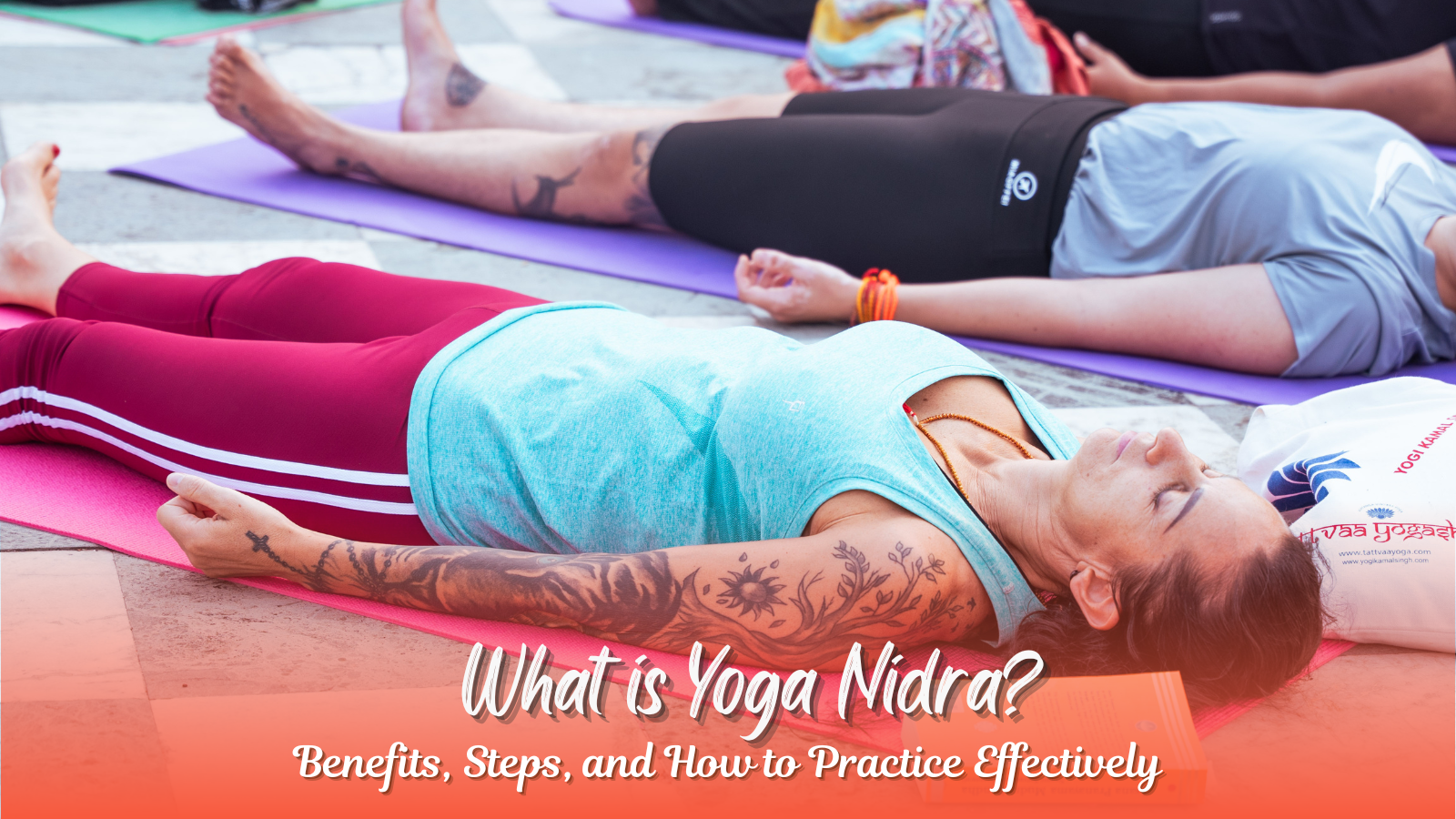
6. Corpse Pose (Savasana) – Self-Love & Acceptance

Savasana is more than just lying down—it’s about self-acceptance and inner peace. Women often judge themselves too harshly; this pose teaches the power of relaxation and letting go.


Yoga for Pregnancy: Safe & Effective Poses

Prenatal yoga is one of the best yoga for pregnancy, helping women prepare for childbirth while staying fit and relaxed. Some amazing prenatal yoga poses include:

Cat-Cow Pose – Relieves lower back pain
Goddess Pose – Strengthens pelvic muscles
Butterfly Pose – Improves flexibility for labor
Side-Lying Savasana – Ultimate relaxation for expecting moms

If you’re expecting, consider joining a prenatal yoga teacher training to learn safe techniques for a healthy pregnancy.


Yoga for Women Empowerment: More Than Just Exercise

Yoga is not just about physical fitness; it teaches women to embrace their unique beauty, strength, and grace. Many women suffer from self-doubt and stress, but yoga helps them:

💖 Develop self-acceptance (love their body as it is)
💖 Overcome fear & anxiety (through breath control & mindfulness)
💖 Feel more powerful & in control (by mastering poses and thoughts)

A woman who practices yoga regularly becomes more centered, more confident, and more in tune with herself.


Join a Yoga Retreat or Teacher Training to Transform Your Life

If you truly want to immerse yourself in yoga, consider joining a yoga retreat or teacher training. The Best Yoga Teacher Training in Rishikesh includes:

🧘‍♀️ 200 Hour Yoga Teacher Training in Rishikesh – A foundation course for aspiring yoga teachers
🧘‍♀️ Pre Natal Yoga Teacher Training in Rishikesh – Learn safe and effective yoga for pregnancy
🧘‍♀️ 3 Days Yoga Retreat In Rishikesh – A quick escape for stress relief and self-discovery
🧘‍♀️ Best Yoga School In Rishikesh – Authentic yoga training from experienced gurus

Whether you want to teach yoga or just deepen your practice, yoga teacher training in Rishikesh is a life-changing experience.


Women’s Day Quotes to Inspire You

💬 “Yoga is the journey of the self, through the self, to the self.” – The Bhagavad Gita
💬 “Empowered women empower the world. Start with self-love.”
💬 “You are enough, just as you are.” – Unknown

On this International Women’s Day, give yourself the gift of self-love, empowerment, and yoga.


FAQs: Yoga for Women – Everything You Need to Know

1. Which yoga is best for women?

The best yoga for women depends on your needs. Hatha Yoga is great for beginners, Vinyasa Yoga boosts flexibility, and Prenatal Yoga supports pregnancy.

2. Why is yoga good for women?

Yoga improves physical strength, mental clarity, emotional balance, and hormonal health, making it the perfect self-care practice for women.

3. What is a female who practices yoga called?

A female who practices yoga is called a yogini.

4. Why do mostly girls do yoga?

Women are naturally drawn to yoga because it helps with stress relief, emotional well-being, flexibility, and self-care.


Conclusion: Celebrate Women’s Day with Yoga & Self-Care

This Women’s Day, make a promise to yourself—prioritize your health, embrace self-love, and practice yoga. Whether you join a yoga teacher training in Rishikesh, attend a 3-day yoga retreat, or simply start practicing at home, yoga can empower you from within.

Take the first step—because YOU deserve it!

Ready to Start Your Yoga Journey? Contact Us Today!

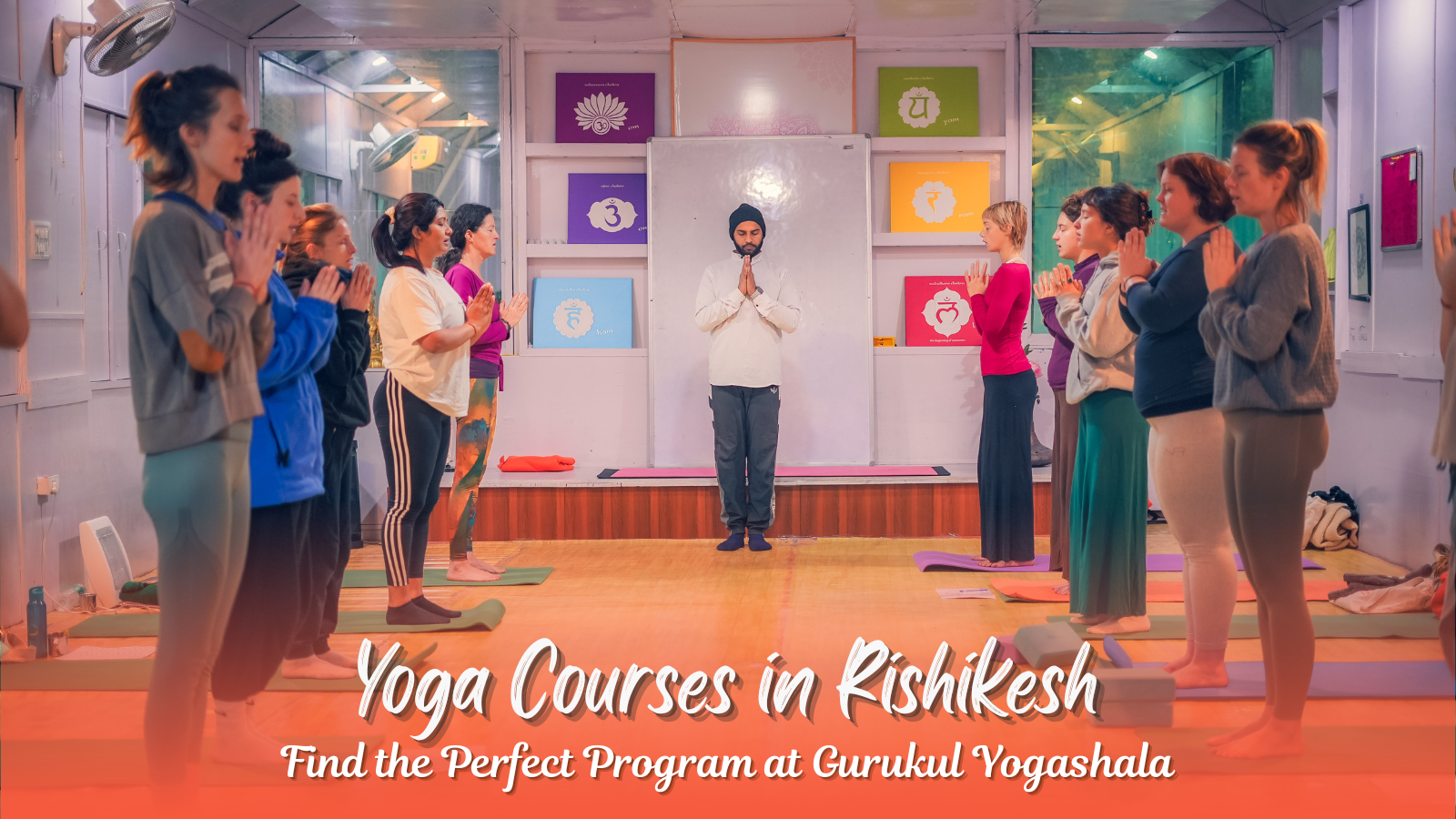
7 Yoga Courses in Rishikesh | Best Yoga Teacher Training at Gurukul Yogashala

7 Yoga Courses in Rishikesh: Find the Perfect Program at Gurukul Yogashala

Rishikesh, the Yoga Capital of the World, is home to some of the best yoga schools in India. If you’re looking to deepen your yoga practice, become a certified teacher, or simply experience a transformational yoga retreat, then exploring best Yoga Courses in Rishikesh is a life-changing decision.

At Gurukul Yogashala, we offer a variety of Yoga Courses in Rishikesh, including 200-hour, 300-hour, and 500-hour yoga teacher training courses. Whether you’re a beginner or an advanced practitioner, our programs are designed to help you grow physically, mentally, and spiritually.

Looking for the best 200-hour yoga teacher training in Rishikesh? At Gurukul Yogashala, we offer a transformative experience that blends authentic yogic wisdom with modern teaching techniques. Whether you’re starting your journey or aiming to teach, our Yoga Alliance-certified program will elevate your practice and deepen your understanding of yoga. Join us today for best 200 hour yoga teacher training in rishikesh.


Why Choose Rishikesh for Yoga Training?

Rishikesh is not just a place; it is an experience. Here’s why yoga training in Rishikesh is highly sought after:

  • 🏔 Sacred Location – Practicing yoga along the banks of the holy Ganges River, surrounded by the Himalayas, enhances your spiritual journey.
  • 🧘 Authentic Lineage – Learn from certified yoga masters who follow traditional yogic teachings.
  • 🌿 Peaceful Environment – The serene atmosphere helps you focus on self-growth and meditation.
  • 📜 Globally Recognized Certification – Completing a yoga teacher training in Rishikesh, India allows you to teach worldwide.

Best Yoga Courses in Rishikesh at Gurukul Yogashala

At Gurukul Yogashala, we offer a variety of yoga courses in Rishikesh that cater to different levels and specializations.

1. 200 Hour Yoga Teacher Training in Rishikesh

✅ Ideal for beginners and intermediate practitioners
✅ Covers Hatha Yoga, Ashtanga Yoga, Pranayama, Meditation, and Philosophy
✅ Yoga Alliance certified
✅ Develops strong foundational knowledge

2. 300 Hour Yoga Teacher Training in Rishikesh

✅ Designed for those who have completed a 200-hour yoga TTC
✅ Focus on advanced asanas, deeper meditation, and anatomy
✅ Enhances your teaching methodology and alignment techniques

3. 500 Hour Yoga Teacher Training in Rishikesh

✅ A combination of 200-hour + 300-hour training
✅ Comprehensive learning experience with deeper yogic wisdom
✅ Best for those aspiring to become highly skilled yoga instructors

4. Pre-Natal Yoga Teacher Training in Rishikesh

✅ Specializes in yoga for pregnant women
✅ Helps promote a healthy pregnancy and stress-free delivery
✅ Covers safe yoga postures, breathing techniques, and relaxation methods

5. Ashtanga Yoga Teacher Training in Rishikesh

✅ Intensive training in the Ashtanga Vinyasa Yoga series
✅ Focus on strength, flexibility, and breath control
✅ Perfect for those passionate about dynamic and powerful yoga styles

6. Sound Healing Course in Rishikesh

✅ Learn to heal using sound vibrations and frequencies
✅ Covers crystal bowls, gongs, and mantra chanting
✅ Best for those interested in holistic wellness and therapy

7. Yoga Retreats in Rishikesh (3 & 7 Days)

✅ Short-term yoga retreat programs in rishikesh for those looking for relaxation and rejuvenation
✅ Includes daily yoga, meditation, Ayurvedic meals, and excursions
✅ Perfect for individuals needing a break from stress and modern lifestyle


Why Choose Gurukul Yogashala?

🌟 Top Yoga School in Rishikesh – We are a Yoga Alliance-certified yoga institute in Rishikesh, offering traditional and modern approaches.

👨‍🏫 Expert Teachers – Our instructors and yoga teacher have years of experience in Hatha Yoga, Ashtanga Yoga, and Vinyasa Flow.

🏡 Comfortable Accommodation & Satvic Food – Enjoy peaceful stays in private or shared rooms and eat nutritious vegetarian meals and perfect yoga breakfast.

🌍 Global Certification – After completing your yoga teacher training course in Rishikesh, you can teach yoga anywhere in the world.

📍 Prime Location – Located in a peaceful setting, close to the Ganga River and local temples, providing a spiritual ambiance.

✈️ Airport Pickup & Travel Assistance – We provide pickup services and guidance to ensure a smooth arrival in Rishikesh.


How to Choose the Best Yoga Teacher Training in Rishikesh?

With so many yoga schools in Rishikesh, choosing the right one can be overwhelming. Here’s what to consider:

Accreditation – Choose a Yoga Alliance certified school.
Experienced Teachers – Check the experience and teaching style of instructors.
Course Curriculum – Ensure the program covers yoga philosophy, asanas, pranayama, and meditation.
Accommodation & Food – A clean and comfortable stay with nutritious meals is essential.
Student Reviews – Read testimonials from past students for an honest perspective.

At Gurukul Yogashala, we fulfill all these criteria, making us the best yoga institute in Rishikesh for aspiring yoga teachers.


FAQs About Yoga Courses in Rishikesh

1. Which yoga certificate is best?

The best certification is Yoga Alliance-certified teacher training, as it allows you to teach worldwide. Our courses provide internationally recognized certification.

2. Can I learn yoga in Rishikesh?

Yes! Rishikesh is the perfect place to learn yoga and Yoga Courses in Rishikesh, whether you are a beginner or an advanced practitioner. We offer yoga teacher training in Rishikesh and short retreats for all levels.

3. Which degree is best for yoga?

For professional yoga teaching, a 500 Hour Yoga Teacher Training in Rishikesh is the most comprehensive course. However, a 200-hour certification is sufficient to start teaching.

4. What is the best age for yoga classes?

Yoga is suitable for all ages! However, for yoga teacher training courses, the ideal age is 18+ so students can fully grasp the philosophy and practices.


Final Thoughts

Whether you are looking for a yoga school in Rishikesh to start your teaching journey or simply want to experience a transformative yoga retreat, Gurukul Yogashala has the perfect Yoga Courses in Rishikesh for you.

Our 200 hour yoga teacher training in Rishikesh, India is designed to provide authentic knowledge, professional certification, and a life-changing experience.

💬 Ready to start your yoga journey? Enroll in our upcoming course today!

🌿 Visit Gurukul Yogashala to learn more.

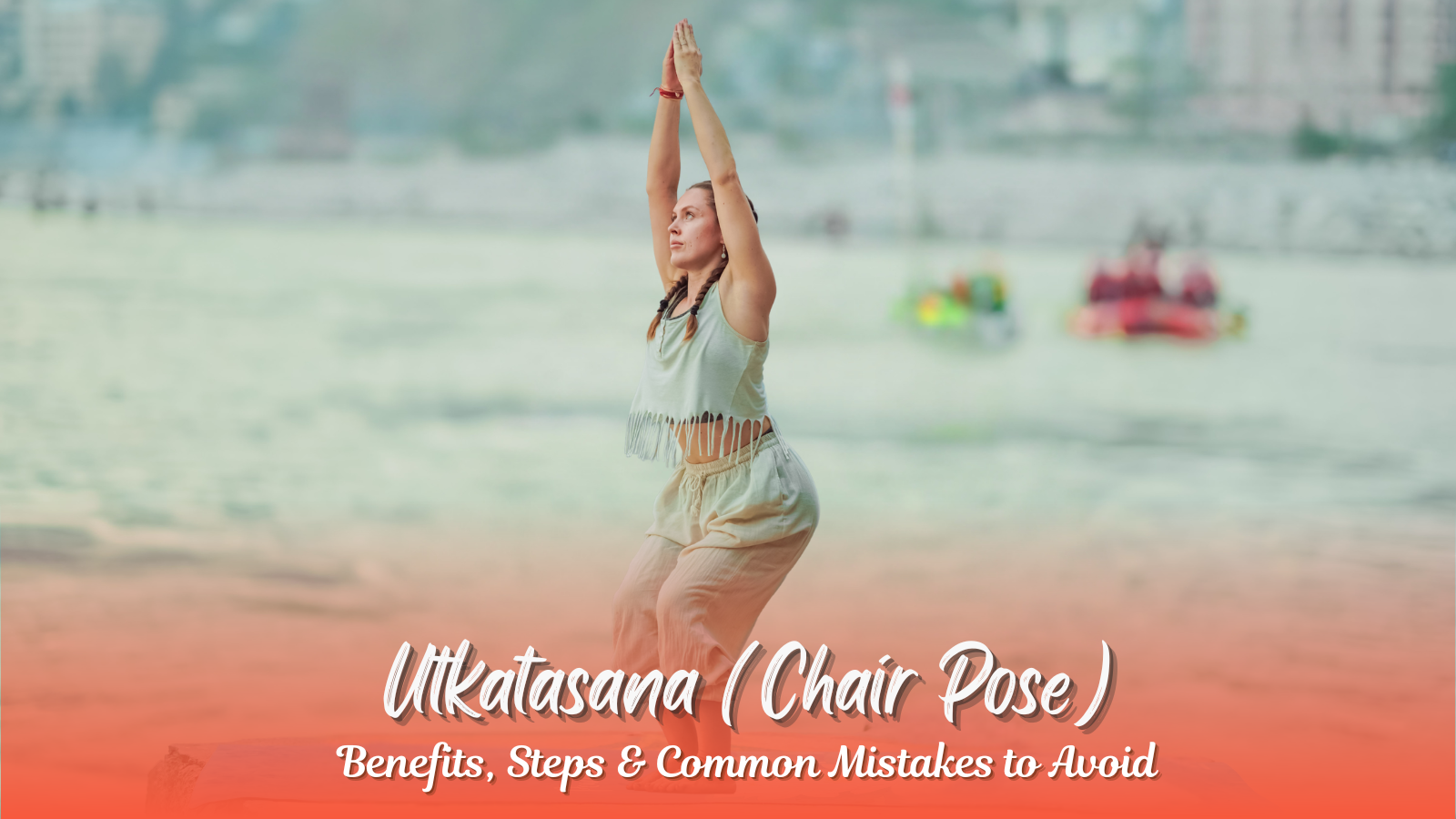
Utkatasana (Chair Pose): Benefits, Steps & Common Mistakes to Avoid

Utkatasana (Chair Pose): 7 Benefits, Steps & Common Mistakes To Avoid

Utkatasana (Chair Pose): 7 Benefits, Steps & Common Mistakes

Ever tried sitting in an invisible chair? That’s Utkatasana for you! This pose challenges your strength, balance, and focus while giving your legs a deep burn! A holistic practice known as Yoga supports the development of body as well as mind and spirit. Utkatasana or the Chair Pose stands as one of many yoga poses that demand both physical strength and mental concentration alongside superior balance skills from practitioners. The knowledge gained about Utkatasana pose will boost your yoga development if you practice at a basic level or pursue advanced depth in your yoga practice. 

We will explore Utkatasana meaning while analysing utkatasana benefits together with detailed instruction along with yoga chair poses as well as alignment guidelines and error prevention strategies. This guide includes descriptions of 200 Hour Yoga Teacher Training in Rishikesh and Pre Natal Yoga Teacher Training in Rishikesh. This guide will investigate Utkatasana followed by its relationship with steps of Dhanurasana and steps of Paschimottanasana while examining its position within 200 Hour Yoga Teacher Training in Rishikesh and Pre Natal Yoga Teacher Training in Rishikesh programs

What is Utkatasana? Meaning & Origin

The Sanskrit name for Utkatasana consists of Utkata for fierce intensity and the term “Asana” meaning posture, utkatasana a standing seated posture in yoga, giving rise to its full meaning. The movement shapes like sitting in an imaginary throne forms the basis of this posture which fits under the name Chair Pose in English yoga terminology. Although Utkatasana projects a basic look it functions as a demanding posture, utkatasana a standing seated posture in yoga which stimulates various body groups through different muscle actions during its performance in numerous yoga formations. 

The strengthening of quadriceps muscles through quadriceps table physiotherapy helps to stabilize knees. All knee patients should receive regular quadriceps table physiotherapy to gain mobility benefits while reducing pain. The regular use of quadriceps table physiotherapy promotes recovery as well as preserves joint health while improving the total function of the legs.

Foundational yoga education at the Best Yoga School in Rishikesh teaches this asana due to its proven capacity to strengthen the body while enhancing balance and attention. Pre Natal Yoga Teacher Training in Rishikesh includes Viparita Karani as a fundamental lesson because it enables expectant mothers to develop stamina along with stability.

The Story and Significance of Utkatasana

Utkatasana has its roots in ancient yogic manuscripts which named it a warrior-type stance that carries the fierce power of military combatants. The utkatasana pose represents strength alongside determination and resistance and thus provides total body and mental advancement capabilities. Additionally, there are many Pawanmuktasana steps and these include lie down, hug knees to chest, lift head, and touch nose to knees and hold this. Practicing Pawanmuktasana steps for better digestion.

The modern yoga community praises Utkatasana meaning as a versatile and straightforward yoga posture. People from every exercise level can perform this practice at any time without limitation. The exercise engages our whole-body framework together with mindful awareness which has brought it worldwide popularity among yoga professionals. 

Another Name for Utkatasana

This yoga posture is commonly identified as Chair Pose yet it additionally carries the names of Fierce Pose and Awkward Pose.After that, Utkatasana a standing seated posture in yoga, alternative names describe the challenging nature of the posture through descriptive terminology because it demands physical strength and balance alongside mental attention. 

Utkatasana Benefits

Top 7 Benefits of Utkatasana

Several health advantages emerge from practicing the Chair Pose benefits users both physically and mentally and spiritually. The following section explains all the Utkatasana benefits:

  • Strengths the lower body: The practice of Utkatasana effectively works all three major muscle groups of the lower body which means it serves as a perfect exercise for strength development. This chair pose benefits both the ankle joints and calf muscles while developing their stability functions.
  • Improves stability and balance: The required pose demands attention along with balance thus it promotes better stability while improving coordination. The specific utkatasana benefits make medicine wheels essential for those who want to enhance their proprioceptive abilities. 
  • Stimulates the diaphragm: Utkatasana pose compresses body parts to activate heart functionality and stimulate the diaphragm which enhances heart health. Such a stance allows a person to improve their lung capacity through deep and controlled breathing exercises.
  • Tones the core muscles: The activation of core muscles in this position helps to both strengthen and shape abdominal muscles. A person requires a strong core to support proper posture and avoid lower back pain issues.
  • Enhances posture: The correct body positioning in Utkatasana pose helps improve both posture and spinal well-being. The body position combined with this pose helps maintain the spinal curves which protects against slouching.
  • Boosts mental resilience: Maintaining the utkatasana pose, utkatasana a standing seated posture in yoga generates mental strength as well as determination during the exercise. The practice teaches practitioners to maintain a calm and focused demeanour during stressful situations for situations both inside and outside the practice area.
  • Activities the Solar Plexus Chakra: Through practice of Utkatasana chair pose benefits the Manipura Chakra tends to activate thus producing enhanced feelings of confidence while strengthening willpower and boosting self-esteem.

How to do Utkatasana Step by Step

Step-by-Step Guide to Utkatasana

How to do utkatasana step by step, mastering the correct execution of Utkatasana meaning will give you both the desired advantages and protect you from injuries. Follow these detailed utkatasana steps:

Utkatasana Steps to follow:

1. Start in Tadasana (Mountain Pose):

  • Put your feet at either complete width or a comfortable distance of hip width between them.
  • You should lock both feet into the mat surface with proper weight balancing.

2. Inhale and raise your arms:

  • Stretch your limbs toward the ceiling with your arms placed in a symmetrical position. 
  • Your comfort determines whether your palms should touch or face each other. 

3. Exhale and Bend Knees:

  • These utkatasana steps imitate the movement of sitting back into a mental chair. 
  • Avoid knee overextension beyond the toes because it causes strain on your body. 

4. Engage your core:

  • Utkatasana chair pose activates your core muscles and requires pulling your navel toward your spine. 
  • Drawing your navel toward your spine helps stabilize the torso and shields your lower back. 

5. Keep your chest lifted:

  • Keep your chest open while avoiding back roundness during the practice. 
  • Keep your gaze in front or raise it slightly while maintaining relaxed shoulders.

6. Hold the pose:

  • The yoga chair pose should be held from 30 seconds to 1 minute while breathing deeply. 
  • Your breathing and alignment should remain focused for a grounded state in the case of utkatasana chair pose.

7. Release the pose:

  • After inhaling you should extend your legs while returning to Tadasana. 
  • Pay close attention to the current effects of the posture before lowering your arms before you. 

Top yoga schools in Rishikesh can teach you how to do utkatasana step by step. The 200 Hour Yoga Teacher Training in Rishikesh, considered a top yoga schools in Rishikesh can provide the best Utkatasana chair pose and tell you how to do utkatasana step by step with proper guidance.

Common Mistakes in Utkatasana to avoid

Common Mistakes to Avoid in Chair Pose

The valuable yoga posture Utkatasana chair pose contains possible mistakes that might lead to physical discomfort and potential injuries during practice. These are some typical mistakes that should be avoided during this pose: 

  • Knees Extending Beyond Toes: This can strain the knees. Your knees should always be directly in front of your ankles in this pose. 
  • Rounding the Back: A straight spine with an elevated chest works better than excess lower back pressure. 
  • Holding Your Breath: Continuous deep breathing should be maintained as you practice the posture. 
  • Collapsing the Chest: You should keep your shoulders relaxed together with your chest open because it helps to maintain appropriate alignment for your body
  • Overarching the Lower Back: The core muscles should stay activated to stop your back from arching excessively since lowered lumbar spine stability can occur. 

Utkatasana Variations

Beginners and advanced students alike can improve the practice of Chair Pose with these related positions. 

Parivrtta Utkatasana (Revolved Chair Pose): 

The revolved Parivrtta Utkatasana pose uses body twists to let you detoxify your body while enhancing your spinal flexibility. 

Utkatasana with a Block: 

Parivrtta Utkatasana, setting a block between your thighs will help strengthen your inner thigh muscles and keep your posture straight in position. 

Utkatasana with a Forward Fold: 

Lower the upper body towards the ground while bending at the hips from the Chair Pose position that is Parivrtta Utkatasana. 

Utkatasana Alignment Tips

Utkatasana vs Other Standing Yoga Poses

You need to stand correctly during Utkatasana practice to get full results and avoid getting hurt. Here are some utkatasana alignment tips: 

  • In measuring utkatasana alignment, rest your weight on your heel position to protect your knees during the move. 
  • Inhale while you use your core muscles to protect your lower back. 
  • Direct your sight ahead or a little up to stay stable. 
  • Make sure your knees face directly outwards toward your feet without bending inward to manage utkatasana alignment. 

How to Explain Chair Pose to Beginners

When teaching Utkatasana or camel pose, yoga postures for flexibility and yoga poses for beginners to novices, split the steps into basic actions. 

1. Establish your starting position when your feet are touching and your stance is upright. 

2. Slide into the chair position in your mind. 

3. Keep your arms straight up toward the ceiling while staying in this position. 

4. Encourage students to give attention to their breathing and pose. 

FAQs About Utkatasana

1. What is Utkatasana and its benefits? 

Utkatasana (Chair Pose) strengthens the legs, core, and back, improves posture and endurance, and enhances balance and stability. Your core muscles are strengthened by this pose and your posture is improved while building your mental toughness. 

2. How to do Utkatasana step by step?

From Tadasana position, lift your arms while bending your knees to lower your buttocks as if sitting on an imaginary chair. While standing with Utkatasana use your core strength, maintain a lifted chest position and stay in the pose for 30 seconds to 1 minute. 

3. How to explain Chair Pose?

Describe how Chair Pose asks you to hold an image of an upright chair by raising your arms and holding your chest up. Utkatasana image can help you to understand this yoga chair pose properly. 

4. What is the story of Utkatasana?

Yogic documents from the distant past describe Utkatasana as a position to represent powerful strength. 

5. What is another name for Utkatasana?

Utkatasana image also helps to know more about Fierce or Awkward Pose throughout yoga chair pose practice. 

Best Yoga Teacher Training in Rishikesh to Learn Utkatasana

Through Utkatasana many people can experience great help for their body and mind. Utkatasana image helps you build body strength and improve balance to achieve better health benefits.Through either your 200 Hour Yoga Teacher Training in Rishikesh or home yoga practice the Chair Pose builds new yoga horizons. 

Our earlier articles provide detailed content about yoga poses, the steps of Dhanurasana, and the steps of Paschimottanasana. For the best yoga learning experience in Rishikesh see the top yoga schools here to build your skills further. 

You can perfect Utkatasana by following our program of the Best Yoga School in Rishikesh, following these instructions, and also discovering its essential value in yoga. Living to your body and mental state during practice will deliver better results and personal satisfaction.

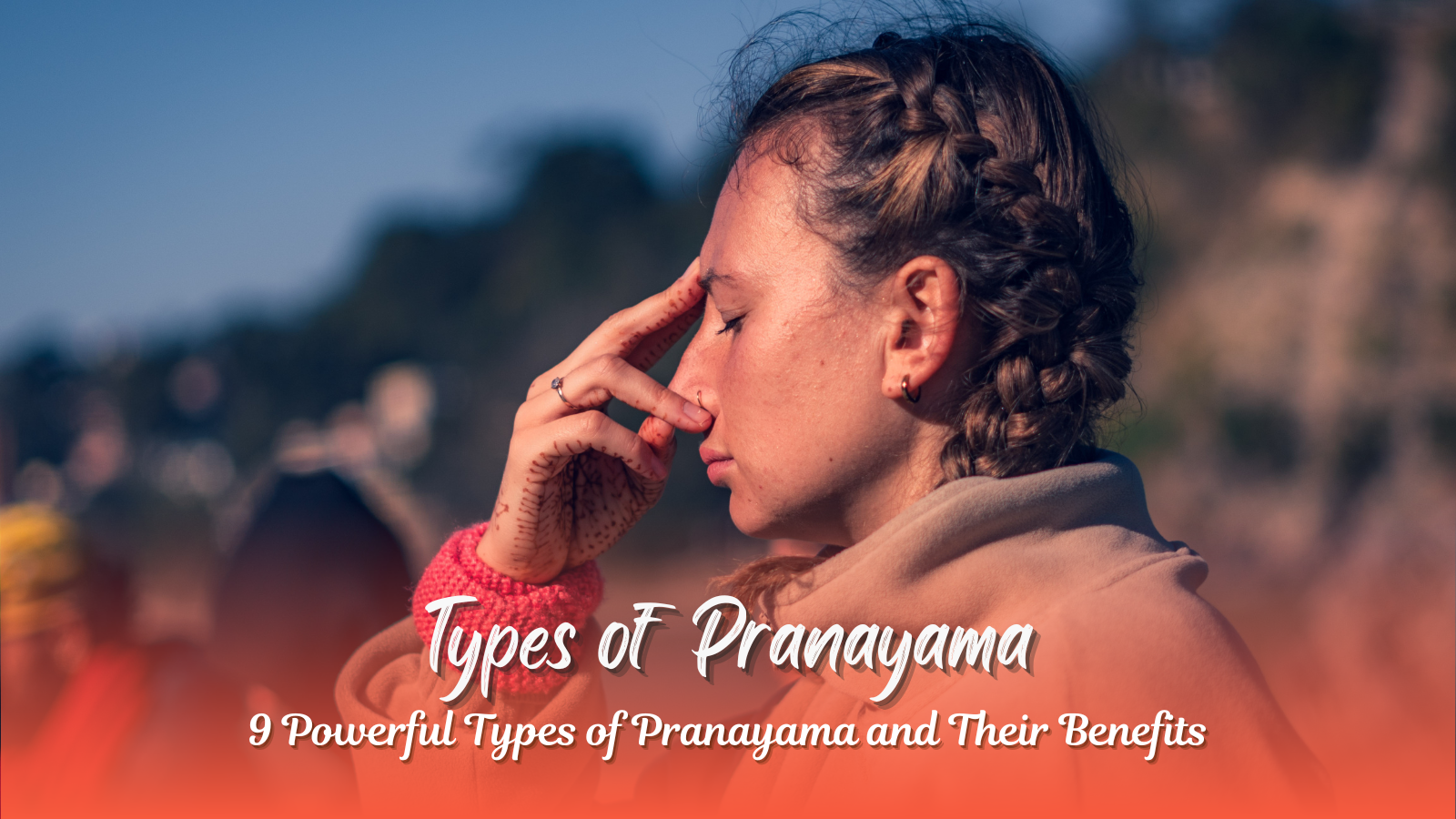
Powerful Types of Pranayama & Their Benefits

7 Powerful Types of Pranayama and Their Benefits

7 Powerful Types of Pranayama and Their Benefits

Introduction to Pranayama

Pranayama, derived from the Sanskrit words “Prana” (life force) and “Ayama” (extension or control), is a yogic breathing practice that enhances physical, mental, and spiritual well-being. It is an essential part of Hatha Yoga and is often practiced to cleanse the body, improve lung capacity, and balance the mind.

There are different types of Pranayama, each offering unique benefits. Whether you are a beginner or an advanced yoga practitioner, understanding the classification of pranayama and practicing it correctly can transform your health.

In this article, we will explore 9 powerful types of pranayama, pranayama benefits, and how they can improve your overall well-being.


What is Pranayama? Definition and Importance

Pranayama Definition

Pranayama is the conscious regulation of breath through specific techniques that involve inhalation (Puraka), retention (Kumbhaka), and exhalation (Rechaka). It is an essential practice in yoga, helping to control the flow of prana (vital energy) in the body.

Many yoga practitioners at the Best Yoga School in Rishikesh learn pranayama techniques to enhance their meditation and asana practice.


How Many Types of Pranayama Are There?

The number of types of pranayam varies based on different schools of thought. However, in traditional yoga, there are 9 main types of pranayama, each serving a different purpose.

Types of Pranayama and Their Benefits

1. Nadi Shodhana Pranayama (Alternate Nostril Breathing)

  • Also known as: Anulom Vilom
  • Purpose: Purifies the nadis (energy channels) and balances the mind.
  • Benefits:

2. Bhastrika Pranayama (Bellows Breath)

  • Purpose: Energizes the body and mind
  • Benefits:
    • Boosts energy levels
    • Clears the respiratory system
    • Enhances oxygen supply to the brain

3. Kapalabhati Pranayama (Skull Shining Breath)

  • Purpose: Detoxifies the body and strengthens abdominal muscles
  • Benefits:
    • Improves digestion and metabolism
    • Helps in weight loss
    • Detoxifies the lungs and sinuses

4. Bhramari Pranayama (Bee Breath)

  • Purpose: Induces calmness and relieves tension
  • Benefits:
    • Reduces high blood pressure
    • Improves sleep quality
    • Enhances focus and concentration

5. Ujjayi Pranayama (Ocean Breath or Victorious Breath)

  • Purpose: Controls the breath and generates inner heat
  • Benefits:
    • Strengthens the nervous system
    • Boosts immunity
    • Enhances meditative focus

6. Sheetali Pranayama (Cooling Breath)

  • Purpose: Cools down the body and reduces stress
  • Benefits:
    • Lowers body temperature
    • Helps with high blood pressure
    • Improves digestion

7. Sheetkari Pranayama (Hissing Breath)

  • Purpose: Regulates body temperature
  • Benefits:
    • Enhances cooling effect on the body
    • Reduces anger and stress
    • Improves oral health

8. Surya Bhedana Pranayama (Right Nostril Breathing)

  • Also known as: Surya Bhedana Pranayam
  • Purpose: Increases body heat and stimulates energy
  • Benefits:
    • Boosts metabolism
    • Increases mental clarity
    • Improves circulation

9. Chandra Bhedana Pranayama (Left Nostril Breathing)

  • Purpose: Activates the cooling energy of the body
  • Benefits:
    • Lowers high blood pressure
    • Reduces body heat
    • Promotes relaxation

How Pranayama Helps with High Blood Pressure

Many pranayama techniques, such as Bhramari Pranayama and Chandra Bhedana Pranayama, are beneficial for those suffering from hypertension. They help regulate blood pressure, improve circulation, and promote overall well-being.

Best Pranayama for High BP

Practicing these benefits of pranayama yoga types daily can significantly reduce stress and lower high blood pressure naturally.


Who Should Avoid Pranayama?

While pranayama and its types are beneficial, there are certain precautions to consider:

🚫 People with respiratory disorders should consult a yoga expert before practicing intense pranayama like Bhastrika.
🚫 Pregnant women should avoid practices that involve breath retention.
🚫 Those with severe hypertension should avoid forceful breathing exercises.
🚫 People with vertigo or migraines should practice with caution.

To learn more, you can enroll in a 200 Hour Yoga Teacher Training in Rishikesh to understand the correct techniques of pranayama for high blood pressure and other health conditions.


FAQs About Pranayama

1. What Do You Mean by Pranayam?

Pranayama is the practice of controlled breathing to regulate prana (life energy) in the body. It enhances physical, mental, and spiritual well-being.

2. What is the Meaning of Pranayam?

The word “Pranayama” comes from Sanskrit:

  • Prana = Life force or energy
  • Ayama = Expansion or control

Thus, pranayama means the expansion and control of breath.

3. Which Pranayam is Good for the Heart?

  • Anulom Vilom Pranayama
  • Bhramari Pranayama
  • Ujjayi Pranayama

These techniques help regulate heart rate and improve cardiovascular health.

4. Can We Do Pranayam During Periods?

Yes, but avoid intense pranayama like Kapalabhati or Bhastrika. Instead, practice Nadi Shodhana and Bhramari Pranayama for relaxation.


Final Thoughts: The Power of Pranayama

The types of pranayama provide numerous health benefits, from improving lung capacity to reducing stress and enhancing heart health. Whether you are a beginner or an experienced practitioner, incorporating pranayama yoga types into your daily routine can transform your physical and mental well-being.

If you want to deepen your knowledge, consider joining the Best Yoga School in Rishikesh for 300 Hour Yin Yoga Teacher Training or Pre Natal Yoga Teacher Training in Rishikesh. These courses will guide you on how to integrate pranayama and asanas into your practice effectively.

Start your journey today and experience the power of breath!

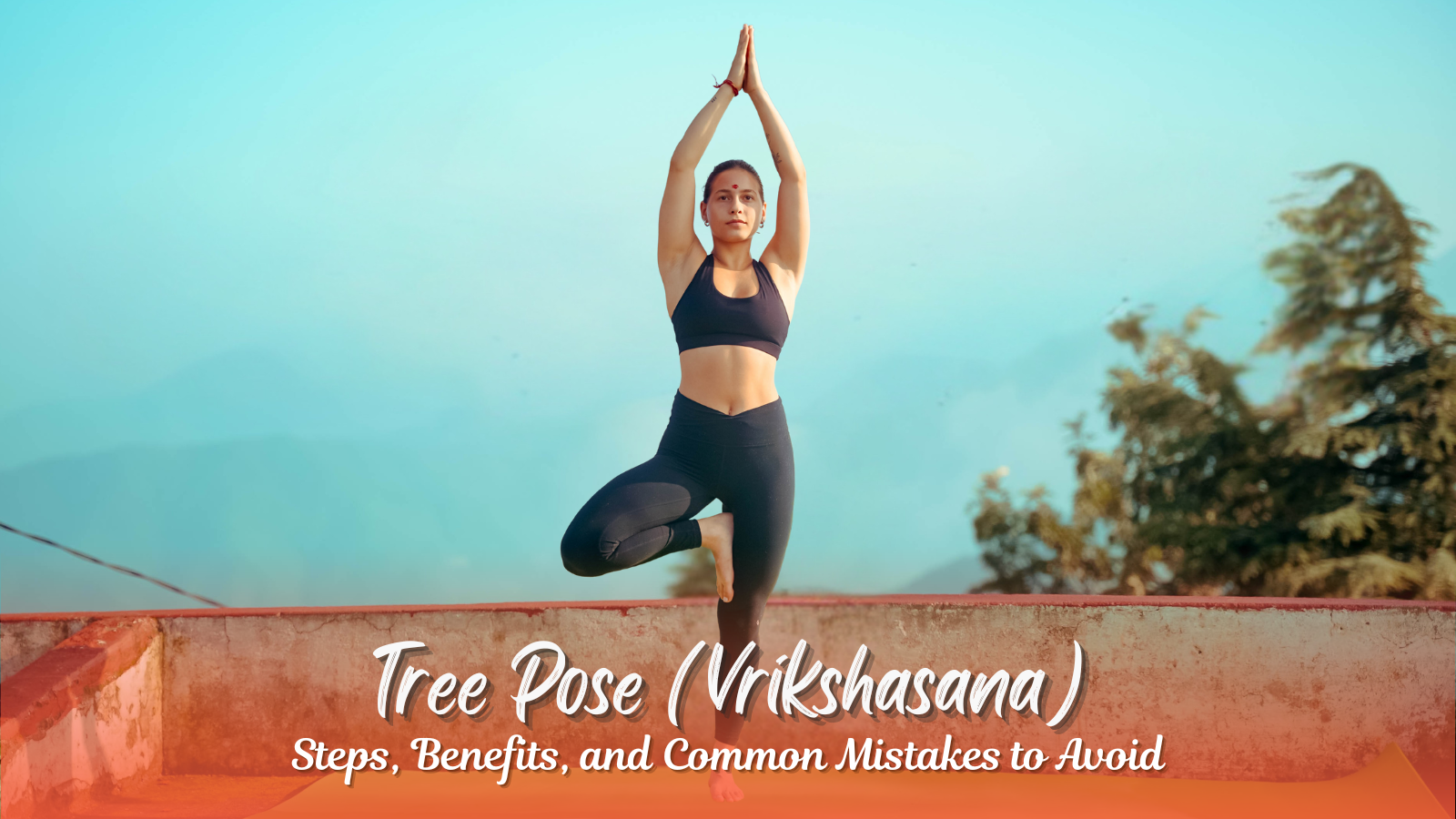
Tree Pose (Vrikshasana): Steps, Benefits, and Common Mistakes to Avoid

Tree Pose (Vrikshasana): Steps, Benefits, and Common Mistakes to Avoid

10 Vrikshasana Benefits, Steps & Common Mistakes to Avoid

Introduction to Tree Pose (Vrikshasana)

The yoga posture named Vrikshasana in Sanskrit translates to The Tree Pose while demonstrating both body balance together with mental focus alongside inner stability. This yoga tree pose duplicates the calm posture of woods by asking practitioners to root themselves through one anchoring leg while reaching their torso and limbs towards the sky. The tree pose helps advanced as well as beginning yoga students to achieve better physical alignment and mental clarity and spiritual grounding. Tree pose meaning in yoga is a tree pose an internal rotation.

This detailed instruction thoroughly examines vrikshasana benefits together with a step-by-step tutorial regarding the proper execution and guidance for avoiding typical errors followed by modifications for beginners and experts. Furthermore, this review explores the tree pose through history and body structure as well as its connection to the larger yoga practice, is a tree pose an internal rotation.

Students who learn Tree Pose at this yoga school in Rishikesh will have the opportunity to enroll at a renowned yoga teacher training facility which Rishikesh holds the title of best yoga school in Rishikesh. You can learn about the Vrikshasana tree pose benefits, precautions of vrikshasana, what is vrikshasana and its benefits, contraindications of vrikshasana through the best yoga school in rishikesh.

Vrikshasana Meaning and Symbolism of Tree Pose

In Sanskrit, vrikshasana meaning blends two words which translate to tree and pose. The yoga tree pose features three key aspects: grounding like trees, growth through plant evolution, and the ability to persevere which trees display. Tree pose meaning stability develops through one-legged standing because it mirrors root behaviour and your extended arms become tree-reach branches that is a tree pose an internal rotation. Additionally, tree pose yoga reaches its perfect balance between physical work and effortless relaxation. This defines the practice as moving meditation for Vrikshasana tree pose benefits.

Indian yogic literature from the past views trees as sacred representations of linking elements and their ability to withstand challenges. When practicing Vrikshasana tree pose you gain alignment with the qualities of the tree which creates a balance between your physical self and your mental self and with your surroundings.

One-Handed Tree Pose (Eka Hasta Vrksasana) is an adjusting yoga pose that reinforces legs, further develops the centre, and develops dependability. Along with that, beginning in Mountain Pose, shift your weight to one foot and spot the bottom of the other foot on your inward thigh, calf, or lower leg (keeping away from the knee). Along with that, One-Handed Tree Pose cancarry your hands to petition for heaven’s position at your chest.

For the one-gave variety, broaden one arm above, palm confronting internal. Keep up with balance by drawing in your centre, squeezing your standing foot into the ground, and focusing in on a decent point, that is the practice of one-handed tree pose. Hold for a few breaths and rehash on the opposite side. This posture improves equilibrium, coordination, and mental clearness in practicing the one-handed tree pose.

Step-by-Step Guide to Tree Pose

How to do tree pose, the following detailed instructions enable safe and effective practice of Vrikshasana steps and benefits:

Start in Mountain Pose (Tadasana):

  • Overstand the yoga tree poses while maintaining your feet separated at hip width with toes spread out while your weight stays balanced equally between them.
  • Use quadricep engagement in Vrikshasana tree pose as you pull your navel toward the spine while keeping your shoulders relaxed, see in image of vrikshasana.

Shift Weight to One Leg:

  • Tree pose meaning bring your right foot up to place your right foot sole on your left inner thigh or calf without resting it on your knee. Position the knee below the level of the joint to protect the joint structures.
  • In answering how to do tree pose, the step should be performed by applying full body pressure to the thigh and maintaining resistance against the standing leg to establish stability.

Find Balance:

  • Review a single static point with your eyes to achieve mental control while practicing Vrikshasana tree pose.
  • The core muscles must activate to hold the torso still while maintaining hip position stability in searching for how to do tree pose.

Raise Your Arms:

  • Tree pose meaning creating Anjali Mudra by bringing hands to the centre of your heart offers a stable tree pose variation.
  • As a challenge you can extend your arms above while maintaining relaxed shoulders.

Hold and Breathe:

How to do tree pose and the proper way to practice the breathing technique, look pictures of vrikshasana during this tree pose are discussed below.

  • Your breathing should be through the nose while maintaining this pose between 30 seconds to 1 minute.
  • Perform the movement from beginning to end two times on the other side.

Vrikshasana Contraindications & Modifications for All Levels:

  • Beginning practitioners should position their foot on the ankle when supported by a wall.
  • Among advanced individuals the tree pose variations involve one-handed execution reaching the arm toward the ceiling along with chest rotation.
  • The injured population should do a yoga tree pose in a seated position using a chair while paying attention to the upper-body position.

10 Benefits of Vrikshasana or Benefits of Tree Pose

Tree Pose yoga, vrksasana benefits delivers more advantages than simply maintaining equilibrium, that is a tree pose an internal rotation. The following section provides detailed information about Tree Pose’s rewards which span across physical body systems psychological states and emotional well-being.

The benefits of tree pose are discussed below.

1. Improves Balance and Focus

The lower body muscles including ankles and calves along with the core function in conjunction to maintain equilibrium through tree pose yoga practices. In discussing the benefits of tree pose, scientific evidence demonstrates that performing Vrikshasana Yoga tree pose as a balance exercise improves body awareness in the aging population and minimizes their chances of falling.

2. Strengthens Legs and Core

The standing leg performs continuous work as it develops strength in both the quadriceps and hamstrings as well as glutes. The benefits of tree pose are Core muscles activate while the body remains aligned which leads to enhanced physical strength for conducting regular daily tasks.

3. Enhances Posture

When practiced Vrikshasana realigns the spinal column and expands the chest cavity thereby combating bad posture and forward neck posture. Wearing Vrikshasana protects the cervical and lumbar spinal areas from discomfort.

4. Calms the Mind

The meditative part of balancing practice stops unnecessary mental activity which leads to activation of the parasympathetic nervous system. A reduction of cortisol occurs simultaneously with an improvement in emotional resilience.

5. Prepare for Advanced Poses

Learning different tree pose yoga techniques will help you develop the required stability you need for poses including Eagle Pose (Garudasana) and Dancer Pose (Natarajasana) and inverted poses like Headstand.

6. Boosts Confidence

The procedure of vrikshasana executing a demanding body pose known as Vrikshasana tree pose develops inner confidence which extends to daily life.

Vrikshasana Procedure Benefits and Contraindications

Regular practitioners of yoga tree pose are just as prone to making such mistakes. Two effective steps to improve practice safety along with better results include the following sequence as shown in picture of vrikshasana:

1. Placing the Foot on the Knee

Placing the foot in contact with the standing knee makes the joint unstable and creates a risk of damaging this area. It is always safer to position your foot on the inner thigh rather than the calf.

2. Collapsing the Hip

Your pelvis will become improperly aligned whenever you extend your lifted leg hip outward beyond the normal position. Draw your stomach muscles tight while using your foot to push against your thigh to maintain equal hip positions.

3. Holding Your Breath

Breathing with small chest movements produces nervous tension together with an unbalanced posture. Routine deep and regulated breathing will help your nervous system reach a state of rest.

4. Overarching the Lower Back

The lumbar spine becomes unstable when you extend your ribs forward. The position of the tailbone should be slightly tucked while extending your head through its crown.

5. Locking the Standing Knee

Vrikshasana Precautions, When your knee extends beyond its normal range the joints become under stress. A small bend in your standing leg knee joint will prevent joint injuries.

How to do Vrikshasana, Tree Pose Variations for All Levels

Several unique versions of tree pose in yoga practice will help you adapt the pose. There are several tree pose variations and steps of vrikshasana these are as follows:

1. One-Handed Tree Pose

Stretch your upper arm overhead with your second arm always resting against your chest. A minimal torso rotation allows you to activate obliques while in this pose.

2. Dancing Tree Pose

Move your body lenticularly from side to side or forward and back to achieve the effect of wind blowing through tree branches. The dynamic movement enhances how your body reacts to changes in the balance position.

3. Chair-Assisted Tree Pose

A supportive chair should be placed next to you when standing balance requires additional support. The key focus should be alignment while you transition to using less support from the prop. The best Yoga teacher training school in Rishikesh helps you in your better practice.

4. Closed-Eye Tree Pose

In focusing on tree pose variations or vrikshasana pose, one should close eyes to increase their awareness of proprioception and to sharpen their mental focus. Experienced practitioners especially appreciate this elaborate version of the exercise.

5. Partner Tree Pose

You should use Vrikshasana or brikhasana while facing your partner to support each other through balance exercises and enhanced stretching. You can understand the Vrikshasana tree pose benefits through the 200 hour yoga teacher training school in Rishikesh.

6. Revolved Tree Pose

The spinal twist comes from extending the opposite elbow outside of the lifted knee position. The diversified stance improves body movements together with intestinal digestion.

Anatomy of Tree Pose or Vrikshasana Pose: Muscles and Joints Engaged

Learning the anatomical structure of vrikshasana images or vrikshasana photo teaches students to improve their practice skills.

  • The quadriceps together with the calves and ankle stabilizers receive strengthening benefits when performing this pose.
  • The lifted leg position extends both the adductors of the thighs and the hip flexor muscles.
  • Vrikshasana connects transverse abdominis to obliques along with spinal alignment.
  • Upper Body: Opens the chest (pectorals) and shoulders (deltoids).

Postures that involve the Vrikshasana tree pose activate the vestibular system which boosts your spatial orientation while improving motor coordination.

By understanding the anatomy of Vrikshasana tree pose you can modify your yoga practice. These are as follows:

  • Standing Leg: Reinforces quadriceps, calves, and lower leg stabilizers.
  • Lifted Leg: Stretches the internal thigh (adductors) and hip flexors.
  • Core: Connects with cross-over abdominis and obliques for spinal arrangement.
  • Upper Body: Opens the chest (pectorals) and shoulders (deltoids).

This pose can also stimulate the vestibular system, and also enhance coordination and spatial awareness. You can contact the best yoga school in rishikesh for your better practice.

FAQs About Tree Pose

1. What are the disadvantages of Tree Pose?

The incorrect method of practicing the tree pose leads to ankle and knee strain. Modification should always include foot-knee separation because dangerous situations may occur. People who have severe balance problems along with vertigo should use supports as well as do the pose while seated.

2. How long should I hold a Tree Pose?

Each side of Tree Pose should be maintained between 30 seconds and 1 minute. Advance time spent in this position whenever you notice better balance. During meditation, you should maintain this pose for between three and five minutes while focusing on your breathing.

3. Is Tree Pose good for knees?

Yes, when aligned properly! The joint gets protection from strengthening muscles that surround the knee (quads and hamstrings). The standing knee should move smoothly over the ankle while you avoid stiffening the leg.

4. Why is Tree Pose so hard?

Success in balancing requires your muscles to function correctly while maintaining steady focus together with patience. The tree pose becomes challenging because of restrictions in the hip area combined with unstable ankle joints together with problems in the inner canal of the ear. Practice makes balance easier while Butterfly Pose (Baddha Konasana) along with other hip-opening postures help increase results.

5. Can Tree Pose help with sciatica?

Yes! The carefully controlled hip and gluteal stretching functions to reduce tension in the sciatic nerve. The combination of the Tree Pose in yoga together with Pigeon Pose (Kapotasana) creates the most optimal outcome.

Integrating Tree Pose into Your Yoga Practice

  • Tree pose in yoga suits various yoga sequences because it remains flexible according to different practice needs.
  • The body receives energetic stimulation through the practice of Sun Salutations together with the Morning Routine.
  • Balance Flow consists of Eagle Pose and Warrior III poses designed to create a stable sequence.
  • Use Vrikshasana as a mobile contemplative practice by maintaining attention to your breath and maintaining a state of quietness.

Deepen Your Practice with 200 Hour Yoga Teacher Training in Rishikesh

People who want to learn Vrikshasana and other transformative poses should choose a yoga teacher training school in Rishikesh. Students can find the best yoga school located in Rishikesh where they pursue a combination of ancient knowledge and modern anatomical principles within the tranquil Himalayan setting. The training programs teach alignment guidelines as well as modification techniques and protective philosophy which helps students prepare for teaching classes by enhancing their confidence.

If you want to explore more regarding Yoga and its practices you can visit the webpage of the best Yoga Teacher Training in Rishikesh.

Conclusion

Tree Pose grants more than balance capabilities since it symbolizes personal growth with mental strength and physical equilibrium. Many people achieve total effectiveness of Tree Pose in yoga when they abstain from errors while trying different variations and practicing it regularly. The ultimate Rishikesh yoga school provides students with tools that lead to advancement no matter if their goal is reaching superior alignment practices as a yogi or training for teacher certification.

For more balance in asanas and yoga, you can visit our page for better guidance regarding yoga and its practice.

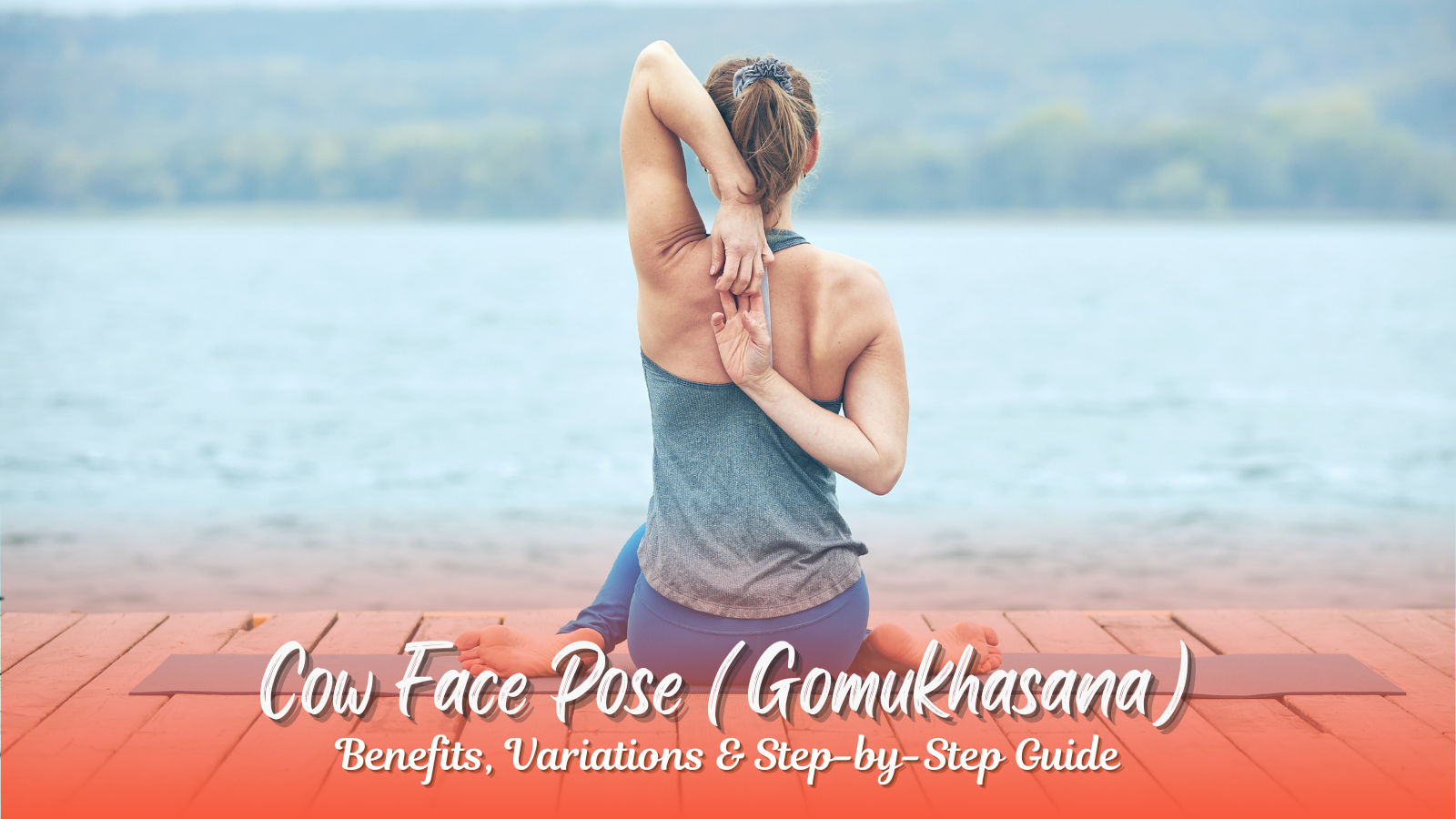
Cow Face Pose (Gomukhasana) – Benefits, Variations & Step-by-Step Guide

Cow Face Pose (Gomukhasana) – Benefits, Variations & Step-by-Step Guide

Cow Face Pose (Gomukhasana) – Benefits, Variations & Step-by-Step Guide

What is Gomukhasana?

To understand how to do cow face pose, it is necessary to know the cow face pose benefits and why is it called cow face pose. The Cow Face Pose, known as Gomukhasana in Sanskrit, is a ground-breaking yoga pose celebrated for further developing shoulder and hip adaptability. Its name begins from the cow face pose yoga’s similarity to a cow’s face, with the knees and elbows framing the state of a cow’s mouth and ears. A foundation of yoga practice, cow pose asana offers significant physical and mental advantages, making it number one among yogis, everything being equal.

In search of what is cow face pose, gomukh aasan is a seated yoga posture that offers a deep stretch to the thighs, hips, shoulders, and chest. At the point why is it called cow face pose, when you fold your legs in the posture, with one knee stacked on top of the other, the shape framed by your thighs and calves is said to look like the wide piece of a cow’s face, tightening towards the “mouth” where the feet are. The benefits of cow face yoga pose are mental and physical strength, and developing muscles’ flexibility and proper adjustment.

In this extensive guide, we will dig into the advantages of Cow Face Pose, investigate its varieties, and address normal difficulties. We will likewise feature how dominating this cow pose can upgrade your journey toward advanced training, for example, a 300 hour yoga teacher training course in rishikesh, presented by the best yoga school in Rishikesh.

Why is it called Cow Face Pose?

In finding why is it called cow face pose, we need to understand what is cow face pose actually is. The Sanskrit expression Gomukhasana joins “go” (cow) and “mukha” (face), and this represents cow face pose yoga. When seen from the side, the stacked knees and interlocked arms mirror the forms of a cow’s face. This cow face yoga pose arrangement remarkably focuses on the shoulders, hips, and spine, making it a powerful hip opener and shoulder stretch.

Knowing cow pose yoga and benefits of cow face yoga pose can enhance your muscle activities with the best hip adjustment in practicing cow face yoga pose. Moreover, cows are venerated in Indian culture for their sustaining characteristics, and nurturing qualities, and this face pose epitomizes an equilibrium between effort and surrender.

The yoga teacher training school in Rishikesh can help you to practice this face pose and cow face pose benefits. Along with this, 300 hour yoga teacher training course in rishikesh can also guide you how to do cow face pose, and give ideas about what is cow face pose, is and the benefits of cow face yoga pose.

Benefits of Cow Face Pose & Benefits of Gomukhasana

The Cow Face Pose benefits and gomukhasana benefits are huge, influencing both physical and mental prosperity. We should separate them to understand benefits of cow face yoga pose:

1. Enhances Shoulder Mobility and Flexibility

Present-day ways of life frequently lead to tight shoulders because of delayed sitting or screen use. Cow Face Pose extends the deltoids, rear arm muscles, and rotator sleeves, lightening firmness. The arm position likewise further develops the scope of movement, making it ideal for competitors, swimmers, or anybody looking for better chest area portability in practicing cow pose.

2. Releases Hip Tension

As a profound hip opener to practice face pose, Gomukhasana focuses on the glutes, piriformis, and external hips. These cow face pose benefits particularly are valuable for sprinters, cyclists, or people who sit for extended periods. The standard practice of cow face pose yoga can decrease lower back torment and work on the pelvic arrangement is considered as benefits of cow face yoga pose.

3. Corrects Postural Imbalances

By extending the chest and prolonging the spine, Cow Face Pose yoga neutralizes slumping and adjusted shoulders. Cow face pose benefits from advancing an upstanding stance, lessening the burden on the neck and lower back.

4. Calms the Nervous System

The engaged taking in this cow face pose yoga actuates the parasympathetic sensory system, bringing down pressure chemicals and encouraging mental clearness. Cow face pose benefits stance for tension or weakness.

5. Prepares for Advanced Asanas

Dominating Cow Face Pose variations assemble the dependability and adaptability required for presents like the Eagle Posture (Garudasana) and Lotus Posture (Padmasana).

How to do Cow Face Pose (A Step by Step Guidance)

Adhere to these guidelines to rehearse the procedure of gomukhasana securely, gomukhasana steps and successfully along with the benefits of cow face yoga pose:

  • Start Seated: Sit on the floor with your legs broadened. In the event that your hips are tight, place a collapsed cover under your sit bones.
  • Cross the Legs: in answering how to do cow face pose, twist your right knee and spot the right foot under the left hip. Get the left leg over the right, stacking the knees. Mean to bring the two heels equidistant from the hips.
  • Align the Arms: Broaden the right arm above, twist the elbow, and lower the hand between the shoulder bones. Arrive at the abandoned arm your back, bowing the elbow to catch the fingers. In the event that the hands don’t meet, utilize a yoga lash.
  • Refine the Posture: Sit tall, draw the shoulder bones together, and delicately press the knees together.
  • Hold and Breathe: Remain for 5-8 breaths, then deliver and switch sides.

Modifications

  • Cow face pose yoga utilizes a strap for the arms or a block under the hips.
  • Cow face yoga poses practice the reclined variation assuming that the situated stance strains the knees.

Cow Pose Variations and Steps of Gomukhasana for EveryBody

Adjust Cow Face Pose yoga to your requirements with these varieties:

  • Seated Cow Face Pose with Props

Place a yoga block or support under the hips to diminish strain on the knees. This change is great for amateurs or those with restricted hip portability.

  • Reclined Gomukhasana

Lie on your back and fold the legs while extending the arms above in practicing cow pose. This form limits the burden on the hips and lower back while keeping up with the shoulder stretch and this indicates how to do cow face pose.

  • Dynamic Cow Face Flow

Move musically between Cow Face Pose and a forward overlay (twisting at the hips). This heats the muscles and improves dissemination.

  • Cow Face Arms in Sukhasana

Assuming the leg position is testing, sit in a Simple Posture (Sukhasana) and center exclusively around the arm stretch in cow pose.

Gomukhasana Procedure Benefits and Contraindications

Many practitioners struggle with Cow Face Pose variations, Gomukhasana Contraindications because of tight hips or shoulders. This is the way to investigate:

  • Tight Hips: Cow Face Pose variations props like covers or blocks to lift the hips. Bit by bit work on hip-opening stances like Butterfly Posture (Baddha Konasana) to assemble adaptability.
  • Shoulder Stiffness: To understand what is cow face pose, practice shoulder extends like Hawk Arms or Caught Hands Behind the Back in the case of cow pose. A lash can overcome any barrier between the hands.
  • Knee Discomfort: Try not to compel the knees to stack in gomukhasana yoga pose. All things being equal, keep the legs uncrossed and centre around the chest area in practicing cow face pose variations.

Consistency and tolerance are vital to progress to accompany time.

Deepen Your Practice with Yoga Teacher Training in Rishikesh

For those roused to dominate Cow Face Pose yoga, gomukhasana pose and other high-level asanas, consider signing up for a 300-hour yoga teacher training course in Rishikesh. Settled in the Himalayas, Rishikesh is home to the best yoga school in Rishikesh, offering vivid projects that mix customary lessons with current life systems. These courses refine your work, showing approach, and comprehension of arrangement, and are ideal for hopeful teachers or committed experts.

Inquisitive about Rishikesh? Peruse our past post: “Why Rishikesh is the Yoga Capital of the World“.

FAQs About Cow Face Pose

1. What is Cow Face Pose good for?

This gomukhasana yoga pose strengthens shoulder and hip joints as well as proper posture while relaxing your mind. This face pose demonstrates healing power for conditions that affect both the sciatica and upper back tension and are considered as benefits of cow face yoga pose.

2. Why does Cow Pose feel so good?

In practicing cow pose, stretching at a deep level activates endorphin hormones which create feelings of contentment inside the body, and this is purely connected with the benefits of cow face yoga pose. Endorphins are released during the stretch also while the stretch eliminates physical tension that accumulates in hips and shoulders and that is the benefits of cow face pose.

3. Is Cow Face Pose a hip opener?

Yes! In the crossed-leg position, people effectively open their hips by exercising their outer hips and glutes muscles.

4. How often should I practice Cow Face Pose?

Aim for 3–4 sessions weekly. Other flexibility-stretching postures such as Pigeon Pose or Thread the Needle should be included for an optimal balance of flexibility along with the cow face pose yoga, and cow face yoga pose.

Conclusion

The practice of Cow Face Pose and understanding what is cow face pose can serve as a foundation for better flexibility together with increased strength and mind serenity. 300 hour yoga teacher training course in rishikesh, also known as the best yoga teacher training school in Rishikesh can sincerely guide you on how to do cow face pose, what is cow face pose, gomukhasana procedure, gomukhasana precautions, contraindications of gomukhasana and the benefits of cow face yoga pose.

Moreover, by embracing the different cow face pose variations and respecting your physical boundaries you can achieve its complete capabilities. Both experienced yogis and teaching aspirants will find Cow Face Pose a beneficial element in their practice. Future yoga professionals can find the best yoga teacher training school in Rishikesh the city where yoga originally began.

If you want to explore more hip opening techniques and guidelines please visit our page regarding yoga techniques and top hip opening poses for yogis.

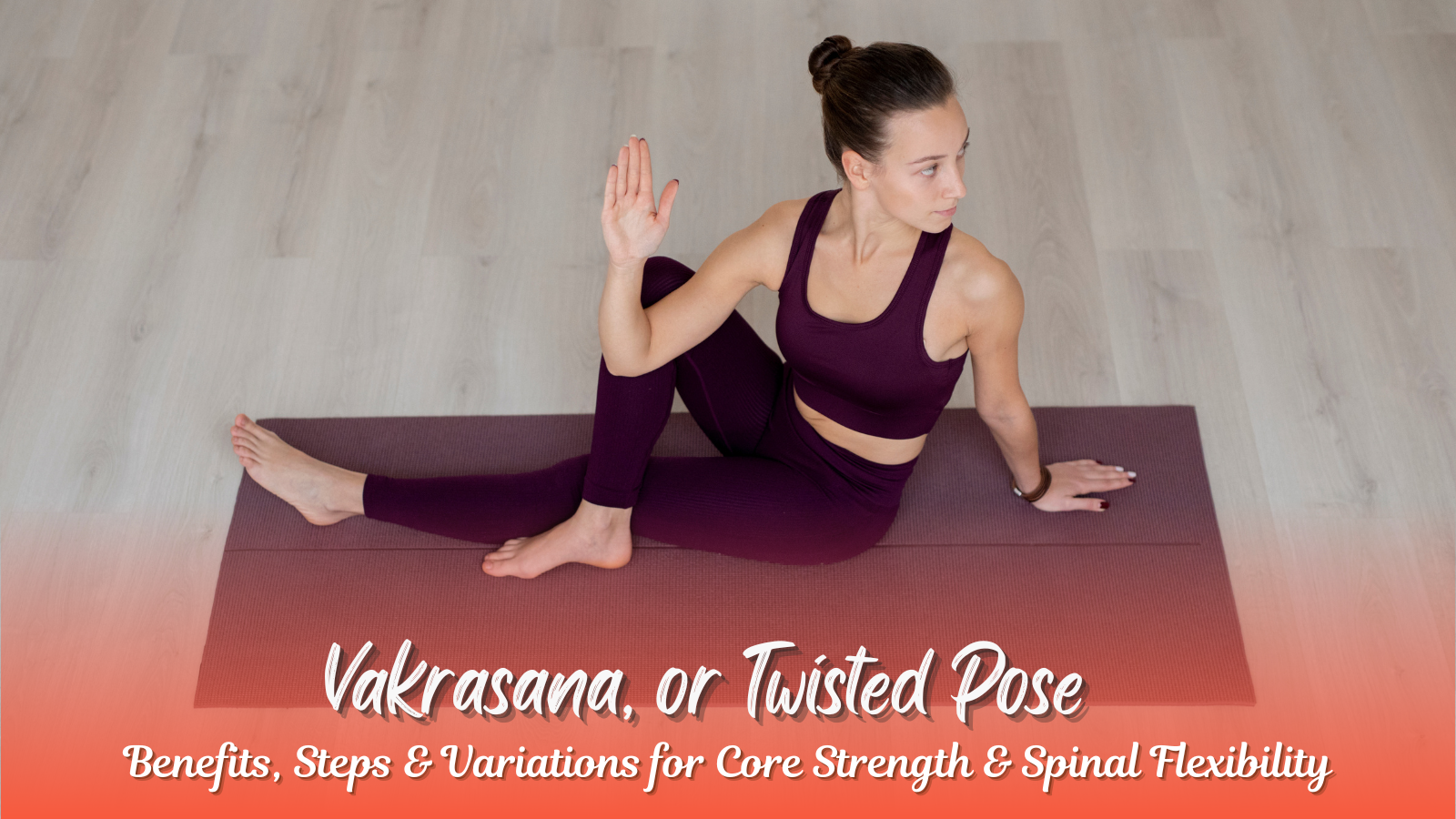
Vakrasana yoga pose to improve flexibility and core strength Vakrasana, Vakrasana benefits, core strength, flexibility, weight loss, Vakrasana yoga for weight loss, core toning, and enhanced flexibility

Vakrasana Benefits & Steps: Improve Flexibility & Core Strength

Vakrasana Introduction

Vakrasana, or Twisted Pose, is a seated yoga posture that twists the spine and engages muscles in the core. It is one of the foundational postures that have been proven to be very beneficial for spinal mobility, flexibility, and strength in the core. It improves digestion, relieves tension, and enhances balance. It is ideal for beginners and advanced practitioners.

We will practice the steps of Vakrasana, explore the Vakrasana benefits, Vakrasana steps, Vakrasana precautions, Vakrasana yoga sequences and Vakrasana variations. We will also pay attention to many variations of the Vakrasana pose like Kati Vakrasana, Meru Vakrasana, and Uttana Vakrasana, twisting yoga pose, spinal flexibility pose, and seated twist pose and describe how this asana impacts the whole body along with the mind.

What is Vakrasana?

Vakrasana is a word in the Sanskrit vocabulary meaning “twisted pose.” “Vakra” means twisted or curved, and “Asana” means posture. The twist happens in the spine while keeping the legs in seated position. Vakrasana is one of those dynamic asanas, which demands flexibility in the spine, hips, and shoulders. It is often practiced in a series of yogas to increase body flexibility and straighten out the postures.

This asana can be practiced in various versions, namely Kati Vakrasana, Meru Vakrasana, and Uttana Vakrasana, each having its specific challenge and advantage.

Vakrasana Benefits: Why You Should Include It in Your Yoga Practice


Health Benefits of Vakrasana:

Vakrasana offers many physical and mental benefits. It is one of the best stretchings for flexibility that strengthens the core and develops the health of the spine. The following are the major vakrasana procedure benefits and contraindications:

1. Improves Spinal Flexibility:

The greatest advantage of Vakrasana is that it makes the spine more flexible. The twisting action in the pose frees the tension of the back and facilitates the movement of the vertebrae. Gradually, the stiffness in the spine is relieved, and posture improves through regular practice of Vakrasana.

2. Strengthens the Core Muscles:

Vakrasana works on the abdominal and oblique muscles. It activates these muscles by giving them tone and strength and thus assists with posture, all activities of daily life, and provides for an easier balance or stability in the other asanas.

3. Enhances Digestion:

The gentle pressure on the abdomen while twisting in Vakrasana helps massage the digestive organs, and hence, increases the efficiency of the digestive system. It may also help prevent bloating and constipation due to the stimulation of the digestive process and easy bowel movements.

4. Reduces Stress and Tension:

For instance, the twisting postures, such as Vakrasana, are an excellent method of unstressing and de-tensioning the body. The proper turn of the spine really stimulates the nerve system, which in turn relieves the tension of the mind. That is why it has acted effectively in keeping away anxiety and mental fatigue.

5. Increases Blood Circulation:

This distorted movement in kativakrasana enables enhanced blood circulation inside the spinal cord and internal organs. Blood circulation is enhanced when cells become full of oxygen and nutrients and remove the waste products. It can thus boost energy levels and vigor.

6. Improved Posture

The correct posture is substantially improved by practicing Vakrasana regularly. In fact, even the twisting movement itself helps align the spine and strengthen the posterior muscles, while it also is an antidote to long periods of sitting hours.

7. Relieves Lower Back Pain:

This could be a remedial asana for people having pain in their lower back since the twisting, in a slow and gentle motion, loosens up the areas in the back that tend to become stiff by tension and pressure.

How to do Vakrasana: Step-by-Step Guide

Vakrasana Steps

The Vakrasana is a relatively simple posture to perform, but, as with any yoga pose, patience and practice are essential. The steps for mastering the full benefit of the vakrasana images are given below:

 Step-by-Step Procedure of Vakrasana:

Step- 1 Sit on the floor by extending your legs straight before you. Ensure your spine remains straight and activate your core muscles. Place your palms flat on the ground next to your hips to support you.

Step- 2 Fold Your Right Leg: Fold your right knee and bring it close to the chest, right foot on the floor, flat. The right knee will now point upwards while the foot remains near the left thigh.

Step- 3 Twist Your Upper Body: Inhale, and extend your spine. As you exhale, twist your torso to the right, taking your left elbow across to the outer side of your right knee. Keep your spine straight; avoid collapsing into the twist.

Step- 4 Engage Your Core: In any twist, you want to engage your core to allow for the most depth into the twist that stabilizes you. You can place your right hand on the floor behind you or on your right knee to add stabilization.

Step- 5 Hold the Twist: Hold the twist for 20-30 seconds, breathing deeply and steadily. Your shoulders should remain relaxed, and your chest open. Twist from the spine, not from the shoulders.

Step- 6 Release and Repeat on the Other Side: Slowly release the twist and return to the starting position. Repeat the same steps on the left side. Keep your spine straight throughout the movement.

Precautions and Contraindications of Vakrasana:

Although Vakrasana is safe and helpful for most, here are a few precautions and vakrasana contraindications to consider:

Avoid if You Have a Spine Injury: If you have any injuries or conditions related to the spine, such as herniated discs or sciatica, it is best to avoid twisting poses like Vakrasana unless you are assisted by a qualified yoga instructor.

Pregnancy: Pregnant women should take permission from their doctor before practicing Vakrasana or any twisting poses since it may not be safe in pregnancy, especially towards the later periods.

Severe Lower Back Pain: People with severe lower back pain should avoid deep twists in Vakrasana until such time as their pain is under control. A gentle variation of the twist can be maintained by keeping the twist shallow.

Knee or Hip Injuries: It is primarily good to be cautious when practicing this pose in case you have knee or hip injuries. Make all your movements gentle and avoid any deep twisting motions that may strain those areas.

Vakrasana Steps: Mastering the Twisting Yoga Pose


Vakrasana Variations:

Kati Vakrasana (Hip Twist Pose):

Kati Vakrasana – It is a variation of standing vakrasana in which the body twist is taken such that one hand reaches back behind to grab for the opposite knee. It would be much more of a spine twist along with opening up of the hip and lower back so that more flexibility is developed.

Meru Vakrasana (Twisted Half Moon Pose):

Meru Vakrasana is another advanced variation of Vakrasana. In this pose, one raises one leg while twisting the upper body with that leg forward to reach out to the toes of the leg which is lifted up. This posture gives more extension in the spine and is very engaging.

Uttana Vakrasana or Extended Twisted Pose

You are reaching forward to stretch the torso more and lengthen the spine in Uttana Vakrasana. It will stretch your lower back, hips, and shoulders.

Supta Vakrasana is also called Reclined Twisted Pose.

Supta Vakrasana is a lying variation of the posture. In it, one offers forward bends to the lower part of the body with grounded shoulders; the twist in the lower part would be very smooth and gentle for the spine and lower back.

Ardha Vakrasana (Half Twisted Pose):

In Ardha Vakrasana, only part of the body is twisted. That could either be an upper or a lower part of the body. It is hence relatively the milder form of the classic Vakrasana.

Vakrasana Yoga Teacher Training

It is in such a beautiful and serene environment that you can go for further knowledge of Vakrasana, as well as any number of other yoga poses, by studying a 200-hour yoga teacher training course in Rishikesh. The good thing is that most yoga teacher training schools in Rishikesh offer full-scale training for the theory and practice of Vakrasana and other asanas, including modifications and variations.

Some of the very best yoga schools in Rishikesh specialize in particular subjects, like the Sound Healing Yoga Teacher Training that combines physical asana practice and sound healing in a holistic, deepened sense of understanding through yoga as lifestyle and practice way beyond the mat.

Vakrasana is a great asana that creates flexibility while strengthening the core and overall benefit to the being. Some of the other benefits associated with this asana are improved mobility in the spine, improved digestion, and less stressfulness. Regular practice will build up a sound foundation for coming difficult practices. Simultaneously, you will also get the maximum benefit of increased flexibility and balancing consciousness.

With proper learning of the steps of Vakrasana, you can easily include it in your practice and experience all the benefits of this pose. It could be Kati Vakrasana or Uttana Vakrasana, or any other variation of this asana. All you have to do is listen to your body and modify the pose as you feel is required. If you want to enhance your skills further, explore a 200-hour yoga teacher training in Rishikesh.

Frequently Asked Questions (FAQS)

What is Vakrasana in Sanskrit?

Vakrasana (Twisted Pose) comes from the Sanskrit words “Vakra” (twist) and “Asana” (posture). This seated yoga pose involves twisting the spine, creating a deep stretch for the back, improving spinal flexibility, strengthening the core, and aiding digestion. It is a foundational pose in many yoga sequences and offers numerous benefits for both beginners and advanced practitioners.


Is Vajrasana Good for Diabetes?

Yes, Vajrasana (Diamond Pose) can benefit people with diabetes by improving digestion and metabolism. This posture stimulates the digestive organs, enhances blood circulation, and helps regulate blood sugar levels to some extent. However, it should be practiced regularly and combined with a balanced lifestyle for maximum benefits.


What are the Benefits of Vajrasana for Diabetes?

Improves Digestion – Sitting in Vajrasana after meals helps improve digestion, indirectly supporting better blood sugar control.

Stimulates the Pancreas – The posture gently massages the pancreas, encouraging insulin production, which is crucial for diabetes management.

Reduces Stress – Since stress can negatively impact blood sugar levels, Vajrasana helps calm the nervous system and lower stress.

Note: If you have diabetes or any health concerns, consult a healthcare professional or a certified yoga instructor before practicing Vajrasana regularly.


Who Should Avoid Vajrasana?

While Vajrasana is generally safe, certain individuals should avoid or modify the pose:

🚫 People with Knee Injuries – If you have knee pain, arthritis, or ligament damage, avoid prolonged sitting in Vajrasana as it puts pressure on the knee joints.

🚫 Those with Severe Back Pain – Individuals with lower back issues may find it uncomfortable. If practiced, ensure your spine remains straight and avoid prolonged sitting.

🚫 Pregnant Women – Sitting in Vajrasana for too long can add pressure to the pelvic region. Pregnant women should only practice it under expert supervision.

🚫 People with Severe Digestive Issues – If you have conditions like hernia or chronic gastric problems, Vajrasana may increase intra-abdominal pressure and should be avoided.

Tip: If you experience discomfort, practice Vajrasana for shorter durations or use props like cushions to reduce strain.


Can Vajrasana Be Done on a Bed?

Yes, Vajrasana can be done on a bed, but it may not be as effective as practicing on a solid surface.

✅ Advantages of Doing Vajrasana on a Bed:
  • Comfortable for Seniors & Injured Individuals – Practicing on a softer surface can be easier on the knees and back.
  • Stress Relief – Sitting in Vajrasana on a bed before sleep can help relax the mind and body.
❌ Disadvantages of Doing Vajrasana on a Bed:
  • Lack of Stability – A soft surface reduces stability, making it harder to maintain proper posture.
  • Reduced Effectiveness – Vajrasana is more beneficial on the floor as it provides better grounding and alignment.

Recommendation: If practicing on a bed, use a firm mattress and maintain correct posture to avoid unnecessary strain.

If you prefer to do the Vajrasana on your bed, still keeping your body posture straight and using some cushions or a blanket for extra support.

Conclusion

If you really want to dive deeply into the transformative power of yoga, consider attending a 200 Hour Yoga Teacher Training at an established Yoga Gurukul in Rishikesh. The program will give you the best yoga and meditation training but teaches you to live a more centered, mindful life. You shall discover the depth of your practice in a truthful and nurturing environment, be given the confidence and tools to succeed in all aspects of your life.

Sattvic Diet & Yoga Breakfast

Sattvic Diet & Yoga Breakfast: The Key to a Balanced Lifestyle

Sattvic Diet & Yoga Breakfast: The Key to a Balanced Lifestyle

A nutritious and balanced yoga breakfast plays a crucial role in enhancing your yoga practice and overall well-being. According to Ayurveda, food is not just fuel for the body; it influences your mind, emotions, and energy levels. Whether you are wondering “Can I do yoga after breakfast?” or looking for the best breakfast before yoga, this guide will help you understand the importance of a Sattvic diet and how to plan a wholesome yogic breakfast.

What is a Yoga Breakfast?

A yoga breakfast is a light, nourishing meal that prepares your body for a refreshing yoga session. It should be easily digestible, high in energy, and aligned with Ayurvedic principles. A well-balanced yogi breakfast fuels the body, keeps the mind calm, and enhances flexibility, making your practice more effective.

Benefits of a Yoga Breakfast

✅ Provides sustained energy for yoga practice
✅ Enhances digestion and gut health
✅ Supports mental clarity and focus
✅ Keeps the body light and active
✅ Aligns with the principles of the yoga diet

What is the First Thing to Eat Before Workout? Yoga Breakfast Guide

A well-balanced yoga breakfast fuels the body, enhances stamina, and prepares the mind for an effective yoga session. But what is the best breakfast before yoga? Should you eat before or after your practice? Let’s explore.

Should You Eat Before Yoga?

Many practitioners wonder: Can I do yoga on an empty stomach? While fasting before yoga is traditional, consuming a light, nourishing meal can provide energy without discomfort.

  • If practicing early morning yoga, a small pre-yoga breakfast helps sustain energy.
  • If doing yoga later in the day, ensure your last meal is at least 2-3 hours before practice.
  • Heavy meals should be avoided before yoga, as they can cause bloating and sluggishness.

Best Foods to Eat Before Yoga

The ideal yogi breakfast should be light, easy to digest, and provide sustained energy. Here are some perfect pre-yoga meal ideas:

Soaked Nuts & Seeds – Almonds, walnuts, chia, and flaxseeds boost healthy fats and protein.
Fruits like Bananas & Apples – Rich in natural sugars, fiber, and potassium for muscle function.
Oatmeal or Smoothies – A great balance of carbs, fiber, and protein for sustained energy.
Herbal Teas or Warm Water with Lemon – Detoxifies the body and hydrates before practice.
Yoga Bar Breakfast Protein Bar – A quick, on-the-go snack packed with energy-boosting nutrients.

Foods to Avoid Before Yoga

Deep-fried foods tamasic – Heavy, greasy meals can cause sluggishness.
Too much dairy – Can lead to bloating or discomfort.
Processed & Sugary Snacks – Can cause energy crashes.


Should You Eat Breakfast Before Yoga?

A common question among practitioners is, “Can we do yoga after breakfast?” The answer depends on your body’s needs and the intensity of your practice.

Yoga on an Empty Stomach or After Breakfast?

  • For Gentle Yoga: A light meal or snack before yoga is fine.
  • For Intense Practice: Practicing on an empty stomach is recommended for better flexibility and digestion.
  • For Evening Yoga: Ensure your last meal is at least 2-3 hours before practice.

If you’re wondering, “After breakfast, when to do yoga?”, it’s best to wait at least 1-2 hours after eating before starting your practice.


Sattvic Diet: The Ideal Yoga Breakfast

The Sattvic diet is based on Ayurveda and yoga philosophy, focusing on fresh, wholesome, and natural foods that promote mental clarity and physical health. This diet is commonly followed in yoga ashrams and the Best Yoga Schools in Rishikesh.

Principles of a Sattvic Diet

Fresh and Seasonal: Prefer locally sourced fruits and vegetables.
Natural and Unprocessed: Avoid refined sugar, deep-fried foods, and processed snacks.
Nutritionally Balanced: Include a mix of proteins, healthy fats, and complex carbohydrates.
Easy to Digest: Avoid heavy meals that cause sluggishness.

What is a Yogi Diet?

A yogi breakfast and diet follow Ayurvedic principles, emphasizing fresh, seasonal, and plant-based foods that support physical strength and mental clarity.

🧘‍♂️ Core Principles of a Yogi Diet:
Sattvic Foods: Clean, nourishing, and easy to digest.
Balance of Nutrients: Includes healthy fats, complex carbs, and plant-based proteins.
Light & Digestible: Supports gut health and energy balance.
Mindful Eating: Eating with awareness and gratitude enhances digestion and absorption.

The Ultimate Yogi Breakfast Plan

Start your day with a balanced, energizing meal for better performance and sustained energy.

🥑 Morning Boost (Pre-Yoga Breakfast):

  • Soaked almonds, walnuts, or dates for natural energy.
  • A warm cup of herbal tea or lemon water for detoxification.

🍲 Post-Yoga Breakfast:

  • Oats, quinoa, or millet porridge with nuts & honey.
  • Green smoothies with spinach, banana, and chia seeds.
  • Sprouts or lentil pancakes (chilla) for protein and fiber.
  • Yoga Bar Breakfast Protein Bar Benefits: Provides quick energy recovery after yoga.

Yogi Diet Meal Plan for the Day

🍛 Lunch:

  • Brown rice, dal, and sautéed vegetables
  • Chapati with ghee and fresh salad
  • Ayurvedic khichdi for gut healing

🍵 Evening Snack:

  • Herbal tea with jaggery or dates
  • Handful of nuts or fruit salad

🌙 Dinner:

  • Light soups, steamed veggies, or khichdi
  • Early meal (before 8 PM) for better digestion

Best Breakfast Before Yoga: What to Eat?

Your pre-yoga breakfast should be light yet energizing. Here are some yoga breakfast ideas:

1. Fresh Fruits & Smoothies

Fruits like bananas, papayas, and apples provide quick energy without feeling too heavy. You can also blend them into a smoothie with nuts and seeds for extra nutrition.

2. Warm Porridge or Oatmeal

Oats are a great yoga breakfast option as they provide slow-releasing energy. You can prepare them with almond milk, honey, and nuts for added flavor.

3. Herbal Teas and Warm Water

Drinking herbal teas or warm lemon water before yoga aids digestion and detoxifies the body.

4. Nuts & Seeds

A handful of almonds, walnuts, chia seeds, or flaxseeds can be an excellent pre-yoga breakfast to keep you energized.

5. Whole-Grain Toast with Nut Butter

Pair whole-grain toast with almond or peanut butter for a yogi breakfast rich in healthy fats and proteins.

6. Yoga Bar Breakfast Protein Bar

If you’re in a hurry, a Yoga Bar Breakfast Protein Bar can be a convenient and nutritious choice. These bars are packed with plant-based proteins, fiber, and essential vitamins, making them a great grab-and-go option.

Yoga Bar Breakfast Protein Bar Benefits:

  • Provides sustained energy for yoga practice
  • High in fiber and plant-based protein
  • Free from artificial additives and preservatives

What is a Good Ayurvedic Breakfast?

An Ayurvedic breakfast aligns with the body’s natural rhythm and digestion. Here are some Ayurvedic breakfast options:

Sattvic Ayurvedic Breakfast Options

🍎 Fresh Fruits – Apples, bananas, papayas, pomegranates
🥣 Porridge – Oats or millet porridge with nuts and honey
🥛 Spiced Milk – Warm milk with turmeric, cardamom, and saffron
🥑 Healthy Fats – Ghee, coconut, or soaked nuts
🍵 Herbal Teas – Ginger, tulsi, or chamomile tea


Can I Do Yoga After Breakfast?

If you’re wondering “Can I do yoga after breakfast?”, the answer depends on your meal type and practice. Here’s what to keep in mind:

Light Breakfast: If you eat a small meal, wait at least 30-60 minutes before yoga.
Heavy Breakfast: If you consume a full meal, wait 2-3 hours before practicing yoga.
Hydration: Drink warm water or herbal tea to aid digestion before yoga.


Post-Yoga Breakfast: What to Eat After Yoga?

After your yoga session, it’s essential to refuel your body with nutritious foods that help recovery and maintain energy levels.

Best Post-Yoga Breakfast Foods

🥑 Avocado Toast – A perfect balance of protein, fiber, and healthy fats
🥗 Sprout Salad – High in protein, enzymes, and fiber
🥜 Nut Butter with Whole-Grain Toast – Protein-rich and filling
🥣 Greek Yogurt with Honey & Nuts – A great source of probiotics and protein
🍵 Turmeric or Ginger Tea – Aids digestion and reduces inflammation

If you’re looking for expert guidance on nutrition and wellness, consider enrolling in a 200 Hour Yoga Teacher Training in Rishikesh at the Top Yoga School in Rishikesh.


FAQs on Yoga Breakfast

1. What is a good breakfast for yogis?

A good yoga breakfast includes fruits, nuts, oatmeal, herbal teas, and whole grains. These foods provide sustained energy without causing heaviness.

2. What is a good Ayurvedic breakfast?

An Ayurvedic breakfast consists of warm, easily digestible foods like porridge, fruit, nuts, spiced milk, and herbal teas. These foods promote digestion and balance.

3. Is it OK to eat breakfast before yoga?

Yes, but it should be a light and easily digestible meal. Heavy meals should be avoided at least 2 hours before yoga.

4. Can I do yoga on an empty stomach?

Yes, many yogis prefer practicing yoga on an empty stomach for better focus, digestion, and energy flow. However, if you feel weak, a small snack like fruit or nuts can be consumed.


Conclusion: The Best Diet for a Yogi Lifestyle

A well-balanced yoga breakfast is essential for maintaining energy, flexibility, and mindfulness. Whether you prefer a pre-yoga breakfast or practice on an empty stomach, ensuring your diet is Sattvic, light, and nourishing will enhance your yoga journey.

By incorporating these principles and foods into your daily routine, you can align with Ayurvedic wisdom and yogic traditions, ensuring holistic well-being.

🌿 For a deeper understanding of yoga, diet, and holistic wellness, consider enrolling in the Best Yoga School in Rishikesh for a 200 Hour Yoga Teacher Training in Rishikesh.

Janu Sirsasana (Head-to-Knee Pose): Steps, Benefits & Modifications

Janu Sirsasana (Head-to-Knee Pose): Steps, Benefits & Modifications

Janu Sirsasana (Head-to-Knee Pose): Steps, Benefits & Modifications

What is Janu Sirsasana (Head-to-Knee Forward Bend)?

Janu Sirsasana or Head-to-Knee Pose is a seated asana that provides stretching, flexibility, and a lot of awareness. The Sanskrit name, “Janu Sirsasana”, can be divided into two parts where “Janu” is an abbreviation of “knee”, and “Sirsasana” refers to head or the head-to-knee pose. It is forward bend as the one leg stretched straight in which the other folded back, resting the foot near the inner thigh of the outstretched leg. In this asana, the body folds forward, bringing the head toward the knee, hence the name.

Sanskrit Meaning:

  • “Janu” = Knee
  • “Sirsa” = Head
  • “Asana” = Pose/Posture

Janu Sirsasana, or the head-to-knee posture, is performed with great frequency in hatha yoga sequences. These sequences stretch the hamstrings, groin, and lower back, ensuring one feels good overall, improving their flexibility and even creating an element of relaxation. This asana proves very beneficial to those who wish to enhance their physical well-being. Thus, let’s uncover the step-by-step procedure for Janu Sirsasana, benefits of janushirasana, janu sirsasana steps, janu sirsasana sequence and what precautions one needs to exercise while doing it.

How to Do Janu Sirsasana (Step-by-Step Guide)

Step 1: Pre-warming the Body

Start by ensuring that your body is ready. Warm up the muscles with stretching the hamstrings, hips, and back. This is especially useful for those poses, Downward Dog, Forward Fold, or Cat-Cow.

Step 2: Initial Position

Sit down on the floor with your straight legs extended in front of you. Your spine is lengthened and open, and your shoulders are pressed back. Then engage your thighs to press down using your feet so that your legs are engaged.

Step 3: Fold One Leg IN

Bend your right leg, bringing the sole of your right foot toward your left inner thigh. The heel of the bent leg should be close to the groin area and the foot flexed. Make sure your right knee points out toward the floor, and your left leg stays straight on the mat.

Step 4: Extend the Spine

Inhale and lengthen your spine up to sitting upright. Reach your arms up over your head and engage your inner core.

Step 5: Fold Forward

Fold forward from the hips as you exhale, keeping your spine long and straight. Reach your hands toward the toes of your extended leg. You will want to draw your head toward the knee.

If you cannot touch your foot, do not worry. Enclose your arms around the leg as far as possible – even the shin, ankle, or foot – and expand your chest without allowing your upper body to sink in.

Step 6: Hold the Stretch

Hold for 30 seconds to 1 minute, breathing deeply. Be careful not to over-stretch and strive to deepen the stretch as you breathe out slowly bringing your chest toward your thigh.

Step 7: Come out of the Pose

Straighten your arms slowly and breathe inwards when getting up as you stretch your backbone. Your leg should straighten also as you go back to the sitting posture.

Step 8: Side Repetition

Do it on the opposite side also. This way it will be helpful for both the sides to become balanced.

Advantages of Janu Sirsasana or Key Benefits of Janu Sirsasana

Janushirshasana has many physical, mental, and emotional benefits. Let’s break janusirsasana benefits or janushirasana benefits down:

1. Stretches the Hamstrings and Back

It mainly stretches the hamstrings, which are tight from sitting or lack of flexibility. The forward fold also stretches the lower back and spine. With regular practice, this pose will improve your overall flexibility and mobility.

2. Relieves Tension in the Lower Back

The deep forward bend in Janu Sirsasana loosens the lower back pain, which is usually caused by a long period of sitting or improper posture. It is a mild relief to the lumbar spine and promotes healthy spines.

3. Aids Digestion

The soft compression on the abdomen while folding forward in Janu Sirsasana stimulates the digestive organs. It facilitates better digestion and can help to relieve constipation.

4. Calms the Mind and Reduces Stress

It is also known as forward fold. Forward folding calms the nervous system. The forward bend reduces stress and anxiety since it places compulsion on relaxation and deep breath. This asana establishes mental clarity and awareness.

5. Reduces flexibility and mobility

Regular practice of Janu Sirsasana helps to enhance flexibility, particularly in the hamstrings, groins, and lower back. It also facilitates hip mobility, which is very helpful in everyday activities and other yoga postures.

6. Stretches the Inner Thighs

Deep stretch to the inner thighs or adductors by bending one leg gives flexibility in these areas. This is essential for maintaining the health of the hip and the general movement of the lower body, respectively.

7. Stretches the Kidneys and Liver

The anterior flexion of the asana stretches the abdominal organs, particularly the kidneys and the liver. Such stretching enhances the functionality of the organs and also detoxifies the body.

8. Improves Posture

Stretching the vertebral column makes one’s posture improved and flexible at the back due to flexibility of the hamstring. Moreover, it provides a person with more erect and confident stance while sitting or standing.

9. Improves Mental Focus and Clarity

This pose can be used to focus on the breath and balance, which can improve mental clarity and concentration. Folding forward requires mental focus, which improves concentration and mental discipline.

10. Relieves Menstrual Discomfort

It may ease out menstrual cramp and pain because of the gentle abdominal massage that will be applied by this pose. It may also give relaxation, which can alleviate pains during menstruation and might help adjust menstrual cycle.

Precautions during Janu Sirsasana

Even if it has various janu sirsasana benefits, this must be practiced well and with utmost care to avoid injury. Here are the janu sirsasana precautions in practicing this pose:

1. Avoid This Pose If You Have a Back Injury

In case you had ever had some problems with the back, or you have an issue in the back now, you should not practice this pose or do its modified version. Any style of yoga should be practiced only under the guidance of a healthcare provider if you are suffering from the back issue.

2. Long Spine

Maintain the entire length of your spine. Do not bend forward and arch your back. Attempt to bend forward from the hips, rather than the lower back.

3. Do Not Force the Forward Bend

Never force yourself while performing the forward bend. It is perfectly okay if you are unable to reach your feet. It is much more important that you maintain the length of the spine and gently sink into the stretch.

4. Pregnant Women Should Avoid This Pose

This pose requires a deep forward fold, and pregnant women should avoid it. It would put pressure on the abdomen and the baby. Always check with a healthcare professional to look for safe alternatives when pregnant.

5. Don’t Overstretch

Overstretching the muscles and ligaments can create tension if one stretches too much. Be sure to heed your body and stretch as far only as you feel safe without straining.

Janu Sirsasana Variations & Modifications for Beginners

There are many variations of Janu Sirsasana that can help you deepen the stretch, modify it for beginners, or hold it statically:

1. Parivrtta Janu Sirsasana (Revolved Head-to-Knee Pose)

Parivrtta janu sirsasana benefits involves twisting on the torso while reaching for the foot. This helps in giving a bit deeper stretch to the spine, shoulders, and hips; therefore, digestion is activated simultaneously.

2. Dandayamana Janu Sirsasana-Stand Head-to-Knee Pose

Here you stand on one leg, doing the forward bend identical to the previous variation. This helps engage your core and balance better.

3. Janu Sirsasana with a Strap

For those who are beginners or not very flexible, a yoga strap can be used to help reach the foot. Wrap the strap around the foot and use it to guide your body into the fold.

4. Modified Janu Sirsasana for Beginners

For beginners, the posture may be modified by sitting on a blanket or block to elevate the hips and make it easier to fold forward. It can be practiced with a little bend in the extended leg to decrease the intensity as well.

5. Janu Sirsasana with Elevated Foot

You can also take it further and put a bolster or a pillow under the foot of the stretched leg. Janushirasana images enhances the stretch at the hip flexors and provides an enhanced folding forward.

Integrating Janu Sirsasana into Your Yoga Routine

Janu Sirsasana is a powerful, accessible yoga pose that offers several benefits for both the body and the mind. Improved flexibility, release of tension, and a soothing effect on the nervous system are some of the ways it can improve your well-being in general. This requires care in practice, especially at the start, and a willingness to listen to your body. With time and consistency, Janu Sirsasana can become a powerful addition to your yoga practice.

Whether you’re a new yogi or an advanced practitioner, adding Janu Sirsasana to your practice will enhance flexibility, postural awareness, and mental acuity. With all yoga, listen to your body and use mindful breathing as you’d do with any other asana to excel in this beautiful transformation.

Note: If you want to deepen your yoga practice and gain more insights, you can enroll in a 200-hour yoga teacher training course in Rishikesh or look for yoga teacher training schools in Rishikesh. These courses are excellent for deepening your knowledge of poses such as Janu Sirsasana and other yoga practices.

Janu Sirsasana Common Questions

1. How to do Janu Sirsasana?

Janu Sirsasana is a simple yet effective sequence that stretches your hamstrings, hips, and spine. Here’s a step-by-step breakdown of the pose:

Step 1: Begin seated

Sit on the floor with your legs extended straight in front of you. Keep your spine long, shoulders relaxed, and legs active.

Step 2: Bend one leg

Bend your right knee, bringing the sole of your right foot toward your left inner thigh. The right knee should point outward towards the floor, and the left leg remains straight.

Step 3: Lengthen the Spine

Inhale and extend your spine upwards, sitting tall and engaging your core muscles. Reach your arms overhead, and align your body with the extended leg.

Step 4: Fold Forward

Breathe out and fold forward from your hips, reaching your hands toward the toes of your extended leg. As you bring your chest toward your thigh, keep your spine long.

Step 5: Hold the Pose

Hold the pose for about 30 seconds to 1 minute, breathing deeply and maintaining a steady focus. Gradually deepen the stretch with each exhale.

Step 6: Release and Repeat

To release the pose, slowly return to the seated position. Repeat the same sequence on the opposite side.

This step-by-step approach helps you perform the pose effectively and safely while gaining all the benefits.

2. Who Should Not Do Janu Sirsasana?

While Janu Sirsasana is beneficial for most people, there are certain groups who should avoid this pose or practice it with caution. These include:

People with Back Injuries:

Any severe back issues or herniated disc should steer clear of this pose, forward fold. Anyone with a back injury should strictly consult a healthcare provider if they wish to try this pose.

Pregnancy:

Women in their late stages of pregnancy must avoid deep forward bends like Janu Sirsasana. It may tighten the pelvis area that presses the abdomen in an unnecessary way and is not conducive during pregnancy.

Individuals with Hamstring Injuries:

In case of hamstring injury or strain, it is advisable not to practice this asana or modify the asana if one needs to, because bending forward may trigger the injury.

Knee Injuries

One with a knee injury or who suffers from any other condition such as a ligament damage or arthritis, it is essential to practice the pose carefully because bending one knee so much will strain the knee joint.

Those with Little Flexibility:

While Janu Sirsasana is a great flexibility builder, if you have poor flexibility, proceed with the utmost caution. It is better to use blocks or straps for support instead of forcing the fold.

3. What is the Other Name for the Pose?

Other Names for Janu Sirsasana

Janu Sirsasana is commonly known as Head-to-Knee Pose in English because in this pose, one bends forward toward the extended leg’s knee, with the aim of bringing the head to the knee. Janu shirshasana information in marathi gives a simple description of the movement of the pose, where your head is aimed toward the knee of the extended leg.

4. What Are the Benefits of Janu Sirsasana?

Janu Sirsasana offers a variety of benefits for both the body and mind:

Stretches Hamstrings and Lower Back:

The major benefit of Janu Sirsasana is that it deeply stretches the hamstrings, lower back, and spine. With constant practice, one can achieve greater flexibility and lesser lower back pain.

Digestive Improvement:

Gentle compression of the abdomen helps stimulate the digestive organs and thus better digestion and less constipation.

The nervous system calms down through Janu Sirsasana. It provides relaxation and decreases stress. This pose is a good symptom relief for anxiety.

Helps with Good Posture:

This stretch of the spine improves flexibility. This asana lengthens the back, allowing a person to maintain an erect posture.

It calms down the mind. Being a head-to-knee forward bend, Janu Sirsasana can relieve a person of any form of stress or tension while at the same time improving their mental clarity in general.

5. How can I modify this pose for a beginner?

For a beginner or one with minimal flexibility, it can be slightly modified for easier performance. Here are some helpful modifications:

Use Props:

Put a yoga block or pad under your hips to raise them off the ground a bit and reduce the intensity of this forward bend.

Keep the Knee Bent:

If you cannot straighten the extended leg at first, bend it a little to make the stretch less intense and avoid over-stretching the muscles.

Use a Strap:

For those who cannot reach their toes, using a janu sirsasana yoga strap around the foot can help. Hold the strap with both hands and gently pull yourself forward.

FAQs on Janu Sirsasana

1. Which disease is cured by Janu Sirsasana?

Janu Sirsasana helps improve digestion, reduce anxiety, and relieve back pain. It also stimulates the kidneys and liver, promoting detoxification.

2. Who should avoid Janu Sirsasana?

Avoid this pose if you have severe knee, hip, or spinal injuries. Pregnant women should consult a yoga instructor before attempting forward bends.

3. What chakra is activated by Janu Sirsasana?

This pose activates the Root Chakra (Muladhara) and Sacral Chakra (Svadhisthana), improving grounding, stability, and energy balance.

4. Why is Janu Sirsasana important in yoga?

It enhances spinal flexibility, digestion, and mental clarity, making it an essential part of Hatha & Ashtanga yoga sequences.

Final Thoughts: Why Janu Sirsasana Should Be in Your Yoga Practice

✅ Enhances flexibility & mobility
✅ Stimulates digestion & detoxification
✅ Boosts mental focus & stress relief
✅ Supports spinal health & lower back strength

If you really want to dive deeply into the transformative power of yoga, consider attending a 200 Hour Yoga Teacher Training at an established Yoga Gurukul in Rishikesh. The program will give you the best yoga and meditation training but teaches you to live a more centered, mindful life. You shall discover the depth of your practice in a truthful and nurturing environment, be given the confidence and tools to succeed in all aspects of your life.
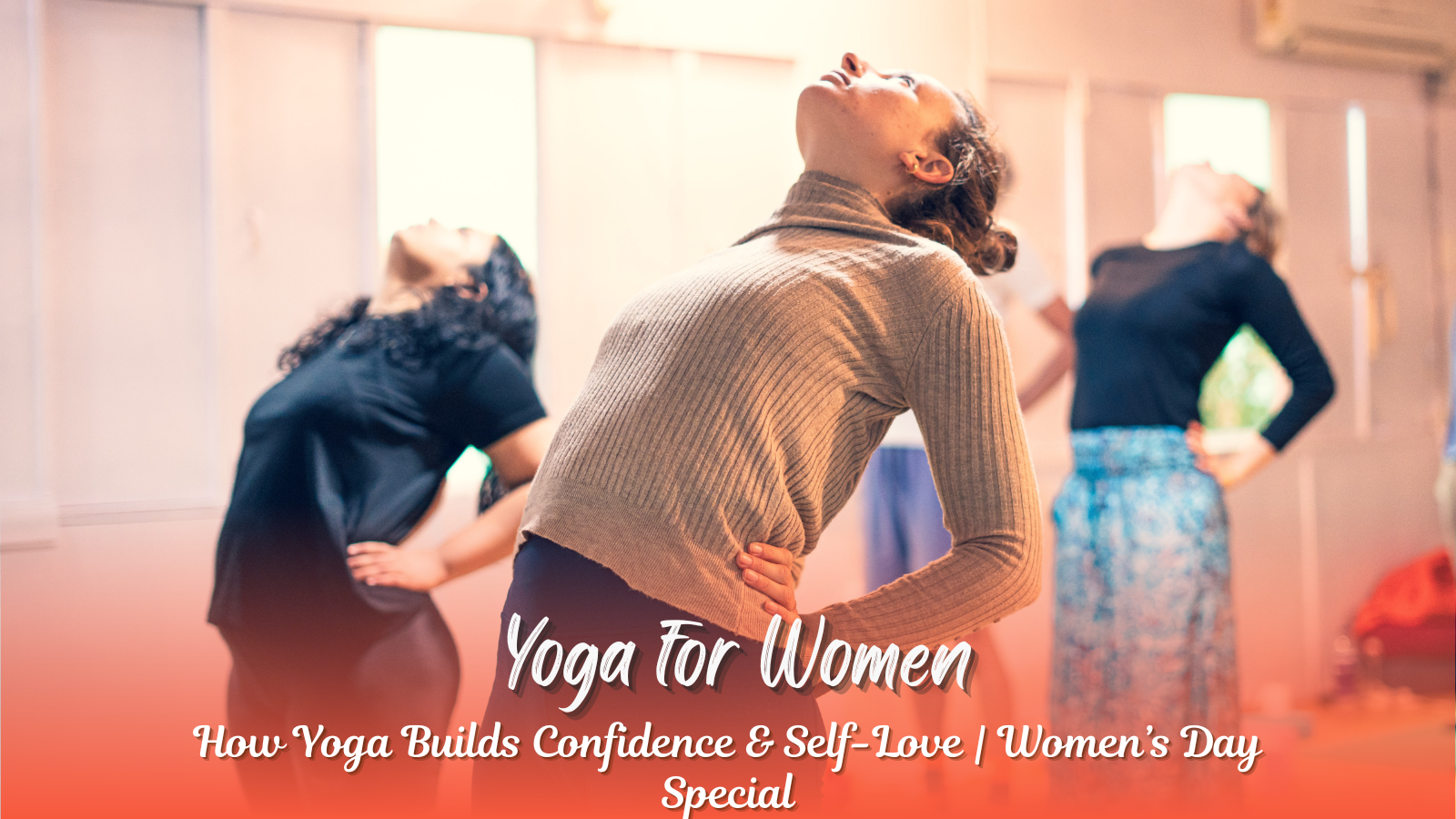
What is Yoga Nidra? Benefits, Steps, and How to Practice Effectively

What is Yoga Nidra? Benefits, Steps, and How to Practice Effectively

What is Yoga Nidra? Benefits, Steps, and How to Practice Effectively

Yoga Nidra, which is literally known as “yogic sleep,” is a progressive approach towards meditation where the practitioner is led into a state of deep sleep with full consciousness. Practiced for centuries in the yogic tradition, Yoga Nidra is gaining immense popularity today, mainly because of its salutary effects upon one’s mental as well as physical health. This article aims to find out what Yoga Nidra is all about, what are its benefits, and how it can reduce stress, anxiety, and sleep disorders.

What is Yoga Nidra?

Yoga Nidra is a systematic form of guided meditation that induces a state between wakefulness and sleep. Unlike traditional meditation, which requires intense concentration, Yoga Nidra guides practitioners into deep relaxation effortlessly.

Yoga Nidra is a form of meditation that evokes deep relaxation by taking the practitioner through a body scan, breath awareness, and visualizations while still remaining conscious. It’s a practice wherein the body rests while the mind is awake; thus, there can be a conscious sleep or “yogic sleep.” It is guided meditation that would take you through different stages of relaxation and, therefore, let the practitioner feel a heightened awareness and deep release from tension.

The beauty of Yoga Nidra in India lies in its simplicity and accessibility. Unlike other meditation practices, Yoga Nidra can be practiced even by the very old and the very young, with or without any previous experience with yoga or meditation. It is generally done in a lying down position; therefore, the practice is accessible to people who may have mobility issues or possibly have difficulty staying seated for any length of time.

Yoga Nidra Techniques: How to Practice for Deep Relaxation

While the techniques may be different from one tradition or teacher to another, most forms of Yoga Nidra typically entail the following steps:

1. Setting an Intention (Sankalpa): This means that the practitioner sets up a positive intention or affirmation for the practice. This may indeed be a personal goal or maybe even a quality that he or she wants to cultivate. The Sankalpa serves as an anchorage throughout the session.

2. Body scan: He is guided to pay attention to every part of the body from the toes up to the crown of the head. This lets go of the physical tensions and develops a sense of relaxation.

3. Breath Awareness: It generally encompasses awareness about the breath itself, its normal rhythm, or calming the nervous system. Deep conscious breathing in this process helps in further relaxing and grounding of the mind.

4. Sensory Awareness and Visualization: One is guided to visualize images, sounds, or sensations that promote peacefulness and serenity. This can include peaceful landscapes, or gentle body sensations that bring a sense of relaxation deeper into the body.

5. Relaxation: After the body scan and breath awareness, one enters a deep relaxation state. The practitioner is asked to be relaxed yet alert. This is the magic of Yoga Nidra: when the body is fully relaxed, the mind knows.

6.Wake Up: Then it brings the practitioner out of that deep relaxed state, with him slowly being re-awakened into using his senses once again, making the body get back into being aware of all its elements. Yoga Nidra for Sleep

One of the more commonly attributed benefits of Yoga Nidra is to assist with the remedy for sleep improvement. It can activate the parasympathetic nervous system, which controls rest and digest functions. Therefore, it can be a tool that triggers deep rest and sleep. It can be useful for a person who is suffering from problems with sleeping or disturbed sleep pattern.

Unlike the usual meditation that may sometimes require mental discipline and concentration, Yoga Nidra can be used to relax without needing to silence the mind first, making it perfect for people who have been having a hard time quieting their minds at bedtime. One is likely to fall asleep faster, experience deeper sleep, and wake up fresher using Yoga Nidra for sleep.

Yoga Nidra Benefits: Why You Should Try It

7 Benefits of Yoga Nidra

Yoga Nidra is extremely beneficial to the body, mind, and spirit. Seven main benefits of practicing Yoga Nidra include the following.

1. Enhances Deep Relaxation & Reduces Stress

This is one method of deep relaxation for both the body and mind. Stress is reduced with such regular practice. Mental clarity increases, which results from having lower levels of the hormone responsible for causing stress-the cortisol.

2. Improves Sleep & Helps with Insomnia

The most requested benefit of the practice of Yoga Nidra is quality sleep. Deep relaxation has the capability to make both the body and mind ease out into a sleeping state. Moreover, it was also used naturally for those experiencing insomnia and not having good sleep quality. Various researches prove that those individuals who practice Yoga Nidra sleep much more quickly and also spend more time in the deeper, restorative phases of sleep.

3. Boosts Mental Clarity & Emotional Balance

Another common practice of Yoga Nidra is through anxiety yoga. The calming impact of Yoga Nidra overcomes the signs of anxiety and brings about emotional serenity. Therefore, with the aid of breath and body awareness as the anchor, anxious thoughts and feelings can be brought to stillness.

4. Supports Spiritual Growth & Self-Awareness

Regular practice of Yoga Nidra has been proven to enhance cognitive functions and mental clarity. It enhances focus and concentration, useful for work, studies, and daily activities. In fact, research has suggested that Yoga Nidra can enhance learning and memory retention.

5. Emotional Healing

It produces emotional relaxation due to the ability of Yoga Nidra that enables the participants to enter into a state from where sub-conscious emotions emerge up, and consequently, it gives a scope to emotional healing. It allows human beings to transcend through their traumatic past, frights, and other negative feelings.

6. Physical Relaxation

Yoga Nidra is an effect that sends one into deep physical relaxation. It helps in body rebalancing and healing. It can really benefit people suffering from chronic pain, tension, or fibromyalgia; it can help greatly with back pain.

7. Increased Self-Awareness

Through continuous practice, Yoga Nidra allows individuals to become more aware of themselves. It helps transcend the mind and emotions so that one may find out about his true self, desires, and intentions and hence spiritual growth and transformation.

How to Practice Yoga Nidra: Step-by-Step Guide

Yoga Nidra is an easy and highly relaxing practice for anyone, including beginners. Here’s how to practice Yoga Nidra in clear, step-by-step pointers:

1. Prepare Your Space

•Find a quiet, comfortable space free of distractions.

•Lie on your back with your body relaxed. One can use a yoga mat or soft surface but ensure you are well supported by your body.

•Put your arms alongside your body with palms facing upwards. The legs can be a little apart.

2. Set an Intention (Sankalpa)

• Set a positive, affirming intention or goal for your practice (this is referred to as a Sankalpa) prior to starting

• This may be something such as “I am calm and peaceful,” or “I trust my abilities.”

• Repeat the intention silently to yourself, allowing it to vibrate in the mind

3. Body Scan (Rotation of Consciousness)

• Scan the body starting at the toe and moving up through to the head.

•Consciously focus on relaxing the part of your body. Example: “I relax my toes… my feet… my ankles…” and so on.

•Focus on letting go of the tension in all parts of your body. Let the tension go with every breath.

4. Breath Awareness

•Switch to your breath. Notice how your breathing occurs naturally without trying to control your breath.

•Feel your body rise and fall with each breath.

•If your mind wanders, just gently bring your focus back to your breath.

5. Sensory Awareness

•Now, focus your attention on the senses. Take cognizance of the sounds that surround you, the sensations in your skin, the air on your body, and anything else.

•Just be aware of those sensations without judgment; let them deepen your state of relaxation.

6. Visualizations

•You are invited to imagine very peaceful, relaxing imagery. That could be a beach, some beautiful landscape, or something else that makes you feel relaxed.

•Engage all your senses with the imagery-see what you see, hear what you hear, feel what you feel, and smell what you smell in this peaceful setting.

7. Deep Relaxation (Effortless Awareness)

•Let yourself be in a state of deep relaxation, without needing to focus on or control anything.

•Aware of the quiet and serenity around you, let go of any thoughts or distractions. Simply experience the moment.

8. Return to Sankalpa

•At this point, go back to your Sankalpa (intention). Say it again, this time with complete faith and conviction, as if it were already happening.

•Allow this mantra to sink in.

9. Gradual Awakening

•Start slowly bringing your attention back to the present.

•Know your body, the sensations around you, and the room.

•Begin by gently wiggling your fingers and toes and stretch your body; when you feel ready, open your eyes slowly.

•Take a few moments to return from this deep relaxation to your waking life.

•Pause for a moment and assess how you feel. You might feel lighter, more centered, or peaceful.

•Be aware of it throughout your day.

Yoga Nidra vs. Meditation: What’s the Difference?

This meditation integrates the physical relaxation of yoga with the clarity of meditation. Through the concentration on each part of the body, breath, and visualization techniques, this meditative practice can bring the practitioner into a deeply relaxed yet fully aware state. It is through this meditation aspect that practitioners can then observe their thoughts and emotions in a nonattached manner, enhancing mindfulness and emotional balance.

Yoga Nidra Teacher Training and Certification

If you’re interested in becoming a Yoga Nidra instructor, pursuing Yoga Nidra teacher training or certification is an excellent path. Yoga Nidra teacher training courses are offered worldwide, with many yoga schools offering specialized training in the practice. The training focuses on the principles of Yoga Nidra, its therapeutic benefits, and how to guide others into a deep state of relaxation.

Yoga Nidra certification is the formal recognition of your ability to lead people through this practice. A Yoga Nidra teacher who is certified is a person best aware of techniques, benefits, and philosophical background that serve well in teaching to students.

Yoga Nidra Books and Resources

For those interested in diving deeper into the practice of Yoga Nidra, there are many books that delve into its techniques and benefits in-depth. Some popular titles include “Yoga Nidra: The Art of Transformational Sleep” by Richard Miller and “The Yoga Nidra Workbook” by Dr. Sonia A. Bera. These resources can offer insights into the theory behind Yoga Nidra and provide practical guidance for your personal practice.

YTT School in Rishikesh

If you want to take a much deeper journey into yoga, then Rishikesh is considered to be the spiritual capital of India and houses many great yoga teacher training schools. It is the perfect destination for a Yoga Nidra teacher training course where the students can learn the ancient practices amidst the peaceful Himalayan foothills.

Choosing the right school of Yoga in Rishikesh for Yoga Nidra training will provide you with a qualified instructor, a rich curriculum, and a genuine yogic experience. Many schools as part of their teacher training courses include Yoga Nidra and allow students to practice teaching it.

FAQs

1. What are the effects of Yoga Nidra?

The more you practice Yoga Nidra, the more your body relaxes into a deep state and your mind remains conscious, and so it allows one to deeply rest and rejuvenate just like a deep sleep without losing consciousness. Some even say that it helps improve mental clarity, reduces stress, and heals the body.

2. Why do I cry in Yoga Nidra?

Crying in Yoga Nidra may serve as an emotional release. Because in deeper relaxation and contact with the subconscious mind, unresolved emotions, memories, or traumas begin to surface in the process of healing. It can ultimately lead to higher emotional well-being.

3. Who is the god of Yoga Nidra?

In the yogic tradition, Savitri is often quoted as the goddess of Yoga Nidra, but being a manifestation of divine feminine energy, the practice transcends specific deities and is just a spiritual instrument for deep relaxation and self-realization.

4. Why is Yoga Nidra so powerful?

Yoga Nidra is powerful because it activates both the physical and mental aspects of relaxation. It allows practitioners to reach a deep state of consciousness in which the body heals, the mind rests, and emotional balance is restored. The practice also encourages self-awareness and spiritual growth, making it a transformative experience.

Yoga Nidra is a profound practice that offers various benefits for those seeking to ease stress, anxiety, and sleep disorders. Whether for relaxation, emotional healing, or self-discovery, practicing Yoga Nidra is excellent for overall development. By getting into this discipline, you’re going to end up with real deep relaxation along with mental lucidity and also emotional balance. If you consider teaching others this path to recovery and transformation, you may join a Yoga Nidra teacher training or take certification.

If you really want to dive deeply into the transformative power of yoga, consider attending a 200 Hour Yoga Teacher Training at an established Yoga Gurukul in Rishikesh. The program will give you the best yoga and meditation training but teaches you to live a more centered, mindful life. You shall discover the depth of your practice in a truthful and nurturing environment, be given the confidence and tools to succeed in all aspects of your life.