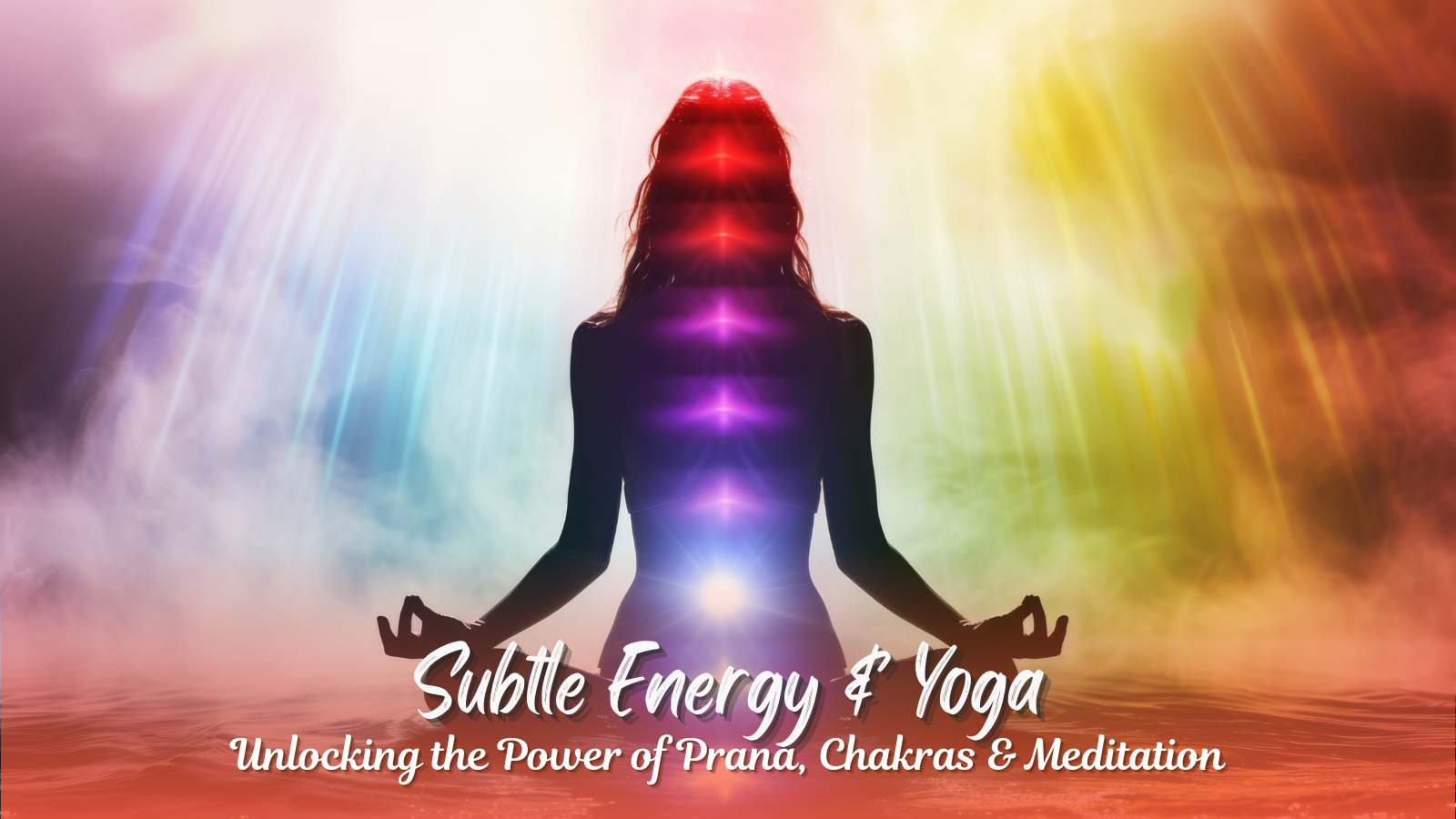
Subtle Energy & Yoga: Unlocking the Power of Prana, Chakras & Meditation

Subtle Energy & Yoga: Unlocking the Power of Prana, Chakras & Meditation

Yoga & Subtle Energy

The fundamental idea of subtle energy was first demonstrated through ancient yogic traditions and holistic healing practices which entered human practices during ancient times. A core element of understanding prana alongside chakras and meditation exists. Subtle energy defines itself as what affects our spiritual and physical well-being although its precise nature remains unclear. The upcoming piece discusses both the definition of subtle energies and their yoga-related application as well as the way they improve our meditative experience.

Did you know that energy controls not just your body, but your mind too? In China, it’s called Chi, while in India, we call it Prana. This ancient concept plays a crucial role in consciousness & emotional balance.

If you’re looking to master Subtle Energy techniques, Joining the Best Yoga School in Rishikesh can deepen your practice and knowledge.

What is Subtle Energy? Prana & Subtle Energy

Understanding subtle energy meaning requires first identifying its unseen power that shapes both mental emotional and physical states. The operations of subtle energies function at a higher level than gross energy because it deeply affects our mental and emotional state while controlling our consciousness. Yoga and Ayurveda together with numerous ancient traditions accept subtle energies to be the fundamental forces that preserve human life.

Philosophies throughout world cultures identify this essence using different names: the Chinese understanding calls it Chi while Japanese Reiki follows Ki and Indians name it Prana. The state of subtle energy equilibrium directly correlates with someone’s physical and emotional health together with their vitality. The state of this energy system affects mental wellness as well as mental power and may develop into long-term medical conditions. Numerous holistic healing therapies including acupuncture together with crystal therapy and sound healing use energy balancing to reach their therapeutic outcomes for complete body-mind synchronization.

Subtle Energy in Yoga

Traditionally in yogic practices prana represents vital subtle energies while the energy channels known as nadis both function as vital elements of this tradition. After that, people need both balanced and flowing vital life force energy to maintain health and reach spiritual awakening. Subtle energies meaning is very impactful for our existence. Yoga teacher training school in Rishikesh helps in your better practice.

How Prana & Subtle Energy Influence Your Mind & Body

Prana represents one of the most widely recognized ideas that relate to subtle energy. Prana heart from eric thompson – subtle energies sciences describes in his teachings about prana heart how energy fields shape the human mind through his teachings. The healing and awareness enhancement that Prana Heart subtle energy procedures achieve results from achieving the balance of these energy fields.

The alignment of subtle energies with the heart center (Anahata Chakra within Prana Heart results in emotional balance and promotes compassion and inner peace. Different healthcare practitioners enhance pranic flow by using tools infused with subtle energy and meditations and frequency-based technologies which lead to deep relaxation and heightened intuition and interconnectedness results.

Pranayama and mantra chanting together with visualization exercises enable the activation of prana heart subtle.energy which leads to deep inner tranquillity. Using Prana Heart principles in daily life leads to healing effects and increased emotional strength and spiritual knowledge according to new practitioners of subtle energy. People can use Prana Heart as a portal to develop their consciousness while attaining better wellness through advanced energy techniques or basic mindfulness practices.

Prana forms an essential part of existence through its essence even beyond the physical act of breathing. People encounter prana everywhere because it exists in sunlight and food and throughout the environmental surroundings. Pranayama for Energy Flow as a breathing technique serves as a powerful method for governing and strengthening subtle energies in human bodies.

All three breathing techniques Nadi Shodhana (Alternate Nostril Breathing) Bhastrika (Bellows Breath) and Kapalabhati (Skull Shining Breath) help to eliminate energy blockages thus improving both mental clarity and physical well-being. People who practice pranayama receive two major health advantages improving their lung capacity decreasing stress levels and enhancing their mental focus. Prana heart subtle energies helps our spiritual awareness through the activation of the chakras. A Best Yoga School in Rishikesh helps in your better practice.

Chakras and Subtle Energy

The human body works with seven major chakras to control different functions of our entire life.  Subtle energies are blocked and the energy flow through our chakras determines physical and emotional problems in our lives. Regular meditation chanting sounds and controlled breathing open and restore the connection between chakras and life energy through the flow of subtle energies healing.

Every chakra represents certain attributes through which it manages specific sections of our existence:

Root Chakra (Muladhara): The first chakra Muladhara influences our sense of stability with its fundamental function. Chakra misalignment leads to feelings of unease and fear in people.

Sacral Chakra (Svadhishthana): This chakra deals with emotions as well as personal creativity and sexuality. Union difficulties create emotional self-restraint.

Solar Plexus Chakra (Manipura): Personal power, confidence, and digestion. Solar plexus imbalance leads to serious doubts about oneself.

Heart Chakra (Anahata): Love, compassion, and forgiveness. Having energy trapped in this area makes people grow distant from others and develop anger.

Throat Chakra (Vishuddha): Communication, self-expression, and truth. When your throat chakra is closed it makes emotional expression hard to achieve.

Third Eye Chakra (Ajna): It controls wisdom and thought clarity plus instincts. A cluttered energy flow through this area causes problems with understanding and seeing things.

Crown Chakra (Sahasrara): Spiritual connection, enlightenment, and universal consciousness. The crown chakra needs stability for spiritual transformation to happen.

Through yoga stretches and meditative techniques, one can remove blockages from their energy centres which lets subtle energies circulate freely. This brings balance and satisfaction in their life. The Tree Pose strengthens the root chakra while the Camel Pose targets the heart chakra and the Headstand Pose helps stimulate the crown chakra.

How to Use Subtle Energy in Meditation for Deep Relaxation

Meditation serves as the most powerful method for acquiring subtle energy. A strengthened ability to connect with subtle energies leads to reaching higher awareness together with obtaining internal peace and progressing spiritually.

There are several powerful meditation techniques and these are useful to connect with subtle energies.

These are as follows:

  • Mantra meditation: Chanting sacred sounds and repeating as many times as possible like OM or SO HUM to activate the energy vibrations into the inner self.
  • Vipassana meditation: Without any judgment, observing bodily sensations and breathing for a more appropriate connection with subtle energies.
  • Guided visualization: The process of body activation for healing involves the conceptualization of energy and light movement throughout one’s physical form.
  • Chakra meditation: A person combines a focus on specific chakras along with positive statements to achieve energy balance.
  • Sound healing meditation: More usage of Tibetan singing bowls or binaural beats in enhancing vibration energy.

Practicing meditation on a regular basis builds up subtle energies fields and it simultaneously cuts down stress along with improving mental clarity and deepening spiritual consciousness. People who advanced in meditation describe reaching high states of bliss combined with energetic unity and transcendental experience as their subtle energies become fully powerful.

Yoga Schools in Rishikesh & Subtle Energy Training

Those who are willing to be involved with subtle energy training can join a yoga school in Rishikesh, this is highly recommended to deepen your knowledge and understanding regarding subtle energy. Besides, a 300-hour yoga Teacher Training in Rishikesh can provide you a better knowledge and in-depth study about subtle energy healing, prana, and chakras. The ultimate way to experience this yogic activity through teacher training is by enrolling in Rishikesh Yoga Shala, a Yoga teacher training school in Rishikesh.

Moreover, Gurukul Yogashala is mainly known for better transformative programs where students can easily practice pranayama, meditation, and several asanas in spiritually charged circumstances.

The students who complete training in this sacred land consistently state major changes in their energetic state and spiritual awareness. The status of Rishikesh as the Yoga Capital of the World creates a singular environment where people can deepen their exposure to subtle energies and yogic intelligence.

FAQs on Subtle Energy

What is the meaning of subtle energy?

Visible through its life force impacts mind-body-spirit connections but stays invisible to our eyes. Many examples of subtle energy are linked with both pranayama life energy and spiritual awareness and energy centres known as chakras. “what are subtle energies” refers to spiritual awareness in the energy centres.

What is subtle energy in yoga?

Subtle energy is considered the foundation of prana and the chakra system, which represents the controlling force that distributes life force energy throughout the body and plays a central role in obtaining total wellness.

What does subtle energy feel like?

Audio-visual disturbances provide subtle energy through tingling sensations together with warmth and vibratory sensations when practicing meditation, subtle energy healing, or deep yoga sessions. During these activities, people can experience relaxing tranquillity together with increased brain awareness.

Is subtle energy real?

Different spiritual traditions officially recognize the factuality of subtle energy. Science cannot measure subtle energy like physical energy yet individuals can experience its effects when practicing meditation, subtle energy healing techniques, and practicing yoga.

Conclusion

Knowing about subtle energy together with its part in prana, chakras, and meditation practices remains crucial for every yoga practitioner. Several pathways exist to boost your connection with subtle energies including attending a Yoga School in Rishikesh as well as getting subtle energy healing and studying prana heart from Eric Thompson – Subtle Energy Sciences.

Want to master the secrets of Subtle Energy & Pranayama? Join our 300 Hour Yoga Teacher Training in Rishikesh & elevate your practice. Enroll now!

Continuous practicing of yoga regularly can heal you to gain breathwork and meditation, and every single person can cultivate a deeper awareness of subtle energy with the learning of well-being and spirituality. Additionally, more people are interested in embracing subtle energy sciences as their field expands to deliver intellectual as well as physical benefits to health along with inner peace and spiritual growth. Professional experience in subtle energy teaching comes directly from practicing meditation and yoga because it produces direct tangible results.

Since the speed of modern life generates frequent stress anxiety and physical health problems people can use subtle energy-based yoga and meditation practices to find complete life balance. Both novices and advanced practitioners who incorporate subtle energy healing techniques will achieve raised awareness states as well as better physical health.

Modern science now confirms subtle energy through validated scientific research which cements the link between spirituality and contemporary scientific understanding. Energy-based practices hold fundamental importance in daily life operations according to this conclusion. We unlock the door to a deeper and more fulfilling life that is in line with our greatest potential as we continue to investigate the highest potential of our relationship with subtle energy.
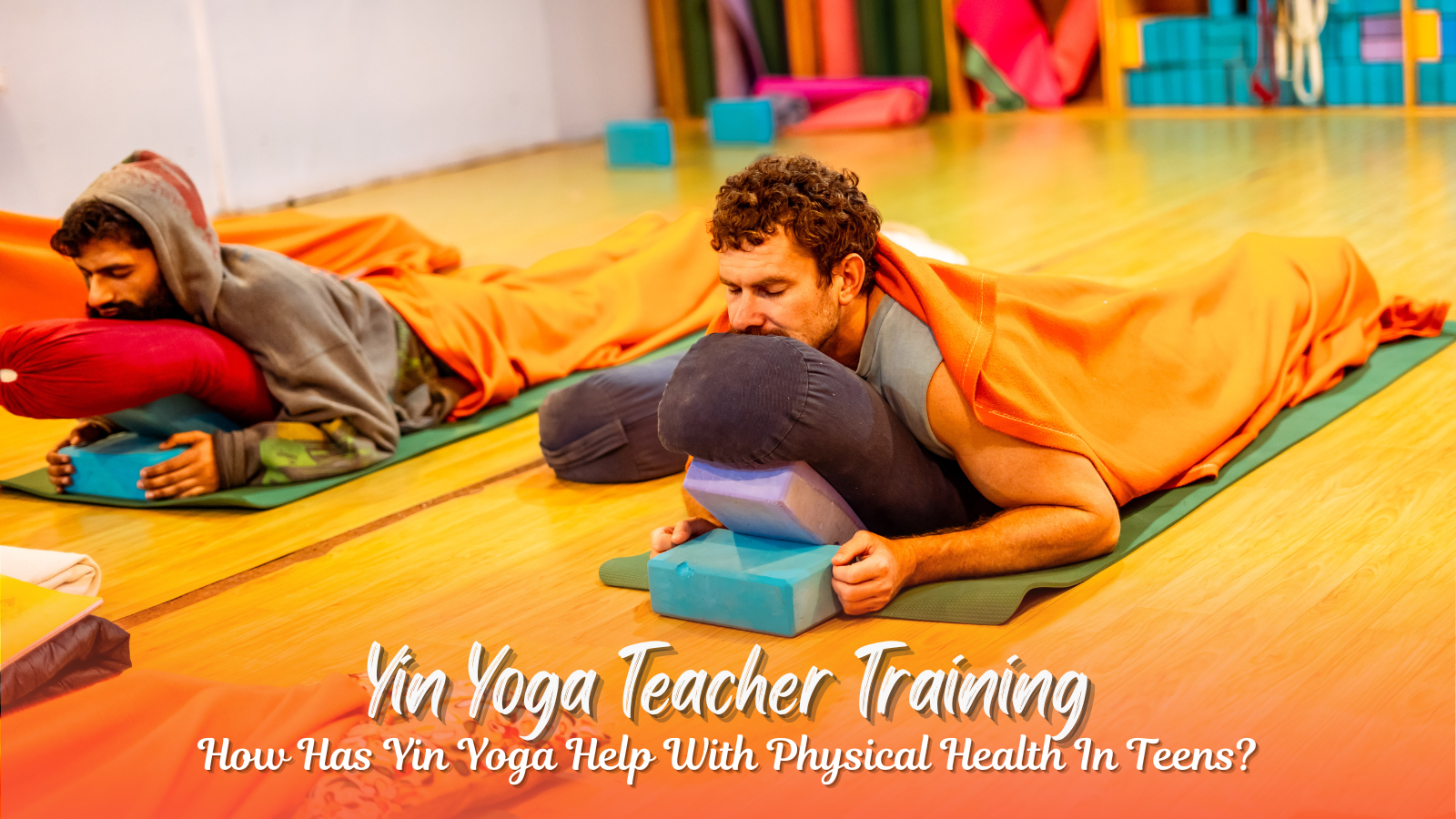
How Has Yin Yoga Help With Physical Health In Teens?

How Has Yin Yoga Help With Physical Health In Teens?

How Has Yin Yoga Help With Physical Health In Teens

Other than its meditative approach Yin Yoga focuses on strengthening deep connective tissues as well as ligaments joints and fascia within the body. Participants in Yin Yoga practice must maintain each pose throughout periods longer than 3 to 5 minutes because it differs from fast-paced dynamic techniques. The lengthy duration of physical stillness creates exceptional advantages for bodily and mental states. The practice of Yin Yoga has recently become popular among teenage individuals because it helps their bodies become more flexible and establishes better posture while improving their health status.

This article will explain “what is Yin Yoga” and discuss its physical wellness advantages along with preferred poses and its favourable impacts on teenage individuals. The article discusses both Yin Yoga teacher certification and 300-hour Yin Yoga teacher training along with presenting information about the Best Yoga School in Rishikesh for both practitioners and aspiring educators.

If you’re looking to deepen your practice and become a certified yoga teacher, finding the Best Yoga Teacher Training in Rishikesh is key. Rishikesh, the Yoga Capital of the World, offers authentic, traditional teachings that connect you to the true essence of yoga. Whether you’re a beginner or an experienced practitioner, a structured teacher training program will refine your skills, build confidence, and open doors to a global yoga career. Ready to take the next step?

What is Yin Yoga?

Yin Yoga comprises quiet and slow movements requiring practitioners to maintain specific postures for elongated periods. Static yoga positions of Yin Yoga work against connective tissues and joints as well as ligaments to create flexibility and mobility while promoting relaxation. Teenagers will find this peaceful practice especially helpful because it combats stress resulting from academic challenges, athletic pursuits, and extended screen usage.

Key Features of Yin Yoga:

  • Long-held poses (3-5 minutes)
  • Deep connective tissues have to be focused.
  • Relaxation and mindfulness have to be encouraged.
  • Flexibility and mobility have to be Improved
  • Complements other physical activities

What Are The Most Used Yin Yoga Poses?

During Yin Yoga practice participants maintain each pose between 2 and 5 minutes which creates deep stretching experiences. Various static postures are fundamental to practice Yin Yoga among these are:

1. Butterfly Pose (Baddha Konasana)

  • The hips and inner thighs have to be opened.
  • The flexibility and relieves tension in the lower back have to be Enhanced.

2. Dragon Pose (Lunge Variation)

  • Hip flexors and quadriceps are Stretched.
  • Mobility in the legs and lower body has to be increased.

3. Caterpillar Pose (Seated Forward Fold)

  • The spine and hamstrings have to be Stretched.
  • Introspection and relaxation are encouraged.

4. Sleeping Swan (Yin Variation of Pigeon Pose)

  • Deep hip opener which releases tension from the lower body.
  • Athletes together with individuals who spend many hours sitting can obtain benefits from this practice.

5. Sphinx Pose

  • Grand Gomukasana creates gentle spinal extension which stimulates the spine while broadening the chest muscles.
  • The practice can correct structural misalignments that occur due to long periods of sitting.

“What is the most used yin yoga poses” has been discussed in a detailed way.

How Does Yin Yoga Help with Physical Health?

1. Improves Flexibility

The practice of prolonged Yin Yoga poses results in increased flexibility of muscles and connective tissues. The stretching achieved during Yin Yoga helps teenage bodies with growth to move better while protecting them from potential injuries. People who do yin yoga can improve their Flexibility.

2. Increases Joint Health

Through Yin Yoga practice teens gain improved joint mobility because the practice enhances synovial fluid production which keeps joints lubricated and minimizes stiffness. The practice provides excellent benefits to athletes and physically active teenagers.

3. Strengthens Connective Tissues

Stretching deep into fascia and ligaments during Yin Yoga creates prevention of stiffness and enhances tissue flexibility. Through deep stretching practices, one can reduce the risk of future chronic pain and injuries that may develop in later life. Pre Natal Yoga Teacher Training in Rishikesh helps in your health development.

4. Boosts Circulation

An extended period of holding poses improves blood circulation which carries oxygen and nutrients to the entire body. Long-term body position practice allows patients to recover their physical capacities more quickly. People who do yin yoga can Boost their Circulation.

5. Supports Posture and Spinal Health

Screen time elevation has led to postural issues among numerous teenage individuals. Through Sphinx Pose and Caterpillar Pose in Yin Yoga students can sustain proper spine health and alleviate pressure from excessive sitting.

How Has Yin Yoga Help with Physical Health In Teens?

1. Alleviates Stress-Induced Tension

Legitimate sources reveal that young people face educational stress as well as social challenges and emotional changes in their lives. Through Yin Yoga body practitioners can release accumulated stress from their muscles which produces an overall relaxation effect.

2. Reduces Sports Injuries

Athletic teenage individuals commonly suffer from both muscle tightness and joint strain. Yin Yoga enhances other physical activities while building flexibility and mobility to stop injuries from occurring.

3. Enhances Recovery

The practice of Yin Yoga functions as a perfect recovery method for teens who participate in vigorous physical activities that include running dancing and weightlifting. Yoga practice serves as an excellent recovery measure that combines muscle soreness reduction with accelerated rehabilitation. You can practice at the Best Yoga School in Rishikesh.

4. Encourages Mind-Body Awareness

Yin Yoga increases a deep connection between the mind and body. Teens gain self-knowledge about their physical boundaries while actively developing their muscle strength and mobility in a protected way.

5. Improves Sleep Quality

Yin Yoga helps users experience better sleep since it functions to settle their nervous system. The integration of Yin Yoga practice during evening hours brings significant advantages to sleep-deprived teenage individuals.

These are the processes “how does yin yoga help with mental health”.

Silhouette Yin Yoga

Silhouette Yin Yoga functions as a method that concentrates on both the artistic side and meditative elements of Yin Yoga within environments that utilize dim lighting and candle glow. Silhouette Yin Yoga provides both relaxation and mindfulness which draws teens who need stress relief.

Yin Yoga Teacher Certification & Training

The path to deep Yin Yoga practice or teacher certification starts through obtaining a Yin Yoga teacher certification. Yin Yoga teacher training at 300 hours delivers complete knowledge about Yin Yoga foundations with detailed studies of anatomy as well as effective teaching techniques. You can practice through Pre Natal Yoga Teacher Training in Rishikesh.

Best Yoga School in Rishikesh

Rishikesh serves as the Yoga Capital of the World where students can enroll in top-quality yoga academic institutions. The Best Yoga School in Rishikesh delivers Pre-Natal Yoga Teacher Training in Rishikesh and Yin Yoga training courses for those who wish to become instructors. 300 hour yin yoga teacher training in Gurukul helps in your better practice.

FAQs About Yin Yoga

What is Yin Yoga good for?

Through its practice, people gain flexibility improvement along with lower stress and better joint wellness. Because yin yoga regulates energy flow, encourages recuperation, and teaches mindfulness techniques, it helps with both physical healing and emotional stability. The practice suits people who search for a mindfulness-based deep-stretching form of yoga to support their additional physical pursuits.

What is Yin and Yang Yoga?

While Yang Yoga (Vinyasa or Ashtanga) primarily consists of moving through dynamic sequences that engage muscles, Yin Yoga asks practitioners to maintain stretches passively for extended periods. These complementary practices form a yoga practice that offers support to both physical strength and flexibility.

Is Yin Yoga for Beginners?

The practice of Yin Yoga welcomes beginners because it needs no previous experience. The extended hold times in Yin practice enable beginners to start their journey without towering expertise in flexibility or strength.

Is Yin Yoga good for you?

Absolutely! The practice benefits every person no matter their age or fitness capability. Through its practice people can experience improved joint health while experiencing reduced stress together with enhanced flexibility and emotional benefits. The practice of Yin Yoga offers beneficial advantages to athletes as well as students who take it and those who need recovery from injuries.

What is Yin Yang Yoga?

The practice of Yin Yang Yoga combines both the relaxative nature of Yin Yoga alongside the energizing poses of Yang Yoga. The practice provides a complete solution through equilibria among passive relaxation exercises and active strength-building postures.

Can Yin Yoga be practiced daily?

The practice of Yin Yoga demonstrates safe usage for daily sessions. Deep connective tissues are the main focus of Yin Yoga practice thereby avoiding muscle-related fatigue or strain which occurs from strenuous exercise. High-frequency Yin Yoga practice results in the improvement of joint mobility and better flexibility and stress reduction.

How long should Yin Yoga poses be held?

Participating in Yin Yoga poses requires maintaining stretches between 2 to 5 minutes or longer durations. Deep tissue release becomes possible during prolonged pose maintenance periods which results in better flexibility and mobility as time passes.

Is Yin Yoga suitable for people with injuries?

Yes, but with modifications. Injuries require safe pose adjustments which people should receive from either a Yin Yoga teacher or therapist. Yin Yoga poses offer gentle rehabilitation support given its non-impactful nature.

Can teenagers practice Yin Yoga at home?

Absolutely! Young adults have two options to practice Yin Yoga either through online guided videos or virtual class participation. College students practicing yoga in a quiet environment with a yoga mat as well as yoga props will improve their overall experience.

Does Yin Yoga help with stress relief?

Yin Yoga stands as a superior yoga style that effectively alleviates stress. The meditative yoga practice quiets your nervous system reduces cortisol production and fosters deep relaxation to provide excellent stress and anxiety relief.

What props are used in Yin Yoga?

The practice of Yin Yoga commonly requires the use of yoga blocks, bolsters, and blankets as well as straps among its prop equipment. The provided props enable deeper relaxation in poses by providing necessary support which helps keep the body properly aligned without discomfort.

Conclusion

Yin yoga mainly offers several benefits to teens and these include physical health, flexibility, and posture which are useful to reduce stress and enhance overall well-being. Regular practice of Yin Yoga can give better development in body awareness, maintenance of a healthy lifestyle, and prevent injuries.

Through studying Yin Yoga and obtaining its professional certification you will expand your knowledge of this practice irrespective of your Yin Yoga training experience level from beginner to advanced.

Successful individuals seeking advanced practice should investigate the Best Yoga School in Rishikesh to undertake Best Yoga teacher training in Rishikesh at the school. Embark on your Yin Yoga journey right now to gain complete health benefits for body and mind.

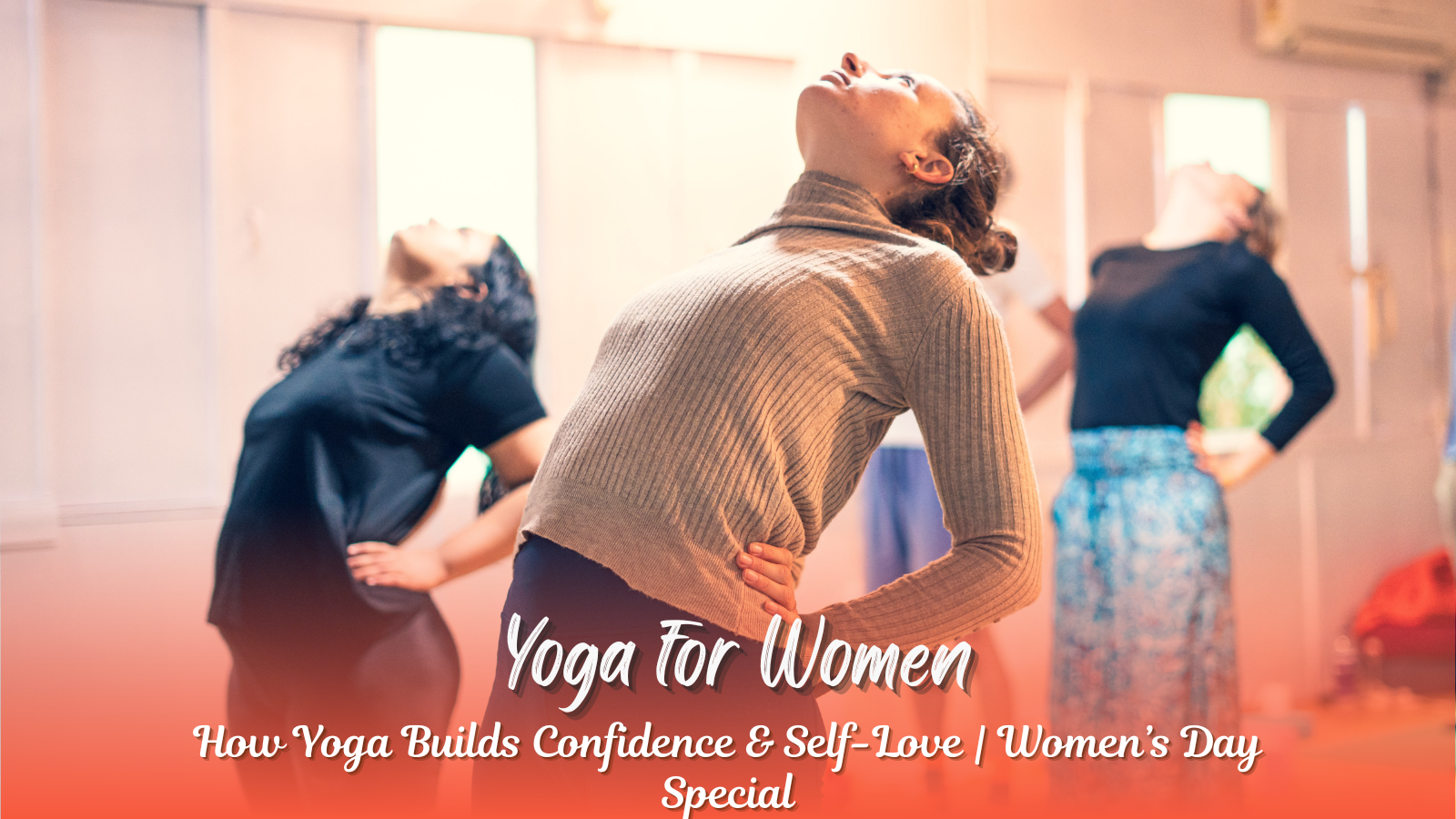
Yoga for Women: How Yoga Builds Confidence & Self-Love | Women’s Day Special

How Yoga for Women Builds Confidence & Self-Love: A Women’s Day Special

Introduction: Celebrate Women’s Day with Yoga & Self-Love

Women’s Day is a reminder of strength, empowerment, and self-care. But in the hustle of daily life, many women forget to prioritize themselves. Yoga for women is not just about fitness—it’s a powerful tool for mental peace, emotional resilience, and self-confidence.

If you’ve ever struggled with self-doubt, stress, or body image issues, yoga can be your best friend. It promotes self-love, inner strength, and overall well-being—something every woman deserves.

In this article, we’ll explore the benefits of yoga for women, how it can transform your life, and why every woman should embrace yoga as a daily practice.

If you’re looking to truly immerse yourself in yoga and take your practice to the next level, why not experience the best yoga teacher training in Rishikesh? Imagine learning authentic yoga from experienced gurus in the Yoga Capital of the World, surrounded by the peaceful Himalayas. Whether you dream of becoming a certified yoga teacher or simply want to deepen your personal practice, this journey can be life-changing!


The Importance of Yoga for Women’s Health & Well-Being

Women go through many physical, mental, and hormonal changes throughout life—puberty, pregnancy, postpartum, and menopause. Practicing yoga for women’s health can:

Balance hormones (helps with PCOS, thyroid issues, and menopause)
Reduce stress & anxiety (calms the nervous system)
Improve digestion & metabolism (supports weight management)
Boost flexibility & strength (tones the body without stress)
Enhance self-love & confidence (connects you with your body and mind)

Whether you’re looking for weight loss yoga for women, yoga for pregnancy, or simply a way to relax, yoga offers something for everyone.


Best Yoga for Women: Poses That Empower & Heal

1. Mountain Pose (Tadasana) – Build Inner Strength

Tadasana is a simple yet powerful pose that helps with posture, balance, and confidence. Standing tall with awareness can instantly uplift your mood.

2. Warrior Pose (Virabhadrasana) – Feel Strong & Confident

Warrior poses remind women of their inner power and courage. This pose strengthens the legs, improves stamina, and boosts self-esteem.

3. Child’s Pose (Balasana) – Relax & Let Go

Balasana is a deeply relaxing pose that helps with stress relief and emotional healing. It’s great for women who feel overwhelmed.

4. Bridge Pose (Setu Bandhasana) – Hormonal Balance & Strength

Bridge pose or Setu Bandhasana supports thyroid function, menstrual health, and emotional stability. It’s perfect for women facing hormonal imbalances.

5. Butterfly Pose (Baddha Konasana) – Women’s Health & Flexibility

A must-do Butterfly pose for prenatal yoga, this helps open the hips, reduce period cramps, and improve circulation.

6. Corpse Pose (Savasana) – Self-Love & Acceptance

Savasana is more than just lying down—it’s about self-acceptance and inner peace. Women often judge themselves too harshly; this pose teaches the power of relaxation and letting go.


Yoga for Pregnancy: Safe & Effective Poses

Prenatal yoga is one of the best yoga for pregnancy, helping women prepare for childbirth while staying fit and relaxed. Some amazing prenatal yoga poses include:

Cat-Cow Pose – Relieves lower back pain
Goddess Pose – Strengthens pelvic muscles
Butterfly Pose – Improves flexibility for labor
Side-Lying Savasana – Ultimate relaxation for expecting moms

If you’re expecting, consider joining a prenatal yoga teacher training to learn safe techniques for a healthy pregnancy.


Yoga for Women Empowerment: More Than Just Exercise

Yoga is not just about physical fitness; it teaches women to embrace their unique beauty, strength, and grace. Many women suffer from self-doubt and stress, but yoga helps them:

💖 Develop self-acceptance (love their body as it is)
💖 Overcome fear & anxiety (through breath control & mindfulness)
💖 Feel more powerful & in control (by mastering poses and thoughts)

A woman who practices yoga regularly becomes more centered, more confident, and more in tune with herself.


Join a Yoga Retreat or Teacher Training to Transform Your Life

If you truly want to immerse yourself in yoga, consider joining a yoga retreat or teacher training. The Best Yoga Teacher Training in Rishikesh includes:

🧘‍♀️ 200 Hour Yoga Teacher Training in Rishikesh – A foundation course for aspiring yoga teachers
🧘‍♀️ Pre Natal Yoga Teacher Training in Rishikesh – Learn safe and effective yoga for pregnancy
🧘‍♀️ 3 Days Yoga Retreat In Rishikesh – A quick escape for stress relief and self-discovery
🧘‍♀️ Best Yoga School In Rishikesh – Authentic yoga training from experienced gurus

Whether you want to teach yoga or just deepen your practice, yoga teacher training in Rishikesh is a life-changing experience.


Women’s Day Quotes to Inspire You

💬 “Yoga is the journey of the self, through the self, to the self.” – The Bhagavad Gita
💬 “Empowered women empower the world. Start with self-love.”
💬 “You are enough, just as you are.” – Unknown

On this International Women’s Day, give yourself the gift of self-love, empowerment, and yoga.


FAQs: Yoga for Women – Everything You Need to Know

1. Which yoga is best for women?

The best yoga for women depends on your needs. Hatha Yoga is great for beginners, Vinyasa Yoga boosts flexibility, and Prenatal Yoga supports pregnancy.

2. Why is yoga good for women?

Yoga improves physical strength, mental clarity, emotional balance, and hormonal health, making it the perfect self-care practice for women.

3. What is a female who practices yoga called?

A female who practices yoga is called a yogini.

4. Why do mostly girls do yoga?

Women are naturally drawn to yoga because it helps with stress relief, emotional well-being, flexibility, and self-care.


Conclusion: Celebrate Women’s Day with Yoga & Self-Care

This Women’s Day, make a promise to yourself—prioritize your health, embrace self-love, and practice yoga. Whether you join a yoga teacher training in Rishikesh, attend a 3-day yoga retreat, or simply start practicing at home, yoga can empower you from within.

Take the first step—because YOU deserve it!

Ready to Start Your Yoga Journey? Contact Us Today!

7 Yoga Courses in Rishikesh | Best Yoga Teacher Training at Gurukul Yogashala

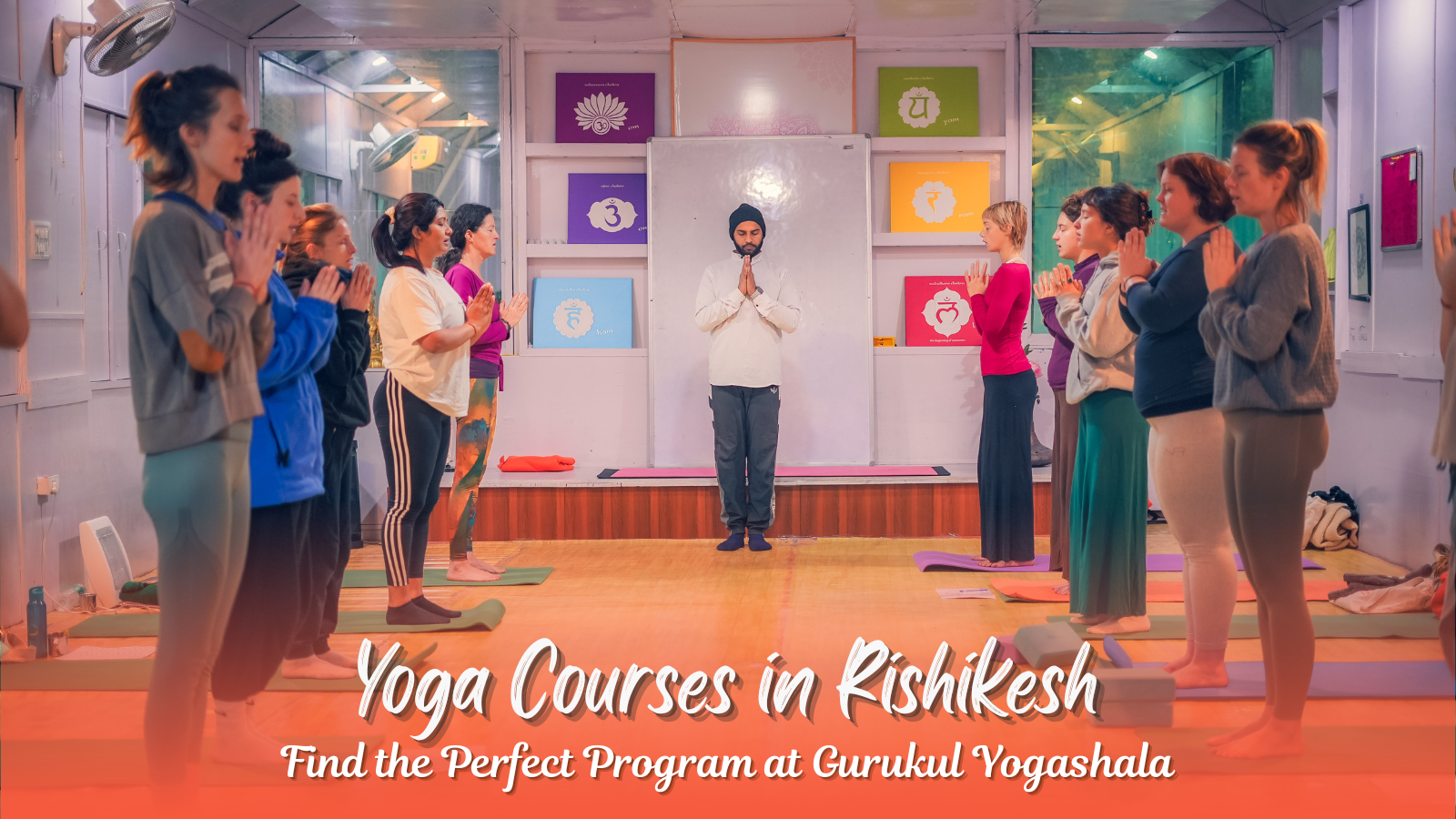
7 Yoga Courses in Rishikesh: Find the Perfect Program at Gurukul Yogashala

Rishikesh, the Yoga Capital of the World, is home to some of the best yoga schools in India. If you’re looking to deepen your yoga practice, become a certified teacher, or simply experience a transformational yoga retreat, then exploring best Yoga Courses in Rishikesh is a life-changing decision.

At Gurukul Yogashala, we offer a variety of Yoga Courses in Rishikesh, including 200-hour, 300-hour, and 500-hour yoga teacher training courses. Whether you’re a beginner or an advanced practitioner, our programs are designed to help you grow physically, mentally, and spiritually.

Looking for the best 200-hour yoga teacher training in Rishikesh? At Gurukul Yogashala, we offer a transformative experience that blends authentic yogic wisdom with modern teaching techniques. Whether you’re starting your journey or aiming to teach, our Yoga Alliance-certified program will elevate your practice and deepen your understanding of yoga. Join us today for best 200 hour yoga teacher training in rishikesh.


Why Choose Rishikesh for Yoga Training?

Rishikesh is not just a place; it is an experience. Here’s why yoga training in Rishikesh is highly sought after:

  • 🏔 Sacred Location – Practicing yoga along the banks of the holy Ganges River, surrounded by the Himalayas, enhances your spiritual journey.
  • 🧘 Authentic Lineage – Learn from certified yoga masters who follow traditional yogic teachings.
  • 🌿 Peaceful Environment – The serene atmosphere helps you focus on self-growth and meditation.
  • 📜 Globally Recognized Certification – Completing a yoga teacher training in Rishikesh, India allows you to teach worldwide.

Best Yoga Courses in Rishikesh at Gurukul Yogashala

At Gurukul Yogashala, we offer a variety of yoga courses in Rishikesh that cater to different levels and specializations.

1. 200 Hour Yoga Teacher Training in Rishikesh

✅ Ideal for beginners and intermediate practitioners
✅ Covers Hatha Yoga, Ashtanga Yoga, Pranayama, Meditation, and Philosophy
✅ Yoga Alliance certified
✅ Develops strong foundational knowledge

2. 300 Hour Yoga Teacher Training in Rishikesh

✅ Designed for those who have completed a 200-hour yoga TTC
✅ Focus on advanced asanas, deeper meditation, and anatomy
✅ Enhances your teaching methodology and alignment techniques

3. 500 Hour Yoga Teacher Training in Rishikesh

✅ A combination of 200-hour + 300-hour training
✅ Comprehensive learning experience with deeper yogic wisdom
✅ Best for those aspiring to become highly skilled yoga instructors

4. Pre-Natal Yoga Teacher Training in Rishikesh

✅ Specializes in yoga for pregnant women
✅ Helps promote a healthy pregnancy and stress-free delivery
✅ Covers safe yoga postures, breathing techniques, and relaxation methods

5. Ashtanga Yoga Teacher Training in Rishikesh

✅ Intensive training in the Ashtanga Vinyasa Yoga series
✅ Focus on strength, flexibility, and breath control
✅ Perfect for those passionate about dynamic and powerful yoga styles

6. Sound Healing Course in Rishikesh

✅ Learn to heal using sound vibrations and frequencies
✅ Covers crystal bowls, gongs, and mantra chanting
✅ Best for those interested in holistic wellness and therapy

7. Yoga Retreats in Rishikesh (3 & 7 Days)

✅ Short-term yoga retreat programs in rishikesh for those looking for relaxation and rejuvenation
✅ Includes daily yoga, meditation, Ayurvedic meals, and excursions
✅ Perfect for individuals needing a break from stress and modern lifestyle


Why Choose Gurukul Yogashala?

🌟 Top Yoga School in Rishikesh – We are a Yoga Alliance-certified yoga institute in Rishikesh, offering traditional and modern approaches.

👨‍🏫 Expert Teachers – Our instructors and yoga teacher have years of experience in Hatha Yoga, Ashtanga Yoga, and Vinyasa Flow.

🏡 Comfortable Accommodation & Satvic Food – Enjoy peaceful stays in private or shared rooms and eat nutritious vegetarian meals and perfect yoga breakfast.

🌍 Global Certification – After completing your yoga teacher training course in Rishikesh, you can teach yoga anywhere in the world.

📍 Prime Location – Located in a peaceful setting, close to the Ganga River and local temples, providing a spiritual ambiance.

✈️ Airport Pickup & Travel Assistance – We provide pickup services and guidance to ensure a smooth arrival in Rishikesh.


How to Choose the Best Yoga Teacher Training in Rishikesh?

With so many yoga schools in Rishikesh, choosing the right one can be overwhelming. Here’s what to consider:

Accreditation – Choose a Yoga Alliance certified school.
Experienced Teachers – Check the experience and teaching style of instructors.
Course Curriculum – Ensure the program covers yoga philosophy, asanas, pranayama, and meditation.
Accommodation & Food – A clean and comfortable stay with nutritious meals is essential.
Student Reviews – Read testimonials from past students for an honest perspective.

At Gurukul Yogashala, we fulfill all these criteria, making us the best yoga institute in Rishikesh for aspiring yoga teachers.


FAQs About Yoga Courses in Rishikesh

1. Which yoga certificate is best?

The best certification is Yoga Alliance-certified teacher training, as it allows you to teach worldwide. Our courses provide internationally recognized certification.

2. Can I learn yoga in Rishikesh?

Yes! Rishikesh is the perfect place to learn yoga and Yoga Courses in Rishikesh, whether you are a beginner or an advanced practitioner. We offer yoga teacher training in Rishikesh and short retreats for all levels.

3. Which degree is best for yoga?

For professional yoga teaching, a 500 Hour Yoga Teacher Training in Rishikesh is the most comprehensive course. However, a 200-hour certification is sufficient to start teaching.

4. What is the best age for yoga classes?

Yoga is suitable for all ages! However, for yoga teacher training courses, the ideal age is 18+ so students can fully grasp the philosophy and practices.


Final Thoughts

Whether you are looking for a yoga school in Rishikesh to start your teaching journey or simply want to experience a transformative yoga retreat, Gurukul Yogashala has the perfect Yoga Courses in Rishikesh for you.

Our 200 hour yoga teacher training in Rishikesh, India is designed to provide authentic knowledge, professional certification, and a life-changing experience.

💬 Ready to start your yoga journey? Enroll in our upcoming course today!

🌿 Visit Gurukul Yogashala to learn more.

Powerful Types of Pranayama & Their Benefits

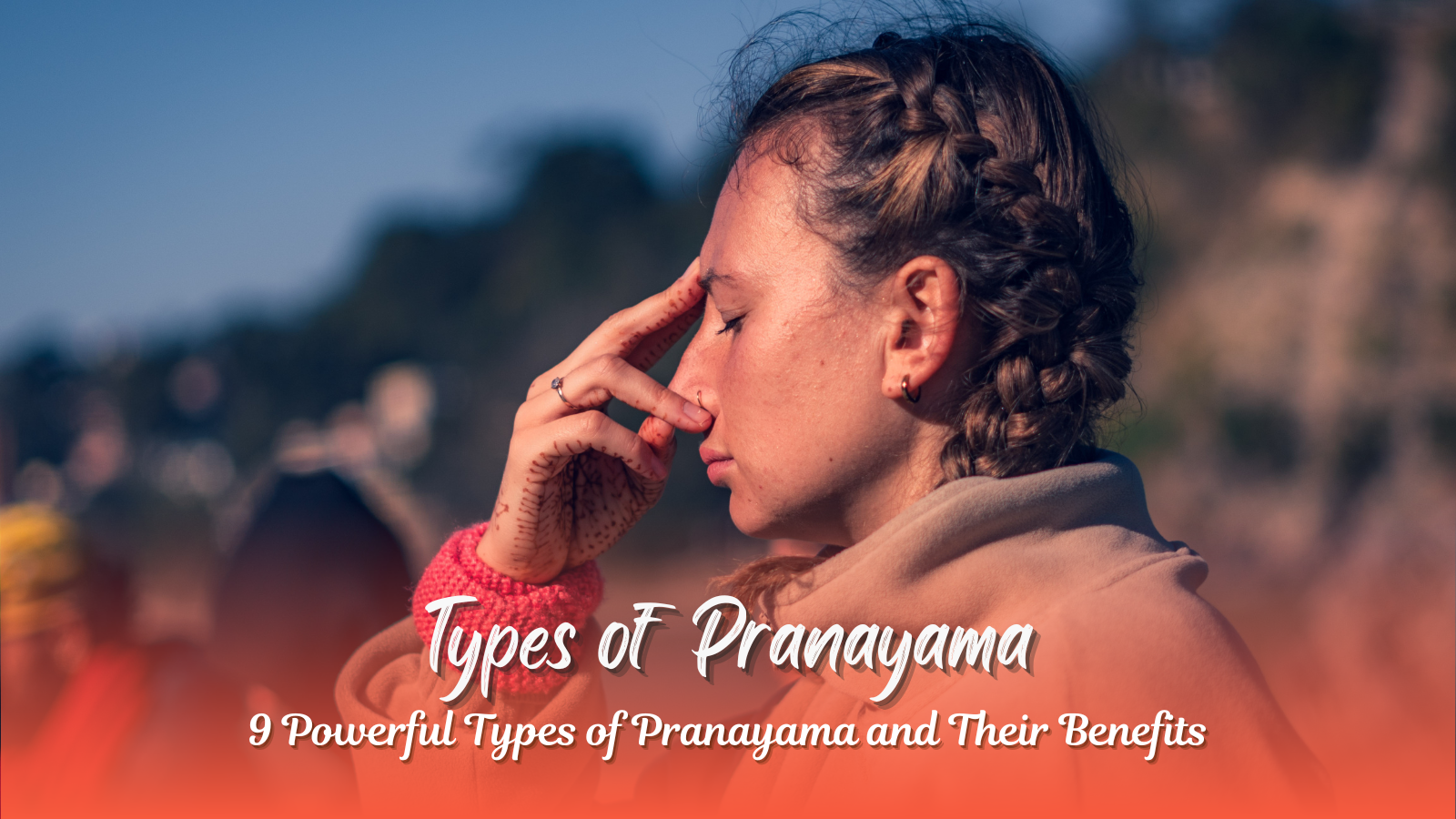
7 Powerful Types of Pranayama and Their Benefits

7 Powerful Types of Pranayama and Their Benefits

Introduction to Pranayama

Pranayama, derived from the Sanskrit words “Prana” (life force) and “Ayama” (extension or control), is a yogic breathing practice that enhances physical, mental, and spiritual well-being. It is an essential part of Hatha Yoga and is often practiced to cleanse the body, improve lung capacity, and balance the mind.

There are different types of Pranayama, each offering unique benefits. Whether you are a beginner or an advanced yoga practitioner, understanding the classification of pranayama and practicing it correctly can transform your health.

In this article, we will explore 9 powerful types of pranayama, pranayama benefits, and how they can improve your overall well-being.


What is Pranayama? Definition and Importance

Pranayama Definition

Pranayama is the conscious regulation of breath through specific techniques that involve inhalation (Puraka), retention (Kumbhaka), and exhalation (Rechaka). It is an essential practice in yoga, helping to control the flow of prana (vital energy) in the body.

Many yoga practitioners at the Best Yoga School in Rishikesh learn pranayama techniques to enhance their meditation and asana practice.


How Many Types of Pranayama Are There?

The number of types of pranayam varies based on different schools of thought. However, in traditional yoga, there are 9 main types of pranayama, each serving a different purpose.

Types of Pranayama and Their Benefits

1. Nadi Shodhana Pranayama (Alternate Nostril Breathing)

  • Also known as: Anulom Vilom
  • Purpose: Purifies the nadis (energy channels) and balances the mind.
  • Benefits:

2. Bhastrika Pranayama (Bellows Breath)

  • Purpose: Energizes the body and mind
  • Benefits:
    • Boosts energy levels
    • Clears the respiratory system
    • Enhances oxygen supply to the brain

3. Kapalabhati Pranayama (Skull Shining Breath)

  • Purpose: Detoxifies the body and strengthens abdominal muscles
  • Benefits:
    • Improves digestion and metabolism
    • Helps in weight loss
    • Detoxifies the lungs and sinuses

4. Bhramari Pranayama (Bee Breath)

  • Purpose: Induces calmness and relieves tension
  • Benefits:
    • Reduces high blood pressure
    • Improves sleep quality
    • Enhances focus and concentration

5. Ujjayi Pranayama (Ocean Breath or Victorious Breath)

  • Purpose: Controls the breath and generates inner heat
  • Benefits:
    • Strengthens the nervous system
    • Boosts immunity
    • Enhances meditative focus

6. Sheetali Pranayama (Cooling Breath)

  • Purpose: Cools down the body and reduces stress
  • Benefits:
    • Lowers body temperature
    • Helps with high blood pressure
    • Improves digestion

7. Sheetkari Pranayama (Hissing Breath)

  • Purpose: Regulates body temperature
  • Benefits:
    • Enhances cooling effect on the body
    • Reduces anger and stress
    • Improves oral health

8. Surya Bhedana Pranayama (Right Nostril Breathing)

  • Also known as: Surya Bhedana Pranayam
  • Purpose: Increases body heat and stimulates energy
  • Benefits:
    • Boosts metabolism
    • Increases mental clarity
    • Improves circulation

9. Chandra Bhedana Pranayama (Left Nostril Breathing)

  • Purpose: Activates the cooling energy of the body
  • Benefits:
    • Lowers high blood pressure
    • Reduces body heat
    • Promotes relaxation

How Pranayama Helps with High Blood Pressure

Many pranayama techniques, such as Bhramari Pranayama and Chandra Bhedana Pranayama, are beneficial for those suffering from hypertension. They help regulate blood pressure, improve circulation, and promote overall well-being.

Best Pranayama for High BP

Practicing these benefits of pranayama yoga types daily can significantly reduce stress and lower high blood pressure naturally.


Who Should Avoid Pranayama?

While pranayama and its types are beneficial, there are certain precautions to consider:

🚫 People with respiratory disorders should consult a yoga expert before practicing intense pranayama like Bhastrika.
🚫 Pregnant women should avoid practices that involve breath retention.
🚫 Those with severe hypertension should avoid forceful breathing exercises.
🚫 People with vertigo or migraines should practice with caution.

To learn more, you can enroll in a 200 Hour Yoga Teacher Training in Rishikesh to understand the correct techniques of pranayama for high blood pressure and other health conditions.


FAQs About Pranayama

1. What Do You Mean by Pranayam?

Pranayama is the practice of controlled breathing to regulate prana (life energy) in the body. It enhances physical, mental, and spiritual well-being.

2. What is the Meaning of Pranayam?

The word “Pranayama” comes from Sanskrit:

  • Prana = Life force or energy
  • Ayama = Expansion or control

Thus, pranayama means the expansion and control of breath.

3. Which Pranayam is Good for the Heart?

  • Anulom Vilom Pranayama
  • Bhramari Pranayama
  • Ujjayi Pranayama

These techniques help regulate heart rate and improve cardiovascular health.

4. Can We Do Pranayam During Periods?

Yes, but avoid intense pranayama like Kapalabhati or Bhastrika. Instead, practice Nadi Shodhana and Bhramari Pranayama for relaxation.


Final Thoughts: The Power of Pranayama

The types of pranayama provide numerous health benefits, from improving lung capacity to reducing stress and enhancing heart health. Whether you are a beginner or an experienced practitioner, incorporating pranayama yoga types into your daily routine can transform your physical and mental well-being.

If you want to deepen your knowledge, consider joining the Best Yoga School in Rishikesh for 300 Hour Yin Yoga Teacher Training or Pre Natal Yoga Teacher Training in Rishikesh. These courses will guide you on how to integrate pranayama and asanas into your practice effectively.

Start your journey today and experience the power of breath!

Tree Pose (Vrikshasana): Steps, Benefits, and Common Mistakes to Avoid

Tree Pose (Vrikshasana): Steps, Benefits, and Common Mistakes to Avoid

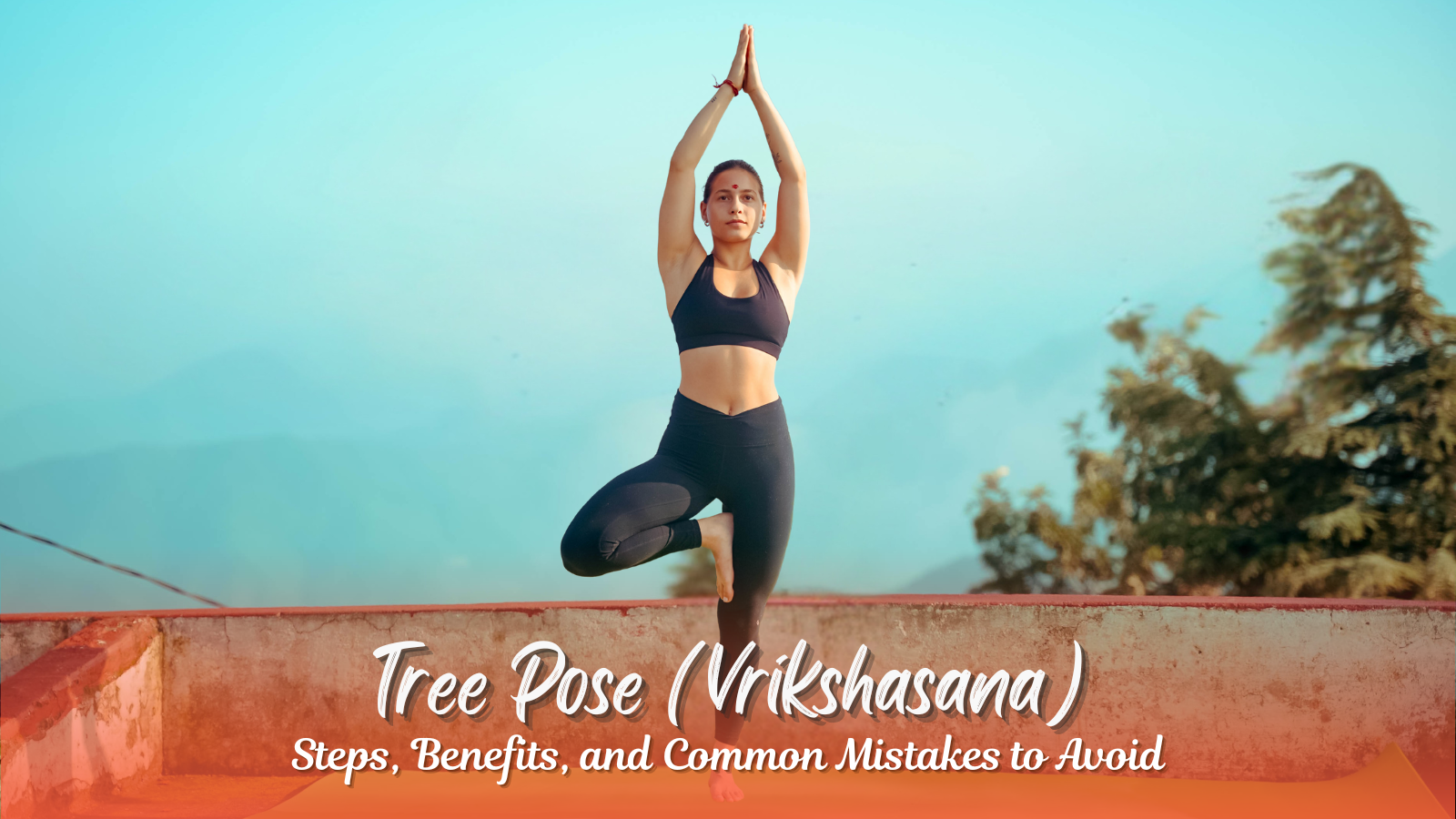
10 Vrikshasana Benefits, Steps & Common Mistakes to Avoid

Introduction to Tree Pose (Vrikshasana)

The yoga posture named Vrikshasana in Sanskrit translates to The Tree Pose while demonstrating both body balance together with mental focus alongside inner stability. This yoga tree pose duplicates the calm posture of woods by asking practitioners to root themselves through one anchoring leg while reaching their torso and limbs towards the sky. The tree pose helps advanced as well as beginning yoga students to achieve better physical alignment and mental clarity and spiritual grounding. Tree pose meaning in yoga is a tree pose an internal rotation.

This detailed instruction thoroughly examines vrikshasana benefits together with a step-by-step tutorial regarding the proper execution and guidance for avoiding typical errors followed by modifications for beginners and experts. Furthermore, this review explores the tree pose through history and body structure as well as its connection to the larger yoga practice, is a tree pose an internal rotation.

Students who learn Tree Pose at this yoga school in Rishikesh will have the opportunity to enroll at a renowned yoga teacher training facility which Rishikesh holds the title of best yoga school in Rishikesh. You can learn about the Vrikshasana tree pose benefits, precautions of vrikshasana, what is vrikshasana and its benefits, contraindications of vrikshasana through the best yoga school in rishikesh.

Vrikshasana Meaning and Symbolism of Tree Pose

In Sanskrit, vrikshasana meaning blends two words which translate to tree and pose. The yoga tree pose features three key aspects: grounding like trees, growth through plant evolution, and the ability to persevere which trees display. Tree pose meaning stability develops through one-legged standing because it mirrors root behaviour and your extended arms become tree-reach branches that is a tree pose an internal rotation. Additionally, tree pose yoga reaches its perfect balance between physical work and effortless relaxation. This defines the practice as moving meditation for Vrikshasana tree pose benefits.

Indian yogic literature from the past views trees as sacred representations of linking elements and their ability to withstand challenges. When practicing Vrikshasana tree pose you gain alignment with the qualities of the tree which creates a balance between your physical self and your mental self and with your surroundings.

One-Handed Tree Pose (Eka Hasta Vrksasana) is an adjusting yoga pose that reinforces legs, further develops the centre, and develops dependability. Along with that, beginning in Mountain Pose, shift your weight to one foot and spot the bottom of the other foot on your inward thigh, calf, or lower leg (keeping away from the knee). Along with that, One-Handed Tree Pose cancarry your hands to petition for heaven’s position at your chest.

For the one-gave variety, broaden one arm above, palm confronting internal. Keep up with balance by drawing in your centre, squeezing your standing foot into the ground, and focusing in on a decent point, that is the practice of one-handed tree pose. Hold for a few breaths and rehash on the opposite side. This posture improves equilibrium, coordination, and mental clearness in practicing the one-handed tree pose.

Step-by-Step Guide to Tree Pose

How to do tree pose, the following detailed instructions enable safe and effective practice of Vrikshasana steps and benefits:

Start in Mountain Pose (Tadasana):

  • Overstand the yoga tree poses while maintaining your feet separated at hip width with toes spread out while your weight stays balanced equally between them.
  • Use quadricep engagement in Vrikshasana tree pose as you pull your navel toward the spine while keeping your shoulders relaxed, see in image of vrikshasana.

Shift Weight to One Leg:

  • Tree pose meaning bring your right foot up to place your right foot sole on your left inner thigh or calf without resting it on your knee. Position the knee below the level of the joint to protect the joint structures.
  • In answering how to do tree pose, the step should be performed by applying full body pressure to the thigh and maintaining resistance against the standing leg to establish stability.

Find Balance:

  • Review a single static point with your eyes to achieve mental control while practicing Vrikshasana tree pose.
  • The core muscles must activate to hold the torso still while maintaining hip position stability in searching for how to do tree pose.

Raise Your Arms:

  • Tree pose meaning creating Anjali Mudra by bringing hands to the centre of your heart offers a stable tree pose variation.
  • As a challenge you can extend your arms above while maintaining relaxed shoulders.

Hold and Breathe:

How to do tree pose and the proper way to practice the breathing technique, look pictures of vrikshasana during this tree pose are discussed below.

  • Your breathing should be through the nose while maintaining this pose between 30 seconds to 1 minute.
  • Perform the movement from beginning to end two times on the other side.

Vrikshasana Contraindications & Modifications for All Levels:

  • Beginning practitioners should position their foot on the ankle when supported by a wall.
  • Among advanced individuals the tree pose variations involve one-handed execution reaching the arm toward the ceiling along with chest rotation.
  • The injured population should do a yoga tree pose in a seated position using a chair while paying attention to the upper-body position.

10 Benefits of Vrikshasana or Benefits of Tree Pose

Tree Pose yoga, vrksasana benefits delivers more advantages than simply maintaining equilibrium, that is a tree pose an internal rotation. The following section provides detailed information about Tree Pose’s rewards which span across physical body systems psychological states and emotional well-being.

The benefits of tree pose are discussed below.

1. Improves Balance and Focus

The lower body muscles including ankles and calves along with the core function in conjunction to maintain equilibrium through tree pose yoga practices. In discussing the benefits of tree pose, scientific evidence demonstrates that performing Vrikshasana Yoga tree pose as a balance exercise improves body awareness in the aging population and minimizes their chances of falling.

2. Strengthens Legs and Core

The standing leg performs continuous work as it develops strength in both the quadriceps and hamstrings as well as glutes. The benefits of tree pose are Core muscles activate while the body remains aligned which leads to enhanced physical strength for conducting regular daily tasks.

3. Enhances Posture

When practiced Vrikshasana realigns the spinal column and expands the chest cavity thereby combating bad posture and forward neck posture. Wearing Vrikshasana protects the cervical and lumbar spinal areas from discomfort.

4. Calms the Mind

The meditative part of balancing practice stops unnecessary mental activity which leads to activation of the parasympathetic nervous system. A reduction of cortisol occurs simultaneously with an improvement in emotional resilience.

5. Prepare for Advanced Poses

Learning different tree pose yoga techniques will help you develop the required stability you need for poses including Eagle Pose (Garudasana) and Dancer Pose (Natarajasana) and inverted poses like Headstand.

6. Boosts Confidence

The procedure of vrikshasana executing a demanding body pose known as Vrikshasana tree pose develops inner confidence which extends to daily life.

Vrikshasana Procedure Benefits and Contraindications

Regular practitioners of yoga tree pose are just as prone to making such mistakes. Two effective steps to improve practice safety along with better results include the following sequence as shown in picture of vrikshasana:

1. Placing the Foot on the Knee

Placing the foot in contact with the standing knee makes the joint unstable and creates a risk of damaging this area. It is always safer to position your foot on the inner thigh rather than the calf.

2. Collapsing the Hip

Your pelvis will become improperly aligned whenever you extend your lifted leg hip outward beyond the normal position. Draw your stomach muscles tight while using your foot to push against your thigh to maintain equal hip positions.

3. Holding Your Breath

Breathing with small chest movements produces nervous tension together with an unbalanced posture. Routine deep and regulated breathing will help your nervous system reach a state of rest.

4. Overarching the Lower Back

The lumbar spine becomes unstable when you extend your ribs forward. The position of the tailbone should be slightly tucked while extending your head through its crown.

5. Locking the Standing Knee

Vrikshasana Precautions, When your knee extends beyond its normal range the joints become under stress. A small bend in your standing leg knee joint will prevent joint injuries.

How to do Vrikshasana, Tree Pose Variations for All Levels

Several unique versions of tree pose in yoga practice will help you adapt the pose. There are several tree pose variations and steps of vrikshasana these are as follows:

1. One-Handed Tree Pose

Stretch your upper arm overhead with your second arm always resting against your chest. A minimal torso rotation allows you to activate obliques while in this pose.

2. Dancing Tree Pose

Move your body lenticularly from side to side or forward and back to achieve the effect of wind blowing through tree branches. The dynamic movement enhances how your body reacts to changes in the balance position.

3. Chair-Assisted Tree Pose

A supportive chair should be placed next to you when standing balance requires additional support. The key focus should be alignment while you transition to using less support from the prop. The best Yoga teacher training school in Rishikesh helps you in your better practice.

4. Closed-Eye Tree Pose

In focusing on tree pose variations or vrikshasana pose, one should close eyes to increase their awareness of proprioception and to sharpen their mental focus. Experienced practitioners especially appreciate this elaborate version of the exercise.

5. Partner Tree Pose

You should use Vrikshasana or brikhasana while facing your partner to support each other through balance exercises and enhanced stretching. You can understand the Vrikshasana tree pose benefits through the 200 hour yoga teacher training school in Rishikesh.

6. Revolved Tree Pose

The spinal twist comes from extending the opposite elbow outside of the lifted knee position. The diversified stance improves body movements together with intestinal digestion.

Anatomy of Tree Pose or Vrikshasana Pose: Muscles and Joints Engaged

Learning the anatomical structure of vrikshasana images or vrikshasana photo teaches students to improve their practice skills.

  • The quadriceps together with the calves and ankle stabilizers receive strengthening benefits when performing this pose.
  • The lifted leg position extends both the adductors of the thighs and the hip flexor muscles.
  • Vrikshasana connects transverse abdominis to obliques along with spinal alignment.
  • Upper Body: Opens the chest (pectorals) and shoulders (deltoids).

Postures that involve the Vrikshasana tree pose activate the vestibular system which boosts your spatial orientation while improving motor coordination.

By understanding the anatomy of Vrikshasana tree pose you can modify your yoga practice. These are as follows:

  • Standing Leg: Reinforces quadriceps, calves, and lower leg stabilizers.
  • Lifted Leg: Stretches the internal thigh (adductors) and hip flexors.
  • Core: Connects with cross-over abdominis and obliques for spinal arrangement.
  • Upper Body: Opens the chest (pectorals) and shoulders (deltoids).

This pose can also stimulate the vestibular system, and also enhance coordination and spatial awareness. You can contact the best yoga school in rishikesh for your better practice.

FAQs About Tree Pose

1. What are the disadvantages of Tree Pose?

The incorrect method of practicing the tree pose leads to ankle and knee strain. Modification should always include foot-knee separation because dangerous situations may occur. People who have severe balance problems along with vertigo should use supports as well as do the pose while seated.

2. How long should I hold a Tree Pose?

Each side of Tree Pose should be maintained between 30 seconds and 1 minute. Advance time spent in this position whenever you notice better balance. During meditation, you should maintain this pose for between three and five minutes while focusing on your breathing.

3. Is Tree Pose good for knees?

Yes, when aligned properly! The joint gets protection from strengthening muscles that surround the knee (quads and hamstrings). The standing knee should move smoothly over the ankle while you avoid stiffening the leg.

4. Why is Tree Pose so hard?

Success in balancing requires your muscles to function correctly while maintaining steady focus together with patience. The tree pose becomes challenging because of restrictions in the hip area combined with unstable ankle joints together with problems in the inner canal of the ear. Practice makes balance easier while Butterfly Pose (Baddha Konasana) along with other hip-opening postures help increase results.

5. Can Tree Pose help with sciatica?

Yes! The carefully controlled hip and gluteal stretching functions to reduce tension in the sciatic nerve. The combination of the Tree Pose in yoga together with Pigeon Pose (Kapotasana) creates the most optimal outcome.

Integrating Tree Pose into Your Yoga Practice

  • Tree pose in yoga suits various yoga sequences because it remains flexible according to different practice needs.
  • The body receives energetic stimulation through the practice of Sun Salutations together with the Morning Routine.
  • Balance Flow consists of Eagle Pose and Warrior III poses designed to create a stable sequence.
  • Use Vrikshasana as a mobile contemplative practice by maintaining attention to your breath and maintaining a state of quietness.

Deepen Your Practice with 200 Hour Yoga Teacher Training in Rishikesh

People who want to learn Vrikshasana and other transformative poses should choose a yoga teacher training school in Rishikesh. Students can find the best yoga school located in Rishikesh where they pursue a combination of ancient knowledge and modern anatomical principles within the tranquil Himalayan setting. The training programs teach alignment guidelines as well as modification techniques and protective philosophy which helps students prepare for teaching classes by enhancing their confidence.

If you want to explore more regarding Yoga and its practices you can visit the webpage of the best Yoga Teacher Training in Rishikesh.

Conclusion

Tree Pose grants more than balance capabilities since it symbolizes personal growth with mental strength and physical equilibrium. Many people achieve total effectiveness of Tree Pose in yoga when they abstain from errors while trying different variations and practicing it regularly. The ultimate Rishikesh yoga school provides students with tools that lead to advancement no matter if their goal is reaching superior alignment practices as a yogi or training for teacher certification.

For more balance in asanas and yoga, you can visit our page for better guidance regarding yoga and its practice.

What Is Ujjayi Breathing

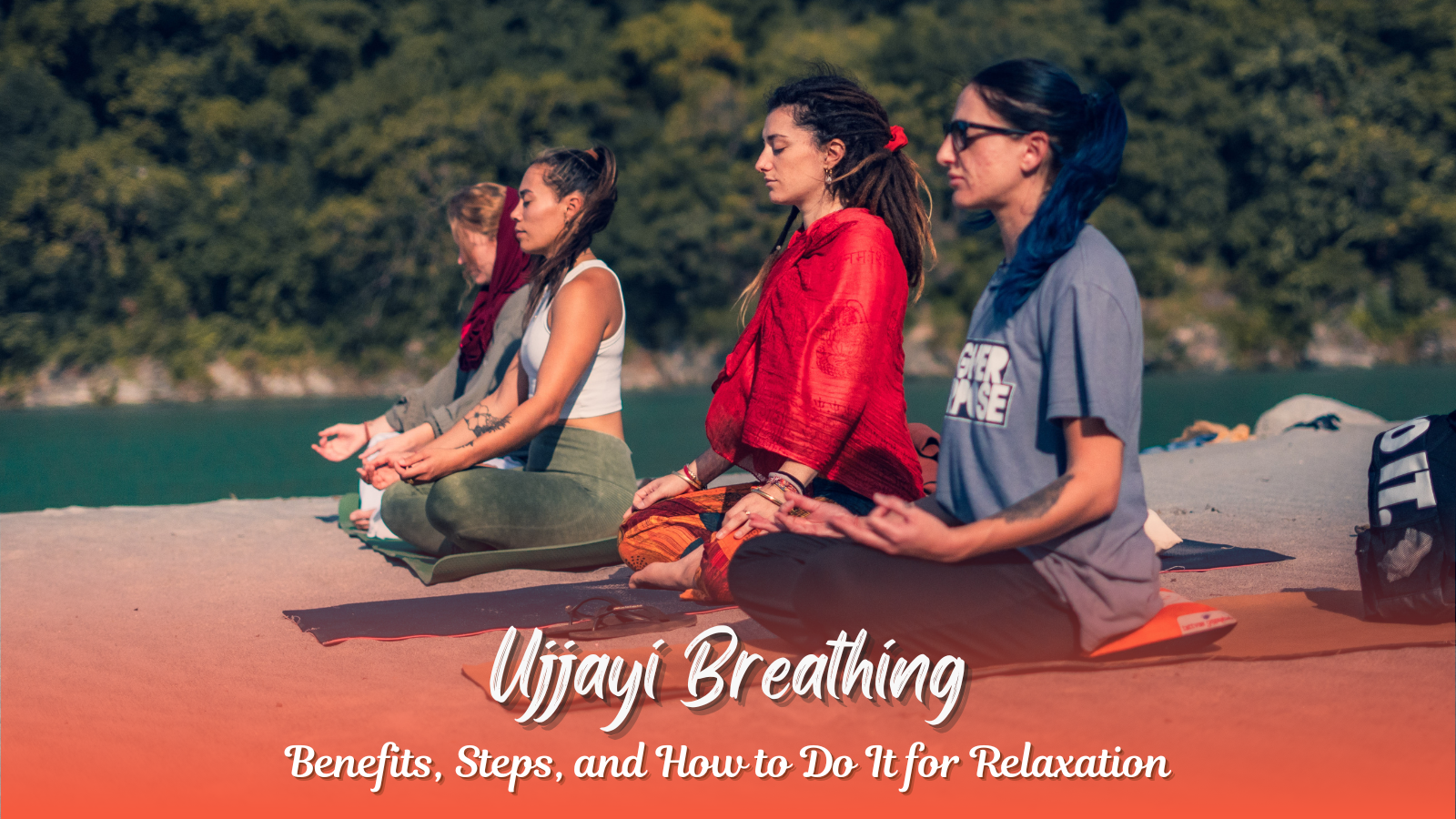
Ujjayi Breathing: 5 Benefits, Steps, and How to Do Use It for Relaxation

Ujjayi Breathing: 5 Benefits, Steps, and How to Do Use It for Relaxation

In yoga practice, Ujjayi Breathing functions as a vital pranayama method because practitioners call it the “Victorious Breath”. During yogic breathing through Ujjayi practice, participants redirect air through their throat to produce a quiet hissing sound.

The practice of Ujjayi breathing stands as an essential fundamental of numerous contemporary yoga styles primarily found within Ashtanga and Vinyasa teachings. Practicing Ujjayi Breathing creates body heat while stabilizing mental clarity along with sharpened focus thus making it an essential practice for the practice room and everyday life. The best yoga school in rishikesh provides great ideas regarding yogic breathing, yoga and breathing techniques, and that is also part of a 200 hour Yoga teacher training course in rishikesh.

The following article presents a complete guide to Ujjayi Breathing which contains educational material about its benefits as well as training details and effective practice recommendations. Subsequently, we examine the scientific basis that supports Ujjayi breathing while clarifying several common queries regarding its usage, and the Yoga teacher training school in Rishikesh can help you to understand all these things.

What Is Ujjayi Breathing and Why Should You Practice It?

Ujjayi Breathing, or “Victorious Breath,” is a controlled breathing technique used in yoga that improves focus, calms the mind, and enhances lung capacity.

During natal Vida Ujjayi generates a subtle throat-restricting noise that people hear while inhaling and exhaling. To understand what is ujjayi, throat constriction measures a hissing noise that is produced whose sound resembles ocean waves and this is very important in maintaining Yogic Breathing.

The Sanskrit word “Ujjayi” holds dual meanings of victory or conquest and “Aham” defines “I”. In Sanskrit “Ujjayi” means “Victorious Breath”. So, it becomes Ujjayi Breathing.

Yoga and breathing techniques, or pranayama definition, are deeply intertwined. In this consequence, the Pranayama definition involves controlling the breath to enhance physical strength and mental well-being. After that, yoga and breathing techniques like Ujjayi, Nadi Shodhana, and Kapalabhati can offer different benefits that help to enhance energy levels while calming the mind.

A yoga teacher training school in Rishikesh can help you to involved in yoga and breathing techniques, and this will help you to get ideas regarding types of yoga breathing, ujjayi pranayama benefits, ujjayi breathing benefits, Ujjayi breath benefits, Ujjayi pranayama steps, Yoga breathing techniques, How to do Ujjayi breathing, what is ujjayi, and benefits of ujjayi pranayama, and more. Our 200 hour yoga teacher training course in rishikesh helps you to manage regular practices and can improve yoga and breathing techniques for individuals with more focus. This will result in reducing stress levels in the body and promoting overall health.

How Does Ujjayi Breathing Work?

As you inhale and exhale through Ujjayi pranayama the back part of your throat feels restricted. This resistance helps to:

  • Increasement of internal heat: The controlled throat opening produces mild airflow hindrance that activates internal body heat generation. Historically, this Yogic Breathing technique has shown advantages for muscle warming and joint fluid expansion and enhanced blood circulation and detoxification processes.
  • Steady the breath: Forward-based breathing with Ujjayi results in controlled breath regulation that produces decreased nervous system activity. Invaluable support is offered by Ujjayi Breathing in order to navigate difficult yoga postures as well as stress management situations.
  • Enhancement of focus: Through its soothing hissing sound Ujjayi Breathing provides mental anchoring that enhances concentration. People get advantages from practicing Ujjayi Breathing for their physical yoga sessions and their non-yoga routine activities like meditation and studying.

Yoga teacher training school in Rishikesh can help you to get all the information regarding the steps and the way of doing Ujjayi pranayama and details about the benefits of Ujjayi pranayama.

How Ujjayi Breathing Helps in Yoga Practice

1. Deepens Your Yoga Flow

Ujjayi breathing synchronizes movement and breath, helping you flow seamlessly in practices like Vinyasa and Ashtanga yoga.

2. Aids in Holding Yoga Poses Longer

By regulating breath and oxygen flow, Ujjayi breathing reduces fatigue, allowing yogis to hold poses for extended durations.

3. Improves Meditation and Pranayama Practices

The rhythmic sound and steady breathing create a meditative state, enhancing focus and mindfulness during meditation sessions.

Ujjayi Breathing Benefits for Mind and Body

Ujjayi Breathing produces benefits embracing a spectrum of physical alongside mental advantages. Some of the key benefits include:

  • Improvement of Cardiovascular Health: Using Ujjayi Breath improves your heart rate variability and helps you lower your blood pressure.
  • Enhancement of Respiratory Function: Through the Ujjayi Breath technique, humans can enhance both lung volume and their ability to process oxygen.
  • Stress Reduction: Through Ujjayi Breath regularization the nervous system lowers its tension along with managing stress.
  • Improvement of Focus and Concentration: Through its soft hissing sound Ujjayi Breathing serves to establish mental clarity as well as enhance concentration abilities.
  • Increasement of Internal Heat: The Ujjayi Breath technique allows people to produce inner heat whereas the warmth helps warm muscles and joints while boosting circulation alongside detoxification.

How to Do Ujjayi Breathing (Step-by-Step Guide) & Ujjayi Breathing for Beginners

Newcomers to Ujjayi Breathing need a bit of practice before learning to master this technique. Here are some tips for beginners:

  • Begin with delicate practice: Practicing Ujjayi Breathing in short sessions is the starting point before stretching your practice time when comfort develops.
  • Focusing on the sensation: Maintain your awareness toward the breath sensation when it moves through your throat.
  • Try not to force it: Avoid forcing constriction and nature should determine the volume of your breath.
  • Daily Practice: A superior control over Ujjayi Breathing can be achieved through a commitment to regular practice. Daily practice sessions of no longer than a few minutes should become your target.

Ujjayi Breathing Technique

  • Find a comfortable seated position: Your spine needs to remain straight while you assume an upright position. Club your legs while seated for meditation or relax on a chair or cushion.
  • Close your eyes tenderly: Slowly close your eyes to reduce distractions entering your field of vision.
  • Start to breathe: Saunter your breath by using your nose only for both inhaling and exhaling deeply.
  • Tighten the back of the throat: When you breathe out through your nose produce a soft hissing sound after gently pinching the back of your throat.
  • Maintaining the constriction: Hold the consistent throat constriction throughout all parts of your breathing cycle from inhalation through exhalation.
  • Continue breathing: Breathe through this mode for multiple minutes.

Tips for mastering Ujjayi Breathing

  • Practice with a mirror: Noticing yourself in a mirror can assist you with picturing and refining the choking toward the rear of your throat.
  • Stand by listening to the sound: Consider your breath and the sound must be delicate and predictable.
  • Practice with a qualified instructor: If conceivable, practice Ujjayi Breathing with a certified yoga educator. They can give customized direction and input.
  • Integrate Ujjayi Breathing into your yoga practice: Ujjayi Breathing is frequently integrated into yoga asanas that is poses.
  • Please work on during meditation: You can also rehearse Ujjayi Breathing during meditation to give your care and unwind.

The Science Behind Ujjayi Breathing

Ujjayi Breathing significantly affects the parasympathetic nervous system, answerable for the “rest and digest” reaction. Moreover, by slowing down the breath and making a delicate obstruction, Ujjayi Breathing assists with initiating the parasympathetic nervous system, advancing relaxation, and reducing stress.

Ujjayi Breathing also enhances oxygen supply to the brain and different organs of the body and this increased oxygenation helps to improve energy levels, boost cognitive function, and increase overall well-being.

When to Practice Ujjayi Breathing

Ujjayi Breathing can be effortlessly integrated into your day-to-day existence. The following are a couple of ways of rehearsing:

  • During your morning routine: Begin your day with a couple of moments of Ujjayi Breathing to quiet the brain and get ready for the day ahead.
  • Before meals: Practice Ujjayi Breathing before meals to help process and lessen pressure and that is the major of the benefits of ujjayi pranayama.
  • During stressful situations: While feeling restless or overpowered, go to Ujjayi Breathing to quiet the brain and restore balance.
  • Before sleep: Practice Ujjayi Breathing before bed to advance unwinding and further develop sleep quality.

FAQS

What is the science behind Ujjayi breathing?

Ujjayi Breathing can activate the parasympathetic nervous system that promotes relaxation and maintains stress levels. Ujjayi breathing benefits in enhancing the activity of cognitive function and manages the brain and other organs strongly along with overall well-being.

How do you breathe the Ujjayi?

To take in Ujjayi, tenderly constrict the back of your throat during both inward breath and exhalation, making a delicate hissing sound. Ujjayi breathing benefits in managing cognitive function while maintaining other organs more stable and stronger. 

What is the mudra for Ujjayi?

There is no particular hand gesture or specific mudra to do Ujjayi breathing and a few specialists might find it supportive to tenderly press the tongue against the top of the mouth while practicing. Ujjayi pranayama benefits and these include reducing stress levels of the body and increasing relaxation with the best cognitive activities.

What is the duration of Ujjayi Pranayama?

The length of Ujjayi pranayama can fluctuate contingent on individual requirements and inclinations. Besides, beginners can begin with a couple of moments of training regarding types of yoga breathing and gradually increase the term as they become more comfortable with yoga and breathing techniques.

Conclusion

Ujjayi Breathing is a basic yet strong pranayama procedure that offers various advantages for both physical and emotional well-being. Moreover, by integrating Ujjayi Breathing into your everyday practice, you can encounter diminished stress, further developed focus, and improved by and large prosperity. The best yoga school in rishikesh can help you to get a better understanding of the pranayama definition, ujjayi pranayama benefits, ujjayi breathing benefits, types of yoga breathing, and benefits of ujjayi pranayama.

Make sure, to begin with the delicate practice of types of yoga breathing and progressively increment the length as you become more comfortable. On the concern that you have any worries or questions, talk with a certified yoga educator. Our 200 hour Yoga teacher training course in rishikesh will also help you to find the best way to find yogic breathing, yoga and breathing technique, ujjayi pranayama, and what is ujjayi.

We think our comprehensive guide about Ujjayi pranayama will be helpful for those who are trying to include their daily routine and manage their yoga schedule as per their time. If you have any questions regarding yoga and pranayama, you can contact us at Gururkul Yogashala, and You can also visit our website to better understand about 200 hour yoga teacher training course in rishikesh, a course of Yoga training and teaching for all.

What Are the 6 Shatkarmas? What Is Shatkarma in Yoga and Types of Shatkarma

What Are the 6 Shatkarmas? What Is Shatkarma in Yoga and Types of Shatkarma

What Are the 6 Shatkarmas? What Is Shatkarma in Yoga and Types of Shatkarma

If you are looking to deepen your understanding of Hatha Yoga, you might have come across the term Shatkarma or Shatkriya. But what is Shatkarma in yoga?

Shatkarma, derived from the Sanskrit words “Shat” (six) and “Karma” (actions), refers to six purification techniques that help cleanse the body, balance energy channels (Nadis), and prepare the mind for higher yogic practices. These techniques are fundamental in Hatha Yoga, focusing on detoxification, improving physical health, and enhancing spiritual well-being.

By performing these Shatkarmas, practitioners can remove toxins, regulate prana (vital energy), and harmonize the three Doshas (Vata, Pitta, and Kapha), according to Ayurveda. This article will provide a comprehensive guide to What is Shatkarma, including its meaning, types, Shatkarma benefits, and practical applications in yogic kriyas class 11 and other levels of yoga practice.

What Is Shatkarma In Yoga? Meaning & Importance

Shatkarma Meaning & Definition

The word Shatkarma literally translates to “six actions,” referring to six cleansing processes that remove toxins and blockages from the body. These practices are outlined in ancient yogic texts such as the Hatha Yoga Pradipika and Gheranda Samhita Shatkarma.

Shatkarmas play a vital role in balancing Ida and Pingala Nadis, ensuring the smooth flow of prana. Hatha Yoga emphasizes purification before engaging in advanced pranayama and meditation, making these techniques essential for a healthy yogic lifestyle.

Why Is Shatkriya Important?

Practicing Shatkarmas regularly can:

✔ Detoxify internal organs and purify the body
✔ Improve digestion, circulation, and respiration
✔ Balance the three doshas (Vata, Pitta, Kapha)
✔ Prepare the body for advanced yoga & meditation
✔ Boost mental clarity and emotional stability

Incorporating Shatkarmas into daily practice helps reduce stress, cleanse energy pathways, and enhance overall well-being.

While there are technically six main shatkarmas, each encompasses a variety of specific practices. This article will focus on the most commonly used and understood practices within each category:

The 6 Shatkarmas and Their Practices

  1. Neti: This shatkarma focuses on cleansing and purifying the nasal passages. The primary practices within Neti are:
    • Jala Neti: Nasal cleansing using water. This involves a special neti pot and saline solution to flush out mucus, pollutants, and allergens from the nasal passages. It’s a common practice in a yogic kriyas class 11 curriculum.
    • Sutra Neti: Cleansing the nasal passages with a thread or a soft rubber catheter. This is a more advanced technique and should only be performed under the guidance of an experienced teacher.
  2. Dhauti:Dhauti shatkarma encompasses a range of cleansing techniques targeting different parts of the body. It’s broadly classified into:
    • Antar Dhauti (Internal Cleansing): Focuses on cleansing the digestive tract. Practices include:
      • Shankhaprakshalana (Varisara Dhauti): Intestinal cleansing using a saline solution and specific movements. Laghoo Shankhaprakshalana is a lighter version.
      • Agnisar Kriya (Vahnisara Dhauti): Activating the digestive fire through abdominal contractions.
      • Kunjal (Vaman Dhauti): Cleansing the stomach by inducing vomiting.
      • Vatsara Dhauti: Intestinal cleansing using air.
    • Sirsha Dhauti (Head Cleansing): Cleansing the head region.
    • Hrid Dhauti (Thoracic Cleansing): Cleansing the thoracic region.
  3. Nauli: This shatkarma involves massaging and strengthening the abdominal organs through specific movements and rotations of the abdominal muscles. It is a powerful technique for improving digestion and stimulating the internal organs.
  4. Basti: Shatkarma basti refers to techniques for cleansing and toning the large intestine. It is considered similar to an enema.
  5. Kapalbhati: Often categorized as a pranayama, kapalbhati shatkarma is a breathing technique that purifies the frontal region of the brain. It involves forceful exhalations followed by passive inhalations.
  6. Trataka: This shatkarma involves intense gazing at a single point or object. It develops concentration and mental focus.

Benefits of Shatkarma

The benefits of shatkarma are extensive, contributing to both physical and mental well-being. These practices can:

  • Purify the body: Shatkarma removes toxins and impurities from the body, improving overall health and vitality.
  • Balance the doshas: These practices help to harmonize the three doshas, preventing and managing various health issues.
  • Improve digestion: Several shatkarma techniques, particularly those within Dhauti and Nauli, enhance digestive function and elimination.
  • Strengthen the respiratory system: Neti and Kapalbhati improve respiratory health by clearing the nasal passages and purifying the frontal brain region.
  • Calm the mind: Trataka and other shatkarma practices promote mental clarity, reduce stress, and enhance concentration.
  • Prepare for higher yoga practices: By purifying the body and mind, shatkarma creates a strong foundation for pranayama and meditation.

Shatkarma in Modern Yoga Schools

Shatkarma in Ayurveda shares the same principles of balancing doshas and promoting health through purification. While some of the specific techniques might differ slightly, the underlying philosophy is consistent. Shatkarma in Tantra also emphasizes the importance of purification for spiritual development. The Gheranda Samhita Shatkarma is a classic text detailing these practices. The difference between Panchakarma and Shatkarma lies in their origin and application. Panchakarma, primarily an Ayurvedic practice, focuses on detoxification and rejuvenation using five therapeutic actions. Shatkarma, rooted in Hatha Yoga, emphasizes six cleansing techniques for internal and external purification, making it a vital practice at the best yoga school in Rishikesh.

FAQs about Shatkarma

1. What Are the 6 Shatkarmas?
The six purification techniques in Hatha Yoga are Neti, Dhauti, Nauli, Basti, Kapalbhati, and Trataka. These cleansing practices help eliminate toxins, balance the Nadis (energy channels), and prepare the body for advanced yoga and meditation. They are essential for maintaining physical health, mental clarity, and energetic balance in the body.

2. What Is Kapalbhati Shatkarma?
Kapalbhati is a powerful breathing technique that detoxifies the respiratory system and stimulates the frontal brain region. It involves rapid, forceful exhalations followed by passive inhalations. Practicing Kapalbhati regularly improves lung capacity, oxygen intake, digestion, and mental alertness, making it a vital part of yogic cleansing techniques.

3. Why Is Shatkriya Important?
Shatkriya (another term for Shatkarma) is important because it removes toxins, clears blockages in the body’s energy channels, strengthens the immune system, and enhances overall well-being. These practices also help balance the three Doshas (Vata, Pitta, and Kapha), ensuring that the body functions optimally. Additionally, Shatkriya prepares the body for deep pranayama and meditation.

4. How Does Shatkarma Help Us to Live a Healthy Life?
Shatkarma contributes to a healthier life by cleansing the digestive system, improving respiratory health, and enhancing blood circulation. It strengthens the immune system, boosts mental clarity, and increases energy levels. Regular practice of Shatkarma helps reduce stress, prevent illnesses, and improve focus and emotional stability, supporting a holistic and balanced lifestyle.

5. Can Anyone Practice Shatkarma?
While some Shatkarmas like Neti and Kapalbhati can be practiced by beginners, others, such as Dhauti, Nauli, and Basti, require proper guidance from a trained yoga instructor. Incorrect practice may cause discomfort or health issues. It is always recommended to learn Shatkarma under expert supervision, especially for deep cleansing techniques.

Conclusion

Shatkarma is a fundamental part of Hatha Yoga, offering physical, mental, and spiritual benefits. Whether you are a yoga practitioner or someone seeking holistic well-being, understanding and incorporating these six purification techniques can enhance your overall health and energy balance.

For structured learning, enrolling in a 200 Hour Yoga Teacher Training in Rishikesh can provide the expert guidance needed to practice Shatkarmas safely and effectively.

Nadi Shodhana Pranayama

What Is Nadi Shodhana Pranayama? A Complete Beginner’s Guide

What Is Nadi Shodhana Pranayama?

Nadi Shodhana Pranayama is known as “Alternate Nostril Breathing”, a fundamental technique for doing pranayama in yoga. This engages the rhythmic breathing by every nostril alternately and this helps to balance the flow of prana that is “life force energy” within the body. Meaning of Nadi Shodhana Pranayama is a yogic breathing method that includes substituting the breath between the nostrils. The term ‘Nadi’ alludes to the unobtrusive energy directed in the body, ‘Shodhana’ signifies purification, and ‘Pranayama’ means breath control.

Nadi shodhana pranayama benefits physical, mental, and emotional well-being. In this exhaustive guide, we will dive into the essence of Nadi Shodhana Pranayama benefits, investigate its various advantages, and give a step-by-step guide on the most proficient method to play out this simple yet strong technique.

Meaning of Nadi Shodhana Pranayama

  • Nadi indicates the pathways or channels in the subtle energy body.
  • Shodhana implies cleansing or purification.
  • Pranayama maintains regulation and control of breathing

Hence, Nadi Shodhana Pranayama is known as the “purification of the energy channels through breath control”. You can know the meaning of Nadi Shodhana Pranayama by doing better practices through 500 Hour Yoga Teacher Training in Rishikesh.

Purpose of Nadi Shodhana Pranayama

Nadi Shodhana Pranayama’s benefits are as follows:

  • Balancing the nervous system: The meaning of nadi shodhana pranayama is directing the progression of prana through the Ida (left) and Pingala (right) nadi, it assists with blending the sympathetic and parasympathetic nervous systems. This can lessen stress, anxiety, and improve on general profound strength.
  • Calm the mind: The rhythmic breathing example instigates a state of deep relaxation and serenity, calming the mind’s relentless prattle.
  • Develop focus and concentration: Nadi shodhana pranayama steps are helpful to increase mental stability and reduce mental damage, nadi shodhana would effectively enhance concentration and focus.
  • Increase sleep quality: By calming the sensory system and reducing stress, it can assist with further developing sleep quality and mitigate a sleeping disorder.
  • Develop energy level: While promoting relaxation, it likewise stimulates the body and psyche, leaving you feeling invigorated and revived, and how to do nadi shodhana pranayama gives you proper management of your body.
  • Maintain Respiratory health: Regular practice can assist with further developing lung capability, and reduce respiratory issues like asthma and sensitivities.
  • Increase overall well-being: By adjusting the energy flow within the body, Nadi Shodhana advances a feeling of overall well-being, physical and mental harmony.

500 Hour Yoga Teacher Training in Rishikesh can teach you how to do nadi shodhana pranayama, and for this, you can contact Gurukul, Yogpeeth Rishikesh. Moreover, if you are exploring Nadi Shodhana Pranayama, you might also find our detailed guide on Pranayama insightful. Besides, it covers the fundamentals of breath control and its profound impact on mind and body.

How to perform Nadi Shodhana Pranayama

Nadi shodhana pranayama’s steps are discussed below in a proper way.

Step 1: Finding a comfortable seat

  • Sit serenely in a cross-legged position (Sukhasana) or whatever another stance that is considered a straight spine.
  • Delicately shut your eyes and bring your attention to your breath.

Step 2: Arrange your right hand

  • Tenderly twist the file and centre fingers of your right hand towards your palm.
  • Expand your thumb, ring finger, and little finger.

Step 3: Closing of right nostril

  • Gently press your right thumb against the right half of your nose to close the right nostril.

Step 4: Inhale through the left nostril

  • Inhale deeply and slowly through the left nostril

Step 5: Closing the left nostril

  • Gently press your ring finger against the passed-side of your nose to close the left nostril.

Step 6: Exhale through right nostril

  • Exhale completely and slowly through the right nostril

Step 7: Inhale through right nostril

  • Inhale slowly and deeply through the right nostril

Step 8: Close the right nostril

  • Delicately press your right thumb against the right half of your nose to close the right nostril.

Step 9: Exhale through the left nostril

  • Exhale slowly and deeply through left nostril

Step 10: Repeat

  • Proceed with this pattern of breathing in and breathing out through every nostril on the other hand for 5-10 minutes or according to your solace level.

A detailed step by step guideline can make you more comfortable about practicing Nadi Shodhana Pranayama through 500 Hour Yoga Teacher Training in Rishikesh.

Tips for Beginners

In understanding the meaning of nadi shodhana pranayama, you have to gain a clear idea regarding yoga and pranayama. Those who are beginners and starting to learn how to do nadi shodhana pranayama can contact us for step by step guidance.

  • Start with a few rounds:  Start with 3-5 rounds and bit by bit increment the number of rounds as you become more agreeable.
  • Focus on the breath: Focus on the impression of the breath as it streams all through your nose to learn how to do nadi shodhana pranayama.
  • Maintain a steady rhythm: Attempt to keep a smooth and even musicality all through the training.
  • Be patient and gentle: Don’t drive your breath. Practice with tolerance and delicacy.
  • Practice regularly: For greatest advantages, practice Nadi Shodhana Pranayama consistently, preferably two times every day, morning and night.

You can get the best instructions from the Yoga School in Rishikesh through 500 Hour Yoga Teacher Training in Rishikesh.

Nadi Shodhana Pranayama benefits

  • Diminishes pressure and tension
  • Further develops concentration and fixation
  • Calms the psyche
  • Further develops rest quality
  • Supports energy levels
  • Upgrades generally speaking prosperity
  • Enhances respiratory wellbeing

Nadi Shodhana Pranayama Steps

  • Track down an agreeable seat.
  • Set up your right hand.
  • Close the right nostril.
  • Breathe in through the left nostril.
  • Close the left nostril.
  • Breathe out through the right nostril.
  • Breathe in through the right nostril.
  • Close the right nostril.
  • Breathe out through the left nostril.
  • Repeat

When should we avoid Nadi Shodhana?

  • During menstruation: Vigorous pranayama practices should be avoided as per our recommendation.
  • During illness: If you are encountering any intense disease, it is ideal to talk with a certified yoga educator before rehearsing.
  • After heavy meals: After a heavy meal, practicing needs to be avoided immediately.

FAQs

1. What is the difference between Nadi Shodhana and Anulom Vilom?

Nadi Shodhana and Anulom Vilom are frequently utilized reciprocally, and their strategies are basically the same. In any case, a few subtle contrasts exist:

  • Focus: The cleansing of the energy channels is pointed up by Nadi Shodhana, while Anulom Vilom centers around adjusting the Ida and Pingala Nadi.
  • Rhythm: Anulom Vilom might include a somewhat unique rhythm, with a more drawn-out maintenance of breath (kumbhaka) among inhalations and exhalations.

2. What is Nadi Shodhana Pranayama good for?

  • Nadi Shodhana has importance for:
  • Reduction of stress and anxiety
  • Improvement of focus and concentration
  • Calming the mind
  • Improvement of sleep quality
  • Increasing energy levels
  • Development of respiratory health
  • Increasing overall well-being

3. Is nadi shuddhi and Nadi Shodhana same?

Yes, nadi shuddhi and Nadi Shodhana are generally the same pranayama technique.

4. When should we avoid Nadi Shodhana?

  • During menstruation
  • During illness
  • After heavy meals

Conclusion

Nadi Shodhana Pranayama is a simple yet significant practice that can effectively affect your general prosperity. By integrating this procedure into your day to day practice, you can participate in a more profound feeling of quiet, clarity, and balance.

Nadi Shodhana Pranayama steps make sure to rehearse with persistence and consistency, and give attention to your body. In the event that you have any worries or underlying medical issues, talk with a certified yoga teacher or medical services proficient prior to starting any new yoga practice.

In the event that you are keen on developing comprehension you might interpret yoga and pranayama, enrolling in a 500-Hour Yoga Teacher Training program in Rishikesh, India can be considered. Rishikesh is prestigious as the “Yoga Capital of the World” and an extensive variety of excellent educator preparation programs are seen in Rishikesh.

In-depth knowledge of yoga philosophy, anatomy, physiology, pranayama, meditation, and teaching methodologies can be gained by completing a 500-Hour Yoga Teacher Training Program in Rishikesh.

This comprehensive guide which has been provided with you gives you valuable insights into Nadi Shodhana Pranayama. In such circumstances, by incorporating this simple yet powerful technique into your daily practice, you can start your journey through Yoga School in Rishikesh blended with inner peace and harmony. Yoga School in Rishikesh helps you in your journey.

knee to chest stretch

Knee to Chest Stretch for Lower Back Pain Relief

Knee to Chest Stretch for Lower Back Pain Relief


Have you ever felt pain in your lower back leading to stress when bending down and lifting heavy? While worry is not this is a common issue that the majority of the people face. Be it because of lifting heavy at home or the gym. There are many cases when just lifting a bucket full of water causes pain. However, people are concerned about getting relief from it even after spending time with physio or taking regular medication. 

So, to help every individual struggling with back pain, we are going to share the best knee-to-chest stretch for pain relief. But before that, it is important to understand why the pain occurs and what are the steps to avoid it in the first place. 

Why does back pain occur?

Back pain is one of the most common health issues that hinders day-to-day activities. While at the starting stages, it can be prevented from serious issues and surgeries. However, to assess that, every individual needs to know why it occurs. 

  • Muscle strain– Repeated weight lifting in bad posture could strain muscles and spinal ligaments. Even people who struggle with poor physical condition and constant pain in the back can also find it difficult with muscle spasms-like issues. 
  • Ruptured discs– Another major cause of back pain is ruptured or bulged disks. The spine has disks as a cushion between the bones. The disk could rupture with constant pressure and affect the nerves flowing through the spine, leading to back pain issues. X-rays, CT scans, or MRIs are done to find out about disk diseases. 
  • Other health issues– Other health issues can lead to back pain. The list of diseases includes arthritis, osteoporosis, and Ankylosing Spondylitis. 

Apart from health issues, many factors can lead to back pain issues. 

  • Age- After a certain age, the human bone tends to lose its density, causing weakness. Along with aging invites other signs of health issues like back pain. 
  • Improper physical health– Minimal workouts or exercise can lead to stiffness in muscles causing pain. 
  • Excess weight– Another common cause of pain, as with excess weight, the human body strains more to maintain the right posture. Which eventually leads to back pain. 
  • Improper lifting of weight– When a load of weight affects the natural posture of the body, it can affect the posture and, in the later stages, cause pain in joints and back.

Even though this is a common issue nowadays, people are still unaware of the best practices for back pain relief. One of the best techniques that any individual irrespective of age and medical condition can adopt is the knee-to-chest stretch. Following the blog, you will understand how this stretch can be beneficial, along with the correct technique to perform for back pain relief. 

Benefits of the knee to chest stretch 

In general, stretching has many benefits, including improved range of motion, injury prevention, better circulation of blood, improved balance, elimination of pain, and many others. But specifically for back pain relief, knee-to-chest stretching can do wonders. People who struggle with pain can easily adapt to practice into a day-to-day lifestyle and can observe benefits within a few days of regular practice. However, some notable knee-to-chest stretch benefits are listed below. 

  • Flexibility in the muscles near the lower back– All the activities in the day-to-day lifestyle involve bending or lifting some amount of weight. It is important to have the necessary flexibility in the muscles to make the task feel seamless and not fatigued. With regular practice of knee-to-chest stretch, individuals can easily improve flexibility. 
  • Improved core strength– Along with circulation, flexibility, and pain relief, the stretch can also help in building core strength. 
  • Relaxation in mind and body– The flow of stretching involves deep breaths. With that, not only the concentration on the muscles is improved, but stress is also reduced by offering an adequate amount of oxygen to the mind. 

Not that everything associated with back pain and the benefits of the stretch is shared. Now let’s jump into the process of performing the stretch along with the variation. 

How to perform knee to chest stretch while sitting

Follow the steps mentioned below to perform the stretch for maximum effect. 

  • Sit on a chair with flat feet on the ground. Place your hands under the thigh. 
  • Using arm force, pull your knee towards your chest slowly. 
  • After reaching the maximum, hold for a few seconds while taking in deep breaths. 
  • After that, slowly move down the knee to the starting position. 


This is an effective method for people who struggle to lie down on the floor or have some other issue. However, with this one single knee-to-chest stretch can be done. For double knee-to-chest stretch, follow the second method shared below. 

Double knee-to-chest stretch 

  • Lie down on a flat surface on your back. Take a few deep breaths before starting the stretch. 
  • Bring your knees with the support of your arm towards your chest. You will feel a nice stretch in your hips, hamstring, and lower back. 
  • Stay at the final position of stretch for a few seconds while concentrating on your breath. 
  • After that, slowly get to the neutral position.

The knees to chest yoga pose can be performed with the single or double knee as per the preference of the practitioner. However, it is important to follow the rhythm and slowly perform the stretch for maximum benefits. 

Where can individuals learn the best practices for a healthy lifestyle?

Rishikesh, being the yoga capital of the world, offers one of the purest and most authentic learning experiences. With a history of centuries, even Hindu Mythological gods practice yoga in Rishikesh. It is the best place to learn and start your healthy lifestyle. 


However, with the increasing access to the internet, there are many options available for learners. Now, to experience authentic learning, individuals will have to look for the services and the curriculum that offer a complete learning experience. We at Gurukul Yogashala aim to continue the learning lineage of our ancestors through the course. And students who wish to start their learning journey can start with the 100-hour yoga teacher training course. 

While going ahead, the level and knowledge will increase as, after 100 hours, students can take 300-hour and 200-hour yoga teacher training in Rishikesh. With complete learning experience of different styles, hands-on experience, kriyas, sattvic diet, and other things. The courses at Gurukul offer the best experience. 

FAQ’s

What does bringing your knees to your chest do?

Knee-to-chest stretch is a great movement for back pain relief. Other than that, it helps strengthen the hips, hamstrings, and other lower back muscles. 

Who should not do knee-to-chest exercises?

There is no restriction for anyone to perform this stretch. However, for safety, people who are struggling with severe back pain or have recently had surgery or an operation can avoid practicing this stretch. 

What muscles are stretched when you pull your knees to your chest?

Hips, hamstring, and lower back muscles are stretched during the knee-to-chest stretch. 

Is knee to chest stretch for sciatica?

The knee-to-chest stretch can be beneficial for patients who are suffering from sciatica as the stretch will help in pain relief while improving overall flexibility and strength. 

Concluding knee to chest stretch for back pain relief

After reading the blog, we hope every individual suffering from back pain will understand the root causes, preventions, and the best stretch for pain relief. Knee-to-chest stretch is a basic movement that will help reduce pain while offering many other benefits, like increased stability, flexibility, and more. 

Even for advanced learning, there are dedicated courses that cater to the needs of individuals in delivering all the essential and authentic knowledge from ancient times. The 300-hour yoga teacher training course, being the most advanced one, offers a complete learning curve for students. We hope that you found this blog helpful if there is anything that we have missed or you wish to ask. Please feel free to drop a comment below.