Yoga Teacher Training Course in Rishikesh India | Gurukul Yogashala

What Nobody Tells You Before Joining a Yoga Teacher Training Course

You’ve done your homework, looked through the yoga schools’ websites, watched some Instagram videos about them, and even had a good talk with yourself about whether this is the appropriate moment. You think you have an idea about what your experience will be like.

The reality is that the majority of all people who complete a yoga teacher training program will all tell you the same thing after finishing their training. “I didn’t realise it would be this way.”

Not in a bad way, rather, in an extremely good way; honest, occasionally uncomfortable and ultimately, life-changing. Here are a few items that you may have heard very little about prior to beginning your training. 

1. You’ll Learn More About Yourself Than About Yoga

While of course you will learn postures, breath control, body function and yoga philosophy, quietly, each of the above also has some other personal aspect which will occur at the same time — resurfacing. Old Patterns will arise, things that you have been avoiding will demand your attention; the peace and the silence that come from being in an ashram will help everything that has been hidden come back to the surface. 

This isn’t a warning; this is one of the most tremendous opportunities you will experience while you are participating in training. However, it may be helpful for you to be mindful of this prior to entering into training. 

2. The Yoga Teacher Training Schedule Is Intense, and That’s the Point

You will have early morning practices, theory lessons, pranayama, and evening meditation. Initially, this may seem overwhelming due to bodily changes and adjustments. The schedule’s layout is on purpose. The use of routine is one of the oldest tools of the yogic tradition, and will ultimately help you transition into thriving through your second week of Teacher Training.

Yoga Teacher Training in Rishikesh is an immersion experience beyond just simple classes; it is a full-time practising lifestyle. 

3. You Don’t Need to Be an Advanced Practitioner

Let me be clear: Many people wait to join because they think they are “not ready.” BothThe 100 hour yoga teacher training in Rishikesh is built for those new to yoga and therefore will offer the most basic yet thorough introduction to asanas, breathing, and philosophy. The 200-hour yoga teacher training in Rishikesh is the most popular global program and has absolutely no prior certification requirements. Simply show up and learn. Simple as that.

4. The Friendships You Make Are Unexpectedly Deep

You immediately develop deep connections with your peers after participating in the program because of the shared experiences of early mornings, having meals together, and sharing your feelings. Students come from all over the world and have diverse life experiences; however, by the end of the program, they frequently refer to their classmates as their most important relationships. Many students will continue to keep in touch long after the end of the program.

5. Philosophy Will Surprise You

Most people expect to improve their flexibility in yoga class, and some people (fewer) expect to fall in love with the Yoga Sutras of Patanjali while becoming inspired by a lecture about the Bhagavad Gita. The philosophy classes taught at the best Yoga Schools in Rishikesh are less about textbook theory and more about living wisdom shared by teachers who have actualised these principles for decades. 

6. You’ll Probably Hit a Wall — and That’s Normal

After around seven or eight days, many students experience a difficult time adjusting to their new routine. The excitement of being in a new place is no longer present, fatigue is beginning to take its toll, and individuals are starting to emotionally process their experiences. Teachers commonly refer to this stage of the program as crisis week, which denotes an opportunity for positive change. If you persevere through the challenges and reach the other side, you’ll likely find that you’re going to experience the best and most profound part of your training. 

7. Not Everyone Comes to Become a Teacher

A large number of participants coming to Rishikesh to take one of the 300-hour yoga teacher training in Rishikesh or the 500-hour yoga teacher training in Rishikesh have no intention of teaching professionally. Many of them want personal growth or to enhance their own practice; some of them want to finally permit themselves to develop their inner selves. Each of these motives is completely legitimate, and all of them will be satisfied by the program. 

8. The Location Does More Work Than You Think

Recognised by many of the most dedicated yogis from all over the world, Rishikesh is known for its sacred river and the calming sound of temple bells in the morning; it is also home to the majestic Himalayas, which in clear weather rise majestically above the city. The venue itself adds to the learning experience. You can study yoga anywhere in the world, but you will have a more profound experience in Rishikesh. 

9. You’ll Leave Knowing How Much More There Is to Learn

Completing a quality teacher training course does not leave one with a feeling of accomplishment, but rather opens a door to a long, beautiful, endless hallway filled with lots of opportunities. Finishing the teacher training program leaves most participants with a desire to continue learning; they want to continue practising and to learn more about the philosophy of yoga. 

10. It Will Change Your Relationship with Your Daily Life

The way you breathe. The way you eat. The way you move through stress and discomfort. The things you notice. All of it shifts. Not dramatically, not overnight — but gradually and permanently.

Where You Learn Shapes What You Learn

Each quality of a great yoga school contributes to both the environment and the experience of each student. One of the most traditional yoga schools in Rishikesh, Gurukul Yogashala, has been training students in the spiritual centre of Rishikesh for more than a decade.

With more than 1500 student graduates and a 4.7 average rating, Gurukul Yogashala is able to provide quality teacher training programs, which are supported by Yoga Alliance certification, in traditional, authentic Himalayan yoga. The school philosophy, “you become who you believe you are”, is evidenced through the transformational experiences of each student and exceeded only by the quality and experience of the school’s faculty.

Whether you are doing the 100-hour yoga teacher training in Rishikesh or the 500-hour program, the real learning will take place in the moments between the classes, such as when sharing sattvic food, within the stillness of your early morning practice, and in the moments of stillness by the river.

Yoga Teacher Training in Rishikesh at Gurukul Yogashala is not just about the completion of the course, but also about the experience of the process of transformation that will occur within you.

Frequently Asked Questions (FAQs)

Q1. Is prior yoga experience required to join a TTC at Gurukul Yogashala? 

There are no prerequisites for the 100-hour and 200-hour yoga teacher training courses in Rishikesh; anyone can participate with no prior experience and start their yogic journey! However, to participate in the 300-hour teacher training course in Rishikesh, you must possess a prior 200-hour certificate. While a good physical condition and some experience will benefit you when participating in the 500-Hour yoga teacher training course in Rishikesh, neither is required. 

Q2. What is the difference between the 100, 200, 300, and 500-hour programs? 

The 100-hour YTTC is an introductory course for persons who are new to a structured yoga teaching environment (offered over the course of 12 days). The 200-hour YTTC is the standard course for anyone who has completed the 100 Hour course to become a certified yoga instructor (offered over the course of 22 days). The 300-hour YTTC is designed for those who have already completed their 200-Hour yoga teacher training (offered over the course of 28 days). The 500-hour YTTC is the most comprehensive yoga teacher training program available over an extended duration (50 days). 

Q3. Will my certificate be recognised internationally? 

Yes, with a Registered Yoga School (RYS) designation from Yoga Alliance USA (the largest non-profit yoga certification organisation in the world), you can obtain registration as a Registered Yoga Teacher (RYT) upon completion of your Gurukul Yoga teacher training course. This certification will enable you to become certified to teach at any qualified yoga studio, wellness centre, or yoga teacher training programme worldwide. 

Q4. What does a typical day look like during training? 

A normal day starts with meditation and yoga before the sun rises, having a meal, going to class, and learning about everything, having lunch, having free time, going to class, and studying pranayama or yoga, then having dinner, and often attending a Satsang class (chanting and discussing) to help create an experience of their own. After the first few days, this daily practice becomes nourishing to the student. 

Q5. Why choose Gurukul Yogashala over other schools? 

Gurukul Yogashala is one of the best Yoga Schools in Rishikesh, because of the fact that it is a very traditional yoga school, and therefore, has instructors with an extensive history in the Himalayan mountains. The group sizes are small enough that each student can receive enough attention from the teacher to make a meaningful difference in their practice. Gurukul provides all of this in a comfortable place to stay and eat good, organic, vegetarian food (sattvic). The school combines a true spiritual foundation with an internationally recognised certification program. Therefore, Gurukul is a yoga school that develops the individual as a whole person instead of just as a yogi.

Sound Healing Teacher Training in Rishikesh | Sound Healing TTC Rishikesh | Gurukul Yogashala

Top Benefits of Sound Healing Teacher Training for Yoga Teachers & Wellness Coaches

Are you in a yoga class and ever feel like there is something missing in your practice; a deeper level of healing that the postures won’t reach? Many others have felt this way and are starting to recognize sound healing as being the missing bridge between the physical body (asanas or movement) and deep inner transformation.

If you are a yoga instructor or a holistic wellness service provider, and would like to add this powerful practice into your tool kit, you may want to consider taking sound healing teacher training in Rishikesh

Below are seven reasons why this opportunity may be one of the most rewarding and life changing decisions you will make for yourself and your career. 

What Is Sound Healing, and Why Does It Work?

Sound healing is a method of therapy well known as far back as ancient times, using different kinds of vibrating tools, such as Tibetan singing bowls, gongs, tingsha bells, and human voices, in order to promote healing by restoring balance to the body and mind. Everything in the universe vibrates at a particular frequency, and the basis of sound healing is this understanding; when we experience stress, illness, or trauma (whether emotional or physical), these vibrations get disrupted, and sound helps restore these vibrations back into harmony.

There are many scientific studies that support the idea that there is truth to this philosophy. For example, one study from the Journal of Evidence-Based Integrative Medicine published in 2016 showed that participants who used Tibetan singing bowl meditation showed significant reductions in their levels of tension, anxiety, and negative moods, along with improvements to their overall spiritual well-being. The National Institutes of Health conducted another study showing that low-frequency sound frequencies can help produce changes in brain state activity, from beta (active, stressed) and into alpha and theta brainwave states (relaxed, meditative), which is exactly what we need for deep healing.

For both yoga instructors and wellness coaches, this science provides a powerful opportunity for their students as it indicates that anything they do for their students goes well beyond the act of stretching. It will also create real change in your student’s autonomic nervous system.

Top Benefits of Sound Healing Teacher Training

1. Deepen Your Own Practice First

To be an effective teacher to others; you must first experience healing for yourself. Sound healing training consists of numerous hours spent in an immersive hand-on experience with sound baths, chakra balancing and deep meditations. Most sound healing practitioners describe their experience of attending this type of training as one of the most profound reset button experiences they’ve ever had! Once you have a well-regulated nervous system as an instructor, your teaching will naturally flow from an intuitive, grounded and compassionate place. 

2. Add a Powerful New Modality to Your Classes

Wellness seekers today want more than just a physical workout; they come to the yoga/wellness class carrying stress, grief, trauma and work burnout with them. Sound Healing gives you a proven, gentle, non-invasive way to address both issues, Sound Healing can be creatively integrated as a tool in a number of ways, such as: adding a singing bowl at the beginning of class, to settle the students’ mind; to weaving the sound bowl during savasana, to creating stand-alone sound bath events/experiences. This will enhance your offerings and will set you apart in the rapidly growing wellness/health industry. 

3. Understand the Chakra System on a Whole New Level

As a yoga instructor, you have probably learned about the chakra system on a conceptual level through asana and pranayama. Sound Healing takes those concepts to a new level by connecting each chakra to a different frequency and instrument (i.e. singing bowls) and creating a tangible way to help students work on their energy body. Therefore, if a student comes to you with a heart-related emotional block, you will be able to recommend specific sound frequencies, bowls and techniques to assist them in their healing process. Having this deeper understanding of the chakra system will transform the way you teach and the way you communicate with your students. 

4. Help Students Manage Stress and Anxiety — With Evidence Behind You

Stress and anxiety remain two of the most significant reasons why people seek out yoga and other wellness practitioners in our current climate. An article published in the journal titled “Music therapy for stress reduction: a systematic review and meta-analysis” has revealed that sound therapy is a way to activate the parasympathetic nervous system, which will put you into a state of rest and digest, reducing heart rate, cortisol levels, and calming your mind with scientifically-supported methods when seeking relief from the stresses of living in modern society. Having a sound healing certification means you’ll be able to provide your students with research-supported ways to cope with today’s stressors. 

5. Expand Your Career and Income Opportunities

The global wellness market is worth approximately $5.6 trillion per year and sound healing is one of the fastest-growing Wellness industry sectors. Sound Healing Certification allows Certified Sound Healers to be employed in yoga studios, wellness retreats, corporate wellness programs, hospitals, rehabilitation centres and private practices, making this an extremely lucrative profession. By adding sound healing to your resume, you can host private sessions, group sound baths, incorporate sound healing into workshops or retreat programs, and provide online courses — opening up multiple income potentials. Additionally, your current audience will trust you and look for additional ways to work with you through sound healing. 

6. Strengthen Your Emotional Intelligence as a Teacher

While being technically proficient is important, having emotional intelligence is equally crucial when conducting yoga and coaching sessions. The sound healing training prepares teachers to hold space for students during such events, to assist with emotional releases in class or with students, and to help guide them through their journey of mental, physical, and spiritual experiences. These skills will contribute to your effectiveness as a teacher no matter the environment. 

7. Connect with Ancient Wisdom in Its Birthplace

When sages wrote the Sanskrit verse “Sangeetam Paramanandham” (music is the ultimate bliss), thousands of years ago they were well aware, through experience, that sound is a form of healing. Learning a sound healing course in Rishikesh, which is located on the banks of the Ganga River and has a lot of Himalayan energy, provides you with the opportunity to internalise some of the ancient knowledge of sound healing in the purest environment. The place in which you train is part of your overall training experience. 

Why Choose Gurukul Yogashala for Sound Healing Training?

At Gurukul Yogashala, one of the best yoga schools in Rishikesh, India, the sound healing teacher training in Rishikesh is structured across three progressive levels.

You will receive hands-on training with various Sound Healing Tools: Tibetan Singing Bowls, Tingshas, Gongs and Pyramid Bowls. You will complete your training with a certificate demonstrating your proficiency and the ability to independently provide Certified Sound Healing Facilitator sessions. The 7-Day Sound Healing training will include all three levels of sound healing training; you will be trained by established practitioners supported by a daily menu of Natural, Organic (Sattvic) meals, and comfortable accommodation located on the banks of the Ganga River; your healing will take place within the same time frame as your training.

If you wish to enhance your practice as a Yoga Teacher, we also offer a 100 Hour Yoga Teacher Training course in Rishikesh, 200 Hour yoga teacher training course in Rishikesh, 300 Hour yoga teacher training course in Rishikesh and 500 hour yoga teacher training in Rishikesh and you may combine both your Yoga and Sound Healing Certifications during this journey.

Bottom Line

The use of sound healing is not some passing trend. Sound has been used as an amazing healing tool for thousands of years, and the time has come for it to be treated as an ancient “science”. For yoga teachers and wellness coaches who want to serve their students more deeply, expand their professional skills, and step into a truly holistic practice, sound healing teacher training in India offers an extraordinary opportunity.

Gurukul Yogashala is rooted in the Vedic tradition and teaches this beautiful healing method from experienced instructors that give you both the knowledge and hands-on experience to carry this work forward.

Your voice, your touch, your intention — amplified by sound.

Frequently Asked Questions (FAQs)

Q1. Do I need prior experience in yoga or music to join a sound healing teacher training? 

There is no requirement for either musical or yoga experience to attend a sound healing teacher training. This is an OPEN training to everyone; whether you are a yoga teacher, wellness coach, therapist, or a beginner exploring your curiosity with sound healing. The techniques are taught from the ground up, and any individual that feels a calling to study this will be able to learn how to work with and use the instruments as well as facilitate sessions. 

Q2. How is sound healing different from a regular meditation class? 

In regular meditation classes, you make use of the breath or mental focus in order to quiet your mind. In sound healing, the vibrations from the various instruments will do most of the work for you. The frequencies that create sound from the instruments will entrain your brainwave patterns into states of relaxation and meditation. Consequently, sound healing is an excellent choice for persons who have trouble with conventional forms of silent meditation or who are dealing with high levels of tension and emotional traumas that are trapped inside their bodies. 

Q3. Can I combine sound healing training with yoga teacher training in Rishikesh? 

Definitely. Many participants end up doing their sound healing yoga teacher training in Rishikesh with the 200-hour or 300-hour yoga teacher training programs at Gurukul Yogashala. The two modalities work well together, with the healing benefits of yoga preparing your physical and energetic bodies for sound healing therapy, which in turn provides tremendous benefits to your meditative and emotional aspects of being healthy. 

Q4. What instruments will I learn to use during the training? 

You will work with Tibetan singing bowls (of various sizes), tingsha bells, gongs, pyramid bowls and many other traditional sound instruments while taking the training program. You will receive instruction on how to select, hold, strike and rub each of the sound instruments appropriately as well as how to combine them together for specified purposes, including balancing the chakras, reducing stress and relieving pain and emotional issues.

Q5. Is the sound healing certification recognised internationally? 

Yes. The Gurukul Yogashala is an internationally recognised Yoga Alliance school and therefore all of its credentials are internationally recognised. At the successful conclusion of this sound healing training course you will be issued a certificate of completion that validates you as a sound healer globally, regardless of where in the world (India, Europe, USA, or anywhere else) you choose to practice as a sound healer. 

Prepare for 200 Hour Yoga Teacher Training TTC in Rishikesh India | Gurukul Yogashala

How to Prepare Mentally and Physically for a 200 Hour Yoga TTC

You have booked your place for 200 hour yoga ttc or at least are very close to clicking that button, but you might still ask yourself, “How do I prepare?” The 200-Hour Yoga Teacher Training Course in Rishikesh consists of 22 days (over the span of 4-5 weeks) of structured immersion – early mornings, full days of training, deep philosophical studies, lots of physical exertion and more self-reflection than most would probably anticipate. Properly preparing makes a significant difference in not only your overall performance but also in relation to how much you enjoy & absorb from the experience. Below you will find some practical & honest tips for getting your Body, Mind and all else in between ready to go!

Physical Preparation: Get Your Body Ready to Learn

Start a Consistent Practice Now

You do not need a lot of experience; however, you do have to establish some level of ongoing practice. Currently only practising 1 time/week? Focus on working yourself up to 4-5 times/week prior to your training. If your body is not used to moving regularly, the amount of physical activity during a TTC can be quite physically demanding for you. Even practising at home for 30 minutes counts! In this way, you can make your way through the Sun Salutations, the Standing Poses, Forward Folds and Seated Stretches just to help your body get acclimated to moving regularly. 

Work on Breath Awareness

Pranayama (breathing exercises) is a significant part of any 200-hour yoga teacher training in Rishikesh.  However, taking the time to sit and concentrate on how you breathe in the morning prior to training will help you learn the techniques of pranayama more easily. There are many methods you can use to learn how to breathe effectively, such as deep belly breathing or the 4-7-8 method.

Sleep Well and Eat Well Before You Go

While it may seem easy, many students arrive exhausted due to finishing work, relocating their homes, and travelling. In the weeks before arriving at the ashram, make getting rest your number one priority. Limiting alcohol consumption (if you drink), eating cleanly and trying to synchronise your sleeping hours with those at the ashram (where many students start their day before or around sunrise) will aid you in giving your body a head start on the first day of training. 

Prepare for Reduced Screen Time

Many reputable yoga schools discourage the use of smartphones and social media during yoga teacher training. If you are accustomed to consistently being connected to a smartphone and/or social media, the transition can be overwhelming. Therefore, you should make a conscious effort to practice small forms of digital detoxification before you travel. You could choose to spend one hour of your morning without looking at your phone; you could choose to have a no-electronics night one day before leaving…Either way, it will allow your nervous system time to adjust to the stillness of your life ahead. 

Mental Preparation: Get Your Mind Ready to Open

Let Go of the Need to Be Perfect

It is important to realise that your training isn’t a performance, so you might lose your balance within poses, struggle with concepts and have journey days where everything seems to go completely awry; this doesn’t mean you’ve failed—it just means you learned. 

The teachers at the best Yoga Schools in Rishikesh are not there to judge your progress. They’re there to guide it.

Start a Simple Journaling Practice

Your TTC will create a lot of internal changes; therefore, it is important to develop a habit of journaling those changes. You can spend around 5 minutes before your bedtime journaling your thoughts/feelings, etc. You don’t have to be a writer; even writing a few words daily builds a connection to you as an increased sense of self-awareness is ultimately what yoga is about. 

Read a Little About Yoga Philosophy

While you won’t be evaluated on yoga philosophy before attending the TTC, knowing the basic definitions of the Eight Limbs of Yoga, the Yamas/Niyamas and who Patanjali is will provide a perspective for the lessons, creating a larger impact when we delve deep into the philosophical classes. 

Get Comfortable with Discomfort

A Yoga Teacher Training Course in Rishikesh will help you grow physically and mentally. Throughout the program, you may experience emotional discomfort, physical fatigue from using new muscle groups every day and mental confusion as you learn new things. One of the best ways to prepare yourself to be able to sit with discomfort, rather than run away from it, is to develop your mindfulness practice, even just five minutes each day. 

Practical Preparation: The Logistics That Matter

Pack lightly but considerately. Bring simple, comfortable, modest clothes for yoga practice. Consider bringing a good quality yoga mat if you have one (yoga teacher training schools have mats). You should also bring a personal journal, plus any personal medications.

Rishikesh is a very spiritual city. You will be expected to wear modest clothing while walking around Rishikesh outside of the ashram, so plan accordingly. If possible, arrive at least a day in advance. Take time to readjust to the time zone you’re in, orient yourself in relation to Rishikesh and obtain a sense of calm from sitting by the Ganga River before your yoga teacher training begins. If you do not, you will enter your first class with a scattered mind. 

The Right School Makes All the Difference

The environment surrounding your training is an essential part of your Yoga Teacher Training in Rishikesh. The Gurukul Yogashala school offers a supportive environment for every student, starting with their first morning in the 200-hour yoga teacher training workshops or programs. Gurukul Yogashala teachers are well-versed in the authentic Himalayan tradition. The small class sizes allow teachers ample opportunity to provide personalised attention. Students are provided organic sattvic (pure) meals during their stay at Gurukul Yogashala, and the curriculum covers an extensive range of information relating to yoga, including philosophy, anatomy, Ayurveda, and meditation, as well as the postures themselves.

For those who finish the 200-hour yoga ttc in Rishikesh and want to continue with their training, the Gurukul Yogashala also offers a 300-hour yoga teacher training in Rishikesh that is focused on deepening their existing knowledge and skills, and a 500-hour yoga teacher training in Rishikesh for those ready to enter into an enriched and complete mastery program.

To date, over 1000+ students from around the world have completed training at Gurukul Yogashala, and for most of these students, the time they spent enrolled at the school was beyond comparison. Students describe the time at Gurukul Yogashala as one of, if not the, most growth-producing experiences they’ve had because most had come to the experience underprepared but fully present within the process, and therefore it enabled many to undergo tremendous transformation through their experiences.

A mat awaits you… Prepare yourself to meet yourself.

Frequently Asked Questions (FAQs)

Q1. How fit do I need to be before joining a 200-hour yoga teacher training in Rishikesh? 

The only requirement is to be somewhat physically fit and ideally for you to have been doing some yoga for, say, at least a couple of months. Your willingness to show up consistently and work with your body where it is today is more important than your physical ability. The teachers at Gurukul Yogashala will assist with modifications and offer personal guidance for your practice throughout YTT. 

Q2. How many weeks before the course should I start preparing? 

Four to six weeks before YTT is the ideal time for you to consciously prepare for your commitment to YTT by developing a daily ritual of yoga, adjusting your sleeping habits, cleaning up your diet/nutrition, and starting a journaling or meditative practice. Even two or three weeks of intentional preparation will give you a noticeably smoother transition into training. 

Q3. Can I go straight into the 300-hour or 500-hour programs without doing the 200-hour first? 

The 300-hour program of yoga teacher training from Gurukul Yogashala (Rishikesh) requires that applicants have completed a 200-hour certification before being eligible to apply for the program. You can apply directly to the 500-hour program of yoga teacher training (Rishikesh) without having to complete the 200-hour course prior, since this is an independent 50-day program encompassing both levels of training. 

Q4. What should I bring to the training? 

Bring yoga pants or shorts that are comfortable and allow for lots of movement, a yoga mat if you’d like one, a journal, sunscreen (if needed), any personal hygiene items you think you will need, and any medications you take on a regular basis. If you forget something, you can find almost everything you need in town here in Rishikesh. When packing for this program, pack with less is more in mind — the less you carry with you, the more present you will be. 

Q5. What makes Gurukul Yogashala one of the best Yoga Schools in Rishikesh for a 200-hour TTC? 

Gurukul Yogashala is set apart from other schools as it offers an authentic, traditional approach to the curriculum, well-trained teachers who come from strong yogic backgrounds, small batch sizes, which allow for more individualised attention, the quality/quantity of food provided (sattvic meals), and its 4.7 rating based on the experience of nearly 1000+ students globally. This school is also fully accredited by the Yoga Alliance, meaning your certification will be recognised worldwide. And, the location of the YS being on Laxman Jhula Road places you directly in an area that has the highest level of spiritual energy in/around the town of Rishikesh. The process of completing this course is truly a life-changing experience that provides participants with a totally immersive environment for real growth. 

How to Become a Certified Yoga Teacher - Instructor | Gurukul Yogashala | Best Yoga Teacher Training School in Rishikesh

How to Become a Certified Yoga Teacher: A Complete Guide

If you love yoga, and you have been doing it for some time now; you have probably had the same thought over and over again…what if I could teach yoga? Well, this thought is very valid.

Becoming a certified yoga instructor offers many rewards personally, such as deepening your practice, changing how you look at/feel about yourself and learning to help others through yoga (by teaching them). These things make becoming a Certified Yoga Instructor very rewarding.

So now what? How do you get started? What does it mean to be certified? What type of certification is right for me? You can find all the answers you need in this guide, which is designed to be straightforward and helpful.

Why Yoga Teacher Certification Matters

First, let’s talk about the significance of being a certified yoga teacher.

The roots of yoga go back thousands of years, but in today’s world, when a student enters the yoga studio, they have the right to know that their instructor has completed appropriate training. Health and fitness certifications provide an established standard to the student, the studio, and the employer, giving everyone the confidence that the teacher is knowledgeable about the subject matter.

A fact worth considering is that there are over 100,000 yoga teachers around the world who are presently registered with Yoga Alliance, and the demand for certified yoga instructors continues to grow every year. The global yoga industry is estimated to be worth an estimated $80 billion and continues to grow. Becoming certified will not only create a stronger foundation for your practice, but it will also create long-term, legitimate career opportunities.

Step 1 – Build Your Personal Practice First

You need to have solid personal practice before you start teaching. While this may seem obvious, many teachers overlook this fact.

Building up a substantial personal practice is essential to having awareness in your body, being disciplined and having an actual understanding of what it feels like to do yoga from the inside out. It’s not important to be perfect at each pose; actually, teachers that have had challenges and worked through them tend to relate better to students than those who have found everything easy.

Most teacher training programs require that you have practiced at least six months to a year before going through the program. Some programs do require this. Regardless, it is on the mat where the journey begins.

Step 2 – Understand the Certification Levels

There are varying levels of the yoga alliance teacher training. So being aware of these levels will give you the best idea of how to plan your progression.

200-Hour Yoga Teacher Training – This is where it all starts. It is the minimum needed in order to become registered as a teacher with the Yoga Alliance (RYT 200). This program will introduce you to asanas, pranayama, meditation, anatomy, yoga philosophy and the fundamentals of teaching methodology. Most people start here and many teach successfully at this level for many years.

300-Hour Yoga Teacher Training – This is the next step for teachers who have already taken the 200 hours and are ready for advanced practice. It includes more in depth asana, philosophy, specialization including anatomy and refining teaching skills. You are considered an RYT 500 once you have completed the 200 and 300 hours.

500-Hour Yoga Teacher Training – Other schools have a 500-hour integrated program which combines the 200- and 300-hour levels for a 500-hour journey. This is perfect for those who already know from day one that they want to teach at an advanced level.

Step 3 – Choose the Right School

Many aspiring teachers have difficulty choosing a yoga school. This decision is one of the most important choices an aspiring teacher can make. Here are some things to look for in your choice of yoga school:

1) Accreditation: Make sure that the school you choose is accredited by a governing body called Yoga Alliance. Only institutions with Registered Yoga School (RYS) status can issue certifying transcripts. Verify that this is true prior to registering for any classes.

2) Experience: Look for schools whose instructors have decades of experience with yoga and/or have been practitioners and teachers of other modalities. The quantity of experience possessed by your instructors will determine the level of depth from which you learn.

3) Balance of Curriculum: In a well-rounded teacher training program, you will learn about all aspects of yoga, such as philosophy, anatomy, breathwork, meditation, teaching methods and ethics. If the majority of your course will consist of postures, you should select another place to study.

4) Location and Setting: The location and setting of where you train is important. People typically do not recognize how place impacts their ability to deepen the understanding of the practice.

Which brings us to Rishikesh.

Step 4 – Consider Training in Rishikesh

Rishikesh is truly the pinnacle of serious yoga teacher training courses. Rishikesh is home to many yogis, sages and seekers from around the world, who have been coming there for thousands of years – so, if you are seeking a true “yogic” experience, look no further than Rishikesh. The methodology and philosophy of these teachings are authentic, and the “in the moment” nature of your experience when trained there is often unexplainable. The daily experience of living in an ashram (waking up at 4:30 am, eating sattvic food, listening to evening satsangs, being exposed to the natural healing powers of the sacred Ganga River, etc.) provides a foundation of support for the development of a true yoga teacher’s journey.

At Gurukul Yogashala (a top-rated yoga school in Rishikesh, India), you will have the exact type of yogic experience that was mentioned above. Gurukul Yogashala has over 30 years of combined experience in the field and is rooted in the Vedic tradition, and they currently provide training in multiple disciplines and levels of yoga.

The Gurukul Yogashala offers a 200 hour yoga teacher training in Rishikesh that lasts 22 days and provides participants a comprehensive view of disciplines such as Hatha Yoga, Ashtanga, Vinyasa, Yin Yoga, and Ayurvedic practices along with yogic philosophy as well. This course will give future teachers an excellent foundation to begin teaching with confidence.

In case you are looking to take your practice to the next level, the Gurukul Yogashala provides a  300 hour yoga teacher training in Rishikesh  that is 28 days long. This program offers an advanced course (taught in accordance with Iyengar Yoga principles) that builds on the foundation developed during the 200-hour course and includes advanced techniques in Hatha Yoga, Vinyasa, and deeper Ayurvedic practices. This program is specifically designed for those who are already certified as teachers and want to take their practice to a higher-level.

The Gurukul Yogashala also offers a 500 hour yoga teacher training in Rishikesh which is an all-inclusive course that supports you from beginning fundamentals through to advanced mastery allowing you to learn everything you need to become a complete professional.

Step 5 – Know What You Will Learn

Learning the poses of yoga is only one aspect of a high-quality Teacher Training Program. A comprehensive Teacher Training Program will include the following core components: 

  • Safe Asana Practice and Mastery – Safe alignment, effective adjustment & modification, and how to effectively sequence different bodies and levels (Anatomy & Physiology) 
  • Pranayama Techniques/Uses – How breathing techniques affect our nervous system; breed breath techniques are used in the form of teaching breathing techniques. 
  • Various Forms of Meditation – Types of meditation, guidance in meditation for others and associated science around stillness. 
  • Anatomy & Physiology of Movement – Movement of bones, where and how injuries occur and how to ensure students are safe when practicing yoga. 
  • Teaching Methodology – Sequencing classes, using your voice, giving proper adjustment, organizing a room, and developing a relationship with students.

Step 6 – Register and Start Teaching

After finishing a program that is certified by the Yoga Alliance, you can sign up as a Registered Yoga Teacher (RYT) on their site, and this is your global certification that is accepted by studios, gyms, wellness centres, retreats and other companies that support wellness.

After getting registered, the rest of your journey is up to you to take it wherever you want. Many teachers initially are offering classes to friends and family, or volunteering at community centres or maybe helping out at the school they completed their training in. Building an active teaching practice takes time but the base of quality training will help you to build on that base. 

How to Become a Certified Yoga Instructor: The Short Version

For those people skimming, the following is the fast overview of the process. Practice consistently for 6 to 12 months. Choose a school with Yoga Alliance accreditation. Complete 200 hours of teacher training and consider if you want to take 300/500 hours of training. Register with the Yoga Alliance. Start teaching and continue with your education.

Yoga Teacher Training in Rishikesh remains as one of the best and most respected places in the world to become certified, with a very good reason, as the level of pure tradition, the quality of instructors, and the experience in the area are all very difficult to find anywhere else. 

Final Thoughts

Choosing to become a yoga instructor will affect everything about how you live your life… Where you live, how you move through your days, and the way that you connect with your community.

At Gurukul Yogashala, Rishikesh, we will assist with this transformation. Our teachers are trained in the authentic lineage of yoga and facilitate your learning beyond receiving a certificate; they will provide you with a blueprint for life-long practice. This is your classroom; the mountains, the river, and the thousands of years of history associated with them are your teachers.

Answer the call and begin your journey.

Frequently Asked Questions

1. What qualifications do I need to become a certified yoga teacher? 

In order to become certified as a yoga instructor, you do not need to have any type of college degree; however, you must have a continuous personal yoga practice, an honest motivation for teaching the practice of yoga, and to enroll in an accredited teacher training program through Yoga Alliance. Most teacher training programs will take applicants from any background. 

2. How long does it take to become a certified yoga instructor? 

The time it takes for you to complete your training depends on whether you are taking an intensive or part & parcel approach. A 200 hr course typically takes between 22 & 28 days in an intensive residential programme or several months in a part time programme. The 300 hour advanced course typically takes another 28 days or longer to complete. You can factor in the timing of your final level and type of training when you are thinking about your time-line. 

3. What is the best certification for yoga teachers? 

The most recognized yoga certification for teachers around the world is from the Yoga Alliance (USA). When choosing a school, you want to ensure they are registered as a RYS200 or RYS300 (Registered Yoga School). A Yoga Alliance certification can be used in any studio or gym or other wellness facility in most countries in the world. 

4. Can beginners become yoga teachers? 

Yes, but you will need to plan ahead! Most schools recommend having an established personal practice for at least six to twelve months prior to enrolling in their teacher training course to give you a sense of body awareness and a base foundation of experience to help you understand the training you will receive more fully and completely. 

5. How much does yoga teacher training cost? 

Courses for teacher training vary depending on the location and level of the programme. A 200 hr yoga teacher training programme in India (specifically in Rishikesh) that is residential and includes accommodation and food will range from $700-$1500 (USD) which is much less expensive than in most parts of the world.

6. Is online yoga teacher training valid? 

Online teacher training has been accepted by the Yoga Alliance, but many people who want to learn the most possible, especially through hands-on adjustments, the sense of community, and the immersion into the training, would do better to go to an in-person residential training program, such as one in Rishikesh, India – an experience that cannot be duplicated with online teacher training. 

7. What will I learn in a yoga teacher training course? 

The types of things you will learn in the course are: physical yoga asanas and how to align your body while doing the asanas, pranayama, meditation, your physical anatomy and physiology as it relates to yoga, yoga philosophy, how to teach, how to sequence classes, how to do hands-on adjustments, and how to behave as a yoga teacher according to the ethical guidelines of a yoga teacher. A full training program covers both the physical and the philosophical aspects of yoga. 

8. Can I teach yoga immediately after certification? 

You can begin teaching yoga as soon as you have completed the (200-hour) RYT 200 yoga teacher training and have registered with Yoga Alliance. Many new teachers will teach to small groups in the community, do private sessions, and/or assist more seasoned teachers while gaining confidence and experience. 

9. How much do certified yoga teachers earn? 

Earnings depend on where you teach, in which format and your experience. In India, the salary of yoga teachers ranges from 30,000 – 1,00,000 per month. In western countries a studio yoga teacher usually earns between 30$ – 100$ per class while private teachers and retreat instructors earn much more. Many seasoned teachers also make online courses, retreats and teacher training courses.

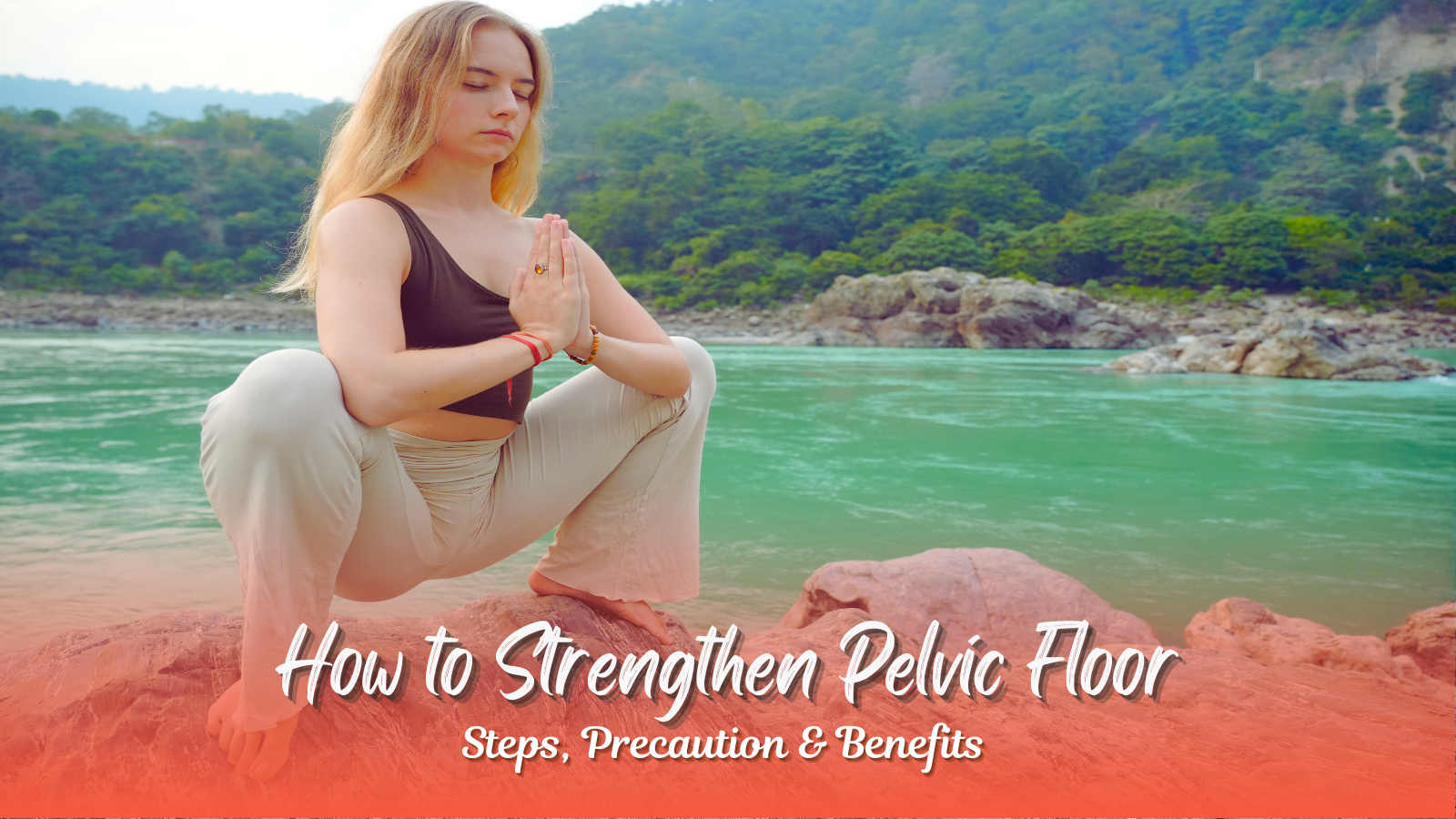
How to stregthen pelvic floor | Gurukul Yogashala

How to Strengthen Pelvic Floor: Steps, Precautions and Benefits

The pelvis is the foundation of stability and balance for the human body, but it is often overlooked or disregarded. If you are someone who wants to improve your physical stability and find emotional balance, learning to strengthen your pelvis is critical. At Gurukul Yogashala, we believe that health begins at the source. If you want to reset your mind and body with a 14-day yoga retreat in Rishikesh, or are interested in improving your yoga practice through Yoga Teacher Training in Rishikesh, strengthening your pelvic floor is an important aspect of developing your overall health.

Understanding the Pelvic Floor

The pelvic floor is a funnel-shaped group of muscles that support your bladder, bowel, uterus and all other organs of your pelvis. You can think about your pelvic floor like a hammock; it holds everything in place. Building strength and flexibility in the muscles of your pelvic floor will help you create a stable core, improve your sexual health and help you to eliminate waste from your body more efficiently.

Alignment and Posture Guide: The Foundation of Strength

In order to properly exercise, one must first address proper alignment. If you have postural problems, such as slumping your shoulders or having an excessive arch in your lower back, you are stressing your pelvic floor more than necessary. 

  • Neutral Position: Standing with your feet at hip width, make sure that your tailbone is neither tucked too far under nor sticking out too far behind your body. 
  • Stacked Spinal Posture: Make sure your ears are aligned over your shoulders, your shoulders are aligned over your hips, and your hips are aligned over your ankles. This “stacked” posture allows the diaphragm and pelvic floor to move together in a coordinated manner. 
  • Posture while sitting: When you are sitting, you want to be sitting on your sit bones (ischial tuberosities), not your sacrum, in order to maintain the natural curvature of the lumbar spine.

Steps to Strengthen the Pelvic Floor

1. Identification (The “Lift”)

Before strengthening the pelvic floor muscles you need to be able to identify them. An example of identifying your pelvic floor is to use the feeling of trying to stop your pee from coming out, or holding in gas…. You should be squeezing and lifting in your pelvic floor muscles as opposed to pushing down. 

2. The Slow Squeeze (Endurance)

  • Begin squeezing the pelvic floor muscles. 
  • Hold for 3-5 seconds while breathing normally. 
  • Relax for 5 seconds. 
  • Repeat 10 times. 

3. The Quick Squeeze (Power)

  • Squeeze and release the pelvic floor muscles as quickly as possible. 
  • Repeat 10-15 times. 
  • This type of exercise will train your pelvic floor muscles to respond to sudden stress, such as when you sneeze or cough.

Yoga for Pelvic Floor Health

Yoga has a well-rounded way to support pelvic health through breathing and physical activity. The 200 hour yoga teacher training in Rishikesh will focus on how these asanas form a complete therapeutic therapeutic practice.

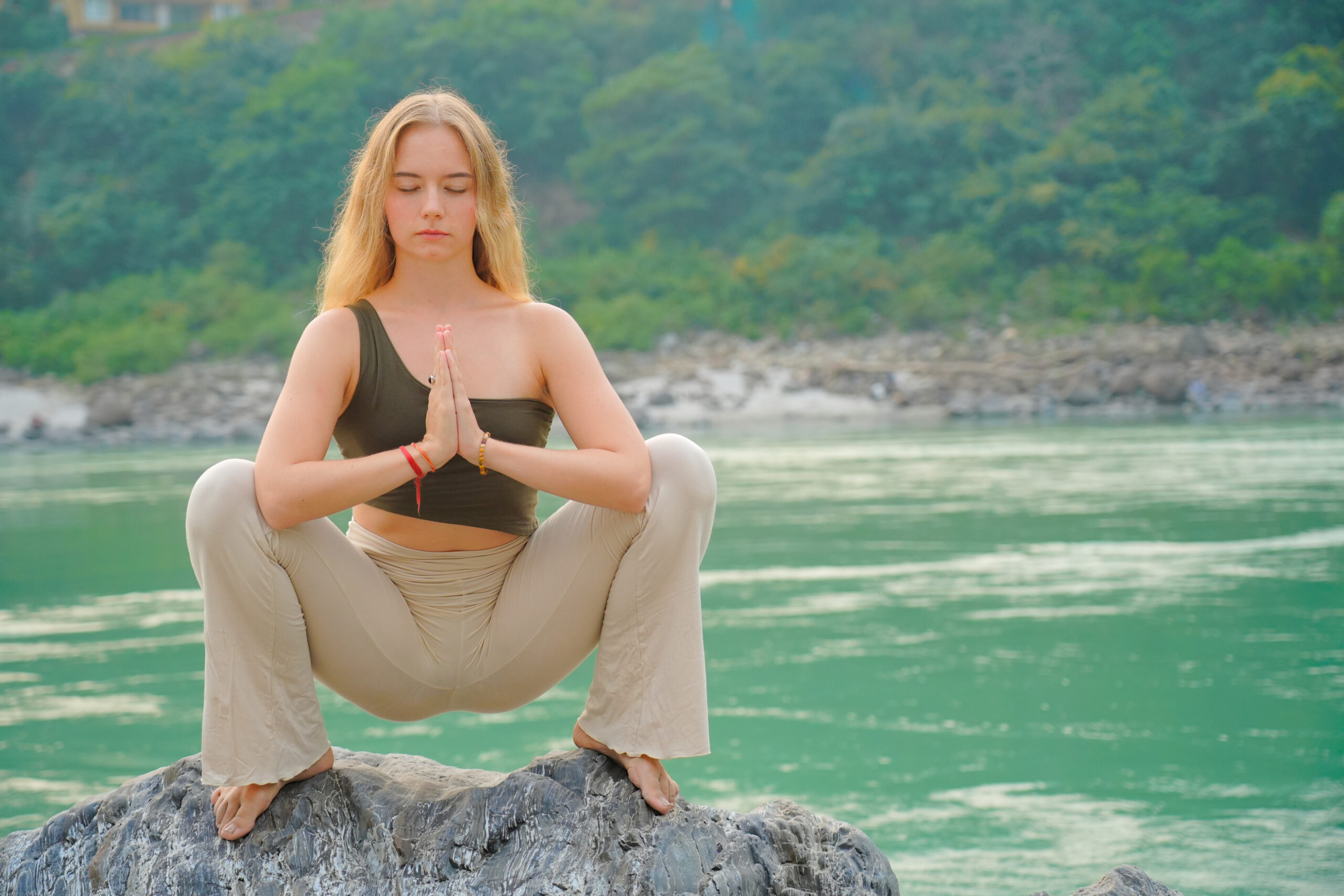
  • Malasana (Garland Pose) – This deep squat stretches the pelvic floor and also tones it. Apana vayu is encouraged to flow down through the body.
  • Setu Bandhasana (Bridge Pose) – By raising the hips, we bring both the gluteus and pelvic floor into active control.
  • Virabhadrasana II (Warrior II) – Strongly develops the stability of the pelvis and supports the adductors as they stabilize and strengthen the pelvic floor.
  • Baddha Konasana (Bound Angle Pose) – This asana is amazing at opening the hips and relieving tightness in the pelvic area. 
How to strengthen pelvic floor | Gurukul Yogashala

Exercise and Functional Training

In addition to the asanas, following are some functional exercises that will be helpful to the reader:

  • Hip lunges – These exercises help strengthen the pelvic muscles, thereby strengthening the external pelvic structures.
  • Bird-dog – This core exercise supports the pelvic floor by teaching the core muscles to keep the trunk stable while moving the limbs.
  • Resistance band squats – This exercise has a resistance aspect that will activate the deep stabilizers of the hip along with the pelvic floor. 

Meditation and Breathwork

Your Pelvic floor moves with your Diaphragm. The pelvic floor releases as you breathe in, and lifts as you exhale.

Meditation Technique

From a comfortable position, close your eyes, envisioning your pelvic floor as a lotus flower, blooming as you inhale, and gently closing as you exhale. This Biofeedback Meditation technique encourages reduced hypertonicity (excess tension) of muscles. 

Chakra Healing: Muladhara and Swadhisthana

Chakras (energy centres) are a key component of your pelvic health. As taught at Gurukul Yogashala;

Muladhara (Root Chakra)

The Muladhara (Root) chakra is located at the base of your spine and associated with the element of earth. It is responsible for feelings of safety and security. A weak pelvic region can manifest as an unstable foundation, resulting in feelings of anxiety, while strengthening this area supports grounding the energy in your body.

Swadhisthana (Sacral Chakra)

The Swadhisthana (Sacral) chakra is located above your pubic bone and is responsible for your creativity, emotions, and reproductive health. Working on the pelvic region will release any blockages in this energy centre and regulate your emotions, thereby enhancing your vitality. 

Benefits of a Strong Pelvic Floor

  • Urinary/Bowel Control: Prevents urinary/bowel incontinence and prevents the urge to go.
  • Core Strength: Creates a strong base of support for the abdominal muscles.
  • Improving Recovery: Essential for recovery after delivery and for supporting pelvic organs.
  • Improved Sexual Satisfaction: Increased blood flow and control of the muscles improve your sexual experience.
  • Postural Stability: When you support the spine below, you can reduce chronic lower-back pain. 

Precautions to Consider

  • Avoid Bearing Down: Do not apply excessive pressure to your pelvic region when trying to have a bowel movement; doing so will weaken the pelvic floor muscles and cause prolapse.
  • Do Not Breath Hold: Keep your breathing steady to manage intra-abdominal pressure while performing exercises.
  • Avoid Overuse: The pelvic muscles will become fatigued or hypertonic (too tight) just like any other muscle. A balance of strength and relaxation should be maintained.
  • Contact a Professional: If you have sharp pain, or you have been diagnosed with a prolapse, contact a physiotherapist for help with your pelvic floor. 

Final Thoughts

Focusing on developing a strong pelvic region goes beyond simply having strong muscles; having a solid support system underpins the entire human body. By paying attention to proper posture, doing yoga, and understanding what energy resides in your body, you will create a healthier lifestyle and be able to connect better with your body through grounding techniques.

Whether you are going about your day or learning more at a Yoga Teacher Training in Rishikesh, keep in mind that having a good pelvic floor allows you to move freely and gives you a sense of peace within your physiological self, so continue to improve yourself gradually.

We believe that when your base is established, your physical, mental and spiritual well-being will thrive at Gurukul Yogashala.

FAQ

1. What is the fastest way to strengthen the pelvic floor? 

To see results within four to six weeks, do both ‘slow lifts’ and ‘quick squeezes’ (Kegels) three times a day. 

2. Which yoga poses help strengthen the pelvic floor naturally? 

The following are just a few: Malasana (squatting position), Setu Bandhasana (bridge) Utkatasana (chair). All of these poses utilize gravity and alignment to give your pelvic stabilizers an opportunity to work naturally. 

3. How does posture (alignment) affect pelvic floor strength? 

Once the pelvis is in either an anterior tilt or posterior tilt, your pelvic region muscles are too ‘overstretched’ or too ‘bunched up’ for them to contract properly. When you are properly aligned with your pelvis, your pelvic floor muscles will be at their optimal lengths to produce power. 

4. What are the benefits of strengthening the pelvic floor? 

In addition to preventing leakage, if your pelvic floor is strong it will assist in supporting your spine and reducing back pain, increase sexual pleasure and help you feel more “grounded” emotionally (i.e., through the root chakra). 

5. What precautions should I take while doing pelvic floor exercises? 

When performing pelvic exercises, remember not to clench your breath, glutes or thighs tightly. Only work on internal motion. Stop and realign your posture if you cannot feel any pressure coming downward versus upward. 

6. Can meditation help improve pelvic floor strength? 

Yes, meditation can assist in the identification of chronic tension held within the body. Stress is commonly stored in the pelvis; thus through calming the mind, one can relieve hypertonic muscles, allowing for better functioning and strengthening of those muscles. 

7. How are the Muladhara and Swadhisthana chakras connected to pelvic health?

The Muladhara (root) and Swadhisthana (sacral) chakras work together to support pelvic health. The Muladhara creates a stable base for the body, while the Swadhisthana governs the fluid movement and reproductive aspects of the pelvic area. By creating balance in both of these chakras, you create stable and flowing energy in the pelvic region. 

8. What are simple daily exercises to improve pelvic floor strength? 

The elevator exercise is a simple way to build strength in the pelvic floor on a daily basis. Visualize your pelvic floor as an elevator: First, lift yourself up to the first floor; then to the second; and finally to the third. Hold on the third floor for a moment, and then lower down to the first floor again. This can be done while brushing your teeth or waiting for your coffee!

Pushan Mudra

Pushan Mudra: Meaning, Steps, Benefits & How It Improves Digestion

Pushan Mudra is one of the most therapeutic and scientifically recognized hand mudras in yoga. Known for its ability to enhance digestion, balance the nervous system, regulate energy flow and promote emotional stability, this mudra is widely practiced across the world.

In traditional yogic texts, mudras are described as “gestures that redirect energy flow within the body.” This Mudra specifically governs the digestive fire (Agni) and supports the functioning of the solar plexus, making it a transformative practice for anyone struggling with digestive discomfort, stress-related eating disorders or sluggish metabolism.

At Gurukul Yogashala, a traditional yoga school in Rishikesh, Pushan Mudra is taught both in yoga teacher training in Rishikesh and therapeutic healing sessions to help students understand its deep physiological and energetic benefits.

What Is Pushan Mudra? (Meaning & Yogic Context)

The word Pushan in Sanskrit means “the nourisher”, referring to the Vedic deity Pushan, who governs the digestive system, nourishment and solar energy.

This Mudra is a two-handed mudra, where each hand performs a slightly different gesture. This unique configuration helps the body manage both:

  • Assimilation of nutrients
  • Elimination of waste and toxins

Because of this dual action, This hand formation is often referred to as the “digestive mudra” or “mudra for metabolism and gut health.”

It is commonly practiced during:

  • Yoga therapy sessions
  • Pranayama
  • Meditation
  • Stress-relief practices
  • Post-meal relaxation
  • Cleansing kriyas
  • Weight-loss programs

How to Do Pushan Mudra (Step-by-Step Instructions)

This Mudra uses different fingers on each hand because digestion has two phases—receiving and eliminating.

Position for the Right Hand (Receiving Phase)

This gesture supports the intake of nutrients and stimulates digestive energy.

  1. Touch the index finger (Jupiter) and middle finger (Saturn) to the thumb
  2. Keep the ring finger and little finger extended

Position for the Left Hand (Elimination Phase)

This gesture activates the removal of waste from the body.

  1. Touch the middle finger and ring finger to the thumb
  2. Keep the index finger and little finger extended

Body Position

  • Sit comfortably in Sukhasana, Vajrasana, Padmasana or on a chair
  • Keep the spine upright
  • Rest your hands on the knees
  • Close your eyes
  • Breathe deeply (preferably deep belly breathing)

Duration

  • Minimum: 5 minutes
  • Therapeutic practice: 10–20 minutes
  • For chronic digestive issues: 2–3 sessions a day

Pushan Mudra Benefits

This Mudra impacts the digestive system, nervous system and energy channels (Nadis).

1. Improves Digestion Naturally

This mudra stimulates the solar plexus, digestive organs and digestive enzymes.
It helps with:

  • Indigestion
  • Bloating
  • Gas
  • Slow metabolism
  • IBS

This is why many students at Gurukul Yogashala practice it after yogic meals during yoga teacher training in Rishikesh.

2. Boosts Metabolism and Gut Fire (Agni)

According to Ayurveda, weak digestive fire leads to:

  • Toxins (Ama) buildup
  • Weight gain
  • Sluggishness
  • Emotional heaviness

Pushan Mudra activates the Manipura Chakra and strengthens metabolic fire.

3. Pushan Formation for Digestion & Gut Health

This is the most important and well-known benefit.

It helps regulate:

  • Stomach acid
  • Intestinal movement
  • Bile secretion
  • Enzyme release
  • Nutrient absorption

Perfect for individuals who experience discomfort after meals.

4. Mudra for Weight Loss

Weight gain often comes from:

  • Slow digestion
  • Stress eating
  • Emotional imbalance
  • Hormonal fluctuations
  • Poor metabolic function

By strengthening digestion and relaxing the nervous system, this mudra indirectly supports healthy, natural weight loss.

5. Relieves Nausea, Vomiting & Travel Sickness

The Mudra calms the stomach and reduces discomfort during:

  • Motion sickness
  • Dizziness
  • Acid reflux
  • Post-meal heaviness

6. Reduces Stress & Anxiety

The mudra activates the parasympathetic nervous system, promoting:

  • Calmness
  • Clarity of mind
  • Emotional grounding
  • Balanced energy

7. Improves Breath Quality During Pranayama

The Mudra pairs beautifully with:

  • Dirgha Pranayama
  • Nadi Shodhana
  • Ujjayi
  • Bhastrika (advanced)

It enhances breath awareness and increases oxygen flow.

8. Harmonizes Prana Vayu and Apana Vayu

These two vital energies govern:

  • Digestive strength
  • Gut movement
  • Circulation
  • Mental clarity

Balancing these two creates emotional stability and physical wellness.

The Science Behind Pushan Mudra

From a physiological viewpoint, The Mudra works through:

  • Neuromuscular stimulation

Touching specific fingers activates nerve pathways that influence digestion.

  • Vagus nerve activation

This nerve controls heart rate, digestion and relaxation.

  • Improved diaphragmatic breathing

Better oxygenation supports metabolic processes.

  • Hormonal balance

Reduces cortisol (stress hormone) → better digestion.

  • Enhanced blood circulation

Supports organ functioning.

Medical research shows that mudras may influence the brain’s electrical activity, supporting therapeutic outcomes.

This is why traditional yoga schools in Rishikesh such as Gurukul Yogashala, teach Pushan Mudra as part of yogic therapy and lifestyle programs.

When Should You Practice Pushan Mudra?

It is especially recommended:

  • After meals
  • Before meditation
  • During stress or anxiety
  • When experiencing stomach discomfort
  • Before sleep
  • During long travel
  • With pranayama sessions

Performing it 30 minutes after eating helps digestion significantly.

Who Should Avoid Pushan Mudra? (Contraindications)

The Mudra is very safe, but caution is needed if:

  • You have diarrhea
  • You are extremely dehydrated
  • You have serious gastrointestinal disorders (consult your doctor)
  • You feel dizzy during practice
  • You recently underwent abdominal surgery

Pregnant women can practice it but under the guidance of a trained yoga teacher.

Pushan Mudra in Yoga Philosophy

According to yogic texts, The Mudra activates the Manipura Chakra—the center of:

  • Power
  • Confidence
  • Digestion
  • Transformation

A healthy Manipura Chakra improves:

  • Self-esteem
  • Decision-making
  • Motivation

Thus Pushan Mudra supports not just physical digestion, but emotional digestion as well.

Pushan Mudra & The Five Prana Vayus (Advanced Yogic Insight)

In traditional Hatha Yoga, the body is governed by five major pranic forces called Pancha Prana Vayu. Each Vayu controls a different physiological and energetic function.

Pushan formation is unique because it influences two major Vayus simultaneously:

1. Samana Vayu (Digestive Fire & Assimilation)

Located in the navel region, Samana Vayu governs:

  • Digestion
  • Absorption
  • Metabolic heat
  • Distribution of nutrients

Pushan Mudra strengthens this Vayu, stabilizing the digestive system and enhancing the body’s ability to assimilate food, energy and even thoughts.

2. Apana Vayu (Elimination & Detoxification)

Anchored in the pelvic region, Apana Vayu governs:

  • Elimination of waste
  • Menstrual flow
  • Reproductive balance
  • Detoxification

Pushan Mudra stimulates Apana Vayu, helping the body cleanse toxins and maintain regular bowel movements.

Why this is important?

Because balanced Samana + Apana results in:

  • Healthy digestion
  • Regular detoxification
  • Stable emotions
  • Strong immunity
  • Clarity of mind

No other hand gesture works so precisely with these two systems simultaneously.

This is why in the advanced sessions at Gurukul Yogashala, Pushan Mudra is taught as a therapeutic yogic tool, not just a mudra.

The Psychology Behind Pushan Mudra

Modern psychology agrees that digestion and emotions are deeply connected because of the gut–brain axis.
Pushan Mudra helps regulate this connection in the following ways:

1. Reduces Stress-Triggered Digestive Issues

Stress often causes:

  • Heartburn
  • Constipation
  • Loose motions
  • IBS
  • Stomach knots

Pushan Mudra activates the parasympathetic system (rest-and-digest mode) that calms the brain and stomach simultaneously.

2. Improves Emotional Digestion

According to yogic philosophy, the solar plexus (Manipura) is the center for:

  • Willpower
  • Confidence
  • Decision-making
  • Emotional processing

Pushan Mudra helps one “digest” emotional experiences—especially grief, fear, anger, guilt and anxiety.

3. Healing for People With Emotional Eating

People who eat due to:

  • Anxiety
  • Stress
  • Loneliness
  • Overwhelm

benefit deeply from Pushan Mudra.
It creates emotional grounding and reduces cravings.

Therapists often pair it with mindful breathing for deeper healing.

Pushan Mudra & Ayurveda

Pushan Mudra is highly recommended in Ayurveda for balancing:

Vata Dosha

Vata aggravation causes:

  • Gas
  • Bloating
  • Irregular digestion
  • Constipation
  • Anxiety

Pushan Mudra calms Vata and stabilizes nervous energy.

Kapha Dosha

Kapha aggravation causes:

  • Sluggish digestion
  • Slow metabolism
  • Weight gain
  • Emotional heaviness
  • Lethargy

Pushan Mudra stimulates Agni (digestive fire), helping the body burn fat and eliminate toxins.

Mild effect on Pitta

While it aids digestion, it does not overheat the body.
This makes it safe for Pitta-dominant people as well.

At Gurukul Yogashala, students are trained to pair Pushan Mudra with:

  • Herbal teas
  • Ayurvedic detox routines
  • Yogic diet
  • Pranayama
  • Meditation

This holistic integration enhances the mudra’s benefits significantly.

Pushan Mudra for Yogic Lifestyle & Ayurveda

Ayurveda teaches that digestion is the root of all health. Pushan Mudra:

  • Increases digestive fire (Agni)
  • Reduces toxins (Ama)
  • Balances Vata and Kapha dosha
  • Supports good metabolism

It is widely used in Yogic Therapy and Ayurvedic healing.

FAQs About Pushan Mudra

1. What is Pushan Mudra?

Pushan Mudra is a yogic hand gesture that supports digestion, metabolism and energy balance through different finger positions on each hand.

2. How long should I practice Pushan Mudra?

5–20 minutes per session. You can practice it multiple times a day.

3. Can Pushan Mudra help with digestion?

Yes! It is one of the best mudras for digestion, bloating, gas, slow metabolism and post-meal discomfort.

4. Does Pushan Mudra help in weight loss?

Indirectly yes—by improving digestion, metabolism and reducing emotional eating tendencies.

5. Can beginners practice Pushan Mudra?

Absolutely. It is simple, safe and effective for beginners.

6. Can I practice it after eating?

Yes, this is the most beneficial time to practice.

7. Is Pushan Mudra safe during pregnancy?

Generally yes, but pregnant women should practice under expert guidance.

8. What is Pushan Mudra used for in yoga?

For digestion, energizing Manipura Chakra, improving pranayama, healing stress and balancing the body’s energies.

Conclusion: Why Learn Mudras Like Pushan Mudra at Gurukul Yogashala

Pushan Mudra is a powerful yet simple yogic technique that improves digestion, enhances metabolic fire, reduces stress, balances energy flow and supports weight loss naturally. When practiced consistently, it strengthens both physical and emotional wellbeing.

At Gurukul Yogashala, an authentic yoga school in rishikesh, students learn Pushan Mudra as part of a complete yogic lifestyle that combines:

  • Traditional philosophy
  • Ayurveda
  • Pranayama
  • Yogic therapy
  • Authentic teaching methods

Whether you join a short course or enroll in the 200 hour yoga teacher training in Rishikesh, you will gain deep expertise and practical understanding of yogic mudras, breathwork and therapeutic healing. Gurukul Yogashala’s programs are ideal for anyone seeking comprehensive yoga teacher training in Rishikesh rooted in ancient wisdom and real-world experience.

Dirgha Pranayama

Dirgha Pranayama: Meaning, Benefits, Technique & Yogic Wisdom

Breath is the most vital force in yogic philosophy. The quality of your breath directly influences your physical health, emotional balance and mental clarity. Among the many pranayama techniques practiced in traditional Hatha Yoga, Dirgha Pranayama, also known as Three-Part Breath, is one of the foundational and most transformative techniques.

At Gurukul Yogashala, a traditional yoga school in rishikesh, Dirgha Pranayama is taught with precision, anatomical awareness and spiritual depth during all levels of yoga teacher training in rishikesh, including the globally recognized 200 hour yoga teacher training in Rishikesh.

This complete guide explores:

  • What is Dirgha Pranayama
  • How to do Dirgha Pranayama (step-by-step)
  • Dirgha Pranayama benefits
  • Contraindications
  • Difference between Dirgha Pranayama and Ujjayi Pranayama
  • Advanced tips from yoga experts
  • Scientific & spiritual perspective

Let’s dive deeper.

What Is Dirgha Pranayama? (Meaning & Yogic Background)

Dirgha Pranayama comes from the Sanskrit words:

  • “Dirgha” — long, deep, complete
  • “Pranayama” — breath expansion, regulation of life force

Thus, Dirgha Pranayama means “the practice of long, complete and controlled breathing.”

It involves consciously expanding the breath into three parts:

  1. Belly / Diaphragm
  2. Ribs / Thoracic Region
  3. Chest / Clavicular Region

This makes Dirgha Pranayama a full-lung breath, enhancing both oxygen absorption and energy flow (Prana Vayu).

Traditionally, Dirgha Pranayama is practiced:

  • at the beginning of yoga sessions
  • before meditation
  • during stress
  • for grounding emotional turbulence
  • to correct dysfunctional breathing patterns

The Science Behind Dirgha Pranayama (Physiological Explanation)

Most people breathe using only the upper chest, which restricts oxygen intake and puts the body into a state of subtle stress. Dirgha Pranayama reverses this dysfunctional breathing pattern by training the diaphragm—the body’s primary breathing muscle—to work efficiently.

When you practice Dirgha Pranayama:

  • The diaphragm moves downward properly

This creates more space in the lungs, allowing maximum oxygen absorption.

  • The vagus nerve activates

This nerve triggers the parasympathetic nervous system, immediately creating a sense of relaxation.

  • Heart rate and blood pressure reduce naturally

Deep breathing improves cardiovascular function without strain.

  • Lymphatic detoxification improves

Breath-driven diaphragmatic movement supports the lymphatic system, helping flush toxins from the body.

  • Brain receives more oxygen

This improves concentration, clarity, decision-making and memory.

This scientific foundation is why Dirgha Pranayama is often prescribed for people with stress-related health conditions, anxiety, high blood pressure, digestive problems and emotional imbalance.

Dirgha Pranayama & Emotional Healing

In yogic philosophy, emotions are stored in the body—particularly in the solar plexus (Nabhi), chest (heart center) and throat.
The three-part breath gently massages these regions, helping dissolve emotional blockages.

How it supports emotional wellness:

  • Belly breathing relaxes survival-based fears and anxiety
  • Rib expansion releases tension from suppressed emotions
  • Chest breathing opens the heart space, promoting compassion
  • Slow exhalation clears emotional heaviness

This is why Dirgha Pranayama is often used in:

  • Trauma-sensitive yoga
  • Meditation for emotional healing
  • Yoga nidra
  • Inner child therapy
  • Stress management programs

At Gurukul Yogashala, teachers guide students with compassion, grounding and ancient yogic wisdom to help release emotional holding patterns.

Dirgha Pranayama & Meditation (Why It Strengthens Mindfulness)

Before meditation, the mind is usually restless due to irregular breathing. Dirgha Pranayama anchors the mind by stabilizing the breath.

Benefits for meditation practitioners:

  • Increases mental stillness
  • Reduces internal chatter
  • Improves awareness of the present moment
  • Helps hold longer meditation sessions
  • Makes transitions from asana to meditation smoother

This is why many meditation teachers recommend practicing Dirgha Pranayama for 3–5 minutes before beginning meditation.

Dirgha Pranayama in Yoga Philosophy

Traditional scriptures like the Hatha Yoga Pradipika and Gheranda Samhita emphasize the importance of long, controlled breathing. According to yogic wisdom:

“The breath is the bridge between the mind and the body.”

Dirgha Pranayama embodies this philosophy by teaching practitioners to breathe consciously from the lower, middle and upper regions of the body.

According to ancient teachings:

  • Belly breath activates Apana Vayu (elimination energy)
  • Rib breath activates Samana Vayu (digestive & balancing energy)
  • Chest breath activates Prana Vayu (upward-moving life force)

Practicing Dirgha Pranayama harmonizes these pranic energies, creating balance and steadiness.

How to Do Dirgha Pranayama (Step-by-Step Instructions)

Here is a simple and effective method taught at Gurukul Yogashala:

Step 1: Sit in a comfortable position

Choose Sukhasana, Vajrasana or sit on a cushion. Keep spine lengthened.

Step 2: Relax your shoulders

Let the chest soften and jaw loosen.

Step 3: Place one hand on the belly and one on the chest

This increases awareness.

Step 4: Inhale into the belly

Feel it expand outward (diaphragmatic breathing).

Step 5: Continue the inhale into the ribcage

Allow the ribs to widen like wings.

Step 6: Draw the last part of the inhale into the upper chest

The collarbones gently rise.

Step 7: Exhale slowly in reverse

Chest → ribs → belly.

Step 8: Repeat for 5–10 minutes

Keep breath smooth, long and unforced.

This technique teaches you to utilize the entire lung capacity consciously and efficiently.

Dirgha Pranayama Benefits (Deep Yogic & Scientific Advantages)

1. Improves Lung Capacity

Dirgha Pranayama trains the lungs to expand completely, increasing oxygen intake and respiratory efficiency.

2. Reduces Stress & Anxiety

Deep breathing activates the parasympathetic nervous system, calming the mind and lowering cortisol levels.

3. Enhances Emotional Stability

This breath cultivates grounding and reduces emotional reactivity, making it ideal for anxiety, grief or overwhelm.

4. Improves Posture & Spinal Alignment

When practiced correctly, the spine elongates and the diaphragm moves freely, improving overall posture.

5. Supports Digestion

Deep abdominal breathing stimulates digestive organs and enhances circulation in the gut.

6. Boosts Concentration & Mindfulness

Slow, intentional breathing helps quiet the mind—perfect for meditation or yoga nidra.

7. Helps Correct Shallow Breathing Patterns

Many people have stress-induced chest breathing. Dirgha Pranayama retrains the body to breathe deeply.

8. Improves Sleep Quality

Practicing before bed reduces restlessness and relaxes the nervous system.

9. Enhances Prana Flow

In yogic philosophy, full breathing enhances life-force energy, improving vitality and spiritual awareness.

10. Creates a Strong Foundation for Other Pranayama

Dirgha is the base for advanced breathwork such as:

  • Ujjayi
  • Nadi Shodhana
  • Bhastrika
  • Kapalbhati

At Gurukul Yogashala, this pranayama is introduced early to create a strong foundation.

Dirgha Pranayama Contraindications

Avoid or modify if you have:

  • Severe asthma flare-ups
  • COPD (chronic obstructive pulmonary disease)
  • Recent chest or abdominal surgery
  • Heart disorders (consult a physician)
  • Severe vertigo
  • Pregnancy (practice only under guidance)

Practitioners at Gurukul Yogashala learn modifications to ensure safety.

How Is Ujjayi Pranayama Different Than Dirgha Pranayama?

FeatureDirgha PranayamaUjjayi Pranayama
PurposeFull lung expansionBreath control + throat contraction
Technique3-part breathingOceanic breath sound
ThroatRelaxedGentle constriction
Breath SoundSilentAudible
Best ForBeginners, groundingAdvanced focus, vinyasa, Ashtanga
Energy EffectCalmingHeating + energizing

Conclusion:
Dirgha Pranayama is foundational, whereas Ujjayi is more advanced and requires throat engagement.

Why Dirgha Pranayama Is Essential for Yoga Students & Teachers

Dirgha is the first pranayama taught in yogic tradition. For teachers-in-training, it builds:

  • breath awareness
  • anatomical understanding
  • emotional grounding
  • the ability to guide others safely
  • the base for all advanced pranayama

This is why Dirgha is practiced in every 200 hour yoga teacher training in Rishikesh at Gurukul Yogashala.

Advanced Dirgha Pranayama Tips

  • Practice with eyes closed
  • Count inhalation and exhalation (4–4 or 4–6)
  • Visualize breath filling 3 chambers
  • Keep shoulders soft
  • Avoid overexpansion of the chest
  • Use Ujjayi breath after mastering Dirgha
  • Practice early morning or before meditation

Spiritual Significance of Dirgha Pranayama

In yogic scriptures, the three-part breath symbolizes:

  • Belly — grounding, security, Muladhara + Swadhisthana
  • Ribs — expansion, vitality, Manipura
  • Chest — compassion, Anahata

As the breath travels upward, it awakens the pranic currents and harmonizes the body with consciousness.

FAQs on Dirgha Pranayama

1. What is Dirgha Pranayama?

It is a three-part deep breathing technique involving belly, rib and chest expansion for full-lung breathing.

2. What are the benefits of Dirgha Pranayama?

It reduces stress, improves lung capacity, enhances digestion, supports emotional balance and deepens meditation.

3. How do you practice Dirgha Pranayama?

Sit comfortably, inhale into belly → ribs → chest, and exhale chest → ribs → belly.

4. Are there any contraindications?

Avoid during severe asthma, heart conditions or after abdominal/chest surgery unless guided by professionals.

5. How is Ujjayi different from Dirgha Pranayama?

Dirgha focuses on full lung expansion, while Ujjayi uses throat constriction to create a soft oceanic sound.

6. Can beginners practice Dirgha Pranayama?

Yes, it is one of the safest and most beginner-friendly pranayamas.

7. Is Dirgha Pranayama good for sleep?

Absolutely. It relaxes the nervous system and improves sleep quality.

8. Can I practice Dirgha Pranayama every day?

Yes, daily practice for 5–10 minutes is highly recommended.

Conclusion

Dirgha Pranayama is one of the most essential breathing practices every yogi should master. It strengthens the lungs, calms the mind, supports emotional balance and deepens self-awareness. When practiced regularly, it becomes a powerful tool for physical health, mental clarity and spiritual development.

At Gurukul Yogashala, a traditional yoga school in rishikesh, Dirgha Pranayama is taught with proper guidance, anatomical precision and yogic philosophy. Whether you join our yoga teacher training in rishikesh or enroll in the foundational 200 hour yoga teacher training in rishikesh this pranayama technique becomes a pillar of your personal and teaching journey.

Master your breath and you master the path of yoga.

Rocket Yoga: Meaning, Sequence, Benefits & Training

Rocket Yoga: Meaning, Sequence, Benefits & Training

Yoga has evolved over centuries, but certain styles have earned global popularity due to their unique approach, intensity and transformative power. Rocket Yoga is one such modern yet deeply rooted yoga system inspired by traditional Ashtanga Vinyasa yoga. Known for its dynamic pace, playful transitions and strength-building poses, Rocket Yoga is widely practiced by students who enjoy a fast, energetic and exhilarating flow.

At Gurukul Yogashala, a traditional yoga school in Rishikesh, Rocket Yoga is taught with precision, safety and ancient yogic wisdom. Combining the structured approach of Ashtanga with the freedom of modern Vinyasa, Rocket Yoga offers practitioners a balance of discipline and creativity.

This comprehensive guide covers:

  • What is Rocket Yoga
  • Rocket Yoga sequence (beginner + advanced)
  • Rocket Yoga vs Ashtanga
  • Rocket Yoga vs Vinyasa
  • Benefits of Rocket Yoga
  • Rocket Yoga training and teacher training
  • Whether Rocket Yoga is suitable for beginners
  • Expert insights from Gurukul Yogashala teachers

What Is Rocket Yoga? (Origin, Philosophy & Method)

Rocket Yoga is a fast-paced, contemporary version of Ashtanga Yoga created by Larry Schultz in the 1980s. Schultz trained with Pattabhi Jois for years and later designed a more accessible version of the traditional Ashtanga Primary and Intermediate Series.

Key Features of Rocket Yoga

  • Faster transitions
  • Creative variations
  • Strength and flexibility training
  • Inversions and arm-balancing emphasis
  • No strict sequence—more freedom
  • Encourages personal expression and exploration

Rocket Yoga was named by Bob Weir of the Grateful Dead, who said:
“It gets you there faster.”

While rooted in tradition, Rocket Yoga gives students the freedom to modify, adapt and explore poses that might feel restrictive in classical Ashtanga.

Rocket Yoga Sequence

Rocket Yoga has three primary sequences, each targeting different aspects of the body.

1. Rocket 1 Sequence (Based on Ashtanga Primary Series)

This sequence emphasizes strength, balance and foundational postures.

Common Poses in Rocket 1

  • Sun Salutations A & B
  • Standing sequence
  • Seated forward bends
  • Arm balances
  • Basic inversions
  • Rocket pose yoga variations
  • Finishing sequence

Best for: Beginners and intermediate practitioners.

2. Rocket 2 Sequence (Based on Ashtanga Intermediate Series)

This focuses on deeper backbends, twists and more complex transitions.

Common Poses in Rocket 2

  • Kapotasana preparations
  • Advanced arm balances
  • Backbend variations
  • Strong hip-opening asanas
  • Forearm balances

Best for: Intermediate to advanced practitioners.

3. Rocket 3 Sequence (The “Full Rocket”)

A combination of Rocket 1 and 2, often the most challenging.

It includes:

  • Advanced balances
  • Handstands
  • Jump-through transitions
  • Float-backs
  • Strength drills

Beginner Rocket Yoga Sequence

Many students ask, “Is Rocket Yoga for beginners?”
Yes—when guided by an experienced teacher, Rocket Yoga is accessible and safe for beginners.

A beginner-friendly Rocket flow may include:

  • Cat-Cow
  • Downward Dog
  • Modified Chaturanga
  • Low Lunges
  • Warrior I & II
  • Chair Pose
  • Boat Pose
  • Crow Pose (optional)
  • Supported Headstand (optional)

This simplified sequence builds confidence while maintaining the playful spirit of Rocket Yoga.

Rocket Yoga vs Ashtanga Yoga

Rocket Yoga

  • Flexible sequence
  • Faster, more dynamic
  • Includes modifications
  • More accessible for beginners

Ashtanga Yoga

  • Fixed series
  • Strong discipline + strict order
  • Requires years of practice
  • Traditional and structured

Conclusion: Rocket Yoga is “Ashtanga for everyone,” making challenging postures accessible through variations.

Rocket Yoga vs Vinyasa Yoga

Rocket Yoga

  • Based on Ashtanga structure
  • Emphasis on arm balances & inversions
  • Consistent pattern and rhythm
  • Strength-focused

Vinyasa Yoga

  • Free-flowing
  • Creative and varied
  • Breath-led movement
  • More fluid, less strength-heavy

Conclusion: Rocket Yoga is more structured and strength-oriented than Vinyasa.

Rocket Yoga Benefits

Rocket Yoga is famous for its strength, speed, balance, creativity and transformational nature. Below are the most detailed benefits you can use for your article, website, or training manual.

1. Builds Exceptional Upper-Body Strength

Rocket Yoga includes:

  • arm balances
  • handstands
  • forearm stands
  • jump-backs & float-backs
  • chaturanga repetitions

This strengthens:

  • wrists
  • shoulders
  • triceps
  • core
  • upper back

Why this matters:
Most traditional yoga styles don’t offer as much upper-body strength training. Rocket Yoga fills that gap, making practitioners strong, stable and confident in advanced postures.

2. Develops Deep Core Activation & Balance

Every transition in Rocket Yoga—like floating forward, jumping through, L-sits, or handstands—requires:

  • deep abdominal engagement
  • pelvic floor stability
  • spinal alignment

This leads to:

  • better posture
  • stronger lower back
  • enhanced athletic performance
  • reduced risk of injuries

In Gurukul Yogashala, Rocket Yoga classes emphasize mindful core activation rooted in traditional yogic anatomy.

3. Increases Flexibility Faster Than Other Styles

Rocket Yoga combines:

  • dynamic stretching
  • active mobility
  • deep hip-openers
  • flowing sun salutations

Areas that dramatically open:

  • hamstrings
  • hip flexors
  • shoulders
  • spine
  • calves

Because Rocket Yoga warms the body rapidly, muscles become more pliable, making flexibility gains much quicker.

4. Strengthens the Cardiovascular System

Rocket Yoga is an intense, fast-paced practice that elevates the heart rate like cardio.
This improves:

  • circulation
  • lung capacity
  • endurance
  • metabolic rate

Regular practice makes your stamina significantly stronger—useful even outside yoga.

5. Boosts Mental Focus & Concentration

The quick pace requires:

  • presence
  • sharp awareness
  • breath control
  • mind–body coordination

As a result:

  • concentration improves
  • reaction time sharpens
  • the mind becomes disciplined

This mental sharpness is similar to the focus gained in athletes and meditators.

6. Reduces Stress & Anxiety Through Breathwork

Even though Rocket Yoga is dynamic, it follows:

  • Ujjayi breath
  • slow exhalations
  • breath-led transitions

This activates the parasympathetic nervous system, leading to:

  • calmness
  • emotional stability
  • mood balance
  • improved sleep

The combination of movement + breath creates a powerful meditative flow state.

7. Builds Confidence Through Achieving Hard Postures

Rocket Yoga is full of:

  • inversions
  • arm balances
  • strength holds
  • creative transitions

As students learn these step-by-step, they experience:

  • confidence
  • courage
  • emotional empowerment
  • trust in the body

At Gurukul Yogashala, teachers guide beginners using safe, supportive progressions.

8. Improves Mobility & Functional Strength

Rocket Yoga trains real-life movement patterns:

  • pushing
  • pulling
  • balancing
  • twisting
  • jumping
  • stabilizing

This improves:

  • agility
  • joint mobility
  • coordination
  • injury prevention

It’s not just about yoga; it enhances your ability to move better in daily life.

9. Enhances Inversion Skills

Many students struggle with inversions because traditional classes avoid them.
Rocket Yoga includes them in every sequence.

This improves:

  • circulation
  • lymphatic drainage
  • brain oxygenation
  • balance
  • body awareness

Teachers at Gurukul Yogashala break down inversions safely for all levels.

10. Encourages Creativity & Playfulness

Unlike strict Ashtanga, Rocket Yoga:

  • encourages modifications
  • allows freedom of movement
  • supports personal expression

This makes yoga enjoyable, especially for students who feel restricted by rigid sequences.

11. Faster Muscle Building (Compared to Traditional Yoga)

Rocket Yoga acts like yoga + calisthenics.

It tones:

  • arms
  • abs
  • shoulders
  • glutes
  • legs

Practitioners notice physical transformation within weeks.

12. Supports Weight Loss & Improved Metabolism

Due to its intensity, Rocket Yoga:

  • burns calories quickly
  • boosts metabolism
  • reduces belly fat
  • improves digestion
  • supports detoxification

A 60-minute class can burn 600+ calories depending on intensity.

13. Strengthens the Breath–Movement Connection

Rocket Yoga teaches you to:

  • move on breath cues
  • control pace
  • maintain Ujjayi breath

This improves pranayama skills and deepens meditative awareness.

14. Enhances Emotional Release & Healing

Dynamic flows break down:

  • emotional blockages
  • mental stiffness
  • suppressed energy

Students often feel lighter, happier, and more grounded after class.

15. Builds Discipline Without Rigidity

Ashtanga is strict.
Vinyasa is free-flowing.
Rocket Yoga blends both beautifully.

You get:

  • discipline
  • structure
  • creativity
  • strength
  • freedom

This balance makes Rocket Yoga sustainable for long-term practice.

At Gurukul Yogashala, our traditional approach blends Rocket Yoga with breathwork, alignment training, and yogic philosophy to ensure safe, mindful practice.

Rocket Yoga Teacher Training (What to Expect)

A structured Rocket Yoga teacher training typically includes:

  • Ashtanga-based sequences
  • Rocket 1, 2 & 3 breakdown
  • Arm-balancing & inversion workshops
  • Anatomy of strength & flexibility
  • Sequencing strategies
  • Yoga philosophy & meditation
  • Hands-on adjustments
  • Teaching methodology

Whether you’re joining rocket yoga training in 2025 or exploring it as part of a 200 hour yoga teacher training in Rishikesh, Gurukul Yogashala offers the right blend of traditional and modern techniques.

Is Rocket Yoga Suitable for Beginners?

Yes—with proper guidance.

Beginners can practice Rocket Yoga safely if they:

  • learn under trained teachers
  • modify poses
  • focus on breath
  • avoid pushing beyond limits

At Gurukul Yogashala, teachers ensure that every student—beginner or advanced—practices with safety, alignment, and mindful awareness.

Experience at Gurukul Yogashala – Why Learn Rocket Yoga in Rishikesh?

Gurukul Yogashala brings together:

  • Experienced, traditionally trained teachers
  • Authentic yogic philosophy
  • Scientific understanding of movement
  • Safe, structured Rocket Yoga training
  • A peaceful learning environment in Rishikesh

Students from over 35+ countries join our 200 Hour Yoga Teacher Training in Rishikesh, where Rocket Yoga is taught alongside Hatha Yoga, Ashtanga Yoga, Pranayama and Meditation.

Our emphasis on experience, expertise and lineage makes us one of the most trusted yoga schools for Rocket Yoga training.

FAQs on Rocket Yoga

1. What is Rocket Yoga?

Rocket Yoga is a fast-paced, accessible version of Ashtanga Yoga designed to make advanced postures more achievable.

2. Is Rocket Yoga good for beginners?

Yes, beginners can practice Rocket Yoga with proper modifications and guidance from trained yoga teachers.

3. What are the benefits of Rocket Yoga?

It improves strength, flexibility, balance, focus, cardiovascular endurance and emotional well-being.

4. How is Rocket Yoga different from Ashtanga?

Rocket Yoga is more flexible, creative, and accessible, while Ashtanga follows strict traditional sequences.

5. Is Rocket Yoga similar to Vinyasa Yoga?

Both are dynamic, but Rocket Yoga is more structured and includes advanced postures and inversions.

6. What happens during Rocket Yoga teacher training?

You learn sequences, anatomy, adjustments, philosophy, meditation, alignment and teaching methodology.

7. Can Rocket Yoga help with weight loss?

Yes. Its fast pace increases heart rate, supporting fat burn and muscle toning.

8. What is the Rocket Yoga sequence?

There are three main sequences: Rocket 1, Rocket 2, and Rocket 3.

9. Do I need to be flexible for Rocket Yoga?

No. Flexibility develops gradually with consistent practice.

10. Where can I learn Rocket Yoga in India?

Gurukul Yogashala in Rishikesh offers structured training rooted in tradition and modern practice.

Conclusion

Rocket Yoga is an empowering, dynamic, and transformative yoga style that blends the discipline of Ashtanga with the creativity of modern movement. Whether you practice for strength, flexibility, balance or mental clarity, Rocket Yoga takes your practice to the next level.

At Gurukul Yogashala, a traditional yoga school in Rishikesh, we teach Rocket Yoga with precision, safety, and authentic yogic wisdom. Students who join our yoga teacher training in Rishikesh, including the internationally recognized 200 hour yoga teacher training in Rishikesh, gain the confidence and skill to practice and teach Rocket Yoga effectively.

If you are ready to elevate your yoga journey with movement, mindfulness and mastery—Rocket Yoga at Gurukul Yogashala is the perfect path.

Chest Breathing vs Belly Breathing

Chest Breathing vs Belly Breathing: Understanding the Difference for Better Health

Breath is life. Every yoga practitioner, from beginners to advanced students, eventually discovers that the quality of breath determines the quality of mind, movement and overall health. At Gurukul Yogashala, one of the most traditional yoga school in Rishikesh, breathwork (Pranayama) forms the foundation of every training program—including the 100, 200, 300 and 500 Hour Yoga Teacher Training Courses.

Among the most important concepts in yogic breathwork lies the distinction between chest breathing vs belly breathing. Although both occur naturally, they have dramatically different effects on the nervous system, posture, focus, and emotional balance.

  • This in-depth guide will help you understand:
  • What is belly breathing
  • What is chest breathing
  • Belly breathing vs chest breathing (scientific + yogic perspective)
  • Benefits of deep belly breathing
  • Why most people are chest breathers
  • How to retrain yourself for diaphragmatic breathing
  • Techniques to practice daily
  • Yogic insights from Gurukul Yogashala faculty

Let’s begin the journey toward deeper breath awareness and healthier living.

What Is Belly Breathing? (Diaphragmatic Breathing Explained)

Belly breathing, also known as diaphragmatic breathing or abdominal breathing, is the natural and efficient way humans are supposed to breathe. Babies instinctively breathe with their bellies rising and falling—but adults gradually lose this pattern due to stress, poor posture and sedentary habits.

How Belly Breathing Works

During belly breathing:

  • The diaphragm contracts and moves downward
  • The lungs expand naturally
  • The belly rises as air fills the lower lungs
  • The breath becomes slow, deep, and steady
  • The nervous system shifts into relaxation mode (parasympathetic)

This is why belly breathing is often recommended for anxiety, stress relief, meditation and asana practice.

Deep Belly Breathing Benefits

Some major belly breathing benefits include:

  • Reduced stress and anxiety
  • Lower heart rate and blood pressure
  • Improved digestion
  • Enhanced lung capacity
  • Better mental clarity
  • Increased oxygen supply
  • Stronger mind–body connection
  • Improved posture and spinal alignment

At Gurukul Yogashala, belly breathing is taught in all Pranayama classes as a foundational skill for meditation, Hatha Yoga, Ashtanga Yoga and Yin Yoga.

What Is Chest Breathing? (Shallow Thoracic Breathing)

Chest breathing or thoracic breathing involves lifting the chest and shoulders while taking air only into the upper part of the lungs. This is common in people experiencing stress, anxiety, or poor posture.

How Chest Breathing Works

During chest breathing:

  • Only the upper lungs fill with air
  • The chest and shoulders rise
  • The diaphragm barely moves
  • Breathing becomes shallow and fast
  • The nervous system shifts into fight-or-flight mode

Chest breathing is not “wrong,” but when it becomes the default breathing pattern, it contributes to stress, fatigue, and emotional imbalance.

Chest Breathing vs Belly Breathing: Key Differences

Below is a clear comparison of belly breathing vs chest breathing:

FeatureBelly Breathing (Diaphragmatic)Chest Breathing (Thoracic)
Lung ExpansionLower lungsUpper lungs
Diaphragm UseStrongWeak
Nervous SystemRelaxation responseStress response
Breathing RateSlow & deepFast & shallow
Energy LevelBalanced, calmDrained, anxious
Best ForYoga, meditation, relaxationIntense activity, emergencies

Conclusion:

Belly breathing is ideal for health, emotional balance, and yoga. Chest breathing is only useful during high-intensity physical demands.

Why Do Most People Become Chest Breathers?

According to yoga anatomy teachers at Gurukul Yogashala, adults unconsciously shift to chest breathing due to:

1. Chronic Stress

Stress causes the body to trigger a fight-or-flight response—leading to shallow chest breathing.

2. Poor Posture

Slouching, working on laptops, and forward-head posture collapse the diaphragm.

3. Tight Clothing

Tight belts or high-waist clothing prevent abdominal expansion.

4. Emotional Suppression

People unconsciously restrict belly movement to “hold in emotions.”

5. Lack of Breath Awareness

Without guidance, most people never learn correct breathing techniques.

This is why breathwork training at a traditional yoga school like Gurukul Yogashala can correct patterns formed over years.

How to Practice Belly Breathing: Step-By-Step Technique

Here is a simple belly breathing exercise you can start now:

Step 1: Sit comfortably or lie down

Relax your shoulders and place one hand on the chest and one on the belly.

Step 2: Inhale slowly through the nose

Your belly should rise as the diaphragm expands. The chest should stay still.

Step 3: Exhale gently

Let the belly fall naturally, releasing all tension.

Step 4: Repeat for 5–10 minutes

Perfect for before yoga, meditation, or sleep.

At Gurukul Yogashala, students learn advanced variations during Pranayama sessions, including:

  • Nadi Shuddhi with belly breathing
  • Ujjayi breath
  • 3-part yogic breath
  • Diaphragm strengthening drills

Advanced Belly Breathing Techniques Taught at Gurukul Yogashala

1. Dirgha Pranayama (Three-Part Breath)

Teaches abdominal, thoracic and clavicular expansion in sequence.

2. Ujjayi Breathing

Enhances focus and oxygen efficiency.

3. Bhastrika with Diaphragmatic Emphasis

Strengthens lung capacity.

4. Meditation With Breath Awareness

Stabilizes the mind and enhances emotional balance.

These methods help practitioners transition from chest breathing to belly breathing with ease and proper guidance.

Belly Breathing vs Chest Breathing in Yoga Practice

During meditation:

Belly breathing is essential to keep the mind calm and grounded.

During asanas:

Slow diaphragmatic breathing improves alignment, endurance and flexibility.

During Pranayama:

Most classic pranayama techniques require complete control of the diaphragm.

During strenuous postures:

Chest breathing may occur temporarily, but awareness brings you back to breath control.

Yoga masters at Gurukul Yogashala emphasize that “breath leads the body—never the other way around.”

How to Transition from Chest Breathing to Belly Breathing

  • Practice daily for 10 minutes
  • Keep awareness on the belly
  • Fix posture during sitting and walking
  • Practice lying-down breathing drills
  • Keep the jaw relaxed
  • Meditate for 5 minutes after practice
  • Join a proper Pranayama/Yoga TTC program for deeper learning

Most trainees at Gurukul Yogashala report improved mental clarity, reduced anxiety and better sleep within 10 days of consistent practice.

FAQs on Chest Breathing vs Belly Breathing

1. What is belly breathing?

Belly breathing is diaphragmatic breathing where the abdomen rises during inhalation. It improves oxygen flow, reduces stress and enhances calmness.

2. What is the difference between chest and belly breathing?

Chest breathing is shallow and fast, while belly breathing is deep and slow. Belly breathing activates the parasympathetic nervous system and promotes relaxation.

3. Is belly breathing better for anxiety?

Yes. Belly breathing reduces cortisol, slows the heart rate and relaxes the nervous system—making it highly effective for stress and anxiety.

4. Can chest breathing cause stress?

Chronic chest breathing can keep the body in fight-or-flight mode, increasing anxiety and muscle tension.

5. How can I switch from chest breathing to belly breathing?

Practice daily diaphragmatic breathing, correct posture and join a guided breath awareness or Pranayama class at best yoga school in Rishikesh.

6. Is belly breathing good for sleep?

Absolutely. Deep belly breathing calms the nervous system and helps improve sleep quality.

7. Why is my chest rising instead of my belly?

This happens due to stress, habit, weak diaphragm muscles or poor posture. With training, the pattern can be corrected.

8. Can belly breathing improve digestion?

Yes. Diaphragmatic movement massages internal organs and boosts digestion.

Conclusion: Why Breath Awareness Matters

Breath is the bridge between body and mind. Understanding chest breathing vs belly breathing helps you regain control over stress, emotions and overall well-being. While chest breathing activates the body’s emergency systems, belly breathing restores calmness, clarity and balance.

At Gurukul Yogashala, we teach authentic breathing techniques rooted in classical Hatha Yoga and ancient yogic scriptures. Our certified teachers guide students through diaphragmatic awareness, pranayama methods, meditation, yogic science and spiritual philosophy. Whether you join the 100, 200, 300 or 500 Hour Yoga Teacher Training in Rishikesh, breathwork remains the heart of your transformation.

Master your breath—and you master your life.

Benefits of Practicing Yoga Daily

Benefits of Practicing Yoga Daily – Why It’s Essential for a Healthy Lifestyle

During the last decade, the world has shown a huge inclination towards yoga daily. The shift in mind-set had already started, as many were already aware of the ancient science and associated knowledge. The pandemic cemented the belief that yoga can actually help in both preventative maintenance and disease management. Today, medical professionals also advise patients to choose yoga as an alternative mode of treatment, alongside Western medicine. You will come across different retreat courses that start from a minimum duration of 3 days being held in places like Rishikesh. There are many who aim to become yoga teachers, and for them, there is the 200 hour yoga teacher training in Rishikesh.

You can check the vast variety of yoga programs offered by Gurukul Yogashala, which is the oldest yoga school in the region. If you delve into their courses, you will find retreats of various durations and full-fledged yoga courses for teachers as well. Gurukul Yogashala is the oldest Ashtanga yoga school in Rishikesh offering the best 200 hour ashtanga yoga teacher training in India. So, if you want to ride the yoga wave, then this is the place to be.

What Is Yoga?

But, before we get into the myriad benefits that yoga offers, you must know what it is all about. Yoga is not just limited to the inversions, twists, forward bends, and shoulder stands that we all grew up seeing. It delves deeper than these. Yoga also comprises various practices such as Pranayama, meditation, and Kriyas. The best thing about yoga is that anyone can do it, irrespective of background and religion. Yoga is deeply spiritual in nature, and also has a huge emotional and mental impact. Moreover, it is on and above the physical postures or breath, as well.

True yoga will help you to move towards a greater union, of that of the self and the universe. Additionally, it also depicts the union of the male and female energies that rule every object in the universe. According to Patanjali’s Yoga Sutras, there are eight limbs, which if embraced, can help you to lead a fruitful and worry-free life. If you happen to join the best yoga teacher training course in Rishikesh, at Gurukul Yogashala, then you will quickly realize the benefits of practicing yoga daily.

If you practice yoga daily, then you can live a healthy life for a long time, devoid of any disease. Yoga can impact us on different planes. Find out more about that here.

Physical Benefits Of Yoga

  • Yoga is one of the best exercises, for the development of flexibility. It can stretch your muscles and make you less tired. You will soon start noticing the benefits, once you keep doing yoga daily practice regularly. If you want to see the benefits right away, you can join a yoga teacher training course in India. Gurukul Yogashala organizes short-term retreat programs as well, which can give you instant benefits in the way you look and feel.
  • Strength building is another advantage that you get in the realm of yoga, without hitting the gym. Hatha Yoga happens to be the perfect anecdote for it. It establishes the ground for yoga practice, while balancing and stabilizing as well.
  • You can correct your posture, through the practice of yoga. Most people work at a desk during office hours, which leads to postural problems. A retreat course can help you get the same right, under the proper guidance of the teachers at Gurukul Yogashala, which offers the best yoga retreats in Rishikesh.

Mental Or Psychological Benefits Of Yoga

Yoga activities like asana, breathing, and meditation can have profound effects on mental and psychological health. According to various studies, yoga daily practices have proven beneficial in the below cases.

  • When you practice yoga, happy hormones are released from the brain. These mood- boosting chemicals are dopamine and serotonin, among others. You must be wondering, how it is so, when yoga movements are so slow and controlling? So, in reality, yoga daily movements may be controlled, but they elevate the heart rate. Thus, stimulating the release of brain chemicals.
  • You will also hear about doctors asking mental patients to get yoga therapy. In fact, there is a separate stream altogether, which is called Yoga-Psychotherapy, which deals with mental issues. It is believed to relieve depression to a huge extent.
  • Yoga practice also reduces stress levels. And that is probably why so many individuals are travelling to Rishikesh, the Yoga Capital, globally, to indulge in yoga for a few days at a stretch. The tightening and relaxing activity of the muscles contributes towards relaxation.
  • Yoga practice regularly can also ease anxiety. Deep breathing is one of the methods that help in controlling anxiety.
  • You will also be able to get rid of sleep issues, if you practice yoga regularly. The best way to learn the exact processes is from a trained yoga teacher, through a yoga certification course in Rishikesh.

Gurukul Yogashala, the best yoga school in Rishikesh, India can help you to adopt a yogic lifestyle, which is beneficial for both your physical and mental health. But wait! There is a third side to it, as well. Yes, we are talking about the spiritual side.

Spiritual Benefits Of Yoga

  • Yoga teaches self-awareness, through the practice of mindfulness. You can realize your true potential, once you stop getting distracted due to the outside clutter and look within. This can help you to correct your fallacies and develop good habits as well.
  • You can develop a divine connection with the universe, which can pave the pathway for manifestations. This can lead to a greater sense of spiritual purpose not only for you, but for those around you.

You can introduce spirituality into your yoga journey, by setting intentions whenever you can, during your yoga daily practice. Additionally, breath works can also help you become more spiritual, by quieting the mental clutter. Alternate nostril breathing is one such practice, which can help you in attaining the right spiritual bend of mind. Studying yoga philosophy can also bring about a profound change in your attitude towards life in general. The lectures of the Gurus at Gurukul Yogashala are truly life changing. The internationally certified yoga course in India, can help you discover your true goal in life through its discourses.

FAQs

1. What happens if I practice yoga every day?

Practicing yoga daily helps improve flexibility, strengthen muscles, enhance posture, boost digestion, reduce stress, and regulate the nervous system. It also improves emotional stability and mental clarity by balancing the body’s energy channels.

2. How long should I do yoga each day for best results?

Even 20–30 minutes of daily yoga can offer significant physical and mental benefits. Beginners can start with 10–15 minutes and gradually increase the duration as stamina and comfort improve.

3. Can I lose weight by doing yoga every day?

Yes. Consistent yoga practice boosts metabolism, supports hormonal balance, improves digestion, and burns calories. Dynamic styles like Ashtanga, Vinyasa, and Power Yoga are highly effective for healthy weight loss.

4. Is morning or evening yoga better?

Both are beneficial.

  • Morning yoga energizes the body and clears the mind.
  • Evening yoga helps reduce stress, relax muscles, and promote better sleep.
    Choose a time that aligns with your lifestyle and consistency.

5. Can beginners practice yoga daily?

Absolutely. Beginners can safely practice yoga daily by starting with gentle poses, focusing on breathwork, and avoiding over-stretching. Listening to your body is key.

6. Does daily yoga help with stress and anxiety?

Yes. Yoga activates the parasympathetic nervous system, lowering cortisol levels. Practices like Pranayama, Yoga Nidra, and meditation significantly reduce stress and anxiety.

7. What type of yoga is best for daily practice?

Hatha Yoga, Vinyasa Flow, Ashtanga Yoga, and Yin Yoga are excellent for everyday practice. A balanced routine includes flexibility, strength, breathwork, and mindfulness.

8. Can yoga improve sleep quality?

Daily yoga helps calm the mind, release muscular tension, and regulate breathing, all of which contribute to deeper and more restful sleep.

9. Is yoga enough for overall fitness?

Yoga enhances strength, mobility, balance, posture, lung capacity, and mental health. For many, it is a complete fitness system. If desired, it can be combined with walking or cardio activities.

10. How does yoga improve mental health?

Yoga promotes mindfulness, increases serotonin levels, reduces overthinking, and supports emotional resilience. Meditation and breath awareness practices improve focus, clarity, and inner peace.

Conclusion

Daily yoga practice is more than an exercise routine—it is a holistic lifestyle choice that strengthens the body, calms the mind, and elevates the spirit. From improving flexibility and posture to reducing stress, enhancing sleep, and supporting emotional well-being, yoga cultivates a balanced and healthier life from within. Whether you are a beginner or an advanced practitioner, consistency is the key to unlocking profound transformation.

At Gurukul Yogashala, we honor the ancient Vedic tradition and guide students through authentic yoga practices rooted in discipline, mindfulness, and spiritual growth. Our Yoga Teacher Training in Rishikesh, meditation programs, and holistic wellness modules empower students to understand yoga not just as a physical practice, but as a complete path toward harmony and self-awareness.

By integrating daily yoga into your lifestyle—and learning under the traditional lineage at Gurukul Yogashala, the best yoga school in Rishikesh—you cultivate strength, clarity, emotional balance, and a deeper connection with your true self. Yoga is not just what you do on the mat; it becomes a way of living, healing, and evolving every single day.